
Unwinding Nostalgia: Transforming Cassette Tapes into Breathtaking Art
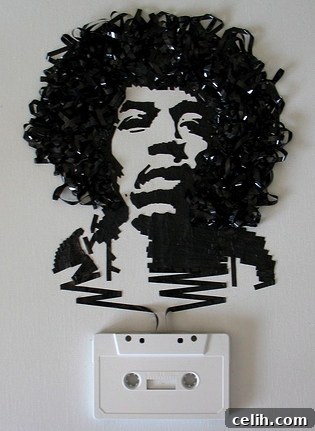 Do you have a forgotten collection of old audio cassette tapes gathering dust in a cupboard, perhaps never to be played again? While these relics of a bygone era might seem destined for the landfill, a wave of innovative artists and crafters are breathing new life into them, transforming their magnetic ribbons into truly unique and stylish works of art. This creative approach to recycling offers not only a sustainable solution for unwanted media but also a captivating way to honor the cultural significance of these beloved analog artifacts.
The humble audio cassette, once a ubiquitous medium for music lovers worldwide, holds a special place in the hearts of many. From meticulously curated mixtapes to cherished album recordings, these plastic shells and their delicate magnetic tape interiors encapsulate countless memories. Instead of simply discarding them, imagine giving them a second act, turning their inherent texture and metallic sheen into stunning visual masterpieces. This artistic transformation allows us to reclaim a piece of our past and reimagine its potential in a truly modern and eco-conscious way.
The Visionary Art of Iri5: Immortalizing Icons with Tape
Among the pioneers of this unique art form is the incredibly talented artist Iri5, whose work has captivated audiences globally. Iri5 brilliantly conceived and executed two iconic portraits, using the very essence of the cassette tape itself – the thin, brown magnetic tape meticulously unwound from its plastic casing. The results are nothing short of spectacular: intricate and instantly recognizable portraits of two legendary musicians, Jimi Hendrix and Bob Dylan.
Iri5’s approach transcends mere craft; it is a profound artistic statement. The choice of subjects, Jimi Hendrix and Bob Dylan, is particularly poignant. Both artists are synonymous with eras where cassette tapes played a crucial role in disseminating their music and shaping popular culture. By rendering their images using the very material that once carried their melodies, Iri5 creates a powerful dialogue between medium and message, past and present. The delicate strands of tape, when viewed up close, reveal an almost shimmering quality, lending a dynamic energy to the static image.
The skill involved in creating these cassette tape wall art pieces is undeniably immense. Each curve, shadow, and highlight is painstakingly built up from hundreds, if not thousands, of individual tape segments. The artist must possess an extraordinary eye for detail, an understanding of light and shadow, and an unwavering patience to manipulate such a fragile and unconventional material into a cohesive and lifelike representation. The intricate layering and precise placement of the unwound tape create a unique textural depth, making these portraits truly come alive and inviting viewers to appreciate the sheer artistry and dedication behind them.
Beyond the Masterpiece: Why Cassette Tapes Are an Ideal Medium for Upcycled Art
The appeal of using cassette tapes for art extends beyond their nostalgic value. The material itself offers unique characteristics that make it surprisingly versatile for creative expression:
- Distinctive Texture and Sheen: The magnetic tape possesses a subtle sheen and a delicate, almost fabric-like texture that can be manipulated to create varying degrees of light and shadow. This allows artists to achieve depth and realism in their work.
- Flexibility and Formability: Despite its fragility, the tape can be shaped, coiled, and layered, offering surprising flexibility for both two-dimensional portraits and more three-dimensional sculptural pieces.
- Symbolic Resonance: Each strand of tape carries the symbolic weight of recorded sound and shared memories. Using it in art connects the viewer to a collective past and the history of music consumption.
- Abundant Resource: With millions of obsolete cassettes in circulation, the material is readily available for upcycling, contributing to a significant reduction in waste.
- Eco-Friendly Appeal: Transforming these non-biodegradable plastic objects into art champions the principles of sustainability and responsible consumption. It’s a tangible way to participate in the growing movement of creative recycling.
Unleash Your Inner Artist: A Guide to DIY Cassette Tape Art
Inspired by artists like Iri5, you might be tempted to try your hand at creating your own cassette tape art. While achieving the level of detail seen in professional works requires practice and skill, the basic process is accessible to anyone with a supply of tapes and a creative spirit. It’s a fantastic project for music enthusiasts, eco-conscious crafters, or anyone looking for a unique decor piece.
What You’ll Need:
- Old audio cassette tapes (the more, the better for different shades and textures).
- A sturdy backing material (canvas, wood panel, thick cardstock, or even a framed piece of cardboard).
- Strong adhesive (PVA glue, craft glue, or hot glue gun for quicker adhesion, though be careful with delicate tape).
- Pencil for sketching your design.
- Reference photo or sketch (for portraits or detailed designs).
- Scissors or a craft knife (optional, for precision cutting).
- Tweezers (highly recommended for manipulating the delicate tape).
- Protective surface (to keep your workspace clean).
Step-by-Step DIY Process:
- Gather Your Tapes: Start by collecting a good number of old cassette tapes. The more you have, the more freedom you’ll have with your design. Consider the different shades and textures; some tapes might be darker or lighter than others.
- Prepare Your Base: Choose a sturdy surface for your artwork. A stretched canvas, a wooden board, or a thick piece of cardboard can work wonderfully. If you’re going for a framed look, consider preparing your base to fit perfectly within a frame.
- Unwind the Tape: This is where the magic begins. Carefully open your cassette tapes to extract the magnetic tape. You can gently pry open the casing or carefully break it apart. Be mindful not to damage the tape itself, as it’s quite delicate. Wind the tape onto a separate spool or container to keep it organized and prevent tangling.
- Sketch Your Design: Using a pencil, lightly sketch your desired design onto your chosen backing material. If you’re attempting a portrait, trace a reference photo to get the proportions right. For abstract designs, simply draw your patterns or shapes. This outline will serve as your guide.
- Begin Laying the Tape: This is the most time-consuming but rewarding part. Start applying your adhesive to small sections of your sketch. Then, carefully lay down strands of the unwound cassette tape, following your pencil lines.
- For portraits: Think about light and shadow. Use denser layers of tape for darker areas and sparser, more spread-out strands for lighter areas. Coiling the tape can create bolder lines and texture, while stretching it straight can create fine details.
- For abstract designs: Experiment with swirling patterns, geometric shapes, or even creating texture by crinkling or looping the tape before gluing it down.
- Build Dimension and Interest: Don’t be afraid to layer the tape. Overlapping strands can add depth and create interesting visual effects. Use tweezers to precisely place individual strands for fine details like eyes or facial features in portraits.
- Secure with Glue: Ensure each piece of tape is securely glued down. You might need to apply a thin layer of glue over the tape once it’s in place, especially at the ends, to prevent it from lifting. Allow ample drying time.
- Refine and Finish: Once all the tape is laid and dry, step back and assess your work. You can trim any stray ends with scissors or a craft knife for a cleaner finish. If desired, you can frame your finished piece to protect it and give it a polished look.
Remember, patience is key with this art form. The delicate nature of the tape and the intricate layering require a steady hand and a methodical approach. Don’t be discouraged if your first attempt isn’t perfect; art is a journey of experimentation and learning.
Beyond Portraits: Exploring Other Creative Avenues for Cassette Tapes
While stunning portraits are a testament to the artistic potential of cassette tapes, their utility extends far beyond two-dimensional art. The unique properties of the tape and the cassette shell itself inspire a plethora of other upcycling projects:
- Cassette Tape Sculptures: Artists are creating incredible three-dimensional sculptures by coiling, weaving, and forming the tape into busts, animals, or abstract forms. The plastic cassette shells can also be repurposed as building blocks or components in larger structures.
- Fashion and Jewelry: The magnetic tape can be woven into unique fabrics for clothing accents, or crafted into one-of-a-kind jewelry pieces like earrings, necklaces, and bracelets. The plastic cases themselves can be transformed into quirky brooches or pendants.
- Home Decor Items: Imagine a lampshade adorned with woven tape, or a decorative bowl made from carefully coiled and glued tape. Cassette tapes can also be used to create unique coasters, picture frames, or even mosaic-style tabletops.
- Mixed Media Art: Combine cassette tape elements with other recycled materials like CDs, vinyl records, or electronic components to create complex, multi-textured artworks that truly push the boundaries of upcycling.
- Functional Objects: Some innovative crafters have turned cassette shells into cardholders, mini planters, or even creative storage boxes, showcasing their functional adaptability.
The Environmental and Cultural Impact of Upcycled Art
Choosing to upcycle cassette tapes into art is more than just a creative endeavor; it’s a conscious decision with significant environmental and cultural implications. Millions of these plastic and metal objects are discarded each year, contributing to landfill waste that takes hundreds of years to decompose. By repurposing them, we actively reduce our environmental footprint and promote a circular economy where materials are valued and reused rather than thrown away.
Culturally, cassette tape art serves as a vibrant homage to an era defined by analog sound. It sparks conversation, evokes nostalgia, and educates younger generations about the evolution of music technology. It reminds us of a time when music was tangible, when albums were physical objects to be held and cherished. This art form bridges the gap between generations, connecting those who grew up making mixtapes with those who are discovering the charm of vintage media for the first time.
Conclusion: A Symphony of Sustainability and Creativity
From the ingenious portraits by artists like Iri5 to accessible DIY projects, the transformation of old audio cassette tapes into art is a testament to human creativity and our growing commitment to sustainability. These forgotten relics of the music world are finding a new purpose, evolving from simple sound carriers into captivating visual narratives.
Whether you’re an avid art collector seeking a unique piece, an environmentally conscious individual looking for ways to reduce waste, or a nostalgic music lover wanting to reconnect with your past, cassette tape art offers a compelling blend of all these elements. So, the next time you stumble upon a stash of old tapes, consider their artistic potential. Unwind their stories, and let their magnetic magic inspire your next masterpiece.
Originally inspired by discoveries from Craziestgadgets.com, this creative movement continues to grow, inviting us all to look at our discarded items with fresh eyes and imaginative minds.