
Buying a home is one of the most significant financial and emotional investments you’ll ever make. It’s a momentous occasion, often filled with excitement and anticipation. However, amidst the dream of finding your perfect property, it’s crucial to hit the brakes, take a deep breath, and approach the process with meticulous care. Rushing through the various stages of home acquisition can lead to costly mistakes, unmet expectations, or even an agreement that doesn’t truly align with your best interests. This comprehensive guide will walk you through the indispensable steps you must take before you finalize your home purchase, ensuring you make an informed decision and secure a property that truly meets your needs and desires.
Thoroughly Review All Paperwork
Image Link – CC0 Licence
In the complex world of real estate transactions, paperwork reigns supreme. From the initial offer to the final closing documents, you will encounter a substantial volume of legal texts, disclosures, and agreements. It is absolutely imperative that you read and understand every single document before affixing your signature. Do not rely solely on assurances from lawyers, real estate agents, or even the seller; take personal responsibility to scrutinize each detail. While legal jargon can be daunting, you must endeavor to grasp the essence of what you are agreeing to. If there’s anything you don’t fully comprehend, or if a clause seems unusual or newly introduced, do not hesitate to seek clarification.
Key documents to meticulously examine include the purchase agreement, disclosure statements, financing agreements, title documents, home warranty contracts, and any homeowners’ association (HOA) bylaws. Pay close attention to critical elements such as the start and end dates of your home warranty to confirm it matches what was advertised. Double-check move-in dates, contingency clauses (e.g., financing, inspection, appraisal), repair agreements, closing costs, and earnest money details. Ensure all names, property descriptions, and financial figures are accurate. Any discrepancies or overlooked details could lead to significant financial liabilities or legal disputes down the line. Your real estate attorney is there to protect your interests, so leverage their expertise by asking detailed questions about any ambiguous clauses or terms. Signing a document without full comprehension can bind you to unfavorable conditions, making proactive review a non-negotiable step in the home buying journey.
The Critical Role of a Professional Home Inspection
Before you commit to the purchase of a property, a professional home inspection (often referred to as a survey in some regions) is not merely recommended; it is essential. A home, regardless of how pristine it appears on the surface, can harbor a multitude of hidden issues that could translate into substantial repair costs after you’ve taken ownership. Think of a home inspector as a detective, thoroughly examining every accessible component of the house to uncover potential “monsters under the bed,” as the saying goes.
A qualified home inspector will conduct a comprehensive evaluation of the property’s major systems and structural integrity. This includes inspecting the foundation for cracks or shifts, the roof for leaks or wear, the HVAC system for efficiency and age, the plumbing for leaks and water pressure, and the electrical system for safety and capacity. They will also look into the attic, basement, and exterior elements like grading and drainage. More importantly, they are trained to identify potential environmental hazards that could impact your health and safety, such as asbestos, lead paint, mold, and radon gas. While asbestos, for instance, is generally safe if undisturbed, an inspector can identify its presence and advise on potential risks should renovation plans involve its disturbance.
The inspection report provides invaluable leverage for negotiation. Should significant issues be discovered, you can use the findings to request repairs from the seller, negotiate a lower purchase price, or even withdraw your offer if the problems are too extensive or costly to resolve. Skipping this vital step means gambling with potentially thousands, or even tens of thousands, in unforeseen repair expenses—funds you likely won’t have readily available after spending a significant amount on the property itself. Investing in a professional inspection offers peace of mind and safeguards your investment against costly surprises, making it an indispensable part of your due diligence.
Diligently Research the Neighborhood and Community
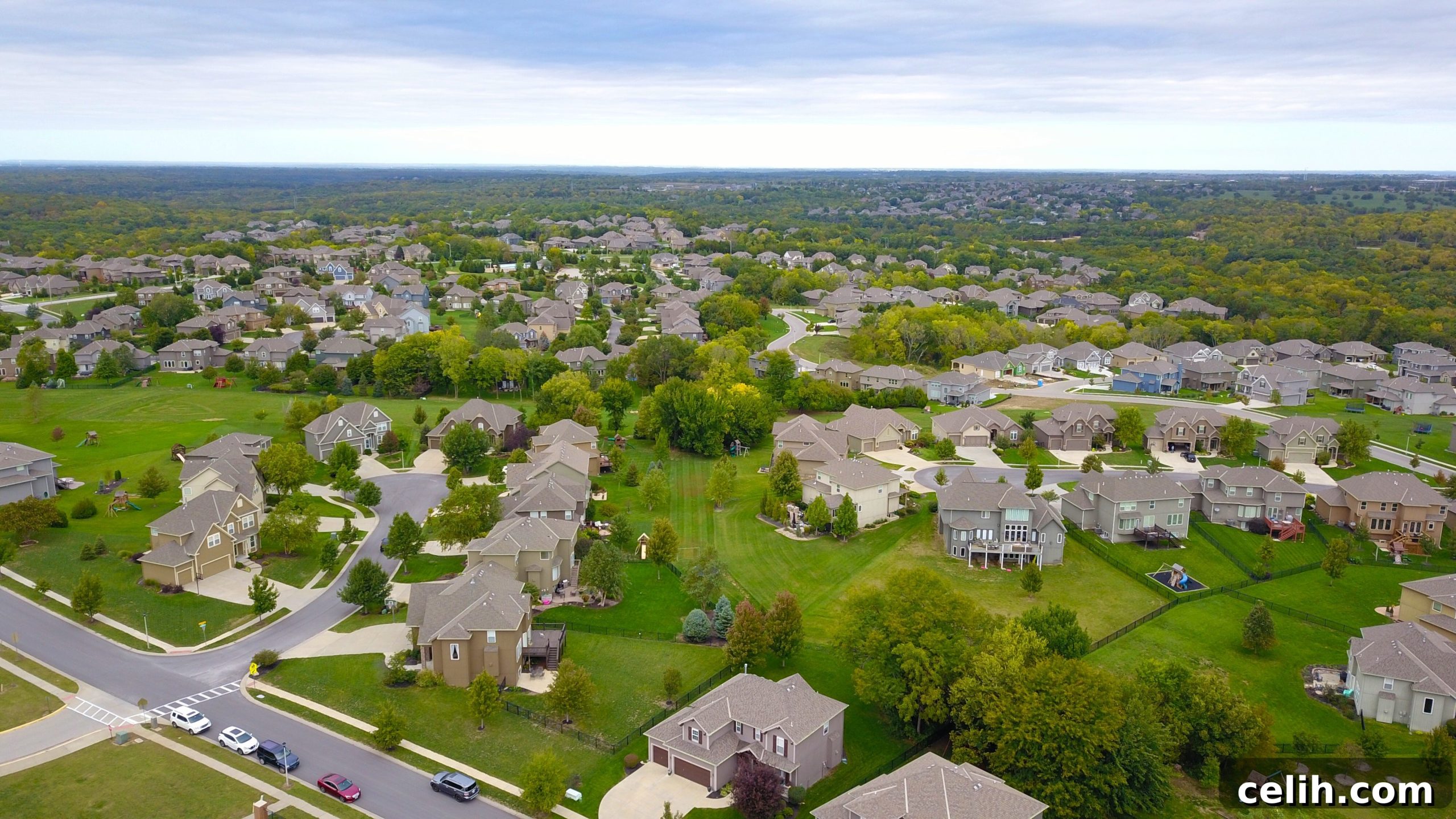
A home is more than just four walls and a roof; it’s a part of a larger community, and the neighborhood significantly impacts your quality of life. Therefore, checking the area where your potential home is located is just as important as scrutinizing the house itself. Failing to research the local environment can lead to daily frustrations and a living situation that doesn’t align with your lifestyle or safety expectations.
Start by researching safety and crime rates using official police statistics or reputable online databases. Understanding the prevalent types of crime in an area can give you a clearer picture of potential risks. For families, the quality of local school districts is often a primary concern. Investigate school ratings, student-teacher ratios, and available extracurricular activities. Proximity to work, major highways, and public transportation options will dictate your daily commute. Consider local amenities: are there grocery stores, hospitals, parks, recreational facilities, and dining options conveniently nearby? How accessible are these essential services?
Beyond statistics, take the time to experience the neighborhood firsthand. Drive through at different times of the day and week—rush hour, evenings, and weekends—to gauge traffic, noise levels, and the general atmosphere. Chat with potential neighbors or locals to get a genuine feel for the community vibe. Research any planned developments, such as new commercial centers or major infrastructure projects, which could either enhance or detract from the area’s appeal and property values. Every individual has unique priorities; some prefer a bustling, vibrant atmosphere, while others seek peace and quiet. Tailoring your neighborhood research to your specific needs ensures that the community you choose will enrich, rather than detract from, your new homeownership experience. Making an informed choice about your neighborhood ensures long-term satisfaction and protects your investment.
Securing Your Financial Foundation
While not explicitly mentioned as a separate point in the original content, understanding and securing your financial foundation is an overarching prerequisite to buying a home. Before you even start looking at properties, it’s crucial to know what you can realistically afford. This involves far more than just your monthly mortgage payment. You need to factor in a substantial down payment, closing costs (which can range from 2-5% of the loan amount), property taxes, homeowners insurance, and potential HOA fees. Beyond these initial costs, consider ongoing expenses such as utilities, maintenance, and potential future repairs. A pre-approval for a mortgage is a vital step; it demonstrates to sellers that you are a serious and qualified buyer, which can give you a significant advantage in a competitive market. It also sets a clear budget, preventing you from falling in love with a home outside your financial reach. Work with a reputable mortgage lender to explore different loan options, understand interest rates, and ensure you’re comfortable with the repayment terms. A solid financial plan will prevent unnecessary stress and ensure your home purchase is a sustainable investment, not a burden.
Conclusion: The Path to Confident Homeownership
Buying a home is undeniably one of life’s most exciting milestones, but it demands careful consideration and strategic action. As we’ve explored, rushing through the process or overlooking critical details can lead to significant regrets and financial strain. By diligently reviewing all legal paperwork, securing a thorough professional home inspection, and meticulously researching your chosen neighborhood and its surrounding community, you empower yourself to make a truly informed and confident decision. These steps are not merely bureaucratic hurdles; they are your safeguards, protecting your investment and ensuring that the home you choose is not only beautiful but also sound, safe, and perfectly suited to your lifestyle.
Remember, the goal is not just to buy a house, but to acquire a home that brings you joy, security, and long-term value. Taking the time for comprehensive due diligence prevents costly surprises, allows for informed negotiations, and ultimately leads to a smoother, more satisfying transition into homeownership. Equip yourself with knowledge, lean on the expertise of professionals, and approach this journey with patience and thoroughness. We wish you the very best of luck in finding your ideal home and embarking on this wonderful new chapter.