
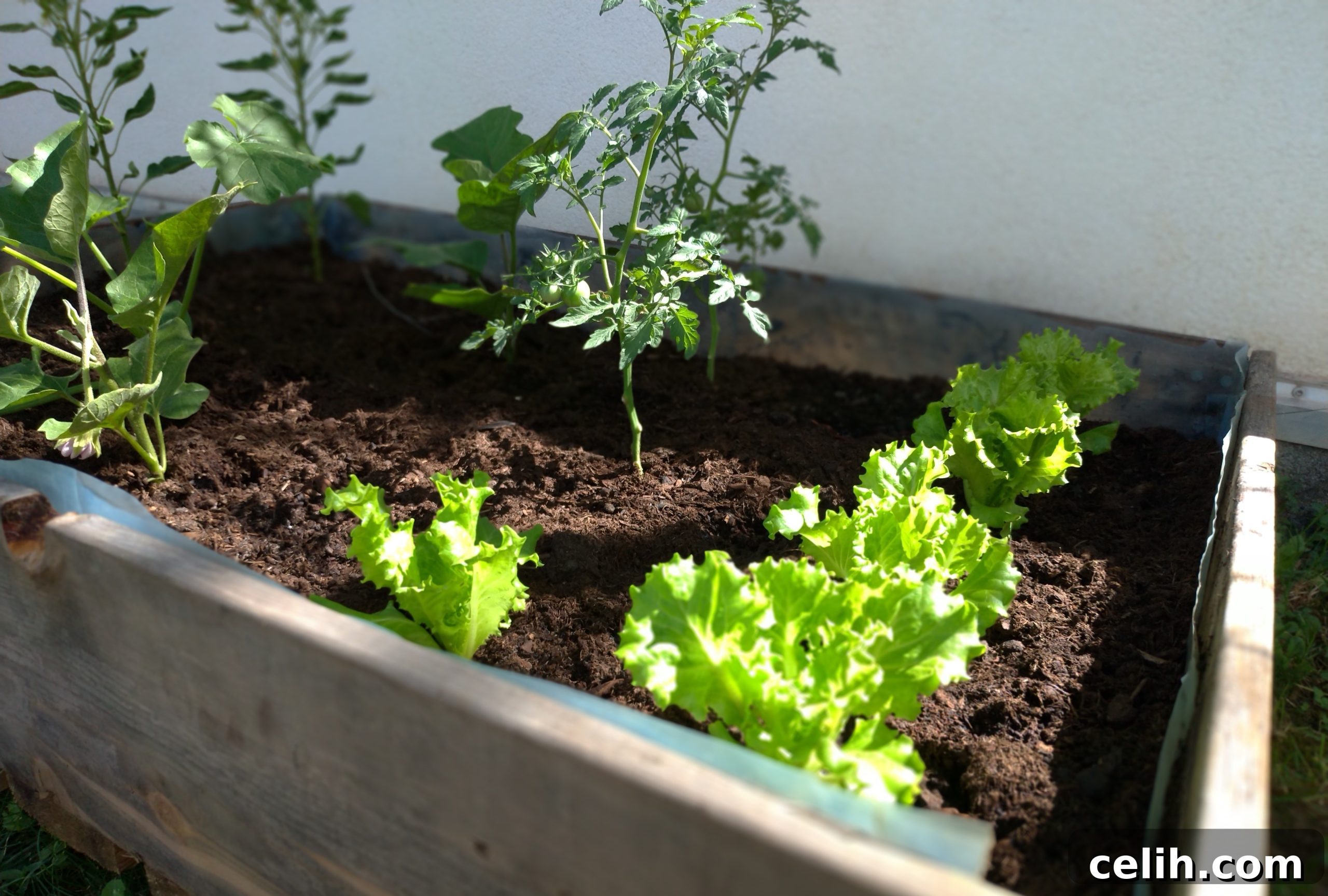
As the vibrant hues of spring transition into the longer, warmer days of summer, many find themselves seeking enriching activities that connect them with the outdoors. While traditional large gardens might seem out of reach for urban dwellers, the burgeoning trend of urban gardening offers a delightful and accessible solution. This isn’t just a fleeting trend; it’s a powerful movement towards sustainable living, mental well-being, and a deeper connection with nature, even within the confines of city life. Imagine stepping onto your balcony or patio and plucking fresh herbs or crisp lettuce you’ve grown yourself. This guide will walk you through the journey of creating your very own functional and flourishing urban garden, transforming small spaces into green oases.
Gardening, in any form, has long been celebrated for its profound positive impact on human well-being. Far beyond being a mere pastime, scientific research consistently highlights its ability to reduce stress, alleviate symptoms of anxiety and depression, and significantly boost mood-regulating hormones. The act of nurturing plants, watching them grow, and harvesting their bounty provides a unique sense of accomplishment and a meditative escape from daily pressures. For those in urban environments, an urban garden can be a vital green anchor, providing much-needed respite and a tangible link to the natural world. It allows you to engage in a rewarding physical activity, breathe fresh air, and cultivate a sense of peace right at home.
Even without sprawling acres, the possibilities for urban gardening are vast and exciting. Utilizing raised beds, an array of pots, hanging baskets, or even vertical planters, you can transform a small balcony, a sunny windowsill, a compact patio, or a rooftop into a productive green space. Beyond the therapeutic benefits, growing your own produce contributes significantly to a more sustainable lifestyle. It reduces your carbon footprint by cutting down on transportation costs associated with store-bought food, minimizes plastic waste from packaging, and provides you with the freshest, healthiest ingredients, free from unknown chemicals. This not only nourishes your body but also fosters a deeper appreciation for where your food comes from. Embracing urban gardening is an investment in your health, your environment, and your personal joy.
Step 1: Unlocking the Power of Sunlight – Your Garden’s Most Vital Ingredient
The foundation of any successful urban garden, regardless of its size, begins with understanding and harnessing sunlight. Plants are solar-powered marvels, and their growth, health, and productivity are directly tied to the amount of light they receive. Before you even think about seeds or soil, take the time to observe your chosen space. Track the sun’s movement throughout the day and identify the spots that receive the most direct sunlight. This might be a bustling balcony, a quiet patio corner, a south-facing windowsill, or even a section of a communal rooftop. Different plants have varying sun requirements, from “full sun” (6+ hours of direct light daily) to “partial shade” (2-4 hours) to “full shade” (less than 2 hours, or indirect light). Matching your plant choices to your available light is paramount for thriving greenery.
Once you’ve mapped out your sunny zones, you can begin selecting your containers. The beauty of urban gardening lies in its flexibility, allowing you to choose from an incredible variety of planters. Raised beds are excellent for creating dedicated growing areas on patios or rooftops, offering good drainage and soil control. For smaller spaces, terracotta pots, plastic containers, fabric grow bags, and window boxes are all fantastic options. Terracotta is breathable and prevents waterlogging, while plastic is lightweight and retains moisture well. Fabric grow bags promote excellent aeration and drainage, preventing root circling. Consider the size of your chosen plants; root vegetables and larger plants will require deeper, wider containers. Whatever your choice, ensure all containers have adequate drainage holes to prevent root rot.
With your containers in place, the next crucial step is selecting the right growing medium. A high-quality potting mix, rather than garden soil, is essential for container gardening. Potting mixes are specifically formulated to provide optimal drainage, aeration, and nutrient retention for plants grown in confined spaces. Look for mixes that are lightweight, sterile, and contain a blend of peat moss, perlite, vermiculite, and compost. This combination offers the perfect environment for roots to establish and plants to flourish. When choosing your seeds or young plants, always read the labels carefully. They will specify the ideal light conditions, watering needs, and spacing requirements. Beginners often find success with easy-to-grow herbs like basil, mint, and chives, leafy greens such as lettuce and spinach, and small vegetables like radishes, bush beans, or cherry tomatoes, all of which adapt well to container life and varied light conditions.
Step 2: Gearing Up for Success – Essential Tools and Attire for the Urban Gardener
While gardening attire may not always be haute couture, dressing appropriately and having the right tools on hand will significantly enhance your experience, making it safer, more comfortable, and ultimately more enjoyable. Think of it as preparing for a friendly battle with soil and weeds, where comfort and protection are your best allies. Investing in a few key pieces of gear will pay dividends in the long run, allowing you to fully immerse yourself in the therapeutic rhythm of tending to your plants without distraction or discomfort.
First and foremost, protect your hands. A good pair of gardening gloves is indispensable, shielding your skin from dirt, thorns, potential irritants, and blisters. Look for gloves that offer a balance of durability and dexterity – some tasks require fine motor skills, while others demand heavy-duty protection. Waterproof gloves are excellent for wet tasks, while breathable fabric gloves are great for general weeding and planting. Next, consider your footwear. Sturdy, closed-toe shoes or boots are essential to protect your feet from dropped tools, sharp objects, or insect bites. If you anticipate frequent watering or working in damp conditions, waterproof boots are an excellent choice. Ensure they are comfortable enough for standing and moving around, as you’ll be spending a fair bit of time on your feet.
Beyond personal protection, a few basic tools will make your urban gardening journey much smoother. A hand trowel is a versatile essential for digging small holes for planting, mixing soil, and transplanting seedlings. A hand cultivator or small fork is perfect for aerating soil and gently removing weeds without disturbing delicate roots. For watering, a watering can with a fine rose attachment provides a gentle shower for seedlings and established plants alike, preventing soil erosion. If your urban garden is larger, such as a balcony or patio, a lightweight hose with an adjustable nozzle might be more efficient. Don’t forget a small pair of pruning shears for deadheading spent flowers, trimming unruly growth, and harvesting herbs or vegetables. These few tools, coupled with comfortable, washable clothing – perhaps old overalls or sturdy trousers and a breathable t-shirt – will equip you for most urban gardening tasks. Remember, your clothes are likely to get dirty, so choose items you don’t mind staining, and ensure they provide adequate coverage from the sun or minor scratches.
Step 3: Nurturing Your Urban Oasis – Consistent Care for Thriving Plants
Once your urban garden is set up, the real joy (and responsibility) begins: consistent care and attention. Plants, much like pets, rely on you for their basic needs. An urban garden requires diligence, as plants in containers have limited access to nutrients and water compared to those in the ground. Developing a routine for watering, feeding, and monitoring your plants is key to their health and your gardening success.
Watering Wisdom
Water is life for your plants, but too much or too little can be detrimental. The frequency and amount of watering depend on several factors: the type of plant, the size and material of the container, the weather, and the potting mix. Generally, container plants dry out faster than garden beds. The best way to check if your plants need water is to feel the soil; stick your finger about an inch or two deep. If it feels dry, it’s time to water. Water until you see it draining from the bottom of the pot, ensuring the entire root ball is moistened. Avoid overhead watering during the hottest part of the day to prevent evaporation and leaf scorch; early morning is usually ideal. In hot weather, some plants might need watering daily, or even twice a day.
Feeding for Flourishing Growth
While a good quality potting mix provides initial nutrients, plants in containers quickly deplete these resources. Regular feeding, typically every 2-4 weeks during the growing season, is essential. Choose a balanced liquid fertilizer or a slow-release granular fertilizer specifically designed for container plants. Organic options like worm castings, compost tea, or fish emulsion can also provide a gentle, steady supply of nutrients. Always follow the manufacturer’s instructions for dilution and application to avoid over-fertilizing, which can burn plant roots. Different plants might have specific nutrient needs; for example, fruiting vegetables like tomatoes benefit from fertilizers higher in phosphorus and potassium when flowering and fruiting.
Pest Patrol and Pruning Perfection
Even in an urban environment, pests can find their way to your green haven. Regularly inspect your plants for any signs of trouble – discolored leaves, tiny holes, sticky residue, or visible insects. Early detection is key. Many common pests can be managed organically with neem oil spray, insecticidal soap, or simply by wiping them off with a damp cloth. Companion planting, such as marigolds to deter nematodes or nasturtiums to attract aphids away from other plants, can also be a natural defense. Pruning is another vital aspect of plant care. Removing dead or yellowing leaves, pinching back leggy growth, and deadheading spent flowers (removing faded blooms) encourages bushier growth, promotes more flowering, and redirects the plant’s energy into producing more fruits or vegetables. Regular harvesting of herbs and leafy greens also stimulates new growth, ensuring a continuous supply.
Ultimately, your urban garden is a canvas for your creativity and a source of continuous learning. What you grow and how you present it is entirely up to your personal preference and the conditions of your space. Don’t be afraid to experiment with different plant varieties, container arrangements, or even vertical gardening solutions. Embrace the process, learn from your successes and failures, and savor the unique connection you build with nature right outside your door. The rewards of nurturing an urban garden – from fresh produce to boosted spirits – are truly immeasurable.