
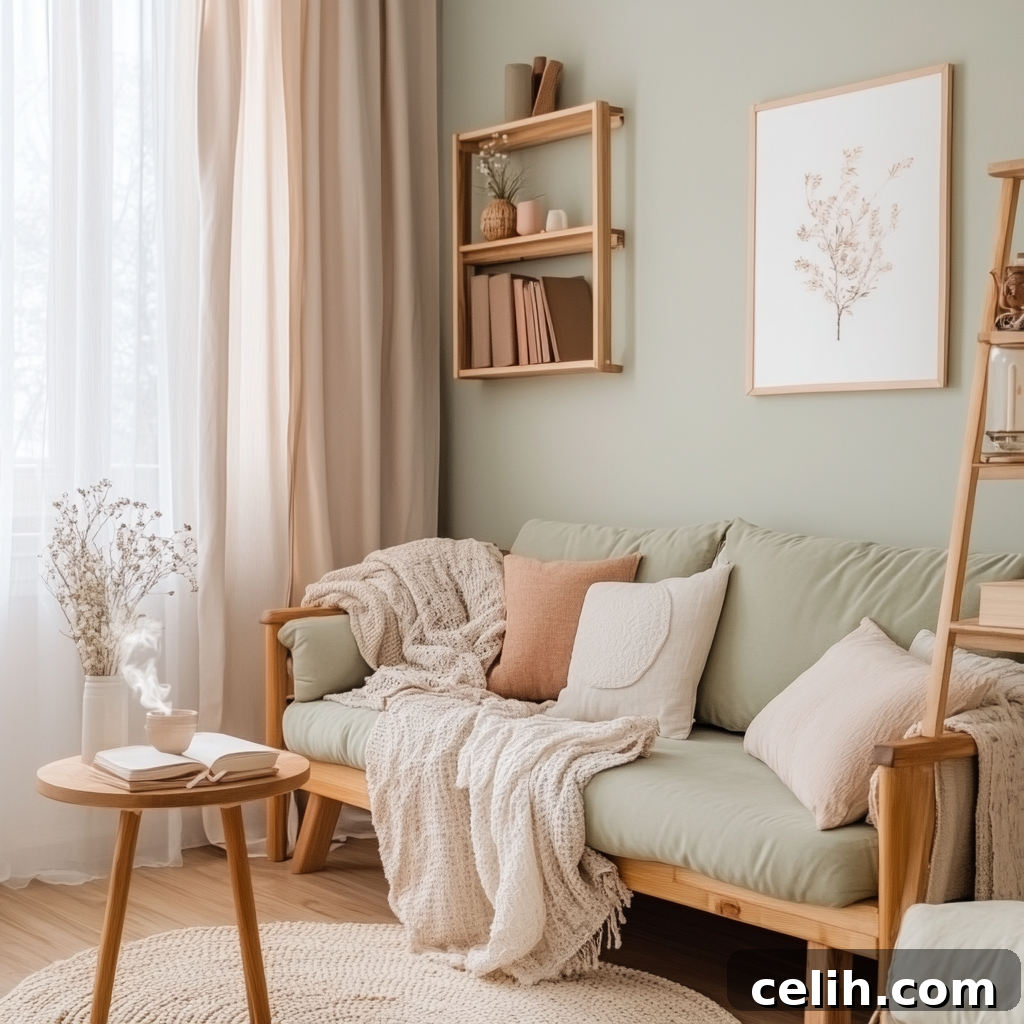
In the whirlwind of modern life, balancing professional demands, family commitments, and an endless stream of digital information, it’s increasingly challenging to find moments of peace. Our homes, often seen as mere functional spaces, hold the untapped potential to be powerful havens of tranquility and restoration. Far too often, they become extensions of our busy lives, filled with clutter, noise, and unfinished tasks, rather than serving as the sanctuaries we desperately need.
But creating a deeply relaxing home doesn’t require a complete overhaul or a hefty budget. Instead, it’s about making intentional, thoughtful adjustments to how you arrange, decorate, and interact with your living environment. Even minor shifts in design and habit can dramatically transform your space, cultivating an atmosphere that actively supports your well-being, reduces stress, and allows you to truly recharge.
This comprehensive guide will walk you through practical, actionable strategies to convert your house into a calm and comfortable retreat. Regardless of your home’s size, architectural style, or current state, these expert tips will empower you to craft a personal oasis that nurtures your mind, body, and spirit.
Why Your Home Should Be Your Ultimate Sanctuary for Well-being
The environments in which we spend our lives profoundly influence our mood, energy levels, and mental clarity. Just as a pristine natural landscape can inspire awe and calm, a thoughtfully designed home can provide consistent psychological and physiological benefits. Conversely, a cluttered, chaotic, or visually overstimulating space can silently trigger feelings of stress, anxiety, and overwhelm. Our brains are constantly processing visual and sensory information, and an environment that is too “loud” can lead to mental fatigue and hinder relaxation.
Consider the places where you instinctively feel most at ease – perhaps a minimalist art gallery, a serene library, a sun-drenched cafe, or a plush hotel room designed for comfort. These spaces share common characteristics: order, thoughtful aesthetics, and a sense of calm that allows your mind and body to unwind. Your home has the potential to offer this same profound sense of comfort and security. By making small, intentional adjustments, you can cultivate an environment that acts as a buffer against the stresses of the outside world, becoming a refuge where you can truly be yourself and replenish your inner resources. Take a moment to reflect: does any corner or room in your current home truly make you feel calm, safe, and utterly at peace? If not, now is the ideal time to embark on the journey of creating one.
Decluttering for Enhanced Mental Clarity and Peace
Clutter is more than just physical mess; it’s mental noise. Piles of forgotten items, overflowing drawers, and jumbled countertops create a constant visual distraction that can subtly elevate stress levels, reduce focus, and even contribute to decision fatigue. The sheer presence of unnecessary items can make a space feel heavy and oppressive, inhibiting a sense of lightness and calm.
Tackling clutter doesn’t have to be an overwhelming task. The key is to start small. Choose one manageable area – perhaps your bedside table, a single kitchen counter, or a cluttered drawer. Approach this process with a mindful question: “Do the items in this space genuinely add value to my life, or are they taking away from it?” The goal isn’t to create an austere, empty home, but rather to mindfully remove those possessions that no longer serve a purpose, bring joy, or contribute to your desired atmosphere. This could mean old magazines, unused gadgets, or decorative items that simply collect dust.
As you clear each small space, you’ll begin to notice an immediate shift. The physical lightness translates into a mental lightness, creating more breathing room for your thoughts and emotions. A decluttered environment reduces visual distractions, making it easier to concentrate, relax, and feel a greater sense of control over your surroundings. This foundational step is crucial for establishing a tranquil home, paving the way for a more organized and mentally spacious existence.
Embrace Soothing Colours for a Calm Atmosphere
The colours you choose for your home wield immense power over its emotional resonance and how a room fundamentally feels. Soft, muted, and earthy tones are universally recognized for their ability to evoke an immediate sense of calm and stability. Consider incorporating shades like gentle greens, which echo nature and promote feelings of renewal; soothing greys, offering a sense of sophisticated serenity; warm beige, providing comforting neutrality; or dusty blues, known for their tranquil, expansive qualities. These palettes are not just aesthetically pleasing; they are psychologically beneficial, promoting comfort and relaxation without overstimulating the senses.
For those who find joy in more vibrant hues, there’s no need to abandon bold colours entirely. The secret lies in strategic application. Reserve your favourite bright tones for smaller, impactful accents such as decorative pillows, a striking piece of artwork, elegant vases, or a curated collection of books. By keeping the largest surfaces – walls, main furniture pieces – in more neutral, calming tones, you create a balanced foundation that allows bolder elements to pop without overwhelming the tranquil ambiance. This approach ensures your space feels vibrant and personal, yet fundamentally peaceful and restorative.
Add Layers of Texture for Depth and Warmth
Texture is a vital, yet often underestimated, element in interior design, capable of transforming a flat, sterile room into a warm, inviting, and deeply comforting sanctuary. It adds visual interest and tactile richness, making a space feel more lived-in and welcoming. By layering different textures, you create depth and complexity, stimulating the senses in a subtle, soothing way.
Imagine the sensory experience of running your hand over a chunky knit throw draped artfully over your sofa, sinking your feet into a plush, soft area rug, or watching delicate linen curtains sway gently in the breeze. These elements don’t just look good; they invite interaction and promote a sense of ease. Beyond fabrics, consider incorporating textures through natural materials like woven baskets, wooden furniture with visible grain, smooth ceramic pottery, or even exposed brick or stone accents. You don’t need to embark on a complete redecoration project; even introducing a few key textured elements can dramatically alter the feel of a room. Think velvet cushions, faux fur rugs, sisal placemats, or a raw wood coffee table. Each added layer contributes to an environment that feels rich, warm, and deeply reassuring, enhancing the overall sense of comfort and luxury within your home.
Transform Your Bedroom into a Restful Oasis
Your bedroom should unequivocally be the ultimate retreat within your home – a dedicated haven for rest, rejuvenation, and intimacy. A common pitfall is allowing this sacred space to become an overflow area for work, exercise equipment, or general clutter. To truly make it a restful sanctuary, it’s paramount to actively remove distractions. This means relocating screens (TVs, laptops, tablets), work documents, and any items that remind you of tasks or responsibilities from your sleeping environment. The bedroom should signal relaxation, not productivity.
Investment in quality bedding is non-negotiable for superior sleep. Opt for comfortable, breathable fabrics like high-thread-count cotton, linen, or bamboo, which regulate temperature and feel luxurious against the skin. Keep the décor simple, soothing, and purposeful. Choose pieces that evoke calm and personal joy, avoiding anything overly stimulating or busy. Lighting plays a crucial role: ditch harsh overhead lights in favour of soft, ambient lamps with warm-toned bulbs and dimmer switches. This helps your body naturally wind down, signalling that it’s time to transition from activity to rest. Furthermore, integrating blackout blinds or heavy curtains is essential for creating a dark, truly restful environment, blocking out external light pollution and supporting a healthy circadian rhythm for deeper, more restorative sleep. Establishing this balance of light and privacy seamlessly leads us to the next crucial design element.
Mastering the Balance of Light and Privacy
The interplay of natural light and privacy is a delicate yet powerful factor in transforming a house into a home. Without careful consideration, a space can feel either harshly exposed and unwelcoming or overly dark and confined. Achieving the right balance creates an environment that feels both open and expansive when desired, and secure and cosy when needed. This is precisely where a specialist company like SoEasy Blinds excels, offering elegant and functional solutions to enhance your living experience.
Their extensive range of stylish window treatments provides homeowners with unparalleled control over the influx of natural light, allowing you to filter, diffuse, or block it entirely. Beyond light management, their products are instrumental in safeguarding your privacy, ensuring your home remains a secluded haven. Whether your aesthetic leans towards the soft, flowing elegance of fabric Roman blinds, the sleek, modern lines of roller blinds, or the timeless sophistication and robust privacy of wooden shutters, SoEasy Blinds offers diverse options to complement any interior design. Their bespoke solutions make it effortless to create an environment that feels both expansive and airy during the day, yet intimately private and secure during the evenings. This seemingly small but profoundly impactful change significantly elevates comfort levels, allowing you to feel completely at ease and truly “at home” in your personal sanctuary. Thoughtfully selected window coverings are an investment in your home’s ambiance, functionality, and your overall sense of well-being.
Engage Your Senses with Calming Scents
Scent is arguably the most overlooked sense in home design, yet it possesses an extraordinary power to influence mood, evoke memories, and create an immediate sense of calm or energy. Integrating appealing aromas through aromatherapy, essential oil diffusers, high-quality candles, or natural elements can profoundly transform how you experience your living space, making it feel more inviting and serene.
Certain scents are particularly renowned for their relaxing properties. Lavender, with its floral and herbaceous notes, is a classic choice for promoting relaxation and aiding sleep, making it ideal for bedrooms. Eucalyptus offers a refreshing, clearing aroma that can invigorate the mind and body. Vanilla, with its warm and sweet profile, evokes feelings of comfort, nostalgia, and cosiness. Other soothing options include sandalwood for grounding, chamomile for tranquility, or gentle citrus notes like bergamot for uplifting yet calming effects. Begin by identifying one or two scents that genuinely resonate with you and incorporate them into your daily routines. Perhaps a lavender or frankincense diffusion in the bedroom during your evening wind-down, a warm vanilla or cedarwood candle flickering in the living room during a quiet afternoon, or a subtle cypress diffuser in your entryway to greet you with a sense of peace. Always opt for natural waxes like soy or beeswax for candles to avoid harmful toxins, and ensure essential oils are therapeutic grade. Thoughtfully chosen scents add an invisible, yet deeply impactful, dimension to your home sanctuary.
Bring Nature Inside: The Power of Biophilic Design
Even if you don’t possess a naturally “green thumb,” inviting elements of nature into your home can dramatically enhance its atmosphere. The concept of biophilic design, which connects humans with nature within built environments, has been scientifically proven to reduce stress, improve cognitive function, and foster a greater sense of well-being. Houseplants, in particular, are powerful tools for this transformation, reducing indoor air pollutants, regulating humidity, and providing a vibrant touch of the outdoors.
You don’t need to cultivate an indoor jungle. Many popular houseplants are remarkably low-maintenance, thriving indoors with minimal care. Consider resilient options like snake plants (Sansevieria), which tolerate low light and infrequent watering; peace lilies (Spathiphyllum), known for their elegant white blooms and air-purifying qualities; or ZZ plants (Zamioculcas zamiifolia), which are incredibly hardy and drought-tolerant. If caring for live plants still feels daunting, high-quality artificial plants have advanced significantly and can still provide the calming visual benefits of lush greenery without the maintenance. Beyond potted plants, incorporate other natural elements: a bowl of polished river stones, a decorative piece of driftwood, fresh flowers from your garden, or even artwork depicting natural landscapes. Maximizing natural light exposure through clean windows also helps forge this vital connection to the outside world, making your home feel more alive and serene.
Create Personal Retreat Corners for Mindful Moments
While a dedicated meditation room or an elaborate spa bathroom might seem like an unreachable luxury, you can effortlessly carve out small pockets of profound calm within your existing home. These “retreat corners” serve as gentle reminders to pause, breathe, and engage in mindful moments throughout your day, fostering a deeper connection to your self and your space.
Think creatively about underutilized areas. It could be a cosy armchair nestled by a window, adorned with a soft blanket and a stack of your favourite books, inviting you for an afternoon read. Perhaps a bathroom shelf, lovingly stocked with fragrant bath salts, an aromatic candle, and a fluffy towel, transforms into an invitation for a relaxing soak. A simple cushion on the floor near a plant with a set of headphones for guided meditation can become your personal mindful sanctuary. The key is to define these spaces with intention: use a small area rug to demarcate the zone, add specific lighting like a dimmable floor lamp, and fill it with objects that specifically contribute to relaxation – a journal, a favourite mug, a small piece of calming artwork. These thoughtfully curated corners are not just decorative; they are functional touchpoints for self-care, encouraging you to slow down and find moments of peace amid daily routines, making your entire home feel more supportive and nurturing.
Reduce Unwanted Noise for Greater Tranquility
Just as visual clutter can disrupt mental clarity, unwanted noise can shatter peace and make true relaxation impossible. Our homes are often subject to a cacophony of sounds, both external (traffic, neighbours, construction) and internal (appliances, echoing spaces, household activities). Addressing noise pollution is crucial for creating a truly serene home sanctuary.
Start by identifying sources of noise and explore solutions. Heavy, thick rugs and wall-to-wall carpeting are excellent for absorbing sound, particularly in rooms with hard flooring. Similarly, upholstered furniture, such as sofas and armchairs, and dense, heavy curtains or drapes can significantly dampen echoes and external noise by absorbing sound waves. For persistent external noise, consider upgrading to double-glazed windows, or even exploring acoustic panels disguised as stylish artwork, which can be surprisingly effective in soundproofing a room without sacrificing aesthetics. If your home is situated in a particularly noisy area, or if you simply crave a deeper layer of calm, investing in a white noise machine can be highly beneficial. These devices generate consistent, unobtrusive background sounds that mask distracting noises. Alternatively, playing gentle instrumental music, ambient soundscapes, or nature sounds (like rain or ocean waves) can create a soothing audio environment, helping your brain to relax and creating an immersive sense of tranquility that supports focus and rest.
Make It Personal: Infuse Your Unique Story
Above all, your home sanctuary should be a deeply personal reflection of who you are, what you love, and what brings you genuine comfort and joy. A truly relaxing home isn’t about replicating showroom aesthetics or following the latest design trends; it’s about crafting a space that feels authentic, meaningful, and uniquely “you.”
This means consciously choosing to include objects that spark happiness, evoke cherished memories, or provide a sense of belonging. Whether it’s a collection of well-loved books, a gallery wall filled with favourite photographs of family and friends, a piece of artwork that speaks to your soul, or an heirloom passed down through generations, these personal touches imbue your space with warmth and character. Decorate with intention, selecting pieces not just for their aesthetic appeal, but for the feelings they inspire. Avoid the temptation to fill your home with generic items; instead, curate a collection that tells your story. When your environment reflects your personality and values, it fosters a profound sense of groundedness and connection, transforming your house from a mere dwelling into a soulful haven where you can truly thrive and feel at peace.
Embrace Slow Living and Mindful Presence at Home
Creating a truly relaxing home oasis extends far beyond mere aesthetics; it’s fundamentally about how you experience and interact with your space. The philosophy of slow living encourages you to be fully present and mindful within your home, transforming everyday routines into meaningful rituals that nourish your spirit rather than simply rushing through tasks.
This mindset invites you to savour small, simple pleasures. It could be the deliberate act of brewing a perfect cup of tea or coffee, taking time to appreciate its aroma and warmth before the day begins. It might involve mindfully tending to your houseplants, observing their growth and connecting with nature. Or perhaps it’s dedicating a specific block of time to sit quietly with a physical book, away from digital distractions, fully immersing yourself in its pages. You can integrate this intentional approach into various aspects of your daily life: prepare and enjoy meals without multitasking, truly tasting and appreciating your food. Open a window for a few minutes each day to let in fresh air and listen to the sounds of your environment, fostering a connection with the world outside. Craft a calm morning routine to gently ease into your day, or a soothing evening ritual to signal your body it’s time to unwind. When you intentionally slow down and cultivate mindful moments in your home, even the simplest spaces can feel like profound personal retreats. This transformative approach reminds us that our home is not just a place for chores and obligations; it is a vital space for nurturing ourselves, recharging our energy, and cultivating lasting peace.
Conclusion: Cultivating Your Personal Home Sanctuary
Transforming your home into a relaxing oasis is less about chasing trends or acquiring new possessions, and more about making thoughtful, intentional changes that resonate with your inner sense of calm. Begin by decluttering your physical surroundings to clear mental space, then soften your rooms with carefully chosen natural textures and soothing colour palettes. Leverage the power of strategic lighting and calming scents to create an environment that nurtures your senses and supports your well-being. Don’t forget to invite the restorative energy of nature indoors with plants, and designate specific quiet corners where you can retreat, reflect, and recharge.
As a practical step towards achieving optimal comfort and privacy, consider upgrading your window treatments. Quality blinds from experts like SoEasy Blinds offer the perfect solution, allowing you to master the balance of natural light and seclusion throughout your home. This seemingly small adjustment can dramatically enhance the security and cosiness of your space, making it an ideal haven for rest and relaxation.
Your home should be a fundamental pillar of your well-being, an active antidote to daily stresses, rather than an additional source of anxiety. Start with one manageable change today, and gradually build upon it over time. Each intentional shift, no matter how minor, contributes to the profound transformation of your living space into a true sanctuary – a place that warmly invites you to slow down, take a deep breath, and experience a profound sense of peace within your own four walls.