
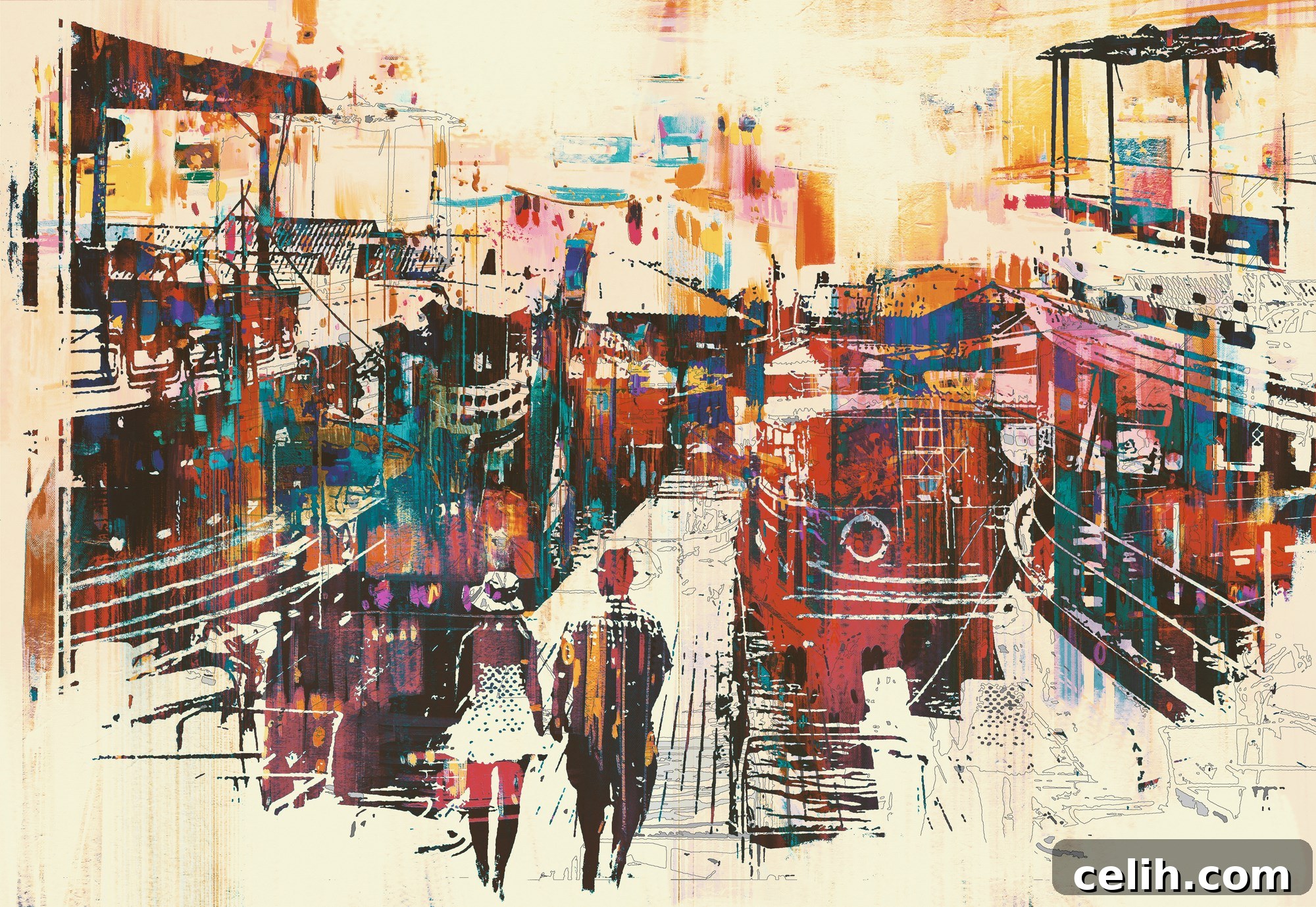
Contrary to popular belief, engaging with the world of art doesn’t require an exorbitant budget or a quest for masterpieces by legendary artists like Picasso or Da Vinci. The joy and fulfillment of collecting art are accessible to everyone, making it possible to curate a stunning collection that truly resonates with you, all while adhering to a modest financial plan. Collecting artwork is a deeply personal and rewarding journey that can be successfully embarked upon regardless of the size of your wallet.
For many, an art collection serves as a profound expression of wealth, wisdom, or personal identity. Certain portraits or abstract pieces can hold immense sentimental value, acting as a mirror to one’s soul or encapsulating long-cherished feelings. Aspiring art collectors often find themselves at a crossroads, pondering how to cultivate an extensive collection when perhaps a single, powerful piece already perfectly summarizes their deepest yearnings and aesthetic desires. The path to building a meaningful art collection is not about quantity or price, but about connection and passion.
Unveiling the Foundations: Elements of Growing an Art Collection
Cultivating a rich and diverse art collection necessitates an appreciation for the intrinsic value of an original piece. However, the true essence of selecting an original artwork transcends conventional criteria. A collector’s choice should primarily be guided by their personal priorities and emotional response, rather than being dictated by the price tag, the artist’s renown, or geographical location. The ultimate measure of an artwork’s worth lies in the daily joy, inspiration, and contemplation it brings to the collector. The profound wisdom embedded in art is intended to transform lives, particularly those who deeply connect with and safeguard the artwork’s original intention and spirit.
The journey to grow your collection of original art has never been more accessible. Online platforms such as Saatchi Art offer an expansive universe of artwork to explore, allowing you to meticulously filter by subject, style, or price range, thereby simplifying the discovery process. A common pitfall many aspiring collectors encounter is a tendency to distrust their own aesthetic sensibilities, leading them to purchase pieces based solely on an artist’s name or perceived market value, rather than genuine admiration and personal connection. Developing an art collection should be an intimate reflection of your unique taste and perspective.
It’s remarkably easy to dismiss certain artworks prematurely, especially if they challenge your preconceived notions or venture beyond your comfort zone. However, seasoned art collectors embody a different approach. They refrain from hasty judgments, instead dedicating ample time to truly familiarize themselves with a piece. This process often involves engaging in thoughtful discussions with fellow enthusiasts, knowledgeable observers, or even the artists themselves. They meticulously take notes of the lingering impressions and evolving notions that persist long after the initial viewing, allowing a deeper understanding and appreciation to develop. This thoughtful engagement is crucial for making informed and personally resonant acquisitions.
Building a successful art collection begins with defining your personal taste. Take time to explore various art movements, styles, and mediums. Visit local galleries, museums, and art fairs. Browse online art marketplaces extensively, noting what consistently catches your eye and evokes an emotional response. Don’t be swayed by trends or what others deem “important.” Your collection should be a narrative of your own journey, reflecting what moves and inspires you. Consider starting with limited edition prints or works by emerging artists if you’re on a tighter budget; these can be excellent entry points into the art market without compromising on aesthetic quality or artistic integrity.
Budgeting for art is another critical step. Art collecting doesn’t have to be a lavish affair. Set a realistic budget, and stick to it. Explore options like art rentals, student art shows, or local artist cooperatives where prices are often more approachable. Many artists offer payment plans, making larger pieces more attainable. Remember, the value of art isn’t solely monetary; its true worth lies in the enrichment it brings to your life and environment. Researching artists, their backgrounds, and their artistic statements can deepen your connection to a piece and ensure it aligns with your collecting philosophy.
The Profound Resonance: The Essence of Having an Art Collection
An art collector must meticulously consider two paramount factors when curating their collection. Firstly, paramount is the inherent message or the lasting impression that a piece of art imprints upon its intended audience. Art, at its core, is a form of communication, a silent dialogue between the creator and the viewer. It has the power to tell stories, evoke powerful emotions, challenge perceptions, or simply offer a moment of tranquil beauty. A truly impactful artwork sparks conversation, invites contemplation, and leaves an indelible mark on the soul, long after the initial viewing.
Secondly, the innovative or technical advances harnessed to create a magnificent piece represent another crucial factor for consideration before making any purchase. This encompasses the artist’s mastery of their medium, their unique techniques, and their creative approach to material and form. Whether it’s the intricate brushwork of a painter, the meticulous carving of a sculptor, the innovative use of digital media, or the groundbreaking conceptual framework of an installation artist, the craftsmanship and intellectual ingenuity behind a work significantly contribute to its overall appeal and enduring value. Understanding the artist’s process can deepen your appreciation for the final product and its place within the broader art historical context.
In recent years, an increasing number of burgeoning collectors have strategically turned their attention towards emerging artists. This trend is driven by several compelling advantages: artworks by emerging talents are often less costly, making them more accessible for those building a collection on a budget. Furthermore, their themes and styles are frequently more relevant and resonant with contemporary society, reflecting current trends, social commentaries, and innovative artistic directions. Investing in emerging artists not only allows collectors to acquire unique and meaningful pieces but also provides crucial support to artists at a pivotal stage of their careers, fostering creativity and innovation within the art community.
Regardless of an artist’s status, it is always of the essence to prioritize quality. Pieces of art that are in excellent condition, thoughtfully executed, and demonstrate artistic integrity are consistently more desirable. Quality extends beyond mere aesthetics; it encompasses the durability of materials, the stability of the medium, and the overall state of preservation. A well-cared-for piece maintains its visual appeal and potential long-term value. Therefore, when evaluating potential acquisitions, always inspect for any damage, restoration, or signs of deterioration, and inquire about its provenance—the history of ownership—as this can significantly impact its authenticity and value.
Beyond individual pieces, the essence of an art collection also lies in how the works interact with each other and with your living space. A cohesive collection doesn’t necessarily mean all pieces must be in the same style or by the same artist. Instead, it implies a thematic or aesthetic thread that connects them, creating a harmonious dialogue. This could be a shared color palette, a consistent subject matter, a particular mood, or even contrasting styles that somehow complement each other. Curating your collection is an ongoing creative process that transforms your environment into a reflection of your personality and passions.
Living with art is a profound experience that enriches daily life. Each piece in your collection serves as a window to a different perspective, a source of inspiration, or a calm presence. It transforms a house into a home, imbuing spaces with character, history, and a unique atmosphere. The joy derived from art collecting is not just in the acquisition, but in the continuous engagement and contemplation it offers. It’s about building a legacy of beauty, thought, and personal expression that can be appreciated for generations.
In conclusion, collecting art is an accessible and deeply fulfilling endeavor that goes far beyond financial investment. It’s about personal discovery, supporting artistic talent, and creating environments that inspire and uplift. By trusting your instincts, doing your research, and valuing authenticity and quality, you can embark on a rewarding journey that enriches your life and contributes to the vibrant world of art.