
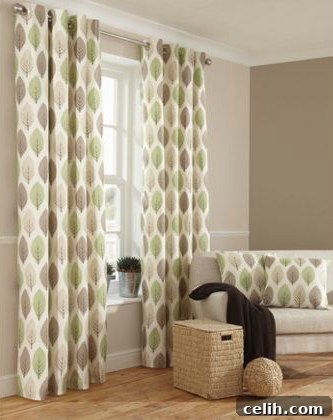
Transforming the atmosphere and energy efficiency of your home can be as simple as updating your window treatments. A new pair of curtains doesn’t just refresh your decor with new colours, styles, or designs; it also plays a crucial role in maintaining a comfortable indoor temperature and reducing energy bills. Windows are notorious for being significant points of heat loss in any building, even when closed. Tiny gaps in frames, seals, or even the glass itself can allow warm air to escape during colder months, and cool air to leak out in summer. This continuous loss forces your heating system to work harder, leading to higher energy consumption and an unnecessarily chilly environment.
During seasons when central heating is essential or a cosy log burner is ablaze, there’s nothing more frustrating than paying for warmth that simply dissipates. Investing in effective window insulation is not just about comfort; it’s a smart financial decision that contributes to a more sustainable home. Curtains, when chosen and installed correctly, offer an elegant and highly effective solution to combat heat loss. They act as a vital barrier, trapping warm air within the room and preventing cold drafts from entering. This comprehensive guide will explore top strategies for selecting and utilising curtains to maximise heat retention, ensuring your home remains snug and energy-efficient all year round.
Strategic Measurement for Optimal Insulation and Aesthetics
The foundation of effective heat-retaining curtains lies in precise measurement. Getting your measurements right is paramount, not only for the aesthetic appeal of your window coverings but, more critically, for their ability to provide superior draught-proofing and insulation. Curtains that are ill-fitting – perhaps too short, too narrow, or failing to meet properly in the middle – will leave gaps that allow precious heat to escape and cold air to infiltrate. Such imperfections compromise the “cosy potential” of your living space, rendering your efforts less effective.
To ensure your curtains deliver optimal insulation and contribute effectively to your home’s energy efficiency, follow these detailed measurement guidelines carefully:
- Width Calculation: Begin by measuring the exact width of your window frame, from one outer edge to the other. For optimal thermal insulation and a grander appearance, your curtain pole or track should extend at least 6-12 inches (15-30 cm) beyond the window frame on each side. This allows the curtains to be fully drawn back, maximising natural light during the day, and more importantly, to completely cover and overlap the window area when closed, creating an effective seal against drafts. When determining the fabric width required, aim for 1.5 to 2.5 times the total length of your pole or track. This generous fullness ensures an attractive drape with ample gathers and pleats, which provides additional fabric volume to trap air and enhance insulation.
- Length Determination: Decide on the desired length of your curtains by measuring from the top of your curtain pole or track down to your chosen finishing point. There are several popular lengths, each with different implications for insulation:
- Sill Length: Curtains that end just above the windowsill (about 1/2 inch or 1.25 cm) offer a neat and practical look, particularly suitable for kitchens or areas where you need clear access to the sill. However, this style is generally less effective for insulation as it leaves a gap beneath the curtain, allowing for potential heat loss.
- Below Sill Length: Extending curtains 4-6 inches (10-15 cm) below the windowsill offers improved insulation compared to sill length, as it covers more of the wall and creates a better barrier against drafts, while still maintaining a tidy appearance.
- Floor Length: This is arguably the most common and energy-efficient option for most rooms. Floor-length curtains should hover approximately 1/2 inch (1.25 cm) above the floor. This precise length creates a good seal against drafts without collecting excessive dust or obstructing movement.
- Puddled Length: For a luxurious, opulent look and maximum insulation effect, allow your curtains to “puddle” on the floor by adding an extra 2-6 inches (5-15 cm) to the floor length measurement. This style creates a lavish aesthetic and forms the tightest possible seal at the bottom, effectively preventing drafts from entering the room.
- Curtain Pole/Track Placement: Install your curtain pole or track at least 4-6 inches (10-15 cm) above the top of your window frame. Mounting it higher not only makes the room feel taller and more spacious but also allows more natural light to enter when the curtains are open, as they won’t obscure the top of the window. For maximum insulation, aim to position the pole as close to the ceiling as aesthetically pleasing, particularly for floor-length curtains.
- Ensuring a Tight Seal: If you are using two curtain panels, ensure they have sufficient overlap in the middle when closed. A magnetic closure or a simple hook and eye can be used to keep them tightly sealed, eliminating the central gap where heat can easily escape. Additionally, consider wrapping your curtains around the ends of the pole or using “return” curtain rods that curve back towards the wall. This helps to seal off the sides of the window, preventing drafts from escaping or entering around the edges.
For more detailed assistance and visual guides on precise measuring and hanging techniques for optimum thermal performance, consider consulting reputable online resources or manufacturers’ guides, such as this useful guide, to ensure your thermal curtains function at their best.
Selecting Warm and Insulating Fabrics for Energy-Efficient Curtains
The choice of fabric is a primary determinant of a curtain’s ability to retain heat and significantly contribute to a cosy home environment. When choosing curtains specifically for draught prevention and superior insulation, opting for products made from thicker, denser, and warmer materials is a wise investment. These carefully selected fabrics act as a formidable barrier against the cold outside, effectively trapping warm air within your room and preventing its escape, thereby contributing to a snugger, more inviting atmosphere during the chilly months and enhancing your home’s overall thermal efficiency.
Consider the following fabric types for their exceptional insulating properties, which make them ideal thermal curtains:
- Velvet: Universally admired for its luxurious look and plush feel, velvet is exceptionally thick and dense, making it an outstanding insulator. Its characteristic pile effectively traps air, significantly preventing heat transfer and offering a rich, warm aesthetic that immediately elevates any room. Velvet curtains are a top choice for elegant thermal solutions.
- Wool and Wool Blends: Natural wool curtains, or high-quality blends with a substantial wool content, provide excellent thermal insulation. Wool fibres are naturally crimped, creating countless tiny air pockets that efficiently trap heat. They are also remarkably durable, inherently fire-resistant, and add a rustic, homely charm and sophisticated texture to your decor.
- Heavy Cotton or Linen Blends: While lighter cottons can be quite breathable, a heavy-weight cotton or linen blend, especially those featuring a tight, dense weave, can offer surprising insulation. Look for thicker varieties specifically designed for drapery, often described as ‘duck canvas’ or ‘heavy twill’, which possess a robust structure ideal for blocking drafts.
- Faux Suede or Faux Silk with Thermal Backing: Many advanced synthetic fabrics are meticulously engineered with integrated thermal properties. Faux suede or faux silk can offer a sophisticated, often opulent look while their inherent density or cleverly integrated thermal backing significantly enhances their insulating capabilities, providing both style and substance.
- Thermal-Backed Fabrics: For a convenient all-in-one energy-saving solution, many curtains come with a pre-attached thermal lining. This lining is often a dense acrylic foam layer or a heavy felt material, specifically engineered to block cold air and retain warmth within the room. These thermal-backed curtains are designed for maximum efficiency with minimal effort.
Beyond the specific fabric type, the weave density plays a crucial role. A tightly woven fabric, even if not exceptionally thick, will prove far more effective at blocking drafts and preventing air infiltration than a thick but loosely woven material. Always inspect the weave closely to ensure minimal gaps that could compromise insulation. While a warm colour can undoubtedly enhance the visual perception of warmth and cosiness, do not despair if your heart is set on a lighter or cooler shade. The true insulating power primarily stems from the material’s inherent thermal properties and meticulous construction, which can always be significantly enhanced with the right curtain linings, as we will explore in the next section.
Enhancing Warmth with Thermal and Blackout Curtain Linings
Even if the curtains you choose aren’t inherently thick, or if you simply wish to supercharge their insulating capabilities, adding a thermal lining is an incredibly effective and highly recommended solution. Curtain linings are an unsung hero in home insulation, providing an essential extra layer of defence against the elements and significantly boosting your home’s energy efficiency. They are particularly beneficial if you have single-pane windows, older, less-efficient double glazing, or simply want to maximize heat retention and reduce energy bills.
There are several types of curtain linings, each offering distinct advantages for enhancing comfort and insulation:
- Thermal Linings: Specifically engineered for insulation, these linings typically feature a layer of dense acrylic foam, heavy fleece, or specially woven material. They create a robust thermal barrier that effectively traps warm air within the room during colder months, preventing it from escaping. Conversely, in summer, they help block excessive heat from entering, making them an excellent dual-action, all-year-round investment for maintaining a consistent indoor temperature.
- Blackout Linings: While primarily renowned for their ability to block out light completely, blackout linings are often constructed from dense, tightly woven fabrics that also offer excellent thermal properties. They can be a fantastic choice if you require both superior light control (ideal for bedrooms, nurseries, or media rooms) and improved insulation, contributing to both comfort and energy savings.
- Interlinings: These represent a more sophisticated approach to curtain lining, often found in high-end, custom-made drapery. An interlining is an additional layer of fabric, typically flannel or heavy cotton, sewn discreetly between the main curtain fabric and the decorative face lining. Interlining adds significant body, weight, and a luxurious fullness to curtains, dramatically enhancing their drape, and most importantly, providing superior insulation and effective sound dampening without altering the visual appeal of the main fabric.
The installation of linings can vary depending on your existing curtains and preferences. Many ready-made thermal curtains or blackout curtains come with integrated linings. However, if you already own curtains or prefer a custom approach, you can easily purchase separate clip-on or sew-in thermal linings. Clip-on linings, in particular, offer remarkable versatility, allowing you to effortlessly attach or detach them as seasons change. This means you can enjoy the full insulating power during the colder winter months and then switch to lighter, unlined curtains or remove the linings entirely during warmer periods, allowing for maximum airflow and natural light when desired.
Beyond insulation, linings offer several additional advantages. They significantly protect your main curtain fabric from harsh sun damage, which can cause fading and degradation, thus extending its lifespan. They also add body and structure to lighter fabrics, improving their drape and overall luxurious appearance. By strategically incorporating thermal, blackout, or interlinings, you can transform almost any curtain into a powerful and aesthetically pleasing tool for energy saving and year-round comfort. This relatively simple addition can make a profound difference in maintaining a consistent indoor temperature and substantially reducing your heating and cooling costs.
Expanding Beyond Windows: The Strategic Power of Door Curtains
While curtains are primarily associated with windows, their exceptional insulating and draught-proofing capabilities should by no means be limited to them. If you frequently detect a cold draught creeping in under or around a door, particularly an external door or one leading to a colder, less-heated area like a hallway, porch, utility room, or even an unused room, then strategically adding a door curtain can be a surprisingly effective and often overlooked solution. Often referred to as portieres, door curtains can significantly enhance the warmth, comfort, and energy efficiency of your living space.
The concept of a door curtain is straightforward yet highly impactful: all you need is a sturdy curtain rail or pole installed securely above the door frame on which to hang the curtain. For most standard single doors, a single, generously sized curtain panel will perform the job perfectly. It is crucial to ensure that the curtain extends wide enough to completely cover the entire door frame, including any small gaps or cracks around the edges, and long enough to reach the floor, or even puddle slightly. This creates a tight, continuous seal against drafts, preventing cold air from infiltrating and warm air from escaping.
Consider the following practical aspects for implementing effective door curtains:
- Optimal Material Choice: Just as with window curtains, the choice of fabric is paramount. Opt for heavy, thermally efficient materials such as luxurious velvet, dense wool, or robustly lined options. The denser and heavier the fabric, the more effectively it will block cold air, reduce heat transfer, and muffle sound, contributing to a quieter and warmer environment.
- Strategic Installation Height: Position the curtain rail high enough to allow the curtain to clear the top of the door frame comfortably and to create a seamless, floor-to-ceiling flow. For maximum thermal benefit, the rail should be installed as close to the ceiling as practically possible, ensuring the curtain covers the entire door opening.
- Seasonal Flexibility: A significant advantage of door curtains is their inherent flexibility. You are not obligated to keep heavy thermal door curtains in place all year round. During the warmer spring and summer months, you can easily take the heavy curtain down and store it, or replace it with a lighter voile or sheer curtain for aesthetic appeal, allowing light and air to pass through freely while still maintaining a decorative element.
- Solutions for French Doors and Patio Doors: For larger openings like French doors or sliding patio doors, which often represent significant sources of heat loss due to their expansive glass surface area and potential for seal degradation, a single large curtain or a pair of curtains that can be drawn across the entire opening can provide crucial insulation. Ensure these curtains also extend beyond the frame and reach the floor for maximum thermal benefit.
By extending your curtain strategy to include doors, you effectively create an additional robust barrier against drafts and heat transfer, significantly enhancing your home’s overall thermal envelope. This often-overlooked addition can make a considerable and immediate difference in maintaining a stable indoor temperature, reducing your heating bills, and increasing comfort, especially in older homes or properties with less efficient door seals.
Accessories to Elevate Your Living Room’s Cosiness and Warmth
Beyond the highly practical benefits of insulating curtains and effective draught-proofing, there are numerous other delightful ways to infuse your home with warmth and make spaces like the living room feel incredibly inviting and profoundly cosy, especially as the colder seasons draw in. Thoughtfully selected home accessories can seamlessly tie a room’s design together, add layers of appealing texture, and profoundly amplify the sensation of warmth and comfort, transforming your living space into a true sanctuary from the outside chill.
Consider these simple yet highly effective additions to elevate your living room’s cosiness:
- Luxurious Throws and Blankets: A carefully chosen throw or two, artfully draped over a sofa, armchair, or even the foot of a bed, instantly invites snuggling and relaxation. Opt for materials like sumptuously soft wool, opulent faux fur, charming chunky knits, or cosy fleece. These not only provide actual physical warmth when you curl up on a chilly evening but also add invaluable visual texture, depth, and a sense of plush, inviting comfort to your seating arrangements. Strategically placed, they effortlessly transform ordinary furniture into cosy, personal havens.
- Decorative Cushions: Cushions, when chosen with intent, can instantly change the mood and perceived warmth of a room. Opt for cushions in rich, warm colours such such as deep reds, inviting burnt oranges, earthy browns, or sophisticated forest greens. Velvets, knitted textures, and faux fur cushions add a tactile warmth and an extra layer of comfort to both sofas and chairs, making them more appealing.
- Ambient and Warm Lighting: While candles undoubtedly add a soft, flickering glow and a romantic ambiance, consider the broader impact of your room’s lighting scheme. Opt for lamps with warmer colour temperatures (typically around 2700K-3000K) to create a softer, more inviting, and mellow illumination compared to harsh, cool white lights. Strategically placed floor and table lamps can create intimate pockets of light, enhancing a sense of intimacy and overall cosiness. Dimmer switches are also excellent for adjusting the mood.
- Insulating Area Rugs: Especially crucial on hard flooring surfaces like wood, tile, or laminate, an area rug adds a significant and invaluable layer of insulation underfoot, preventing heat loss through the floor and immediately making the room feel noticeably warmer. Furthermore, rugs absorb sound, contributing to a quieter, more peaceful atmosphere, and introduce appealing colour, pattern, and texture that can visually anchor a seating area.
- Strategic Furniture Placement: Thoughtfully arrange your furniture to encourage intimacy and warmth. Pull sofas and armchairs slightly away from cold exterior walls and closer to each other, creating a conversational grouping around a focal point like a fireplace, a captivating piece of art, or a central coffee table. This arrangement naturally feels more inclusive, intimate, and warm.
- Scented Candles and Diffusers: Beyond their captivating visual warmth, high-quality scented candles or elegant diffusers can fill a room with comforting and inviting aromas. Fragrances like vanilla, cinnamon, sandalwood, pine, or spiced apple can further enhance the cosy atmosphere through delightful olfactory senses, creating a multi-sensory experience of warmth.
- Incorporating Natural Elements: Introduce elements like polished wooden accents, finely woven baskets, or even strategically placed indoor plants. These natural elements bring a touch of the outdoors indoors, adding freshness, texture, and a grounding, serene feel that significantly contributes to a welcoming and calming environment.
By artfully combining highly effective curtain strategies with these thoughtful and tactile accessory choices, you can create a truly multi-sensory and deeply comforting experience of warmth throughout your entire home, transforming it into a cherished retreat and a true sanctuary during the colder months.
Here are a few suitably apt accessories from the range at Homebase that will enable you to do just that. Best of all, they’re all priced at £25 and under, making a cosy upgrade accessible and affordable:
1. Cosy cushion, £7.99
2. Glass and metal tealight holder, large £4.99, small £2.99
3. Red chenille throw, £22.49
4. Tweed and velvet trim throw – £24.99
5. Stag print gold candle, £4.99
6. Pritchard patchwork dog cushion – £9.99