
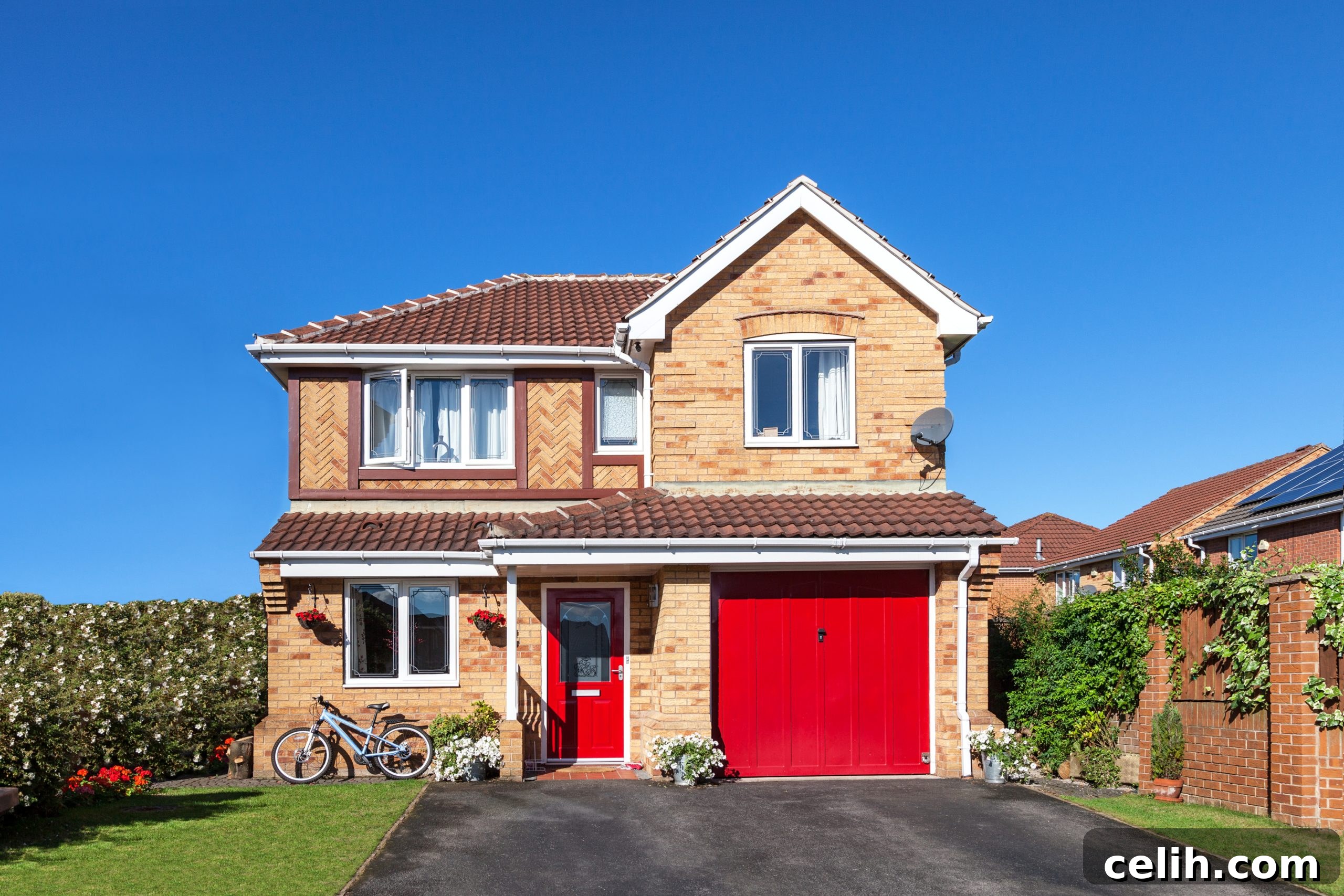
The roof over your head is more than just a cover; it’s your home’s primary shield against the elements, from scorching summer sun to torrential downpours and heavy winter snowstorms. This critical component of your property’s structure constantly endures environmental stress, leading inevitably to wear and tear. Consequently, homeowners often face a pivotal question: should I repair or replace my roof? This decision is rarely straightforward, involving a careful evaluation of various factors, including immediate and long-term costs, the extent and nature of the damage, the roof’s age, and your future plans for the property. Understanding these considerations is key to making an informed choice that protects your investment and ensures your family’s safety and comfort. Let’s delve deep into the intricate aspects of roof repair versus replacement, guiding you toward the best solution for your home.
Assessing the Nature and Extent of Roof Damage
Before any decision can be made, a thorough and professional roof inspection is paramount. Minor issues, such as a few missing or cracked shingles, isolated leaks, or superficial hail damage, typically fall within the realm of manageable repairs. These problems often stem from localized wear, high winds, or minor impacts and can be addressed by patching, sealing, or replacing individual components. Such targeted fixes can effectively restore the roof’s integrity and extend its lifespan without requiring a complete overhaul. However, if the inspection reveals more widespread and severe damage—such as extensive water infiltration leading to rot in the underlying decking, significant structural compromises, widespread curling or blistering shingles across multiple sections, or damage covering more than 25-30% of the roof surface—these are clear indicators of deeper, systemic problems. In such cases, mere repairs might only offer temporary relief, failing to address the root cause and potentially leading to recurring issues and higher costs in the long run. A comprehensive roof replacement becomes a more logical and economically sound solution, ensuring complete protection and structural soundness for years to come. Recognizing the severity of damage is the first critical step.
Understanding the Cost Implications: Short-Term vs. Long-Term Value
On the surface, the immediate cost of repairing a roof is almost always lower than that of a full replacement. For homeowners facing budget constraints or dealing with minimal, localized damage, a repair can seem like the most appealing and practical choice. However, it’s essential to look beyond the upfront expense and consider the long-term financial implications. A series of minor repairs over a short period can quickly accumulate, especially if they stem from an aging roof or unaddressed underlying issues. In many scenarios, the cumulative expense of frequent fixes can eventually surpass or even double the one-time investment in a brand-new roof. A new roof, beyond its primary protective function, offers significant long-term value. It can substantially increase your property value and curb appeal, making your home more attractive to potential buyers should you decide to sell. Furthermore, modern roofing materials and installation techniques often provide superior energy efficiency and better insulation, leading to noticeable savings on your utility bills over its lifespan. This long-term return on investment often makes a replacement a more prudent financial decision for the savvy homeowner.
The Pivotal Role of Roof Age in Decision-Making
The age of your existing roof is undeniably one of the most critical factors influencing the repair vs. replacement dilemma. Every roofing material—be it traditional asphalt shingles, durable metal, classic clay tiles, or elegant slate—comes with an estimated lifespan. For instance, asphalt shingle roofs typically last 20-25 years, while metal roofs can endure for 50 years or more. If your roof is approaching or has exceeded its expected lifespan and is showing widespread signs of advanced wear, such as widespread granule loss, significant curling, brittle shingles, or persistent leaks in multiple areas, then opting for a complete replacement is generally the most sensible and cost-effective choice. Attempting to repair a roof that has reached the end of its functional life is often akin to patching an old garment; it might hold for a short while, but new problems will inevitably arise, leading to a cycle of costly, temporary fixes. Conversely, a relatively young roof (e.g., less than 10-15 years old for asphalt shingles) that has suffered localized damage from a storm or isolated incident can usually be effectively and economically repaired. In such cases, a professional repair can often restore its full functionality and allow it to fulfill the remainder of its expected lifespan, maximizing your initial investment.
Future Plans and Property Intentions
Your long-term vision for the property significantly impacts the repair or replace decision. If you intend to sell your house in the near future (within the next 1-5 years), a new roof can serve as an exceptionally powerful selling point. It instantly enhances curb appeal, signals to potential buyers that the home is well-maintained and free from major impending expenses, and can significantly increase the property’s market value and desirability. Buyers are often willing to pay a premium for a home with a brand-new roof, as it eliminates a major concern and provides peace of mind. On the other hand, if your intention is to remain in the house for a prolonged period, perhaps for another 10-20 years, and the current damage is genuinely minimal and localized, then a strategic repair might suffice for the time being. This allows you to defer the larger investment of a replacement until it becomes absolutely necessary or aligns better with a future renovation budget. However, even if staying long-term, consider how frequent small repairs might disrupt your life and budget over time, eventually pushing you towards a full replacement regardless.
Navigating Warranties and Guarantees for Your Roof
Many modern roofing systems come with manufacturer warranties for materials and often separate contractor guarantees for labor, which can heavily influence the repair or replacement decision. It is absolutely crucial to understand the specifics of your existing roof warranty. If the roof is still within its warranty period and the damage is covered by the terms (e.g., manufacturing defects, premature failure), then pursuing a warranty claim might make significant financial sense. The manufacturer or installer might cover the cost of repairs or even a full replacement. However, be aware that many warranties come with strict stipulations. For instance, some might become void if repairs are not conducted by certified professionals, if certain non-approved materials are used, or if the roof experiences damage due to improper maintenance or extreme weather not covered by the policy. Before authorizing any work, carefully review your warranty documentation and consult with the original installer or manufacturer to ensure compliance and avoid inadvertently voiding your coverage. A new roof, conversely, will come with a fresh, comprehensive warranty, offering renewed peace of mind and protection for your investment.
Considering Environmental Impact and Sustainability
Environmental considerations are increasingly playing a significant role in homeowner decisions. A full roof replacement can generate a substantial amount of waste, much of which historically ended up in landfills, particularly older asphalt shingles. For the environmentally conscious homeowner, this is a serious concern. However, the good news is that modern roofing industries are making strides in sustainability. Many old roofing materials, especially asphalt shingles and certain metals, can now be recycled. When planning a replacement, inquire about recycling options for your old roof. On the flip side, modern roofing solutions are often designed with enhanced energy efficiency in mind, such as “cool roofs” that reflect more sunlight or improved insulation materials. Installing an energy-efficient new roof can significantly lessen your household’s carbon footprint and reduce energy consumption over its lifespan. Homeowners must weigh the short-term environmental impact of waste generation against the long-term benefits of energy savings and sustainable material choices in a new installation, aligning their decision with their personal values and priorities for ecological responsibility.
Prioritizing Safety and Structural Integrity
Safety should always be the paramount concern when evaluating the condition of your roof and the well-being of your home’s occupants. While minor surface damages might seem innocuous, they can often be deceptive, masking more significant underlying structural issues that pose serious safety risks. For instance, a seemingly small leak might not just be an isolated water ingress point but could be indicative of extensive water damage to the roof decking, rafters, or insulation, potentially leading to mold growth, weakened structural components, and even electrical hazards. Chronic moisture can also create environments conducive to pests. In scenarios where the structural integrity of the roof appears compromised, or where there’s a risk of falling debris, collapse, or significant water damage impacting the electrical system, a more thorough, professional inspection is absolutely essential. In such critical situations, a complete roof replacement is often the safest and most responsible option. Neglecting these deep-seated safety concerns can lead to catastrophic failures in the future, endangering lives, causing irreparable damage to the property’s interior, and ultimately resulting in far greater financial burdens and distress than a proactive replacement.
Aesthetic Appeal and Modern Design Preferences
Beyond its primary function of protection, your roof plays a crucial role in the overall aesthetic appeal and architectural harmony of your home. Over time, personal aesthetic preferences evolve, and neighborhood design trends can shift dramatically. An older, faded, or discolored roof, or one with an outdated style, can detract significantly from your home’s curb appeal and even reduce its perceived value. If the current design or look of your roof is no longer aligned with your vision for your property, or if it clashes with recent exterior renovations, you might consider a replacement over a repair. A new roof offers the opportunity to revitalize your home’s exterior, allowing you to choose from a vast array of modern materials, colors, textures, and styles that can dramatically enhance its visual appeal and complement its architectural character. This consideration is particularly relevant if you are planning other exterior upgrades or if you simply desire a fresh, contemporary look for your residence. A thoughtfully chosen new roof can transform the entire perception of your home.
Embracing Energy Efficiency and Modern Roofing Innovations
The roofing industry has seen remarkable advancements in recent years, particularly in areas of energy efficiency and material innovation. Repairing an older roof, while addressing immediate issues, means missing out on the substantial benefits offered by these modern technologies. Newer roofing materials and designs are engineered to offer superior thermal insulation, effectively reducing heat transfer both into and out of your home. This leads to more stable indoor temperatures, reduced reliance on heating and air conditioning systems, and tangible savings on your monthly utility bills. Innovations like “cool roofs” utilize specialized reflective coatings or light-colored materials to minimize solar heat gain, making them ideal for warmer climates. Furthermore, advancements include integrated solar tiles that blend seamlessly with the roofline to generate clean energy, and advanced ventilation systems that optimize airflow. For homeowners keen on harnessing the benefits of modern roofing technology—whether it’s cutting-edge insulation, enhanced durability, or sustainable energy solutions—a full roof replacement presents an invaluable opportunity to upgrade your home to a higher standard of performance and environmental responsibility, future-proofing your property for decades to come.
The Impact of Roof Condition on Insurance Policies
Your home insurance policy is directly influenced by the condition and age of your roof. Insurance companies view older, poorly maintained roofs as a higher liability, significantly increasing the risk of claims related to leaks, storm damage, or structural failure. Consequently, continuous repairs, especially if they indicate neglect or a failure to address underlying, systemic issues, can negatively impact the terms of your home insurance policy or even lead to higher premiums. Some insurers might even refuse to cover certain types of damage for roofs exceeding a certain age, or they might offer only actual cash value coverage instead of replacement cost value. Conversely, installing a new, professionally installed roof often makes your home a more attractive risk to insurers. Many companies offer better terms, lower premiums, or even specific discounts for homes with new or recently updated roofs, as they are seen as less prone to damage and costly claims. Understanding these implications and how a new roof can potentially reduce your long-term insurance costs is an important aspect of your financial planning and overall home maintenance strategy. Always consult your insurance provider to understand how your roof’s condition impacts your coverage.
Evaluating the Complexity and Scope of Repair Work
While a simple repair might involve replacing a few shingles, some roof repairs, despite appearing localized, can be surprisingly intricate and complicated. The complexity can stem from various factors, such as damage to underlying structures, the presence of multiple layers of old roofing, difficult-to-access areas, or the need for specialized materials and highly skilled labor. For instance, repairing a leak that has penetrated several layers of roofing and affected the decking or framing beneath requires a much more involved process than a superficial fix. Similarly, matching older or unique roofing materials perfectly can be challenging and costly. If the intricacy of the repair is expected to be high, requiring extensive labor, specialized tools, or custom fabrication, the cost can quickly escalate. In such scenarios, particularly when combined with other unfavorable factors like the roof’s advanced age or widespread damage, it might prove to be more economical, efficient, and ultimately less disruptive to opt for a complete replacement. A full replacement ensures uniformity, modern standards, and a comprehensive solution, avoiding the potential for piecemeal fixes that might not fully resolve the underlying issues or provide long-term reliability.
Boosting Resale Value and Enhancing Buyer Perception
Beyond the tangible benefits of a new roof in terms of enhanced safety, superior energy efficiency, and extended lifespan, there’s a powerful psychological and market-driven aspect to consider: its profound impact on your home’s resale value and prospective buyer perception. For potential home buyers, a brand-new roof is often a significant indicator that the property has been diligently maintained and cared for. It instantly conveys a sense of reliability and eliminates a major financial concern from their minds – the daunting cost of an impending roof replacement. Even if a repaired roof is functionally sound, the mere perception of a recently replaced roof can be an incredibly powerful selling point. Buyers perceive it as a move-in-ready feature that saves them immediate headaches and significant out-of-pocket expenses, making your property stand out in a competitive market. This perception often translates directly into a higher asking price and a quicker sale, reaffirming a new roof as a strategic investment that yields substantial returns when it’s time to sell your beloved home. It’s an investment in both structural integrity and market appeal.
Final Thoughts on Your Roofing Decision
The decision to repair or replace your roof is a significant one, multifaceted and requiring careful consideration of numerous interdependent factors. It demands a holistic assessment of the damage’s nature and extent, a clear understanding of the immediate and long-term financial implications, the current age and estimated lifespan of your roof, your future intentions for the property, existing warranties, and even environmental considerations. While both options present their own set of advantages and challenges, the ultimate key lies in making a well-informed, knowledgeable decision that aligns seamlessly with your homeowner needs, your budget, and your long-term goals for the property. Navigating complex situations, such as dealing with storm damage and securing insurance coverage for a roof replacement, can be particularly daunting. However, armed with the right knowledge, professional advice, and a strategic approach, you can successfully claim the necessary funds and proceed with the most appropriate solution, ensuring your home remains a safe, beautiful, and valuable asset for years to come. Invest wisely in the crown of your home.