
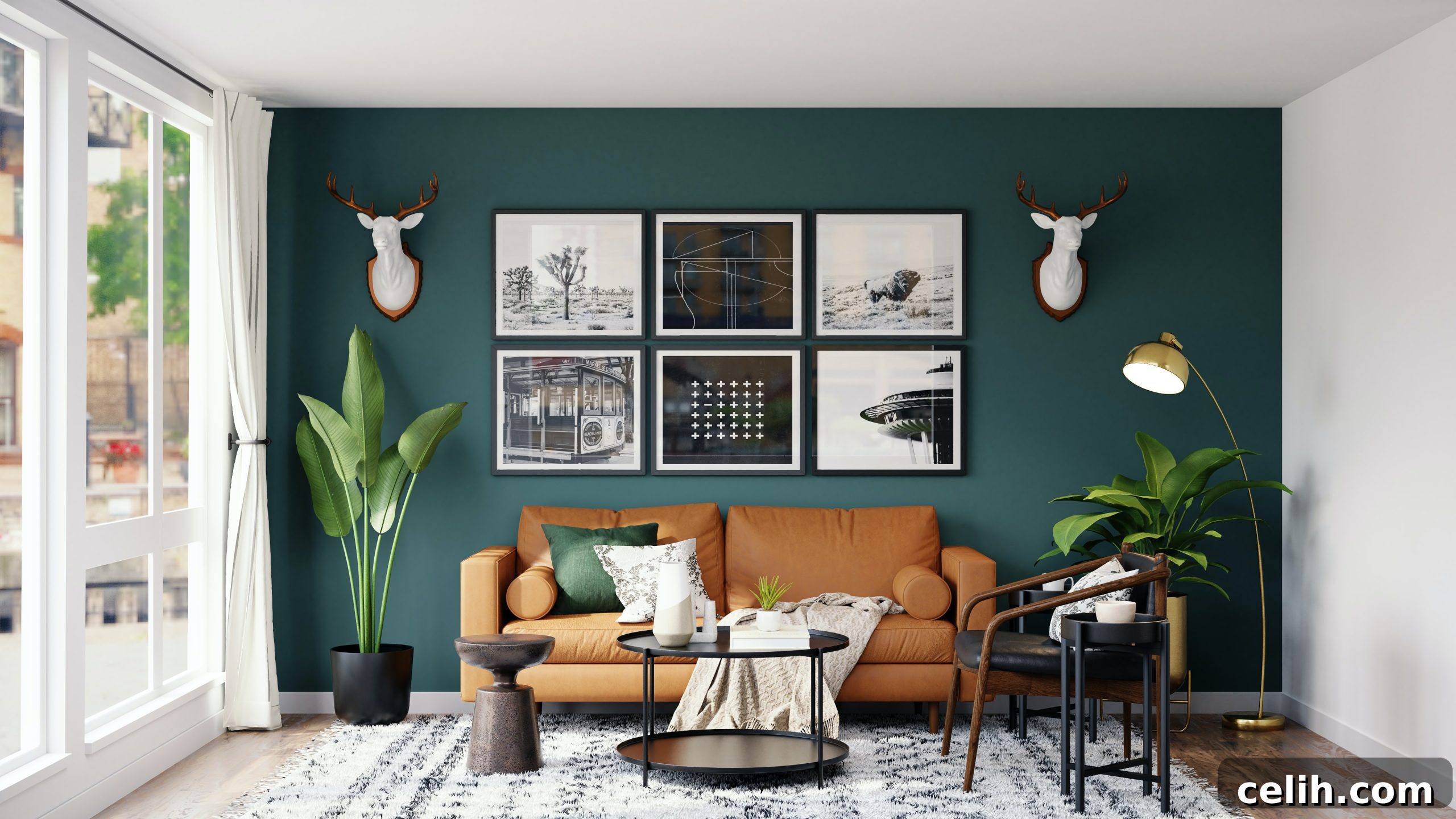
For many, a house transforms into a home not just upon moving in, but when personal touches and individual style begin to permeate its spaces. This innate desire to personalize our living environment is fundamental to our well-being and sense of belonging. Yet, for those living in rented accommodation, the journey from a mere dwelling to a cherished home can often feel like navigating a maze of restrictions and unwritten rules. Rental properties typically come with a ‘blank canvas’ aesthetic – neutral tones and functional furnishings designed to appeal to the broadest possible tenant base. But once the lease is signed and the keys are in hand, the question inevitably arises: how much can you truly change to make this space authentically yours?
Our homes are increasingly becoming multifunctional hubs, serving as sanctuaries for relaxation, creative workspaces, and vibrant social centers. It’s imperative that these environments reflect our personalities and support our lifestyles. The challenge for renters lies in striking a balance between expressing individuality and respecting the property owner’s investment. This comprehensive guide aims to demystify the process of personalizing a rental home, offering practical advice, creative solutions, and crucial insights into navigating landlord-tenant agreements effectively.
We’ll delve into the nuances of making improvements, understanding the distinctions between tenant and landlord responsibilities, and exploring how different tenancy types impact your ability to decorate and modify. From subtle decorative changes to more substantial upgrades, discover how thoughtful planning and open communication can transform your rental into a space you truly love, all while safeguarding your tenancy and deposit.
Improvements Versus Repairs: Understanding the Crucial Distinction in Rental Properties
One of the most common areas of confusion for renters revolves around distinguishing between necessary repairs and desired improvements. This distinction is critical because it dictates who is responsible for the cost and execution of the work, and what level of permission is required. Grasping this concept is the first step toward a smooth and harmonious tenancy.
Landlord’s Responsibilities: Essential Repairs and Maintenance
Your landlord bears the primary responsibility for ensuring the property remains safe, habitable, and in good working order. This encompasses a broad range of essential repairs, often mandated by law to protect tenant health and safety. These typically include:
- Structural Integrity: Maintaining the roof, walls, foundations, and overall structure of the building.
- Utilities: Ensuring reliable access to electrical wiring, gas supply, heating systems, and hot water.
- Plumbing and Sanitation: Guaranteeing functional plumbing, clean water supply, toilets, sinks, and showers.
- Safety Features: Installing and maintaining smoke alarms, carbon monoxide detectors, and ensuring fire safety regulations are met.
- Pest Control: Addressing infestations that affect habitability.
- Damp and Mould: Tackling persistent issues of dampness and mould that compromise health.
Upon being notified of a problem, your landlord is legally obligated to address these repairs within a reasonable timeframe. Timely reporting from the tenant is crucial here, as is clear communication and documentation of all correspondence.
Tenant’s Desires: Home Improvements and Enhancements
In contrast, home improvements are actions taken to enhance the property’s aesthetic appeal, functionality, or value beyond what is considered basic habitability. These are typically driven by a tenant’s personal preferences and desire to “make it their own.” Examples include:
- Repainting walls in a preferred color scheme.
- Installing new shelving or built-in storage.
- Upgrading light fixtures or window coverings.
- Replacing carpets or flooring.
- Undertaking garden landscaping projects.
While repairs focus on keeping things working and safe, improvements are about enhancing the living experience and personalizing the space. It’s vital for tenants to understand that while they may wish to undertake such projects, they generally require the landlord’s explicit permission, as these changes affect the landlord’s property.
Seeking Permission: The Golden Rule for Rental Home Transformations
The desire to personalize your rental is natural, but acting without permission can lead to serious consequences, including losing your security deposit or even eviction. The cornerstone of making any changes to a rental property is open communication and obtaining written consent from your landlord.
Navigating Your Tenancy Agreement
Your tenancy agreement is the primary legal document governing your rental. While some agreements might explicitly prohibit all alterations, others may be vague. It’s rare for an agreement to give tenants carte blanche to make significant changes without consultation. Most landlords are happy for tenants to refresh a tired paint job with a similar neutral shade, but very few will accept more sweeping changes—such as structural modifications, installing permanent fixtures, or changing major design elements—without prior approval.
If you proceed with alterations without permission, you risk being charged for the cost of restoring the property to its original condition at the end of your tenancy. Even if you genuinely believe your changes have improved the property, the landlord has the right to insist on its return to the state it was in when you moved in. This can lead to deductions from your deposit or, in severe cases, be considered a breach of contract that could result in eviction.
The Importance of a Photographic Schedule of Condition
Before you even consider making any improvements, it is highly recommended to arrange for a photographic schedule of condition. This document visually records the exact state of the property before you move in, detailing any existing damage, wear and tear, or specific decorative elements. This serves as invaluable protection for both tenant and landlord:
- For Tenants: It provides undeniable evidence of the property’s condition at the start of the tenancy, preventing landlords from unfairly charging for pre-existing damage.
- For Landlords: It establishes a clear benchmark against which any new damage or unauthorized alterations can be assessed.
Having such a record can greatly simplify discussions about changes and ensure fairness when the tenancy ends.
Private vs. Council/Housing Association Tenancies: Differences in Scope
The type of tenancy you have can also influence the flexibility you have for making home improvements:
Private Tenancies
Private tenants often have more scope for negotiating changes with their landlords. However, decisions should be weighed against the length of your intended stay. Minor, reversible changes might be worthwhile, but investing heavily in major improvements may not make financial sense if you plan a short tenancy. Furthermore, if your improvements significantly increase the property’s value, some landlords might even see this as justification for a rent increase. Always secure written permission for any changes, no matter how small you perceive them to be.
Council and Housing Association Tenancies
Tenants of council or housing association properties typically face stricter rules regarding home improvements. While they can often undertake both minor and major improvements, written permission from the landlord (the council or housing association) is almost always a prerequisite. It’s crucial to understand that during an ‘introductory tenancy’ phase, which often applies to new tenants, home improvements are generally not permitted at all. Always consult your tenancy agreement and contact your housing provider directly for their specific policies.
Personalizing Your Rental: Room-by-Room Guide to Renter-Friendly Decor
Transforming your rental into a space that truly feels like home doesn’t always require drastic, permanent changes. Often, it’s about smart, reversible solutions and clever design choices. Let’s explore how you can personalize various areas of your rental property.
Furnishings: Making the Provided Furniture Work for You
Whether your property is furnished or unfurnished, the existing items are usually laid out in your tenancy agreement. Landlords often have a sentimental or financial attachment to their furnishings, so tread carefully if you wish to replace them.
If you desire a new sofa, for example, first check with your landlord. They may agree but might require you to store their original furniture, an expense and hassle few tenants want. Instead of replacing, consider these renter-friendly furnishing tactics:
- Accessorize: Throws, cushions, and blankets can dramatically alter the look and feel of a sofa or bed.
- Slipcovers: For neutral or outdated upholstered furniture, a well-fitting slipcover can offer a complete transformation.
- Rearrange: Experiment with furniture layouts to optimize flow and create different zones within a room.
- Add Your Own Pieces: Introduce portable items like side tables, bookshelves, or accent chairs that complement existing furniture but can easily be removed when you move out.
Walls: Beyond the Neutral Palette
Walls are often the largest surface area in a room and offer immense potential for personalization. While light redecoration, such as painting, usually doesn’t require extensive permission, it’s crucial to confirm whether you must restore the walls to their original color before your tenancy ends. Landlords are unlikely to contribute to the cost of redecoration, so budget accordingly.
For adding artwork or shelving, nails and screws are often a landlord’s bane. Instead, consider these non-damaging alternatives:
- Command Strips/Hooks: These adhesive solutions are designed for easy removal without leaving marks, perfect for lightweight frames and decor.
- Temporary Wallpaper/Wall Decals: Modern peel-and-stick wallpapers can create an accent wall or add patterns, offering a dramatic, reversible change.
- Tapestries and Fabric Hangings: Large fabric pieces can cover significant wall areas and introduce color and texture.
- Leaning Art: Position larger artworks against walls, perhaps on a console table or directly on the floor for a casual, gallery-like feel.
- Floor-standing units: Utilize tall bookshelves, etageres, or media units that incorporate space for decor, mirrors, and artwork without touching the walls.
Windows and Doors: Enhancing Light, Privacy, and Style
Replacing windows and doors falls firmly under the landlord’s responsibility due to safety, security, health, and comfort implications. If these elements are worn or broken, notify your landlord immediately. For long-term residents, some landlords might consult you on choices for replacements. If so, suggest versatile and cost-effective options that will brighten the space.
However, you can still personalize your windows without making permanent changes:
- Curtains and Blinds: Replace existing, generic window treatments with your own stylish curtains or blinds. Ensure any new hardware is installed with minimal impact, using existing holes if possible, or opting for tension rods.
- Window Film: Decorative or privacy window film can add visual interest and obscure views without blocking natural light.
- Valances or Swags: These can add a touch of elegance or color above existing blinds without needing extensive installation.
Carpets and Flooring: Rugs as Room Transformers
Installing new carpets or flooring is a significant alteration that almost certainly requires landlord permission, and you would typically be responsible for all costs and potentially the removal/restoration. Fortunately, there’s a simpler, more flexible solution for transforming tired floors: area rugs.
Area rugs are incredibly versatile and can:
- Define Spaces: Use a large rug to delineate a living area from a dining space in an open-plan layout.
- Add Color and Pattern: Introduce bold hues, intricate patterns, or rich textures to a neutral room.
- Cover Imperfections: Strategically placed rugs can hide worn-out carpets or unsightly flooring.
- Enhance Comfort and Acoustics: Soften hard floors, provide warmth, and absorb sound for a cozier atmosphere.
Choose rugs that complement your style and can easily be taken with you when you move. If you dream of replacing the entire carpet or flooring, discuss it with your landlord. Be prepared for the personal expense and the possibility of being asked to restore the original flooring at the end of your tenancy.
Gardening: Cultivating Your Rental’s Outdoor Oasis
If you’re lucky enough to have a garden, treat it with the same respect and consideration as the interior of your rental. Small, reversible changes like adding potted plants, herbs, or seasonal flowers are generally fine without permission. These enhancements are portable and add immediate visual appeal.
However, any plans involving significant landscaping, planting large trees or shrubs, installing permanent structures like sheds or decking, or altering the existing hardscaping will definitely require your landlord’s written consent. These changes can be costly to reverse and impact the property’s long-term value and maintenance.
Instead, focus on renter-friendly gardening solutions:
- Container Gardening: Grow flowers, vegetables, and herbs in pots and planters that can be rearranged or moved when you leave.
- Outdoor Furniture and Decor: Invest in fun, portable garden furniture, outdoor rugs, solar lights, and decorative elements that you can easily take with you.
- Temporary Screening: Use screens or lattice with climbing plants to create private zones without permanent installation.
- Basic Maintenance: Keep the garden tidy through regular weeding, mowing, and pruning, as this is typically a tenant’s responsibility.
Protecting Your Deposit and Ensuring a Smooth Tenancy
The key to successful rental personalization lies in proactive communication and meticulous documentation. Always get any agreement about improvements in writing, detailing what changes are permitted, who is responsible for costs, and whether restoration is required at the end of the tenancy. Keep records of all correspondence, permissions, and before-and-after photos of any modifications you make.
Remember that your primary responsibility as a tenant is to look after the property, keeping it clean, well-ventilated, and reporting any issues promptly. This not only fulfills your contractual obligations but also demonstrates your care for the property, potentially making your landlord more amenable to future requests for improvements.
Understanding Essential Repairs and Your Landlord’s Health and Safety Duties
While personalizing your space is a tenant’s desire, your landlord’s duty to maintain a safe and healthy living environment is a legal imperative. Landlords are responsible for addressing issues that could put their tenants’ health and safety at risk. This includes:
- Addressing significant damp and mould growth that affects air quality.
- Ensuring all fire safety measures, such as working smoke alarms and safe escape routes, are in place.
- Dealing with pest infestations that make the property uninhabitable.
- Maintaining the structural integrity of the property to prevent hazards.
As a tenant, you have a responsibility to promptly report any such issues to your landlord. Document your communication, including dates, times, and the nature of the problem. This ensures that the landlord is aware of the issue and can take appropriate action, fulfilling their duty of care. While you personalize your space, never neglect reporting essential repairs, as these directly impact your well-being and the long-term condition of the property.
Making Your Rental Truly Home
Transforming a rental property into a space that truly feels like home is an achievable goal, even with the inherent restrictions of tenancy. It requires a blend of creativity, careful planning, and, most importantly, open and honest communication with your landlord. By understanding the distinction between repairs and improvements, knowing your rights and responsibilities, and exploring renter-friendly decorating solutions, you can inject your personality into your living space without jeopardizing your tenancy or deposit.
Embrace the challenge as an opportunity to innovate and discover unique ways to express yourself. With the right approach, your rental can become not just a place where you live, but a sanctuary that reflects who you are, making every moment spent within its walls a truly enjoyable experience.