
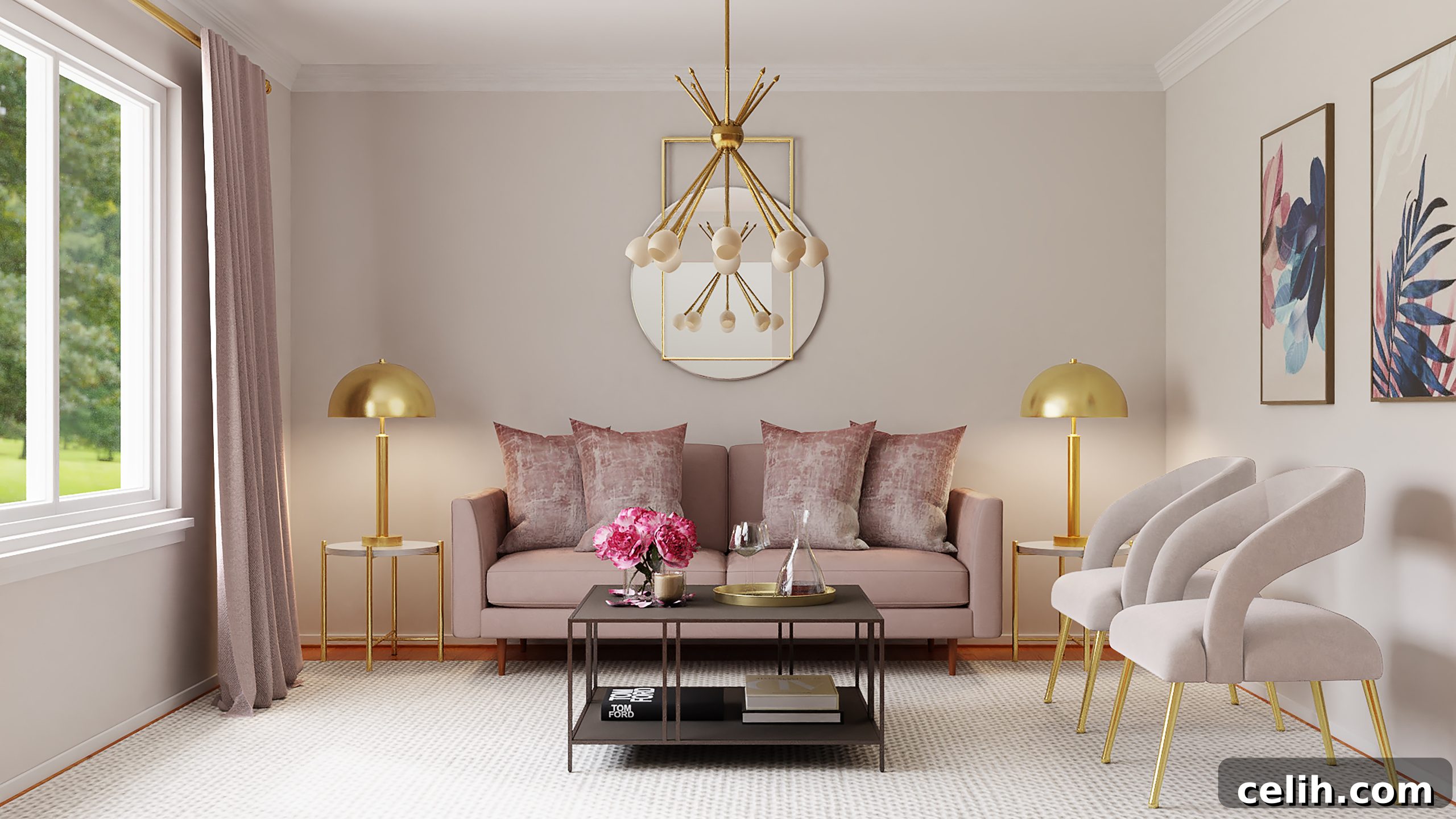
Embarking on a home transformation journey can be exhilarating, but finding the right professional to bring your vision to life is paramount. When it comes to hiring an interior designer, a thoughtful and systematic approach is key. Simply picking the first name you encounter online might lead to unforeseen challenges and outcomes that don’t quite match your expectations. Instead, investing time in a comprehensive selection process ensures you find a partner who understands your aspirations, works within your parameters, and ultimately delivers a space you’ll cherish. This detailed guide offers invaluable tips to help you navigate the process of choosing the best interior designer for your unique home project.
Define Your Goals and Personal Style
Before you even begin the exciting quest for the perfect interior designer, the most crucial first step is to look inward. A clear understanding of your own goals, lifestyle needs, and aesthetic preferences will serve as your compass throughout the design journey. Without a defined vision of what you want your home to look and feel like, it becomes incredibly difficult for both you and your potential designer to align on a creative direction. This preliminary self-reflection isn’t just about picking colors or furniture; it’s about understanding how you want to live in your space.
Start by considering how each room is currently used and how you envision it functioning optimally. Do you need more storage, a dedicated home office, a vibrant entertaining area, or a serene sanctuary? Think about the moods you want to evoke – calm, energetic, cozy, or sophisticated. Explore various interior design styles that resonate with you: perhaps the clean lines of minimalism, the eclectic charm of bohemian, the rustic warmth of farmhouse, or the timeless elegance of traditional design. Creating mood boards on platforms like Pinterest or Houzz, collecting magazine clippings, and identifying existing spaces you admire can be incredibly helpful in solidifying your ideal interior design style. This clarity will not only help you articulate your desires more effectively to a designer but also empower you to narrow down your selection to professionals whose portfolios reflect similar aesthetics and approaches. Ultimately, defining your goals and style beforehand is a powerful exercise that saves time, reduces potential misunderstandings, and ensures the final design truly reflects your unique personality and meets your functional needs.
Conduct Comprehensive Research and Gather Inspiration
Once you have a firm grasp of your personal design goals and preferred styles, the next logical step is to delve into thorough research. This phase is about exploring the landscape of available talent and gathering as much information and inspiration as possible. Begin by tapping into your immediate network; friends, family, or colleagues who have recently undergone home design projects can offer valuable recommendations and firsthand experiences. Word-of-mouth referrals often lead to trusted professionals.
Beyond personal connections, the digital world offers a vast repository of resources. Explore online platforms such as Houzz, Instagram, Pinterest, and specialized design blogs. These sites are rich with portfolios of local interior designers, allowing you to visually assess their work, versatility, and unique flair. Pay close attention to designers whose past projects align with the style you’ve defined for yourself. Look for consistency in quality and a demonstrated ability to transform spaces effectively. It’s also wise to check for designers affiliated with professional organizations like the American Society of Interior Designers (ASID) or the International Interior Design Association (IIDA), as membership often indicates a commitment to ethical practices and professional standards.
When researching, go beyond just admiring aesthetics. Analyze interior design trends to understand what innovative solutions and concepts are currently prevalent, and how a designer might adapt them to your specific space and preferences. For instance, KS Designs, a full-service interior design studio, excels at transforming ordinary spaces into unique showcases that reflect each client’s personality and lifestyle, demonstrating the kind of adaptive and personalized approach you should seek. With this accumulated knowledge, you can confidently identify designers whose skills, vision, and experience promise to create a stunning interior that is not only visually appealing but also highly functional and reflective of your individuality. This extensive research also allows you to compare different designers’ approaches, fee structures, and communication styles, ultimately helping you make an informed decision that best suits your needs and budget.
Establish a Realistic and Transparent Budget
One of the most critical aspects of any home design project, and especially when engaging an interior designer, is setting a realistic budget. It’s imperative to have a clear understanding of your financial limits before the design process begins. This isn’t just about the designer’s fee; it encompasses the entire scope of expenses associated with transforming your space. Remember that your budget for an interior designer is typically separate from the costs of furniture pieces, lighting fixtures, home decor, materials, contractor services, and installation fees. It’s advisable to allocate an additional contingency fund, usually 10-15% of your total budget, to account for any unexpected costs or desired changes during the project.
Clearly defining your budget upfront serves multiple purposes. Firstly, it helps you determine the scope and scale of services you can realistically afford, guiding your choices regarding materials and overall design complexity. A transparent budget allows the designer to propose solutions that align with your financial parameters, preventing proposals that are either too grand or too modest for your expectations. Secondly, setting a realistic budget ensures that the interior designer you ultimately choose has the necessary resources, whether in terms of time, skilled labor, or access to suitable vendors, to complete your project to a high standard, on time, and within the agreed-upon financial boundaries. A skilled designer can often offer creative solutions and prioritize spending to achieve maximum impact, even with a tighter budget, by focusing on key elements or suggesting alternative materials. Being open and honest with your potential designer about your financial expectations from the outset fosters trust and sets the foundation for a successful, stress-free collaboration.
Prioritize Communication and Compatibility
Beyond skill and experience, the success of your interior design project heavily hinges on the quality of communication and the level of personal compatibility between you and your designer. Sometimes, an interior designer might have an impressive portfolio and excellent credentials on paper, but meeting them in person reveals a different dynamic. Your relationship with your designer will be a collaborative one, involving numerous discussions, decisions, and potentially even challenges, making effective communication and a harmonious working relationship indispensable.
During initial consultations, pay close attention to how they communicate. Do they actively listen to your ideas and concerns? Do they explain their process clearly and patiently? Do they respond to your questions thoughtfully? A great designer is not just someone with an eye for aesthetics; they are also an excellent communicator who can translate your abstract ideas into tangible design concepts. Consider how easily you can talk to them and how comfortable you feel expressing your opinions, even when they differ. Just as modern construction teams utilize advanced tools for seamless collaboration and information exchange, you too should seek a design partner who embraces clear, consistent, and accessible communication methods. This might involve regular check-ins, using shared project management tools, or simply being highly responsive via email or phone.
Furthermore, trust your instincts when it comes to personal compatibility. Even if a designer is highly talented, if you don’t feel a strong sense of connection, understanding, or mutual respect, the working relationship might become strained. You want a designer who feels like an ally, someone who genuinely understands and champions your vision as if it were their own. They should be able to challenge your ideas constructively while always keeping your ultimate goals at the forefront. A strong rapport ensures that the creative process is enjoyable, feedback is productive, and any unforeseen issues can be navigated with ease and mutual understanding. Don’t underestimate the importance of this personal chemistry; it’s often the differentiator between a good design experience and an exceptional one.
Request a Detailed Design Proposal and Contract
Once you’ve identified an interior designer with whom you feel a strong connection and confidence, the next critical step is to request a detailed design proposal. This document is much more than a mere estimate; it’s a comprehensive roadmap that outlines the entire scope of the project, establishing clear expectations and responsibilities for both parties. A well-crafted proposal is the foundation of a successful partnership and ensures transparency from the outset.
A typical design proposal should meticulously detail the project’s scope, including a breakdown of services the designer will provide—from initial concept development and space planning to material selection, procurement, and final installation. It will also specify the projected timeline for each phase of work, outlining key milestones and expected completion dates. Crucially, the proposal will clearly state the budget allocation and the designer’s compensation structure, whether it’s an hourly rate, a flat fee for the entire project, or a percentage of the total project cost. Beyond financial terms, it should cover other relevant information such as payment schedules, intellectual property rights, and procedures for handling project changes or unforeseen circumstances. This comprehensive overview helps prevent misunderstandings and ensures that all parties are on the same page regarding expectations and deliverables.
During this stage, the interior designer will also likely ask you to compile photos, sketches, or conceptual images that serve as inspiration for your design. It’s vital to remember that these images are purely for inspiration and to help the designer grasp your aesthetic preferences, functional needs, and the overall mood you wish to create. A professional designer’s role is not to simply copy these images but to creatively interpret them, integrate them with your unique space and lifestyle, and develop an original design solution that is tailored specifically for you. Thoroughly reviewing and understanding every clause in the proposal and subsequent contract is paramount before signing, as it legally binds both parties and protects your interests throughout the project.
Verify Experience, Credentials, and References
While the aesthetic appeal of a designer’s portfolio is a strong initial draw, it’s equally important to delve into their professional background. Verifying an interior designer’s experience, credentials, and references provides an invaluable layer of assurance, especially for more complex or extensive interior design projects. The last thing you want is to entrust your significant investment to someone who may not possess the depth of expertise required to handle all aspects of your vision effectively.
Start by scrutinizing their professional experience. How many years have they been in the industry? What types of projects have they successfully completed, and do any of these align with the scale and style of your own project? A designer with a diverse portfolio that showcases problem-solving skills across various challenges, rather than just a single aesthetic, often indicates a higher level of adaptability and capability. Beyond raw experience, look for formal credentials and certifications. For instance, designers who have passed the National Council for Interior Design Qualification (NCIDQ) exam are recognized for meeting rigorous standards of competence in the profession. Such certifications signify a commitment to ethical practice, ongoing education, and a deep understanding of building codes, safety regulations, and design principles. These qualifications differentiate a professional interior designer from a decorator and are particularly important for projects involving structural changes or specialized installations.
Furthermore, always request and follow up on client references. Speaking directly with previous clients offers real-world insights into the designer’s professionalism, communication style, adherence to budget and timeline, and ability to handle challenges. Ask specific questions: Was the project completed on time and within budget? How did the designer handle unexpected issues? Were they responsive and easy to work with? Would they hire this designer again? These conversations can provide a holistic view of what it’s truly like to work with the designer, helping you gauge their reliability and trustworthiness before making a final commitment.
Evaluate the Design Process and Client Involvement
The journey of transforming your home is as important as the destination. Therefore, evaluating the interior designer’s proposed design process and their approach to client involvement is crucial for ensuring a smooth, transparent, and ultimately satisfying experience. As we’ve discussed, strong communication and compatibility are vital, and these qualities are often best observed through the structure of their design process.
A reputable interior designer will have a clearly defined process that guides the project from conceptualization to completion. This typically includes several key stages: an initial consultation to understand your needs, concept development where initial ideas and mood boards are presented, space planning to optimize layouts, selection of materials, finishes, furniture, and fixtures, procurement, and finally, installation and styling. What’s most important is how you, as the client, are integrated into these stages. A good design process will include built-in feedback loops and review points, ensuring you have opportunities to provide input, ask questions, and approve designs at critical junctures. This collaborative approach means you’re never left in the dark and have agency over the evolving design. If a designer lets you in on their process, proactively seeks your feedback, and clearly outlines what to expect at each step, it significantly increases the likelihood that the final interiors will meet, or even exceed, your expectations.
Transparency in project management is another hallmark of a professional designer. You want to feel confident about what’s happening with your project at every stage, even if you’re not directly involved in every minute detail. This includes regular updates on progress, budget tracking, and timely communication regarding any potential changes or challenges. Understanding their project management tools and methods – how they track orders, manage contractors, and communicate with you – will give you peace of mind. A well-structured and client-centric design process is a clear indicator that the designer values your input, aims for efficiency, and is committed to delivering a successful outcome that truly reflects your vision and functional needs.
Conclusion
Selecting the right interior designer is a pivotal decision that can profoundly impact the success and enjoyment of your home transformation project. By diligently following these comprehensive tips, you empower yourself to make an informed choice, minimizing the risk of dissatisfaction and maximizing the potential for a truly stunning outcome. Defining your goals and style, conducting thorough research, setting a realistic budget, prioritizing clear communication and compatibility, requesting detailed proposals, verifying credentials, and evaluating the design process are all integral steps that contribute to a seamless and rewarding experience.
Remember, your home is a reflection of who you are, and the process of designing it should be an exciting and collaborative journey. Investing the time and effort upfront in choosing the perfect design partner will pay dividends in the long run, ensuring that you achieve a space that is not only aesthetically beautiful but also perfectly functional, comfortable, and uniquely yours. Don’t settle for less than a designer who truly understands your vision and has the expertise to bring it to life, creating a home you’ll love for years to come.