
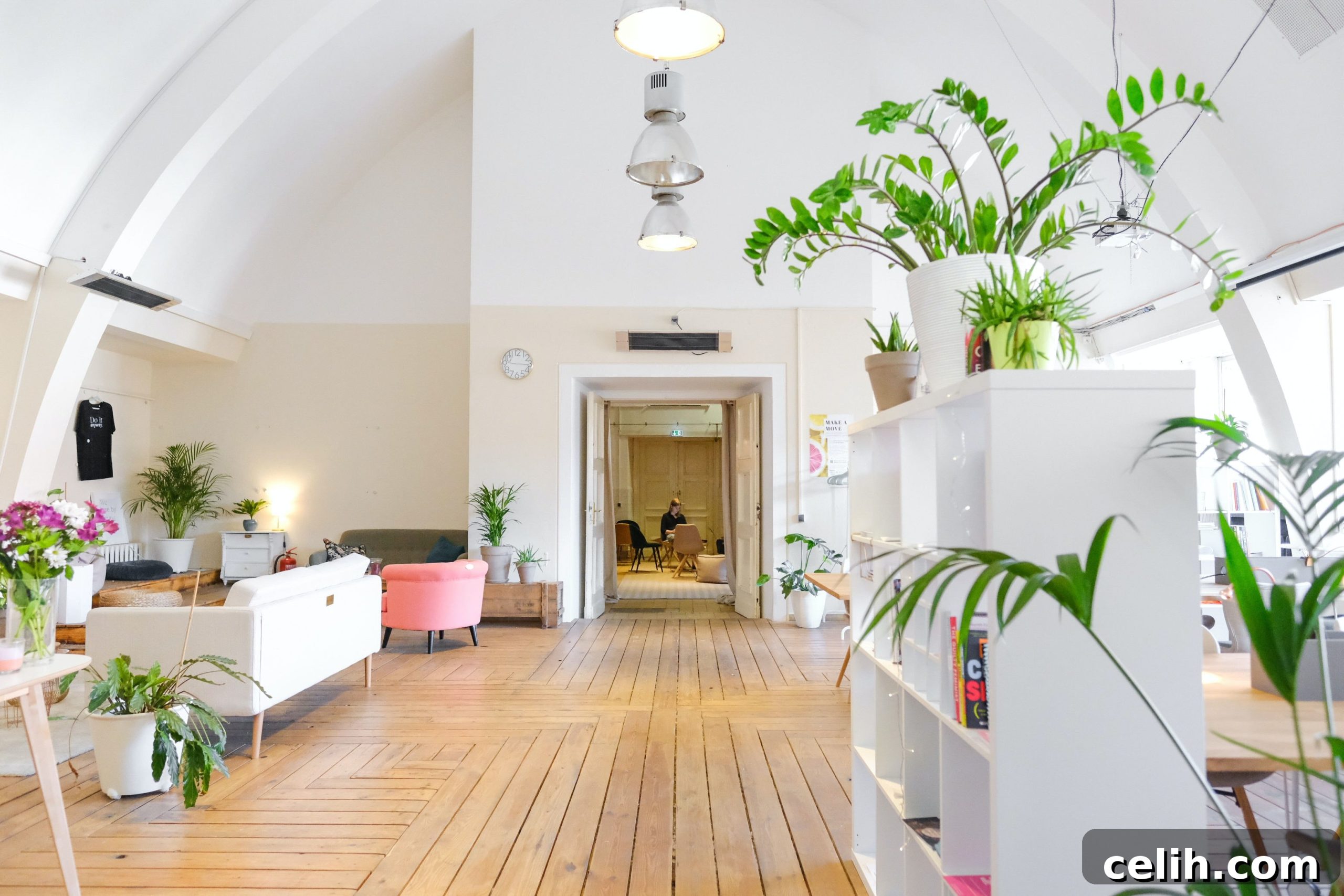
Crafting an Inviting and Productive Workspace: A Comprehensive Guide for Small Businesses
For any small business, cultivating a work environment that is both inviting and conducive to productivity is paramount. The design of your office space plays a pivotal role in shaping employee well-being, fostering collaboration, and even making a lasting impression on clients. A thoughtfully designed workspace isn’t just aesthetically pleasing; it’s a strategic investment that promotes healthier working practices and enhances overall business success. If you’ve been considering an office refresh, there’s never been a better time to implement changes that will profoundly impact your team and operations.
Today, we’ll explore a range of actionable strategies and creative ideas to transform your office into a vibrant, inviting hub. While these principles are ideal for a dedicated office, many can be seamlessly adapted to enhance your home office setup, ensuring a comfortable and inspiring backdrop for your daily tasks. Let’s delve into how you can optimize your workspace for peak performance and positive vibes.
Declutter and Organize for Enhanced Focus and Serenity
The first step towards an inviting office environment often involves confronting the prevalent issue of clutter. An office overflowing with papers, disorganized files, and miscellaneous items can quickly make a space feel chaotic, overwhelming, and unwelcoming. Beyond mere aesthetics, physical clutter can lead to mental clutter, hindering focus, increasing stress levels, and projecting an unprofessional image to visitors and employees alike. To combat this, adopting a digital-first approach for documents is crucial. Transitioning to cloud-based storage and digital filing systems can drastically reduce the need for physical paperwork, freeing up valuable desk and storage space.
Beyond digitization, establish clear organizational systems for physical items that must remain. Invest in smart storage solutions such as shelving units, filing cabinets, and desk organizers to give every item a designated home. Encourage a daily tidy-up routine at the end of each workday to prevent clutter from accumulating. Labeling storage units clearly can save time and reduce frustration when searching for specific items. By bringing order to your workspace, you’ll not only create a more visually appealing office but also foster a calmer, more productive atmosphere where employees can concentrate without unnecessary distractions. A clean and organized office signals professionalism and respect for the work being done within its walls, making it a foundation for any successful design.
Empower Employees by Personalizing Their Workspaces
If your office is home to a team of dedicated individuals, consider granting them more autonomy over their individual workspaces. This seemingly simple gesture can significantly boost job satisfaction, foster a sense of ownership, and ultimately lead to enhanced productivity. Every employee has unique preferences for their ideal working setup, and what maximizes efficiency for one might be a hindrance to another. By allowing them to tailor their desk areas, you’re acknowledging their individual needs and empowering them to create an environment where they feel most comfortable and effective.
This empowerment can manifest in various ways: offering flexible furniture options like adjustable-height desks, allowing personal touches such as photos or small plants, or even providing a selection of ergonomic tools from which employees can choose. This approach not only caters to diverse working styles but also conveys trust and respect. When employees feel they have a say in their immediate surroundings, they are more likely to feel valued, engaged, and motivated. This individual personalization, while maintaining a cohesive overall office aesthetic, can transform a generic workspace into a collection of personalized hubs, each optimized for its occupant’s success and well-being.
Integrate Custom Artwork to Inspire and Elevate Your Space
The visual appeal of your office can be dramatically enhanced through the strategic use of custom artwork. Bare, stark walls often contribute to a sterile and uninspiring atmosphere, whereas incorporating art instantly brightens the space and makes it feel more welcoming and dynamic. Artwork serves multiple purposes beyond mere decoration; it can reflect your company’s brand identity, values, or even the local community. Choosing pieces that resonate with your mission or foster a particular mood can subtly influence the daily experience of everyone in the office.
Consider commissioning local artists, showcasing employee-created pieces, or curating a collection that aligns with your company culture. Abstract art can spark creativity, while nature-inspired prints can bring a sense of calm and connection to the outdoors. The right artwork can transform an ordinary wall into a focal point, a conversation starter, or a source of daily inspiration. People naturally tend to work better and more productively in environments that are visually stimulating and aesthetically pleasing. By carefully selecting and integrating custom artwork, you can cultivate an office ambiance that not only looks professional but also feels vibrant, engaging, and genuinely inviting.
Design for Collaboration: Incorporate Conversational Furniture
To foster a dynamic and interactive work environment, consider adding conversational furniture to your office layout. This refers to furniture specifically designed to encourage social engagement, informal meetings, and relaxed interactions. In many traditional office settings, interactions are often confined to formal meeting rooms or quick exchanges over desks. However, some of the most innovative ideas and strongest team bonds emerge from casual conversations and spontaneous brainstorming sessions.
Creating designated areas with comfortable sofas, armchairs, and coffee tables provides employees with the ideal space to take a break, engage in informal discussions, or host clients in a more relaxed setting. These zones break the monotony of desk-based work and offer a change of scenery that can spark creativity and alleviate stress. Modular furniture can also be highly effective, allowing teams to reconfigure spaces quickly for different collaborative needs. By offering these alternative interaction points, you signal a culture that values open communication and comfortable collaboration, moving beyond the rigid confines of purely formal or desk-centric interactions. This flexibility supports diverse work styles and enhances overall team cohesion, making the office a more vibrant and engaging place to be.
Maximize Natural Light for Well-being and Productivity
One of the most impactful ways to create a truly inviting and enjoyable workspace is by maximizing natural light. A lack of natural light can make an office feel dark, dingy, and uninspiring, negatively affecting mood, energy levels, and even eye health. Conversely, abundant natural light has been proven to boost mood, enhance productivity, regulate circadian rhythms, and reduce eye strain. It creates a bright, airy atmosphere that feels more open and welcoming, significantly improving the overall employee experience.
Start by evaluating your existing window situation. If possible, consider installing larger windows or adding new ones to areas that are currently dim. For spaces with limited wall windows, solutions like Mardome Trade rooflights or skylights can introduce overhead natural light, transforming previously dark interiors. Within the office, maintain an open layout to allow light to penetrate deeper into the space, avoiding tall partitions or heavy curtains that block sunbeams. Use reflective surfaces and light-colored paint on walls to bounce light around the room, amplifying its effects. Even strategic placement of mirrors can help distribute natural light more effectively. By prioritizing natural light, you’re not just improving aesthetics; you’re investing in the health, happiness, and sustained productivity of your entire team, creating a workspace that genuinely feels good to inhabit.
Harness the Power of Color to Enliven Your Space
Color is a powerful psychological tool that can dramatically influence mood, perception, and productivity within any environment, including your office or home office. A bland or monotonous color palette can drain the life out of a space, leading to feelings of apathy or boredom. Conversely, a well-chosen color scheme can energize, calm, inspire creativity, or promote focus. Understanding color psychology is key to creating a truly dynamic and inviting office.
Consider the desired atmosphere for different areas of your office. For instance, blues and greens are often associated with calmness and focus, making them excellent choices for quiet work zones or brainstorming areas. Yellows can evoke feelings of creativity and optimism, suitable for collaborative spaces, while warmer tones like soft oranges or reds can add a touch of energy and warmth to break areas. You don’t need to paint every wall a bold color; strategically placed accent walls, colorful furniture, vibrant decor, or even branded color elements can make a significant impact. The goal is to create a cohesive and inspiring palette that reflects your company’s identity while enhancing the psychological well-being of your employees. By thoughtfully integrating color, you can infuse your office with personality and vitality, transforming it into a more stimulating and enjoyable place to work.
Create Purpose-Driven Spaces for Diverse Activities
Finally, a highly functional and inviting work environment considers the diverse needs and activities of its employees. This means designing different rooms and zones within your office with their specific intended uses and purposes in mind. Not all work requires the same type of setting; some tasks demand deep concentration, while others thrive on lively interaction. A successful office design will intelligently segment the space to accommodate this variety, preventing conflicts and optimizing efficiency for every task.
For instance, dedicate quiet zones for individual, focused work, equipped with sound-dampening materials and ergonomic seating. Conversely, create dynamic collaboration hubs that encourage teamwork and brainstorming, perhaps featuring whiteboards, flexible seating, and ample space for movement. Meeting rooms should be outfitted with appropriate technology for presentations and virtual calls, while break areas should offer comfortable seating and amenities for relaxation and rejuvenation. By clearly defining and designing spaces for specific functions—whether it’s independent work, interactive discussions, client meetings, or casual breaks—you empower employees to choose the environment best suited for their current task. This thoughtful zoning not only enhances productivity but also demonstrates an understanding of employee needs, making the office a more adaptable, efficient, and ultimately, a more inviting place to work.
By thoughtfully implementing these tips and ideas, you can significantly enhance your office environment, transforming it into a truly inviting and productive space. From decluttering and empowering employees to integrating art and maximizing natural light, each element contributes to a holistic design that supports well-being and fosters success. Remember, the most effective office design is one that not only looks great but also caters specifically to the unique needs and culture of your business and its valued employees. Investing in your workspace is investing in your people and your future.
Featured image credit: Photo by CoWomen on Unsplash