
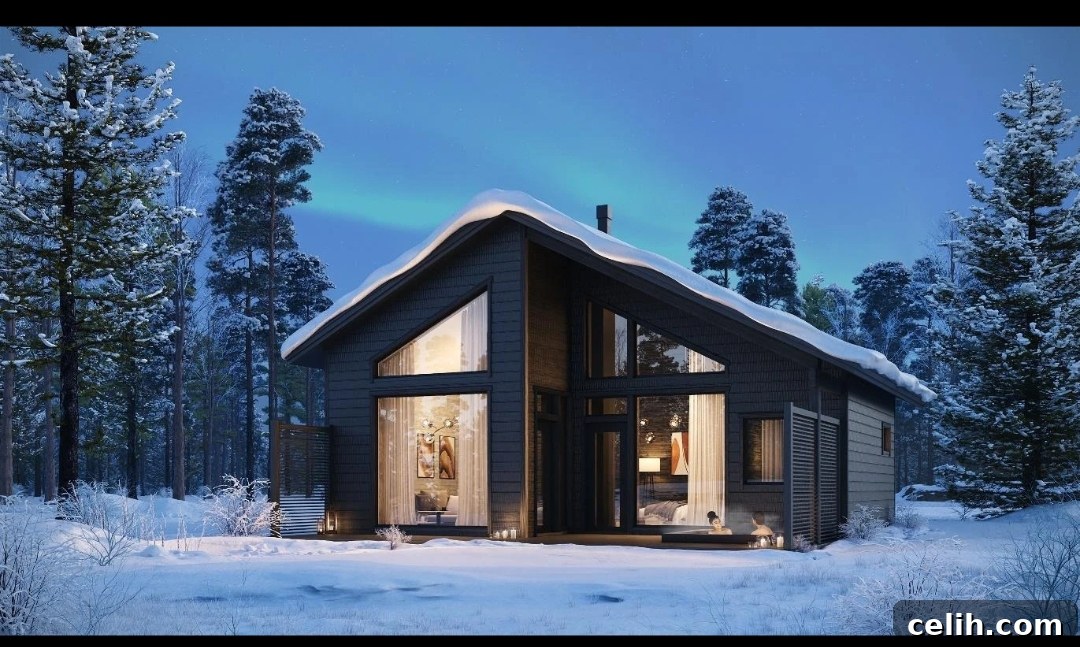
Sustainable exterior rendering is revolutionizing how we envision eco-conscious architecture. By vividly showcasing eco-friendly facades, natural daylight interactions, and authentic material textures in a 3D environment, these visualizations make architectural projects feel inherently honest, transparent, and utterly believable. They move beyond mere aesthetics to communicate a building’s performance and its harmonious integration with its surroundings.
In today’s design landscape, sustainable design is no longer an optional add-on; it has evolved into a foundational expectation from clients right from the initial consultation. Stakeholders are increasingly sophisticated, seeking a deep understanding of how a proposed building will dynamically respond to varying light conditions, local climate patterns, and the inherent properties of its chosen materials under real-world scenarios. This profound shift in client demand underscores why sustainable exterior rendering has rapidly ascended to become an indispensable component of the contemporary architectural design process.
When professional visualization studios undertake the task of rendering exterior views for modern projects, the primary objective is not to craft an image of unattainable perfection. Instead, the overriding goal is to imbue the visual with an undeniable sense of reality. This means prioritizing accurate light behavior, authentic shadow casting, and material representations that convincingly convey genuine textures and imperfections over a flawlessly polished, artificial sheen. An image that appears excessively sterile, unnaturally clean, or overly glossy often triggers an immediate sense of distrust in the viewer, undermining the very credibility the visualization aims to establish.
What Sustainable Exterior Rendering Truly Encompasses
Understanding sustainable exterior rendering extends far beyond the simplistic act of merely adding a few solar panels to a rooftop and declaring a project “green.” At its core, it’s about providing a comprehensive visual narrative of how an entire building system interacts and performs within its specific environmental context. This includes a meticulous portrayal of daylight penetration and glare control, the effectiveness of various shading strategies, the authenticity and thermal properties of chosen materials, and the optimal orientation of the structure itself. Each of these elements plays a critical role in defining a building’s ecological footprint and its long-term operational efficiency.
Clients and stakeholders today are seeking concrete answers to practical questions that directly impact a building’s comfort, efficiency, and appeal. Does the facade exhibit excessive overheating when exposed to direct sunlight during peak hours? Where precisely do shadows fall across the site and building surfaces at different times of the day and year, influencing outdoor comfort zones and natural light within? How will natural materials, such as timber or stone, authentically age and patina over time, impacting both aesthetics and maintenance? A skillfully executed sustainable rendering addresses these vital inquiries with clarity and precision, eliminating the need for lengthy technical explanations or speculative interpretations.
When leading visualization studios approach the task of rendering exterior scenes with a deep commitment to sustainability, their overarching focus remains on honesty and verisimilitude. This translates into the meticulous application of realistic lighting models that accurately simulate the sun’s position and atmospheric conditions, precise shadow mapping that reflects the actual geometry of the environment, and the rendering of materials that possess true-to-life textures and characteristics, devoid of any artificiality. The resulting image should evoke a sense of being deeply rooted and grounded in reality, rather than appearing hyper-polished or idealized to the point of fabrication.
Mastering the Art of Depicting Eco-Friendly Facades the Right Way
Eco-friendly facades are often complex, multi-layered systems that can be exceedingly challenging to convey effectively through traditional two-dimensional drawings alone. Innovative elements such as living green walls, dynamic external shading screens, thermally modified timber cladding, or sophisticated breathable facade systems truly begin to reveal their functional and aesthetic value only when visualized within their intended architectural and environmental context. A detailed 3D exterior rendering possesses the unique capability to articulate how these diverse layers and components integrate seamlessly and operate in concert to achieve specific sustainability goals.
The true essence of effective sustainable visualization lies in illustrating the synergistic interaction of these various architectural components. A building facade is far more than a mere surface; it is a dynamic skin that actively responds to solar radiation, prevailing weather conditions, and its immediate surroundings. When executed with precision and insight, a sustainable rendering naturally and convincingly demonstrates this intricate interplay, showcasing the building as an active participant in its environment, rather than a static object.
Key elements that expert visualization studios typically prioritize and meticulously focus on include:
- Real Daylight Behavior Across the Facade: This involves precise simulation of how sunlight interacts with various facade elements throughout different times of day and seasons, illustrating solar gain, glare potential, and the quality of natural light entering interior spaces.
- Exterior Shading and Its Actual Performance: Detailed visualization of fixed or dynamic shading devices (e.g., brise-soleils, louvers, pergolas) demonstrating their effectiveness in mitigating heat gain and controlling direct sunlight, contributing to occupant comfort and energy efficiency.
- Natural and Recycled Materials with True Texture: Emphasizing the authentic appearance, tactile quality, and environmental benefits of sustainable materials like reclaimed wood, recycled concrete, or low-carbon composites, showcasing their inherent beauty and structural integrity.
- Subtle Weathering Instead of Perfect Finishes: Acknowledging that materials age naturally, this depicts the realistic, organic evolution of surfaces over time due to exposure to elements, fostering a sense of longevity, authenticity, and reduced maintenance expectations.
- Relationship Between the Building and Its Site: Illustrating how the building is strategically oriented and integrated with its landscape, considering factors like wind patterns, views, existing topography, local flora, and water management strategies to enhance passive design and ecological balance.
These meticulously rendered details are crucial in fostering deep trust and confidence among clients, investors, and regulatory bodies. They empower viewers to transcend the screen and genuinely envision the proposed building existing, functioning, and thriving within the tangible reality of the physical world, rather than remaining an idealized, abstract concept.
Why Clients Care More About Sustainability in Visuals
Clients in the contemporary architectural market are significantly more informed and environmentally conscious than ever before. Their inquiries have evolved beyond merely asking if a building is sustainable; they demand comprehensive answers detailing precisely how and why a particular design achieves its sustainability objectives. In this context, compelling visuals play an undeniably pivotal role in delivering these complex answers swiftly and effectively, cutting through technical jargon to provide immediate clarity and understanding.
A robust and thoughtfully crafted exterior rendering becomes an invaluable asset for clients, empowering them to articulately present and advocate for their project to a diverse array of stakeholders, including potential investors, strategic partners, and crucial local officials. It serves as a powerful visual narrative that conveys design intent and commitment to sustainability without relying on verbose technical specifications. Through these visuals, it becomes overtly clear that sustainability is not a superficial afterthought or a mere marketing veneer applied late in the process, but rather an intrinsic, foundational principle deeply woven into the very fabric of the building’s design from its inception. This level of transparency fosters greater confidence and smoother approval processes.
Avoiding the “Greenwashing” Look in Architectural Renders
One of the paramount objectives for professional rendering studios specializing in sustainable architecture is to rigorously avoid what is colloquially known as the “greenwashing” look. This pitfall occurs when visualizations exaggerate or falsely represent a project’s environmental credentials through an excess of unrealistic greenery, an unnatural, overly shiny aesthetic, or lighting that deviates significantly from real-world conditions. Such visual embellishments often undermine the credibility of the entire presentation, as viewers, even those without a technical background, instinctively perceive that something is amiss, leading to a profound sense of distrust in the imagery.
Highly professional visualization studios are steadfast in their commitment to achieving a delicate yet impactful balance. They ensure that green elements, such as living walls or landscaped roofs, are meticulously integrated into the design, appearing as functional and integral components rather than purely decorative additions. Materials are rendered with such fidelity that they evoke a sense of tangibility, inviting viewers to imagine touching their surfaces. Crucially, the lighting scheme is always scrupulously matched to the actual climate, geographic location, and precise time of day or year for the project, ensuring environmental accuracy and authenticity.
Ultimately, the message of sustainability resonates far more convincingly when it is conveyed with subtlety, integrity, and genuine environmental accuracy. A calm, believable, and understated image that authentically represents a building’s sustainable attributes often communicates its value and commitment to ecological principles far more effectively than a loud, overtly stylized, or artificially enhanced visualization. Authenticity, in this realm, is the most powerful persuader.
Long-Term Value: The Enduring Impact of Sustainable Exterior Rendering
The utility of a sustainable exterior rendering extends far beyond its initial purpose as a presentation tool. It frequently evolves into a crucial, dynamic reference point that guides decision-making throughout the entire lifecycle of a project. Architectural teams, contractors, and consultants consistently revisit these detailed visualizations when making critical choices regarding material selection, fine-tuning facade details, optimizing the integration of renewable energy systems, and designing functional and aesthetically pleasing outdoor spaces. This continuous reference ensures that the original sustainable vision remains intact and informs every subsequent development.
Projects that commence with the foundation of clear, honest, and performance-driven exterior visuals tend to progress with remarkable efficiency and fluidity. The early clarity provided by these renderings significantly reduces the potential for misunderstandings between design intent and execution, minimizes costly revisions, and proactively addresses potential surprises that might arise later in the construction phase. This leads to a superior alignment between the ambitious design aspirations and the tangible expectations of all project stakeholders, from clients to end-users.
In essence, if sustainability is a core, non-negotiable component of your architectural project’s ethos, then it must be overtly visible and demonstrably integrated into its very fabric, rather than merely being described in abstract terms. A thoughtfully crafted and technically accurate sustainable exterior rendering serves as the most potent narrative tool, effectively telling that compelling story in a manner that resonates universally and is instantly understood by anyone who encounters it, forging a powerful connection between vision and reality for a greener future.