

Mastering the Home Office: Your Essential Guide to a Productive and Professional Workspace
The allure of starting a business from the comfort of your home is undeniable. Whether it’s the unparalleled flexibility over working hours, the significant time saved from a daily commute, the ability to cultivate a healthier work-life balance, or the considerable cost savings on office rentals and daily expenses, the advantages are plentiful and compelling. However, transforming this dream into a successful, independent venture hinges on one critical factor: establishing a home office environment that actively fosters productivity and minimizes distractions. Without such a dedicated space, you’re likely to find yourself battling against procrastination and a blurred line between your professional and personal life.
While some entrepreneurs might consider significant renovations to create a professional-looking workspace, remember that a functional home office doesn’t always require a hefty upfront investment. Should you choose to explore options for enhancement, resources for financial assistance, such as debt help services, are readily available online to help you manage potential expenses responsibly. The key is strategic planning and smart setup. This comprehensive guide will walk you through essential tips and tricks to design the optimal space for your home business, ensuring you’re set up for long-term success and efficiency.
Cultivating a Dedicated Space: The Foundation of Your Home Office
Consider the humble beginnings of global giants like Amazon, Microsoft, Disney, Apple, and Google. What do these incredibly successful, industry-leading companies have in common? Beyond their monumental achievements, each one famously began its journey in a garage. This powerful anecdote isn’t just an inspiring tale of entrepreneurial spirit; it underscores the profound importance of having a dedicated space, however modest, that is solely committed to your work.
While you don’t necessarily need to convert your garage into a state-of-the-art office, the principle remains crucial. Establishing a space exclusively for work is paramount. This could be anything from a spare room that allows you to physically “shut the door” on your workday, providing an immediate sense of separation and focus, to a prefabricated shed nestled in your garden, offering a tranquil retreat away from household activities. The primary goal is to carve out an area that ensures privacy, minimizes interruptions, and helps you enter a focused mindset whenever you need it most. This psychological and physical boundary is vital for concentration and productivity, signaling to both yourself and others that when you are in this space, you are working.
Defining Your Workspace: More Than Just a Desk
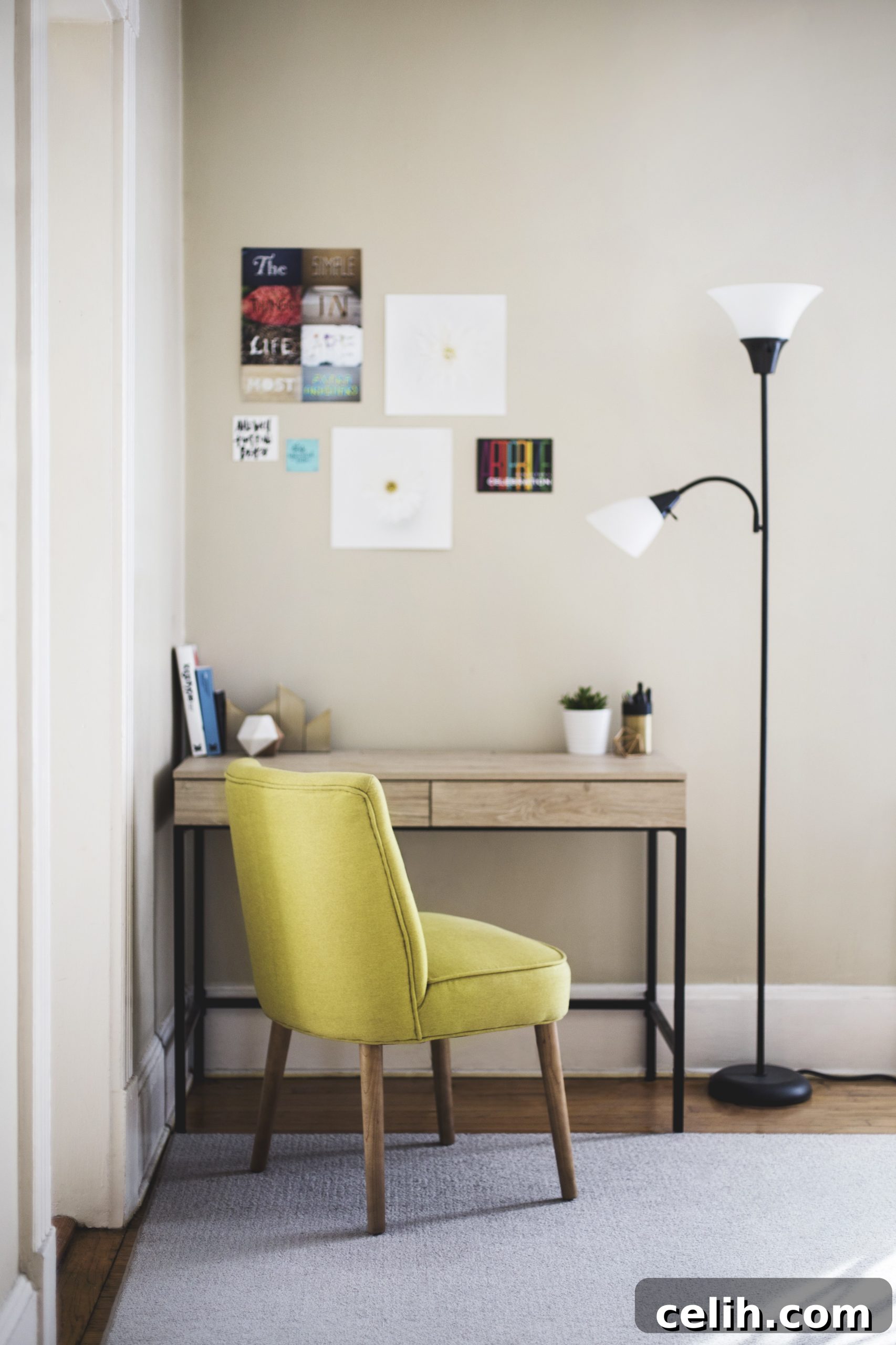
The concept of a “dedicated space” isn’t limited to an entire room. For some, it might be a specific corner of a living room or bedroom, clearly delineated by a screen, a rug, or even a strategically placed bookshelf. The key is to make it distinct from your leisure areas. This physical separation helps mentally compartmentalize your activities, making it easier to transition into work mode and, more importantly, to switch off at the end of the day. A well-defined workspace also allows you to organize your business tools and documents efficiently, keeping them separate from personal clutter and maintaining a professional environment.
Maximizing Your Dedicated Area
Once you’ve identified your dedicated space, consider how to optimize it. Good lighting is essential, ideally incorporating natural light to boost mood and reduce eye strain. Think about the overall ambiance – colors, plants, and minimal decor can create a calm and inspiring environment. Ensure that electrical outlets are accessible for your devices and that you have reliable internet connectivity. The aim is to create an area where you feel comfortable, productive, and isolated enough from household distractions to perform your best work. This dedicated zone will not only enhance your efficiency but also project a professional image, even if your clients never set foot in it.

Establishing and Upholding Home Office Hours
One of the most frequently cited benefits of running a business from home is the coveted flexibility it offers regarding your working hours. While this freedom is a genuine perk, it can also become a double-edged sword if not managed effectively. As Richard Lowe, founder of The Writing King, sagely advises, it’s incredibly beneficial to establish fixed office hours and adhere to them rigorously. Without clear boundaries, you open the door wide to constant interruptions and the insidious creep of work into every aspect of your life.
Lowe recounts his own experience: “I had to make it very clear that if I was in my ‘office,’ at that time a small room to the side of the living room, I was not to be interrupted. At first my family was offended, but eventually, they understood this was not personal—I was trying to make a living and had to set boundaries.” This anecdote highlights a critical truth: setting boundaries isn’t just about protecting your time; it’s about educating those around you on the professionalism and seriousness of your home-based venture. Clear communication about your availability and non-negotiable work periods is essential for harmonious cohabitation and sustained productivity.
The Psychological Benefits of a Fixed Schedule
Beyond warding off external distractions, establishing regular office hours has significant psychological advantages. It helps you mentally transition into “work mode” at the start of your day and, crucially, allows you to “clock out” at the end. This routine fosters a sense of discipline and predictability, which can be surprisingly liberating. Without it, you risk falling into the trap of being “always on,” blurring the lines between work and personal life to an unhealthy degree. This constant connectivity can lead to burnout, decreased motivation, and a diminished sense of achievement.
Strategies for Sticking to Your Schedule
To successfully implement and maintain your home office hours, consider these strategies:
- Communicate Clearly: Inform your family, housemates, and even friends about your working hours. Use a visual cue, like a “Do Not Disturb” sign on your office door, if applicable.
- Create a Routine: Start your workday with a specific routine (e.g., getting dressed, making coffee, reviewing your to-do list) and end it with another (e.g., tidying your desk, planning for tomorrow).
- Schedule Breaks: Integrate regular short breaks to stretch, walk around, or grab a snack. This helps prevent fatigue and keeps you refreshed.
- Be Firm, Yet Flexible: While consistency is key, the beauty of working from home is still the flexibility. Allow for occasional adjustments, but ensure these are conscious decisions, not reactions to interruptions.
- Use Technology Wisely: Utilize calendars, alarms, and productivity apps to manage your time and remind you when to start and finish.
By treating your home business with the same structure and respect you would an external office job, you empower yourself to be more focused, productive, and ultimately, more successful, all while preserving your valuable personal time.
Prioritizing Comfort and Ergonomics in Your Workspace
If your daily routine involves spending several hours seated at your desk, the importance of investing in a comfortable and supportive chair cannot be overstated. This isn’t just about luxury; it’s a critical investment in your long-term health and productivity. While ergonomic chairs might initially appear to be a significant expense, their value becomes evident in the long run, preventing discomfort, reducing the risk of musculoskeletal issues, and allowing you to maintain focus without the constant distraction of aches and pains.
An ergonomic chair is designed to support the natural curvature of your spine, promote good posture, and allow for various adjustments to suit your body type and working style. Look for features like adjustable height, lumbar support, armrests, and seat depth. A properly adjusted chair can dramatically reduce strain on your back, neck, and shoulders, allowing you to work more comfortably and efficiently for extended periods.
The Crucial Role of Your Desk: Sitting vs. Standing
Beyond your chair, your choice of desk is another vital component in creating an ergonomic workspace. Health experts have increasingly drawn parallels between prolonged sitting and serious health risks, often calling “sitting the new smoking” due to its links to increased risks of heart disease, cancer, diabetes, and obesity. While the health benefits of sit-stand desks, which allow you to alternate between sitting and standing throughout the day, may still be a subject of ongoing research, they unequivocally encourage movement—a fundamental aspect of a healthy work routine.
Sit-stand desks offer the flexibility to change positions, which can alleviate pressure points, improve circulation, and help maintain alertness. Even if a full sit-stand desk isn’t feasible, consider options like desktop converters that turn a regular desk into an adjustable standing workstation. If you prefer a traditional seated desk, ensure it’s at the correct height relative to your chair and body. Your forearms should be parallel to the floor, and your wrists should be straight when typing, preventing strain.
Comprehensive Ergonomic Considerations
True ergonomic comfort extends beyond just your chair and desk. Consider these additional factors:
- Monitor Height: Your monitor should be positioned so that the top third of the screen is at eye level, preventing neck strain. Use a monitor stand or books if necessary.
- Keyboard and Mouse: Opt for ergonomic keyboards and mice that fit comfortably in your hands and reduce wrist strain. Position them close to your body to avoid overreaching.
- Lighting: Ensure adequate, glare-free lighting to prevent eye strain. Natural light is best, supplemented by task lighting if needed.
- Regular Movement: Regardless of your setup, make a conscious effort to take short breaks every 30-60 minutes. Stand up, stretch, walk around, or do some light exercises. This minimizes the detrimental effects of prolonged static postures.
By prioritizing ergonomic principles in your home office design, you’re not just creating a more comfortable workspace; you’re actively safeguarding your health, enhancing your productivity, and ensuring the longevity of your home-based career.
The Imperative of Separating Business and Personal Finances
While a healthy work-life balance is undoubtedly one of the most attractive advantages of operating your own home office, it’s crucial to recognize that certain aspects of your business must remain strictly within the professional realm. Foremost among these is your financial management. Mixing business and personal finances can lead to a tangled mess that creates significant headaches, particularly when it comes to taxes, auditing, and maintaining a clear understanding of your company’s true financial health.
“It’s important to make sure business and personal checking and savings accounts are separate,” advises Jeff White of Fit Small Business. This separation, he explains, will save you “loads of time and effort at tax time, not to mention throughout the year if you pay quarterly.” The simplicity of having distinct accounts means that every transaction clearly falls into either a business or personal category, eliminating the need for painstaking manual reconciliation later. Furthermore, White stresses that “if you are ever audited, having a business bank account will make it much easier to prove that your books are balanced correctly.” This is not merely a convenience; it’s a critical layer of protection for your business.
Why Financial Separation is Non-Negotiable
- Legal Protection: For businesses structured as LLCs or corporations, maintaining separate finances is crucial for upholding the “corporate veil,” which protects your personal assets from business liabilities. Co-mingling funds can lead to a court disregarding this protection.
- Simplified Tax Preparation: When all business income and expenses flow through a dedicated business account, tax time becomes significantly less burdensome. You won’t have to sift through personal statements to identify business-related transactions, reducing errors and saving precious time and money on accounting fees.
- Clear Financial Overview: Separate accounts provide an accurate snapshot of your business’s financial performance. You can easily track profits, losses, cash flow, and expenses without personal transactions clouding the picture. This clarity is essential for strategic planning, making informed business decisions, and identifying areas for growth or cost reduction.
- Professionalism and Credibility: Having dedicated business accounts projects a more professional image to clients, suppliers, and lenders. It demonstrates that you treat your home business as a serious, legitimate enterprise.
- Easier Budgeting and Forecasting: With distinct financial records, budgeting for your business becomes straightforward. You can allocate funds specifically for marketing, operations, or equipment, and more accurately forecast future financial needs.
Beyond Bank Accounts: Other Financial Best Practices
While separate bank accounts are the cornerstone, consider these additional financial practices:
- Dedicated Credit Cards: Use a business credit card for all company-related purchases. This further segregates expenses and can help build your business credit history.
- Expense Tracking Software: Utilize tools like QuickBooks, Xero, or FreshBooks to categorize and track all business income and expenses. These platforms integrate with your bank accounts and streamline financial reporting.
- Professional Invoicing: Use professional invoicing software to send clear, branded invoices to clients, ensuring timely payments and accurate income records.
- Payroll Separation: If you pay yourself a salary or draw, ensure it’s a clear transaction from your business account to your personal account, not ad-hoc withdrawals.
By rigorously separating your business and personal finances, you establish a solid foundation for financial transparency, legal compliance, and strategic growth, allowing you to manage your home business with confidence and clarity.
Harnessing Technology for a Seamless Home Office Experience
In today’s digital age, a productive home office is intrinsically linked to robust technology and seamless connectivity. Your internet connection, computer, and essential peripherals form the backbone of your operations, making their reliability and functionality non-negotiable. Investing wisely in these areas can significantly impact your efficiency and professionalism.
Reliable Internet and Communication
A fast and stable internet connection is arguably the most critical technological component of any home office. Without it, online meetings stutter, file transfers crawl, and cloud-based applications become unusable. Prioritize a high-speed broadband plan and consider a backup option, such as mobile hotspot, if your work is highly dependent on constant connectivity. Additionally, invest in reliable communication tools: a clear webcam, a high-quality microphone or headset, and professional video conferencing software are essential for effective virtual meetings and client interactions.
Essential Hardware and Software
Your computer should be powerful enough to handle your daily tasks without lag, whether that’s graphic design, coding, extensive document creation, or managing complex databases. Ensure it has sufficient RAM, processor speed, and storage. Beyond the computer, consider other peripherals: a reliable printer/scanner for physical documents, an external hard drive or cloud service for data backups, and a second monitor to enhance multitasking capabilities. For software, invest in productivity suites (e.g., Microsoft 365, Google Workspace), industry-specific applications, and robust cybersecurity solutions to protect your valuable data from threats.
Minimizing Distractions and Maximizing Focus
Even with a dedicated space and fixed hours, the home environment can present unique challenges in terms of distractions. Proactively addressing these can significantly boost your concentration and productivity.
A Clutter-Free and Organized Workspace
A tidy desk leads to a tidy mind. Regularly declutter your workspace, keeping only essential items within reach. Utilize organizational tools like file cabinets, drawer dividers, and digital note-taking apps to maintain order. A visually calm environment reduces mental load and helps you focus on the task at hand.
Combating Noise and Interruptions
Noise can be a major productivity killer. If your home environment is prone to sounds from family, pets, or neighbors, consider noise-canceling headphones. Create a “do not disturb” protocol for family members. For self-inflicted distractions, turn off non-essential notifications on your phone and computer, and resist the urge to constantly check social media. Time management techniques like the Pomodoro Technique (working in focused 25-minute intervals with short breaks) can train your brain to concentrate better.
Personalization and Inspiration: Making Your Office Your Own
Your home office should not just be functional; it should also be a place that inspires you and makes you feel good. Personalizing your space can significantly impact your mood and creativity.
Embracing Natural Light and Greenery
Maximize natural light whenever possible. Position your desk near a window to benefit from daylight, which can improve mood, reduce eye strain, and boost overall well-being. Incorporating plants can also bring life and a sense of calm to your space, with some studies even suggesting they can improve air quality and reduce stress.
Incorporate Elements That Motivate You
Surround yourself with elements that motivate and inspire you. This could be anything from framed artwork or photographs that evoke positive feelings, to inspirational quotes, vision boards, or mementos of past achievements. The goal is to create an environment that energizes you and reminds you of your business goals, making your workspace a place you genuinely enjoy spending time in.
For even more ideas on crafting the perfect office at home, delve into resources like our guide on creating a functional home office, insights on choosing furniture for your home office, and Sara’s detailed review of the Pro Plus 36 Varidesk, an excellent solution for those seeking the flexibility to sit or stand while they work.
Conclusion: Building Your Pathway to Home Business Success
Establishing a successful home business extends far beyond just having a great idea or offering a valuable service. It critically depends on cultivating an environment that supports your efforts, fosters productivity, and maintains a healthy boundary between your professional aspirations and personal life. By meticulously planning and executing the setup of your home office, you lay a robust foundation for long-term achievement and well-being.
From dedicating a specific space that signals “work time,” to meticulously scheduling your hours and communicating these boundaries, and from prioritizing ergonomic comfort to safeguard your health, to rigorously separating your business and personal finances for clarity and protection – each step is an investment in your success. Embracing technology, actively minimizing distractions, and personalizing your workspace further enhance your ability to perform at your best.
Your home office is more than just a room or a desk; it’s the nerve center of your entrepreneurial journey. By treating its setup with the care and strategic thought it deserves, you empower yourself to harness the full potential of working from home, transforming flexibility into focus, and ambition into tangible results. Build your ideal home office, and watch your business thrive.