
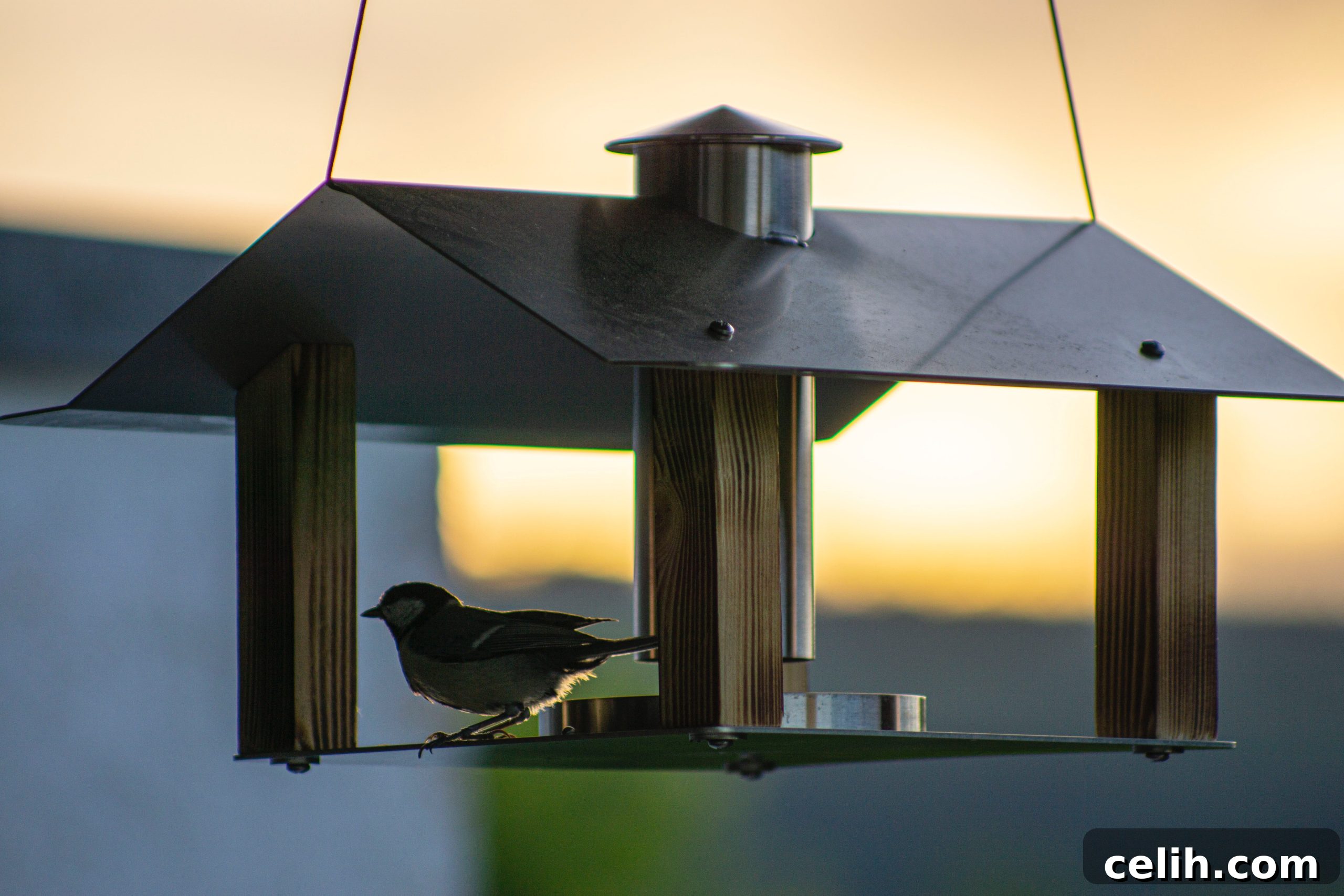
When it comes to selecting materials for outdoor environments, few options rival the versatility and resilience of stainless steel. Its inherent durability, remarkable weather resistance, and ease of maintenance position it as a prime contender for a vast array of applications, from elegant patio furniture to robust architectural elements and essential grill covers. But beyond its widespread popularity, how does stainless steel truly stack up as the optimal choice for the demanding conditions of the outdoors? We consulted experts, including The Engraving People, to delve deeper into the multifaceted benefits and potential drawbacks of integrating this remarkable material into your exterior spaces.
Understanding Stainless Steel: A Foundation of Durability
At its core, stainless steel is not merely a single metal but rather an alloy – a sophisticated blend of steel with chromium and, often, other elements like nickel and molybdenum. It is the addition of chromium, typically at least 10.5% by mass, that grants stainless steel its signature resistance to corrosion and staining. This chromium reacts with oxygen in the atmosphere to form a thin, transparent, passive layer on the surface of the steel. This invisible film is self-repairing, meaning if it’s scratched or damaged, it reforms instantly in the presence of oxygen, offering continuous protection against rust and other forms of degradation.
This unique composition makes stainless steel an exceptionally suitable material for outdoor furniture, appliances, railings, and myriad other objects that are consistently exposed to moisture, varying temperatures, and other environmental stressors. Its robust nature means it can withstand considerable wear and tear, ensuring longevity and performance even in challenging conditions.
While stainless steel stands out as an excellent choice for a multitude of outdoor applications, it’s crucial to acknowledge that selecting the right grade and understanding its specific care requirements are key to maximizing its benefits. Although generally low-maintenance, a thoughtful approach to its use and upkeep will ensure it remains a visually appealing and functional asset for years to come. Considerations such as environmental exposure – particularly coastal areas with high salt content – can influence the optimal type of stainless steel to use.
Before committing to stainless steel for your next outdoor project, it’s wise to weigh all factors. Let’s explore the comprehensive pros and cons of utilizing this versatile and resilient metal in an outdoor setting, helping you make an informed decision tailored to your specific needs and expectations.
The Undeniable Advantages of Stainless Steel for Outdoor Use
Stainless steel offers a compelling suite of benefits that make it a standout choice for nearly any outdoor application:
- Exceptional Durability and Strength: One of the primary reasons for its popularity, stainless steel is inherently strong and resistant to impacts, bending, and deformation. This robust nature ensures that outdoor structures, furniture, and fixtures maintain their integrity and functionality even under heavy use or exposure to physical stressors. Its high tensile strength means it can withstand significant loads, making it ideal for structural components like railings and supports.
- Superior Weather Resistance: Thanks to its chromium content, stainless steel possesses remarkable resistance to various forms of corrosion, including rust, pitting, and crevice corrosion. It stands up admirably to rain, snow, ice, extreme temperatures (both hot and cold), and UV radiation, ensuring that its appearance and structural integrity are preserved over time. This makes it an incredibly reliable material for all climates and seasonal changes.
- Effortless Cleaning and Low Maintenance: The non-porous surface of stainless steel makes it incredibly hygienic and easy to clean. Dirt, grime, and environmental pollutants tend not to adhere strongly, allowing for simple wipe-downs to restore its luster. Unlike other metals that may require regular painting, sealing, or anti-corrosion treatments, stainless steel typically needs only occasional cleaning, significantly reducing long-term maintenance efforts and costs.
- Impressive Longevity and Cost-Effectiveness: While the initial investment in stainless steel might be higher than some alternative materials, its extraordinary lifespan presents significant long-term savings. Its resistance to degradation means fewer replacements or extensive repairs are necessary over decades, making it a highly cost-effective choice. This durability translates into a lower total cost of ownership, making it a wise investment for both residential and commercial projects.
- Sophisticated Aesthetics and Modern Appeal: Stainless steel boasts a sleek, contemporary aesthetic that can elevate the design of any outdoor space. Its metallic sheen, available in various finishes (brushed, polished, matte), complements a wide range of architectural styles, from minimalist modern to industrial chic. It offers a clean, sophisticated look that adds a touch of elegance and visual interest, making it a favorite among designers and homeowners alike.
- Hygienic Properties: The non-porous surface not only makes it easy to clean but also inhibits the growth of bacteria, mold, and mildew. This characteristic is particularly beneficial for outdoor kitchen components, food preparation surfaces, and areas where cleanliness is paramount.
- Environmental Friendliness: Stainless steel is 100% recyclable, and a significant portion of new stainless steel is produced from recycled scrap. This makes it an environmentally responsible choice for those looking to minimize their ecological footprint. Its longevity further reduces waste by decreasing the need for frequent replacements.
Potential Disadvantages of Stainless Steel for Outdoor Use
While the benefits are numerous, it’s important to consider the potential downsides of stainless steel to ensure it aligns perfectly with your project requirements:
- Higher Upfront Costs: Compared to some other outdoor materials like treated wood, aluminum, or certain plastics, stainless steel can have a higher initial purchase price. This is due to the cost of raw materials (chromium, nickel) and the specialized manufacturing processes involved. Budgeting for this initial investment is crucial, although it is often offset by its longevity.
- Specific Maintenance Requirements (Prevention): While generally low-maintenance, stainless steel isn’t entirely “set it and forget it.” It can be susceptible to “tea staining” – a superficial brown discoloration, particularly in coastal or polluted industrial environments, if not cleaned regularly. Furthermore, exposure to certain chemicals (e.g., chlorine from pools without proper ventilation, strong acids) can compromise its passive layer and lead to corrosion. Therefore, strategic placement and periodic, correct cleaning are essential, which differs from the maintenance needs of other materials like painting wood or sealing concrete.
- Aesthetic Preferences (Subjective): The shiny, reflective finish of some stainless steel products may be perceived as too “flashy,” “cold,” or “sterile” by individuals who prefer warmer, more rustic, or natural aesthetics. While various finishes are available, the inherent metallic look may not appeal to everyone’s design sensibilities, potentially clashing with certain traditional or naturalistic outdoor themes.
- Susceptibility to Scratches and Dents: Despite its durability, stainless steel surfaces, especially highly polished ones, can show scratches and dents if not handled with reasonable care. While minor scratches can sometimes be buffed out, deeper damage can be permanent. This requires consideration, particularly for high-traffic areas or items prone to impact.
- Galvanic Corrosion Risk: When stainless steel is in direct contact with certain dissimilar metals (e.g., copper, brass, carbon steel) in the presence of an electrolyte (like rainwater), galvanic corrosion can occur. This electrochemical reaction can accelerate the corrosion of the less noble metal. Proper design and insulation between different metals are essential to prevent this issue.
- Heat Absorption and Retention: In direct sunlight, stainless steel can absorb and retain heat, becoming quite hot to the touch. This can be a concern for furniture surfaces, handrails, or outdoor kitchen counters where direct skin contact is frequent, potentially causing discomfort or even burns if not mitigated by shade or design.
- Fingerprints and Smudges: Highly polished stainless steel surfaces can easily show fingerprints, smudges, and water spots, requiring more frequent cleaning to maintain a pristine appearance. This is a common complaint, particularly for high-touch items or appliances.
Choosing the Right Grade of Stainless Steel for Your Outdoors
Not all stainless steel is created equal. Understanding the different grades is crucial for outdoor applications:
- 304 Stainless Steel: This is the most common and versatile grade, known as “18/8” due to its 18% chromium and 8% nickel content. It offers excellent corrosion resistance for general outdoor use, performing well in most environments. It’s ideal for urban and suburban settings, common patio furniture, and architectural accents.
- 316 Stainless Steel: Often referred to as “marine grade” stainless steel, 316 contains molybdenum in addition to chromium and nickel. This molybdenum significantly enhances its resistance to chlorides, making it superior for highly corrosive environments such as coastal areas (salt spray), swimming pool surrounds (chlorine exposure), and industrial areas with high pollution. While more expensive, 316 provides an indispensable layer of protection where 304 might eventually show signs of pitting corrosion.
Effective Cleaning and Maintenance for Outdoor Stainless Steel
Maintaining the pristine appearance and corrosion resistance of your outdoor stainless steel is simpler than you might think, primarily revolving around regular cleaning and avoiding harsh treatments. To clean your stainless steel, a basic wipe-down with a damp cloth followed by drying with a soft towel is often sufficient. For more stubborn spots, smudges, or accumulated grime, a mild soap and water solution works wonders. Always remember to rinse the area thoroughly after cleaning to remove any soap residue, which can cause streaking or dullness.
For optimal results and to ensure your stainless steel remains in top condition for many years, adhere to these essential cleaning and care guidelines:
- Act Swiftly on Spills: Address spills, food residues, and environmental deposits (like bird droppings or tree sap) as soon as possible. Prompt removal prevents staining and etching, especially from acidic substances.
- Steer Clear of Harsh Chemicals and Abrasives: Never use cleaners containing bleach, chlorine, strong acids, or abrasive scrubbers (like steel wool or scouring pads). These can damage the passive layer, lead to pitting, or scratch the surface, compromising the steel’s corrosion resistance and appearance.
- Utilize Warm Water and Mild Soap: For general cleaning and tough spots, prepare a solution of warm water and a gentle dish soap. Apply with a soft cloth or sponge, always wiping in the direction of the metal’s grain to avoid visible streaks.
- Rinse Thoroughly: After cleaning, rinse the entire surface completely with clean water. Any lingering soap residue can dry and leave behind unsightly film or streaks, especially in hard water areas.
- Dry Completely to Prevent Water Spots: Immediately dry the cleaned area with a soft, lint-free cloth or microfiber towel. This prevents water spots, streaks, and mineral deposits, leaving a gleaming, unblemished finish. Pay particular attention to drying in crevices and corners where water might collect.
- Consider Specialized Cleaners: For stubborn stains or to restore shine, consider using commercially available stainless steel cleaners and polishes. These products are formulated to clean without damaging the surface and often leave a protective barrier against fingerprints and minor smudges.
- Address “Tea Staining”: If slight brown discoloration (tea staining) occurs, particularly in coastal areas, it can often be removed with a mild oxalic acid-based cleaner specifically designed for stainless steel. Follow product instructions carefully and rinse thoroughly.
With consistent and proper care, your outdoor stainless steel items will not only retain their functional integrity but also continue to contribute a sophisticated and clean aesthetic to your outdoor living spaces for decades.
Diverse Applications of Stainless Steel in Outdoor Design
The adaptability of stainless steel means it can be integrated into almost any outdoor design scheme, offering both aesthetic appeal and practical functionality. Its applications are extensive:
- Outdoor Furniture: From sleek dining sets and lounge chairs to coffee tables and benches, stainless steel frames provide exceptional stability and weather resistance.
- Architectural Elements: Railings for decks and stairs, balustrades, gates, and fences benefit immensely from stainless steel’s strength and corrosion resistance, ensuring safety and long-term beauty.
- Outdoor Kitchens: Countertops, cabinetry, grill components, and appliance facings in outdoor kitchens thrive with stainless steel due to its hygiene, heat resistance, and easy cleaning.
- Planters and Garden Features: Modern planters, water features, and sculptures crafted from stainless steel add a contemporary touch and resist weathering without deteriorating.
- Lighting Fixtures: Outdoor lighting, whether path lights or wall-mounted fixtures, often utilize stainless steel for its durability and ability to withstand the elements, ensuring consistent performance.
- Signage and Bollards: Public and commercial outdoor spaces frequently use stainless steel for durable, low-maintenance signage and protective bollards.
Conclusion: A Wise Investment for Enduring Outdoor Beauty and Functionality
Stainless steel unequivocally stands out as an ideal material for a vast array of outdoor applications, thanks to its exceptional durability, unparalleled ease of cleaning, and inherent rust-resistant properties. Its versatility allows it to be seamlessly integrated into diverse purposes, ranging from robust deck railings and secure gates to stylish fences and sophisticated furniture pieces. While the initial cost of stainless steel may be perceived as higher compared to some alternative materials available on the market, its extended lifespan, minimal maintenance requirements, and enduring aesthetic appeal collectively transform it into an exceptionally wise and valuable investment.
Choosing stainless steel for your outdoor projects means investing in a material that promises longevity, resilience against the elements, and a perpetually modern and clean look. By understanding its characteristics, selecting the appropriate grade, and adhering to simple care routines, you ensure that your outdoor spaces remain beautiful, functional, and resistant to the passage of time. It’s a material that delivers on its promise, enhancing the quality and appeal of any exterior setting for many years to come.