
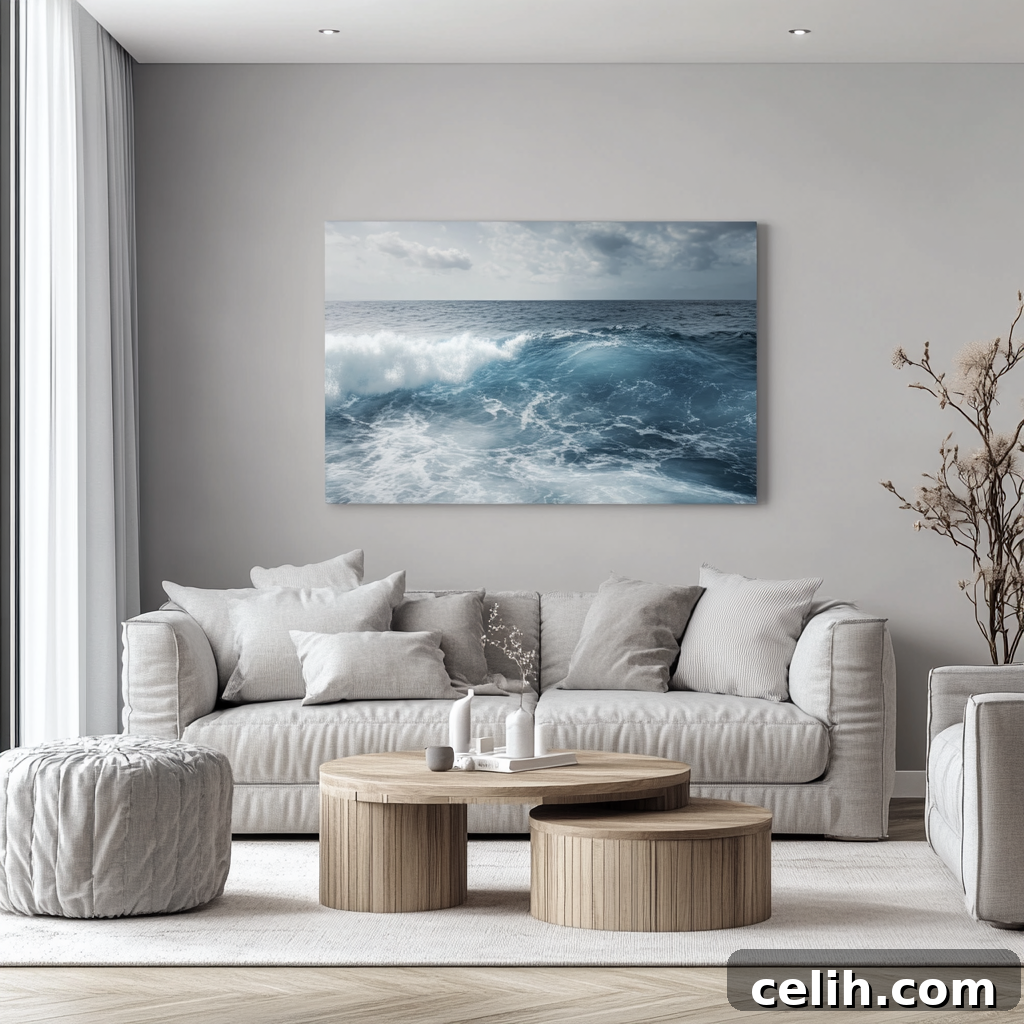
The journey from design inspiration to tangible reality often feels like crossing an ocean. You pore over glossy magazine pages, losing yourself in images of sun-drenched marble counters, bespoke furniture, and perfectly curated spaces. You envision your life unfolding in such an environment. Then, your gaze drifts back to your own living space – perhaps a sea of beige, a wobbly flat-pack chair, and a lingering scent of last night’s dinner. The chasm between aspiration and actuality can seem vast, making the concept of a “dream home” feel like an unattainable fantasy reserved only for the privileged few.
However, this fantasy isn’t as elusive as it appears. It has a practical blueprint, accessible not just to those with a professional interior designer on speed dial, but to anyone willing to look closer. The secret to transforming your everyday dwelling into a gallery-level design masterpiece is less about an unlimited budget and more about crystal-clear intention and a discerning eye. What aesthetics truly captivate you? Which visuals do you consistently save to your Pinterest boards, only to forget when it comes time to execute your own projects?
This article will guide you beyond the superficial gleam of luxury to uncover the foundational principles that define those envy-inducing interiors. We’ll explore how to replicate that coveted feel in your own home, regardless of your zip code or financial constraints. Discover how to infuse sophistication and serene beauty into your surroundings, turning inspiration into tangible, livable art.
Beyond Bling: Prioritize Composition Over Cost
The most compelling rooms aren’t necessarily the most expensive; they are, without exception, the most thoughtfully composed. Their allure stems from a harmonious balance of elements: strategic lighting, engaging material contrasts, and a clear focal point. It’s less about ostentatious Italian marble and more about the art of thoughtful restraint. This is the fundamental principle that most gallery-inspired homes master. They don’t attempt to incorporate every trend or lavish detail. Instead, they select a few key elements and execute them flawlessly, allowing the inherent qualities of the space itself to do the rest of the talking.
The next time you find yourself captivated by interior galleries or luxury home listings, pause your scroll and engage your analytical eye. Ask yourself: what immediately draws my attention? Is it the dramatic, oversized artwork? The innovative architectural lighting? Or perhaps the unexpected interplay of materials? These specific elements are the true blueprint for sophisticated design, far more valuable than any price tag. By dissecting these compositions, you begin to understand the grammar of high-end aesthetics and how to apply it within your own four walls.
Harvest Authenticity: Leverage Real Homes as Your Design Moodboard
Design inspiration is abundant in the digital age, yet much of it is often staged to perfection, over-styled for photography, or exists in a purely aspirational, almost unattainable digital realm. This can make translating ideas into your actual home feel daunting. A more authentic and pragmatic source of inspiration can be found in real estate listings – actual homes that people either currently inhabit or are preparing to. These spaces offer a grounded perspective, showcasing design in a lived-in context rather than a sterile studio setting.
Consider resources like the Gallery of Fine Homes by Harvey Kalles Real Estate. Such curated collections transcend mere property sales, functioning as a dynamic, living design feed. They present high-end interiors that retain their integrity, unmarred by excessive filters or diluted by fleeting algorithm-driven trends. These platforms offer invaluable insights into how natural light truly interacts with dark wood floors in a mid-century layout, or how textured wall treatments perform in genuine living rooms, not just pristine showrooms. Observing these authentic spaces can teach you more about practical aesthetics and functionality than any meticulously styled magazine spread, revealing how real materials and light work together to create an atmosphere.
Master the Essentials: Three Core Elements to Adapt for Your Space
Elevating your home design doesn’t require a complete overhaul; it starts with understanding and applying fundamental principles. Here are three key elements frequently found in sophisticated interiors, which you can creatively adapt for your own space:
1. Simplicity with Substance: The Art of Intentional Contrast
The hallmark of many high-end interiors lies in their embrace of clean, uncluttered shapes and lines. Yet, this simplicity is never sterile; it is consistently grounded and enriched by deliberate texture and material contrast. Imagine a plush, minimalist cream sofa beautifully juxtaposed with sleek, matte black lighting fixtures. Or flat-front, contemporary cabinetry artfully balanced by the warm, grainy texture of an oak island. This approach isn’t about stark emptiness; it’s about a measured, thoughtful interplay of elements that adds depth and interest without overwhelming the senses.
Everyday Transformation: Begin by decluttering and editing down unnecessary patterns or busy decor. Focus on integrating one or two tactile elements that introduce richness. Consider flowing linen drapes, a collection of handmade matte ceramic pieces, or an oversized woven pendant light fixture. These choices add visual weight and sensory appeal, transforming a flat space into one with subtle, inviting layers.
2. Defined Lighting Zones: Sculpting Space and Mood
Lighting is far more than mere illumination; it’s a powerful tool for defining and shaping space, influencing mood, and highlighting architectural features. In sophisticated homes, lighting is orchestrated to create distinct zones and guide the eye. Think of a statement pendant light elegantly suspended over a dining area, a soft, low floor lamp casting a warm glow in a cozy reading corner, or a precise line of spotlights illuminating a kitchen island. In gallery-inspired interiors, lighting isn’t an afterthought; it’s a critical component that dictates where to look, what to appreciate, and how to feel within the room.
As demonstrated in this Architectural Digest video, three designers transformed the same Victorian room, and it was their distinct lighting strategies that singularly altered the entire mood and perceived functionality of the space. The effectiveness isn’t determined by the sheer number of light fixtures you possess, but rather by their strategic placement, their specific purpose, and the quality and kind of light they emit.
Everyday Transformation: Aim for at least three distinct light sources in each room to create a layered and dynamic effect. Incorporate one ambient light source for overall illumination (like a ceiling fixture with a dimmer), one task light for specific activities (such as a desk lamp or under-cabinet lighting), and one aesthetic or accent light to highlight decor or create ambiance (like a picture light or a decorative table lamp). Bonus points if you can minimize or eliminate harsh, unflattering overhead fluorescents.
3. Negative Space as a Feature: The Power of the Unfilled
A common misconception about luxury interiors is that every surface must be adorned or every corner filled. On the contrary, sophisticated spaces master the art of leaving emptiness. This isn’t laziness or a lack of ideas; it’s a deliberate design choice known as negative space. It manifests as a pristine blank wall that allows a single piece of art to command attention, a clear stretch of hallway that offers visual relief, or a coffee table thoughtfully styled with only one exquisite book and a delicate object. Negative space serves as a crucial visual pause, allowing the eye to rest and appreciate the elements that are present, preventing sensory overload and creating a sense of calm and expansiveness.
Everyday Transformation: Challenge yourself to remove five non-essential objects from a room. Look for areas that feel cluttered or overly busy. Once removed, resist the urge to immediately fill those newly created gaps. Allow the space to breathe and observe how this intentional emptiness enhances the presence of your remaining cherished items. This practice not only declutters but also elevates the perceived value and impact of your chosen decor, making the room feel more intentional and serene.
Beyond Observation: Integrate Design into Daily Living
The most successful design is often the one that seamlessly integrates into your life, becoming so intuitive and functional that you cease to consciously notice its individual details. This happens when every element is working in harmony, contributing to an overall sense of ease and well-being. Gallery-inspired homes achieve their effect precisely because they don’t demand constant attention or shout for validation. Instead, they subtly whisper tales of continuity, clarity, and effortless comfort.
You have the power to cultivate this same atmosphere within your own space, gradually and thoughtfully. It’s a journey of small, intentional steps: introducing a new, thoughtfully chosen light fixture here, upgrading a worn photo frame there, or simply removing an item that creates visual clutter. The goal is to reduce noise and enhance intent. By focusing on composition, selecting elements with purpose, and embracing the power of light and space, you can transform your home into a personal gallery – a place that not only looks beautiful but profoundly enhances your daily living experience.