
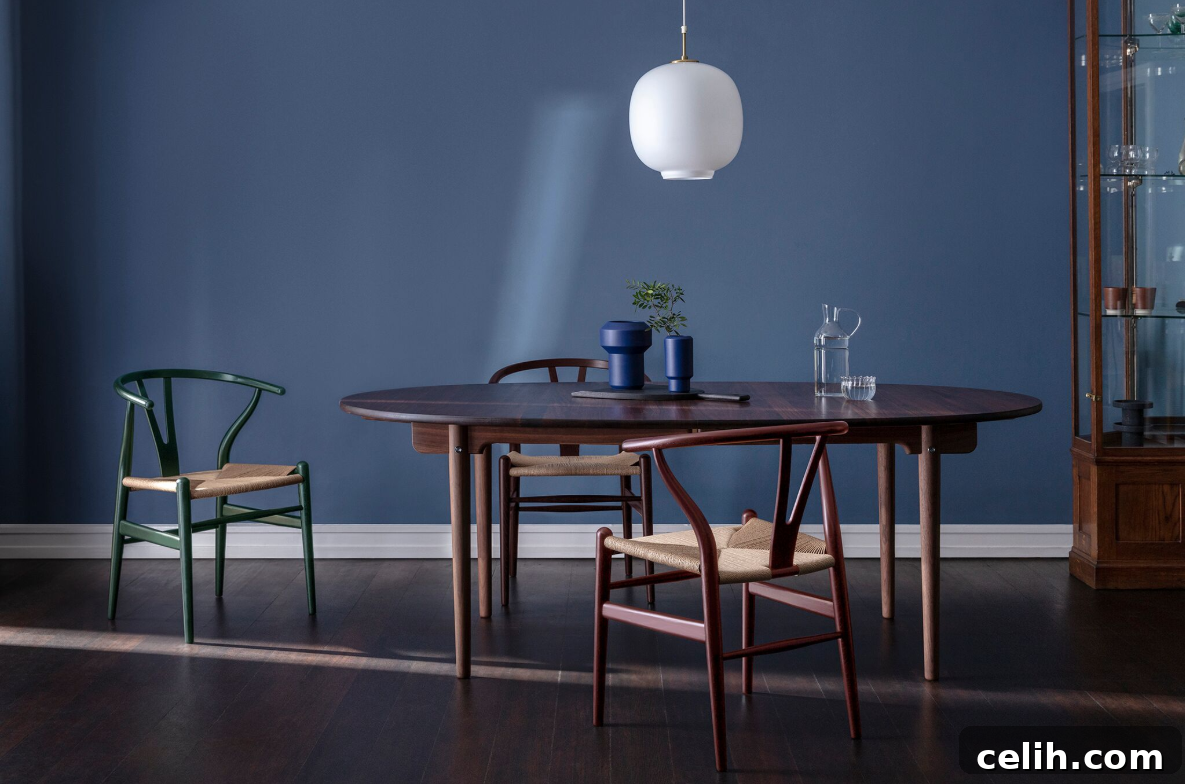
In the vast landscape of furniture design, certain pieces transcend mere utility to become true icons, recognized instantly and revered for their enduring beauty, innovative spirit, and timeless appeal. These aren’t just chairs; they are statements, historical markers, and works of art that continue to inspire and furnish spaces across the globe. From groundbreaking material experiments to masterful reinterpretations of classic forms, the world of seating offers a rich tapestry of creativity. In this comprehensive exploration, we delve into the stories behind five of the most beloved and influential classic chairs – designs that have not only shaped the furniture industry but have also become cherished elements in countless homes and public spaces. Prepare to discover the genius, the craftsmanship, and the sheer magnetism that makes these chairs truly unforgettable.
1. The Verner Panton S Chair: A Sculptural Revolution in Plastic
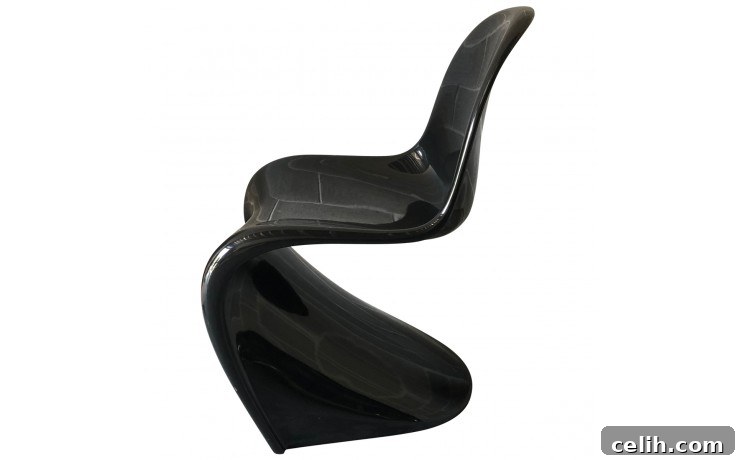
The Verner Panton S Chair stands as a monumental achievement in modern furniture design, a testament to its creator’s audacious vision and the revolutionary potential of new materials. Designed by the visionary Danish designer Verner Panton for Hermann Miller, and later produced by Vitra, this chair shattered conventional notions of seating when it was first introduced. It holds the distinction of being the very first cantilever chair to be manufactured from a single piece of injection-molded plastic. This pioneering technique allowed Panton to realize his long-held dream of creating a chair that was both structurally sound and aesthetically fluid, a continuous wave-like form that seemed to defy gravity.
Panton’s design philosophy was deeply rooted in experimentation with forms, colors, and materials. The S Chair, with its distinctive undulating silhouette, perfectly embodies this spirit. Its ergonomic shape is not merely for show; it cradles the body, providing a surprising level of comfort that belies its minimalist appearance. Beyond its inherent comfort, the S Chair is remarkably practical. Its stackable nature makes it ideal for a variety of settings, from contemporary dining rooms to conference halls, offering versatility without compromising on style. The chair’s sleek lines and vibrant potential for color brought a futuristic, pop-art sensibility to interiors of the 1960s and beyond, making it an instant icon.
While numerous imitations have emerged over the decades, none quite capture the original’s integrity and design prowess. Investing in an authentic Verner Panton S Chair means owning a piece of design history – a chair that not only represents a pivotal moment in material innovation but also continues to be celebrated for its sculptural beauty and enduring comfort. It’s a piece that remains as fresh and forward-thinking today as it was at its inception, cementing its status as an indispensable classic in the pantheon of furniture design.
2. The Hans J. Wegner Wishbone Chair (CH24): Danish Craftsmanship and Timeless Elegance
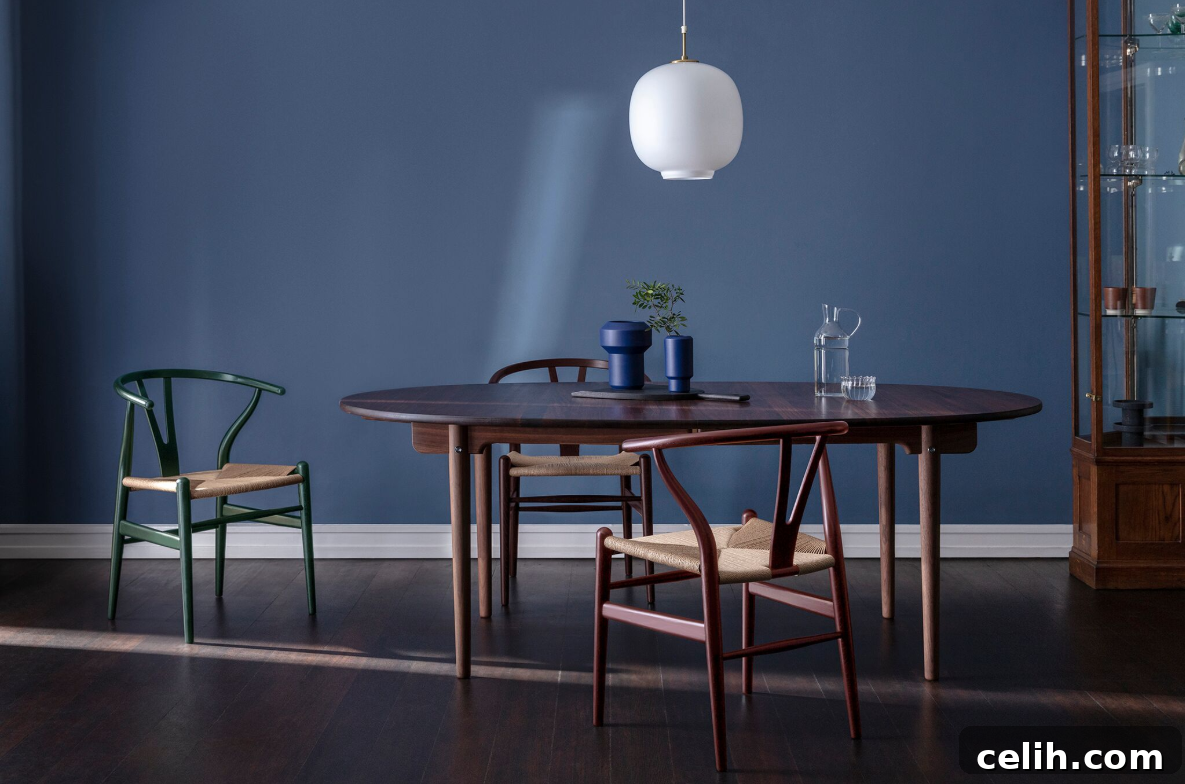
The Wishbone Chair, also known as the CH24, designed by the master of Danish Modern, Hans J. Wegner, is a true testament to the power of thoughtful design and impeccable craftsmanship. Created in 1949 for the esteemed Danish manufacturer Carl Hansen & Søn, this chair rapidly ascended to iconic status and remains one of the most recognizable and beloved dining chairs in the world. Wegner’s approach to design was characterized by a deep respect for natural materials, an understanding of form that prioritizes comfort, and an unwavering commitment to quality – principles beautifully exemplified in the Wishbone Chair.
Wegner’s inspiration for the CH24 can be traced back to classical Chinese armchairs, particularly those from the Ming Dynasty. He successfully distilled the essence of these historical forms, simplifying them into a light, elegant, and highly functional piece perfectly suited for modern living. The chair’s most distinctive feature, the Y-shaped backrest (which gives it its “wishbone” moniker), provides gentle support while allowing for flexible seating positions. This unique element, along with the gracefully curved top rail and the hand-woven paper cord seat, speaks volumes about the meticulous attention to detail and traditional woodworking techniques employed in its creation.
Sitting in a Wishbone Chair, one immediately understands its enduring appeal. It’s not just a chair; it’s an experience of comfort, stability, and aesthetic pleasure. The natural materials – typically solid wood like oak, beech, or ash, complemented by the durable paper cord – age beautifully, acquiring a rich patina over time that tells a story of years of use and appreciation. Carl Hansen & Søn continues to produce the Wishbone Chair with the same dedication to quality and craftsmanship as when it was first conceived. Occasionally, special editions are released in new finishes or colors, offering contemporary twists on a timeless classic.
The Wishbone Chair transcends trends, embodying the very best of Scandinavian design. It’s a piece that seamlessly integrates into a myriad of interior styles, from minimalist to rustic, industrial to traditional. Its universal appeal lies in its harmonious blend of form, function, and unparalleled comfort, securing its place as an irreplaceable masterpiece in the history of furniture design.
3. The Eames Lounge Chair and Ottoman: The Epitome of Luxurious Comfort
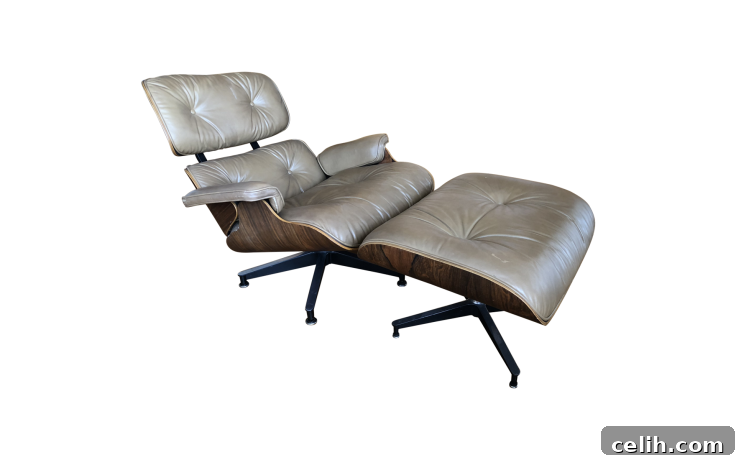
Few pieces of furniture evoke such an immediate sense of luxurious comfort and timeless sophistication as the Eames Lounge Chair and its accompanying Ottoman. Designed in 1956 by the legendary American husband-and-wife team, Charles and Ray Eames, and manufactured by Herman Miller, this chair was conceived with a clear and ambitious goal: to improve upon the design of existing lounge chairs and create “a special refuge from the strains of modern living.” They aimed for a seat that would offer the “warm, receptive look of a well-used first baseman’s mitt,” a place of ultimate relaxation that “fits like a glove.”
The Eames Lounge Chair is a triumph of mid-century modern design, ingeniously combining three curved plywood shells – typically veneered in rosewood, walnut, or cherry – with plump, upholstered leather cushions. These elements are not rigidly fixed but are instead connected by innovative rubber shock mounts, allowing for a subtle flexibility that enhances the ergonomic experience. The chair’s distinctive silhouette, with its slightly reclined angle and integrated ottoman, perfectly supports the body, distributing weight evenly and inviting prolonged relaxation. It’s a design that marries industrial production techniques with artisanal precision, resulting in a piece that is both mass-produced and feels incredibly bespoke.
From its debut, the Eames Lounge Chair was an instant sensation, quickly becoming a symbol of sophisticated modern living. It transcended its functional purpose to become a cultural icon, frequently appearing in films, television shows, and the homes of discerning collectors and design enthusiasts worldwide. Its presence lends an air of understated elegance and intellectual charm to any space. The Eameses’ meticulous research into materials, ergonomics, and manufacturing processes ensured that the chair was not only visually stunning but also built to last for generations.
Today, the Eames Lounge Chair and Ottoman remain in continuous production, a testament to their enduring appeal and masterful design. It is more than just a piece of furniture; it is an investment in comfort, style, and a legacy of groundbreaking innovation that continues to define the very best of 20th-century design. Owning an Eames Lounge Chair is to possess a piece of history that continues to shape our understanding of modern luxury.
4. The Arne Jacobsen Egg Chair: A Private Sanctuary of Style
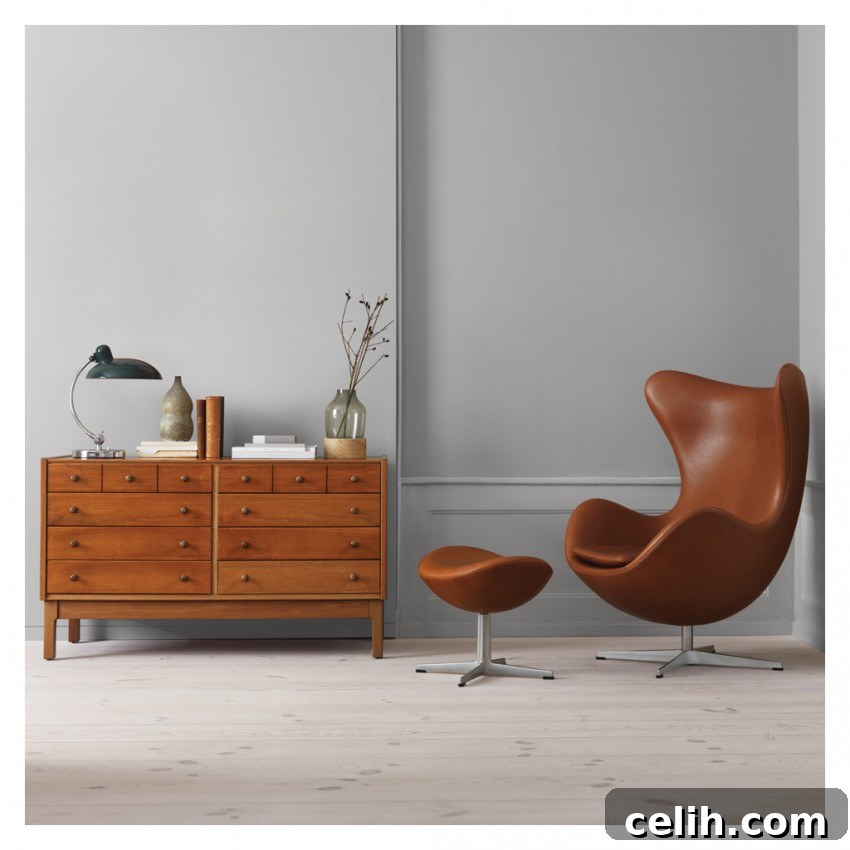
The Arne Jacobsen Egg Chair is an unparalleled masterpiece of organic design, instantly recognizable for its distinctive, enveloping form. Conceived in 1958 by the celebrated Danish architect and designer Arne Jacobsen, this chair was originally created as part of his groundbreaking commission to design the Radisson SAS Royal Hotel in Copenhagen. Jacobsen, known for his holistic approach, designed not only the building but also much of its interior, including the furniture, lighting, and even the cutlery. The Egg Chair was specifically intended for the hotel’s lobby and reception areas, where it provided guests with a degree of privacy in an otherwise open public space.
The genesis of the Egg Chair was made possible by revolutionary new techniques in furniture production, particularly the ability to mold foam over an inner fiberglass shell. This allowed Jacobsen to sculpt the chair’s iconic form, which seems to emerge organically from the floor, much like an egg in its shell. The generous, high back and curved sides create a sheltered environment, effectively forming a “room within a room” for the person seated. This ingenious design element offered a sense of intimacy and seclusion, making it perfect for quiet contemplation or private conversations, even in bustling environments.
Manufactured by the renowned Scandinavian furniture specialist Fritz Hansen, the Egg Chair is available in a wide array of upholstery options, from luxurious leathers to bespoke fabrics, allowing it to adapt to diverse aesthetic preferences. Its swivel base enhances its functionality, enabling the occupant to effortlessly engage with their surroundings or retreat into their private cocoon. The chair’s sculptural presence is undeniable; it acts as a focal point in any room, a true statement piece that blends artistic flair with practical comfort.
While initially designed for a specific architectural project, the Egg Chair’s allure quickly spread beyond the hotel’s walls, becoming available to the public and cementing its status as a global design icon. Its ability to combine a striking aesthetic with thoughtful ergonomics and a unique sense of privacy ensures its continued relevance and desirability. The Arne Jacobsen Egg Chair is more than just seating; it’s a testament to the transformative power of design, offering both comfort and a compelling visual narrative.
5. The Philippe Starck Ghost Chair: A Transparent Marvel of Modern Design
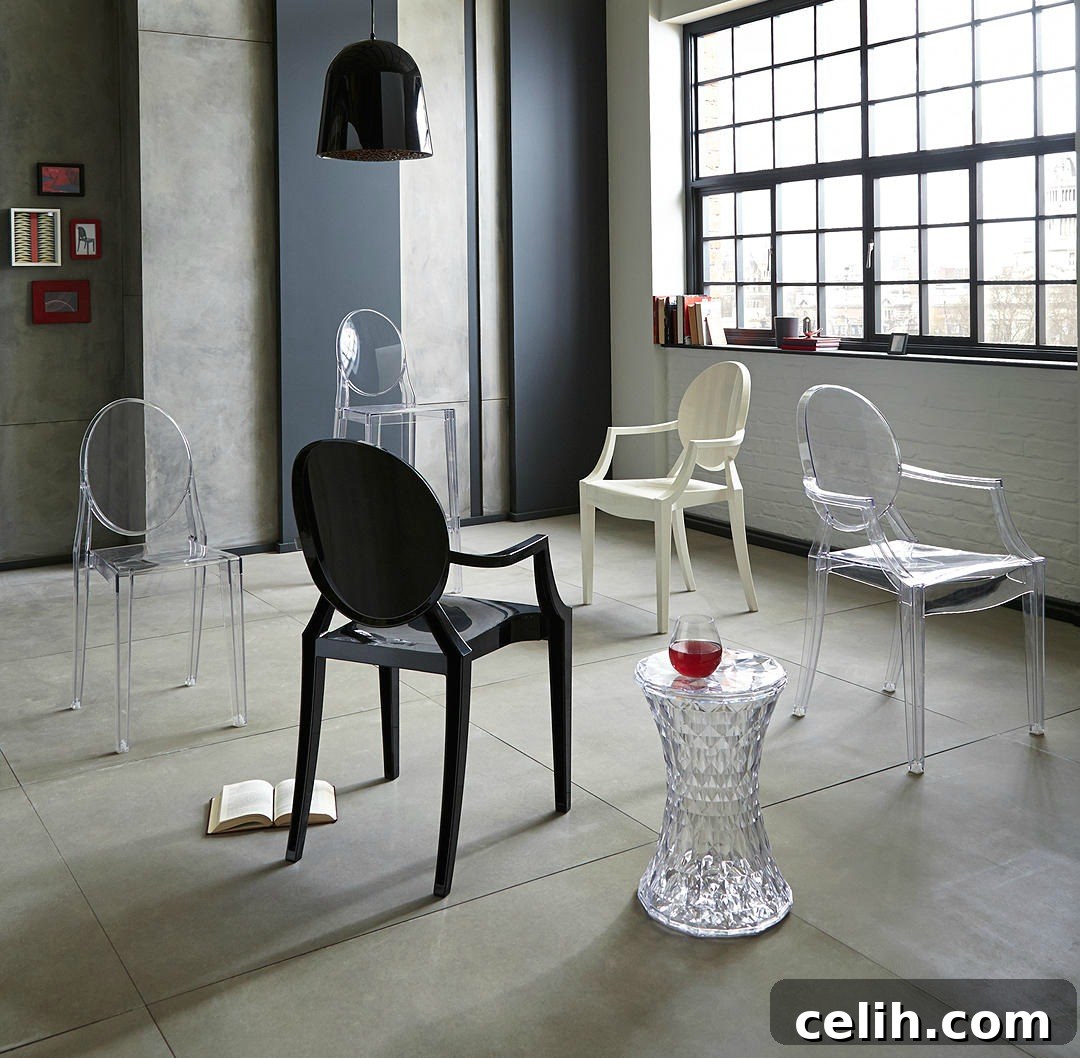
In contrast to some of the venerable mid-century classics we’ve explored, the Philippe Starck Ghost Chair is a relative newcomer, yet it has swiftly ascended to iconic status since its debut in 2002. Designed by the prolific French design maestro Philippe Starck for Kartell, the Ghost Chair – particularly the Louis Ghost model – is a brilliant fusion of historical inspiration and cutting-edge material innovation. Starck, known for his democratic approach to design and his playful reinterpretations of classical forms, created a chair that is both whimsical and deeply sophisticated.
The inspiration behind the Ghost Chair is unmistakably the ornate, traditional style of the Louis XVI armchair from the 18th century. However, Starck radically reinterprets this classic silhouette by crafting it entirely from a single piece of transparent polycarbonate through an advanced injection molding process. The result is a chair that is at once familiar and utterly futuristic, embodying a paradoxical blend of solidity and invisibility. This transparency is its defining feature, allowing the chair to seamlessly integrate into any environment without adding visual clutter. It creates an illusion of taking up less space than it actually does, making it an ideal choice for smaller rooms or for those who prefer a minimalist aesthetic.
Beyond its striking visual appeal, the Ghost Chair is remarkably practical. Made from robust polycarbonate, it is incredibly durable, resistant to scratches, and suitable for both indoor and outdoor use. Its stackable nature further enhances its versatility, making it a popular choice for everything from chic dining rooms and contemporary offices to outdoor patios and event venues. Starck’s genius lies in democratizing a historically aristocratic form, rendering it accessible, versatile, and thoroughly modern through the use of an innovative material.
The Ghost Chair has become a true symbol of contemporary design, celebrated for its wit, elegance, and groundbreaking use of transparency. It challenges perceptions, proving that a chair can be both substantial and ethereal, classic and contemporary. Philippe Starck’s Ghost Chair is more than just a seating solution; it’s a design statement that continues to captivate and inspire, solidifying its place as a modern icon.
The world of iconic chair design is a rich tapestry woven with innovation, artistry, and a deep understanding of human needs. The five chairs we’ve explored – the Verner Panton S Chair, the Hans J. Wegner Wishbone Chair, the Eames Lounge Chair, the Arne Jacobsen Egg Chair, and the Philippe Starck Ghost Chair – each represent a distinct pinnacle in design history. They exemplify how creativity, coupled with advancements in materials and manufacturing, can produce pieces that transcend fleeting trends to become enduring classics. From the revolutionary single-form plastic of the S Chair to the luxurious comfort of the Eames Lounge, the handcrafted elegance of the Wishbone, the private sanctuary of the Egg, and the transparent marvel of the Ghost, these chairs continue to define excellence in seating.
Owning an original designer chair is not merely an acquisition; it’s an investment in a piece of functional art, a testament to visionary design that continues to inspire and enhance spaces. Which of these legendary designs resonates most with your personal aesthetic, or perhaps already graces your home? We invite you to share your thoughts, your favorite iconic chairs, and your experiences with these timeless masterpieces in the comments section below. Your insights enrich our shared appreciation for truly exceptional design.
(Disclosure: Collaborative post)