
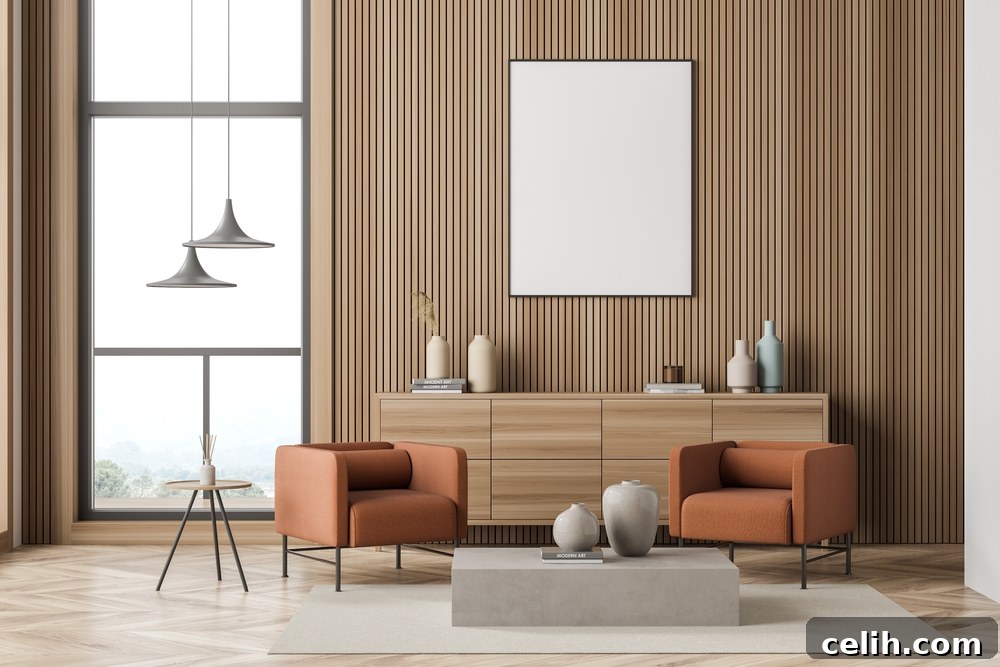
Transforming your living space often involves thoughtful design choices, and one element that consistently offers both aesthetic appeal and practical benefits is wall paneling. Whether you’re aiming for a subtle textural enhancement or a bold statement piece, wall panels can dramatically alter the ambiance and functionality of any room. However, embarking on a wall paneling project requires careful consideration of various factors to ensure the final result aligns perfectly with your vision and needs. To help you make an informed decision and invest wisely, here are five crucial aspects to keep in mind when selecting wall panels for your interior décor.
1. Functionality: Beyond Mere Decoration
Before diving into material choices and color palettes, it’s essential to define the primary purpose of your wall panels. Are you seeking purely decorative enhancement to add character and depth to a room, or do you have more functional objectives in mind? Understanding the intended role of your wall panels will significantly narrow down your options and guide you toward the most suitable selections.
For decorative purposes, wall panels offer an incredible range of design possibilities. They can introduce texture, color, and intricate patterns, creating a focal point or adding a layer of sophistication that paint alone cannot achieve. Imagine a living room featuring elegant wood wall paneling that exudes warmth and classic charm, or a modern bedroom with sleek, geometric panels that lend a contemporary edge. Panels can transform a flat wall into an architectural feature, elevate a plain hallway, or create an accent wall that ties the entire room’s aesthetic together.
Beyond aesthetics, wall panels can serve a multitude of practical functions. One of the most common functional applications is sound management. Acoustic wall panels are specifically designed to absorb sound, reducing echo and reverberation in a room. This makes them an excellent choice for home theaters, music rooms, recording studios, busy offices, or even open-plan living spaces where noise reduction is crucial for comfort and concentration. They improve sound quality within the space and can also help minimize sound transmission between rooms.
Another functional benefit is thermal insulation. Certain types of wall panels can add an extra layer of insulation, helping to regulate indoor temperatures. This can lead to increased energy efficiency, keeping your home warmer in winter and cooler in summer, potentially reducing your heating and cooling costs. Furthermore, panels can offer a protective barrier for walls in high-traffic areas, children’s playrooms, or commercial settings, shielding them from scuffs, impacts, and daily wear and tear. They can also cleverly conceal unsightly wall imperfections, old plaster, or even provide integrated solutions for managing cables and wires, contributing to a cleaner, more organized aesthetic. The right wall panels for your space will ultimately depend on the specific function you envision them fulfilling.
2. Positioning: Where Your Panels Will Live
The location where your wall panels will be installed is a critical consideration that influences both material choice and overall design impact. Different environments within your home present unique challenges and requirements, and selecting panels that are suitable for their intended position is paramount for longevity and visual harmony.
Firstly, environmental factors such as humidity and moisture levels are crucial. Areas like bathrooms, kitchens, and basements are prone to high humidity, splashes, and condensation. For these spaces, you’ll need panels specifically designed to resist moisture, mildew, and warping. Materials like PVC, certain types of composite panels, or specially treated wood veneers are often recommended for such applications. Installing moisture-sensitive materials in a high-humidity environment can lead to significant damage over time, affecting both their appearance and structural integrity.
Conversely, in dry living areas like bedrooms, living rooms, or dining rooms, you have a wider range of materials to choose from, including natural wood, fabric, or decorative MDF panels. However, even in these spaces, consider factors like direct sunlight exposure, which can cause some materials to fade or degrade over time. High-traffic areas, such as hallways, entryways, and children’s rooms, will benefit from durable, easy-to-clean panels that can withstand frequent contact and potential impacts.
Beyond the practicalities, the position also dictates the aesthetic contribution of the panels. In a formal dining room, intricate classical designs or rich wood panels might create an elegant and sophisticated atmosphere. For a cozy bedroom, soft-textured fabric panels could enhance comfort and absorb sound for a more peaceful sleep environment. A modern living room might feature sleek, minimalist panels that create clean lines and a contemporary feel. You might even consider extending wall panels to the ceiling in certain rooms to create a fully immersive and architectural statement, adding a unique dimension to the space. When you’re considering the position, you’ll need to take into account the aesthetic appeal of the panels, as they’ll contribute significantly to the overall look and sense of the space.
3. Material Matters: Pros and Cons of Each
The material of your wall panels is perhaps the most defining characteristic, influencing everything from aesthetics and durability to maintenance and cost. If you’re exploring wall panels made from different materials, think about the pros and cons of each and which would suit your needs the best. Here’s a deeper look at common options:
- Wood and Wood Veneer: Offering timeless elegance and warmth, wood panels come in various species like oak, walnut, maple, and cherry.
- Pros: Natural beauty, excellent insulation, durability (especially solid wood), can be stained or painted, adds value.
- Cons: Can be expensive, susceptible to moisture and humidity changes (leading to warping or cracking), requires regular maintenance (sealing, oiling), heavier, installation can be complex.
- Medium-Density Fiberboard (MDF): A versatile engineered wood product.
- Pros: More affordable than solid wood, smooth surface ideal for painting, consistent density, easy to cut and shape, available in various finishes (laminate, veneer).
- Cons: Not water-resistant unless specially treated, can be heavy, less durable against impacts than solid wood.
- Polyvinyl Chloride (PVC) / Plastic: Lightweight and highly practical.
- Pros: Extremely water-resistant (ideal for bathrooms and kitchens), easy to clean and maintain, affordable, lightweight, simple to install, available in various colors and patterns mimicking other materials.
- Cons: Can look less luxurious than natural materials, may not withstand extreme heat, can become brittle over time, less impact-resistant than wood.
- Acoustic/Fabric Panels: Designed for sound absorption.
- Pros: Excellent for noise reduction, adds texture and softness to a room, wide range of fabric choices, often made from sustainable materials like recycled PET felt.
- Cons: Can be more expensive, some fabrics may be difficult to clean, limited decorative patterns compared to other materials.
- Metal Panels: For an industrial, contemporary, or even rustic look.
- Pros: Highly durable, resistant to moisture and fire (depending on metal), unique aesthetic, long lifespan.
- Cons: Can be expensive, heavy, may show fingerprints or scratches easily, installation can be specialized.
- Stone and Stone Veneer: Offers a luxurious, earthy, or rugged aesthetic.
- Pros: Incredible natural beauty, extremely durable, high-end appeal, excellent thermal mass.
- Cons: Very heavy, expensive (both material and installation), difficult to install, porous (requires sealing), limited to certain structural applications.
- 3D Textured Panels: Often made from MDF, gypsum, PVC, or bamboo fiber.
- Pros: Creates striking visual interest and dynamic shadows, modern and artistic, can be painted.
- Cons: Can be difficult to clean dust from intricate patterns, installation needs precision for seamless joins, may be too bold for some tastes.
- Purotouch (as mentioned in original): This refers to a high-quality polyurethane-based material, often seen in decorative mouldings and panels by brands like Orac Decor.
- Pros: Water-resistant and shock-resistant, extremely durable for both interior and exterior use, lightweight, easy to install, pre-primed for painting, very precise detailing.
- Cons: Higher cost than basic PVC or MDF, limited to specific styles (often classical or ornate, though modern designs exist).
Some materials are more resistant to wear and tear, whilst others are easier to clean and maintain. For example, panels made from Purotouch, a water-resistant and shock-resistant material, are durable enough to use both inside and outdoors, whereas other materials, such as wood veneer or PVC, may suffer when exposed to the elements or specific indoor conditions.
4. Sustainability: An Eco-Conscious Choice
In today’s world, the environmental impact of our choices is more important than ever. Not all wall panels are created equal when it comes to sustainability, and for many homeowners, this is a significant deciding factor. If the issue of sustainability is important to you, then incorporating eco-friendly wall panels can not only align with your values but also add tangible value to your home.
When considering sustainable wall panels, look for materials that have a minimal environmental footprint throughout their lifecycle. One excellent option is to explore panels made from recycled or upcycled materials. For instance, acoustic panels made from recycled PET plastic bottles are increasingly popular, offering excellent sound absorption properties while diverting waste from landfills. Reclaimed wood panels are another fantastic choice, utilizing timber salvaged from old barns, factories, or demolitions, giving new life to materials that would otherwise be discarded. This not only conserves new forest resources but also often comes with a rich history and unique character.
Bamboo is another highly sustainable material, known for its rapid growth and renewability. Bamboo wall panels offer a distinctive look and are a strong, durable alternative to traditional hardwoods. Furthermore, look for manufacturers who prioritize responsible sourcing and ethical production practices. Certifications such as the Forest Stewardship Council (FSC) label for wood products ensure that the timber comes from responsibly managed forests, promoting biodiversity and community well-being.
Beyond the raw materials, consider the manufacturing processes. Low-VOC (Volatile Organic Compound) finishes and adhesives are crucial for maintaining healthy indoor air quality. Panels that are durable and long-lasting also contribute to sustainability by reducing the need for frequent replacement, thereby conserving resources and minimizing waste over time. With sustainability such a hot topic, more eco-friendly wall panels could significantly add value to your home, appealing to a growing segment of environmentally conscious buyers who prioritize green building practices and healthier living environments.
5. Budget: Balancing Cost and Value
Finally, it’s essential to give careful thought to your budget and how much you’re willing to spend on the cost and installation of wall paneling. Wall panels are available in a vast variety of different options, including numerous price points, so hopefully, you should be able to find something suitable that stays within your budget. However, it’s crucial to look beyond the initial purchase price and consider the overall value proposition.
The cost of wall panels can vary dramatically based on the material, complexity of design, brand reputation, and whether they are custom-made or mass-produced. Budget-friendly options might include basic PVC panels, paintable MDF panels, or simple laminate designs. Mid-range choices often encompass higher-quality MDF with decorative finishes, standard wood veneers, or certain acoustic panel types. At the higher end, you’ll find solid hardwood panels, intricate custom designs, natural stone veneers, or premium European brands known for their craftsmanship and innovative materials like Purotouch.
Beyond the material cost, remember to factor in installation expenses. If you’re a skilled DIY enthusiast, you might save on labor, but for complex or heavy panels, professional installation is often recommended to ensure a flawless finish and proper longevity. Professional installers will also account for wall preparation (repairing any existing damage, ensuring a smooth surface), which can add to the overall project cost.
Consider the long-term value and return on investment (ROI). While a more expensive, durable, and aesthetically superior panel might have a higher upfront cost, it could save you money in the long run through reduced maintenance, enhanced thermal insulation (lowering energy bills), and a longer lifespan. High-quality, thoughtfully chosen wall panels can also significantly increase the aesthetic appeal and perceived value of your home, which is a definite advantage if you plan to sell in the future. Don’t forget potential hidden costs such as tools, adhesives, sealants, paints, or special cleaning products that might be required for specific panel types. By carefully itemizing all potential expenditures, you can create a realistic budget that ensures your wall paneling project is both beautiful and financially sound.
By considering these five critical factors – functionality, position, material, sustainability, and budget – you can make an informed decision and choose wall panels that will not only enhance your space’s functionality and aesthetic appeal but also stand the test of time, reflecting your personal style and meeting your practical needs for years to come. Investing time in this planning stage will ensure your wall paneling project is a resounding success.