
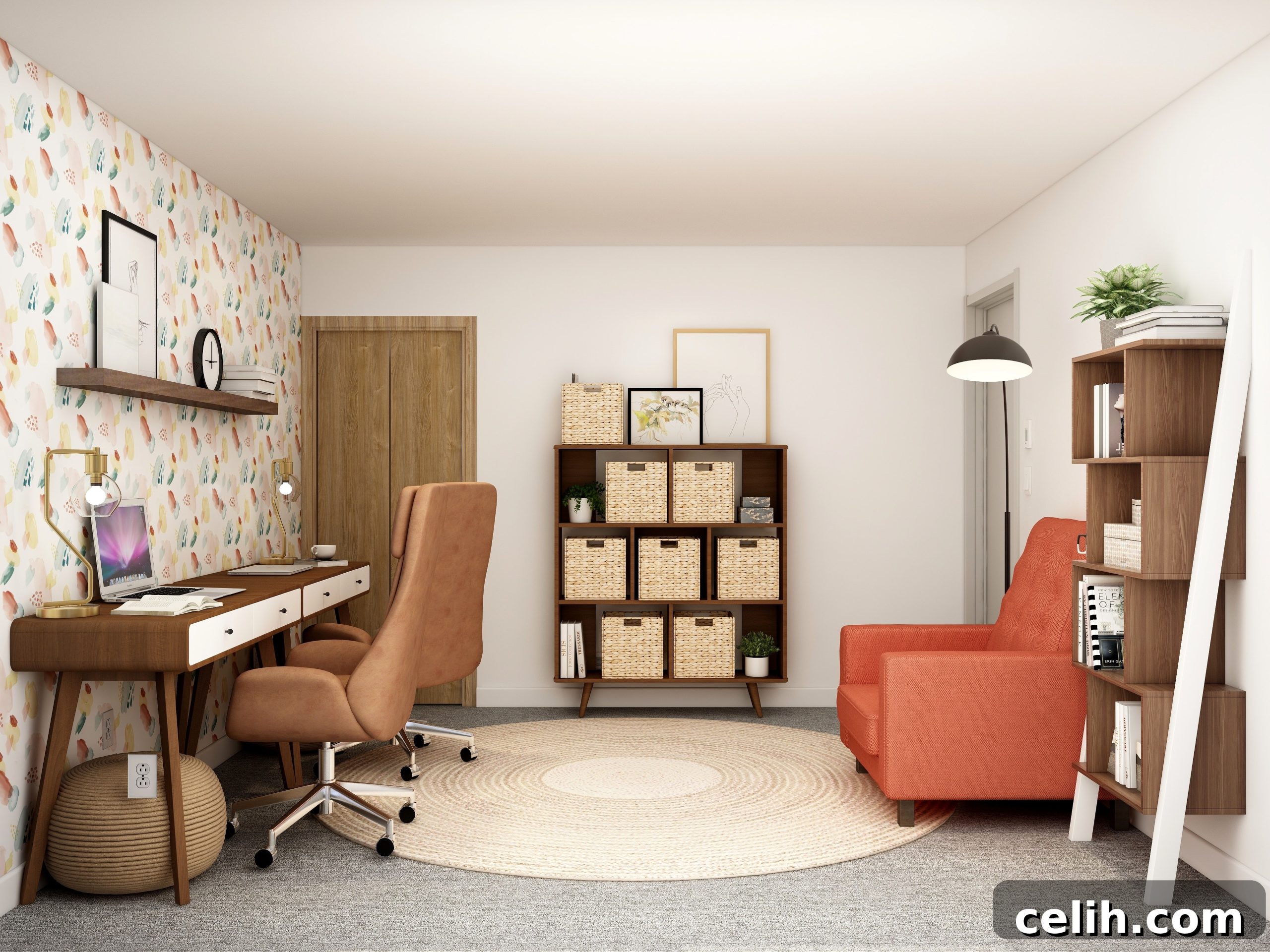
In today’s dynamic world, where the lines between professional and personal life are increasingly blurred, cultivating a dedicated and professional workspace within your home is no longer a luxury but a strategic investment. This critical addition can dramatically enhance your home’s appeal, elevate its functionality, and significantly boost its market value. A thoughtfully designed home office provides an invaluable sanctuary for concentration and productivity, catering perfectly to the widespread and enduring trend of remote work. For potential buyers or renters, a well-equipped and inviting office space can be a deciding factor, making your property stand out in a competitive market.
Transforming a part of your home into a professional work environment is about more than just setting up a desk; it’s about creating a dedicated zone that fosters efficiency, comfort, and inspires creativity. It signals to prospective occupants that your home is prepared for modern living and working, demonstrating foresight and practical appeal. By meticulously planning and executing a home office transformation, you can unlock substantial value and desirability for your property. Here’s a comprehensive guide on how to add lasting value to your home by crafting an exceptional professional workspace.
1. Start With A Comprehensive Plan
Before you embark on any renovations or significant purchases for your new home office, laying down a clear and detailed plan is paramount. This initial phase involves a thorough assessment of your work needs and the essential elements required to support them effectively. Consider the specific nature of your work: will you be handling graphic design, requiring a large desk for multiple monitors and specialized equipment, or will your primary activity be writing, which might only necessitate a compact, minimalist setup? Understanding these requirements will inform every subsequent decision, from furniture selection to technological integration.
Furthermore, think about the long-term vision for this space. If you’re contemplating a more ambitious conversion, such as transforming an attic, conservatory, or even an outdoor shed into a dedicated office space, the planning phase becomes even more critical. Such conversions might require significant structural enhancements. For instance, an attic office might necessitate an upgrade to your roofing system to ensure optimal insulation and protection against the elements, especially if you frequently encounter issues like leaks or inadequate climate control. In these situations, consulting with reputable professionals, like Erie Home Roofing for necessary repairs or installations, is a wise step to guarantee the longevity and comfort of your workspace.
Beyond the structural and functional aspects, ergonomics and comfort should be central to your plan. While investing in a high-quality ergonomic chair and an adjustable desk is undeniably important for health and productivity, don’t overlook fundamental environmental factors. Ensure your proposed office area is well-insulated to maintain a comfortable temperature year-round, free from drafts, and adequately heated or cooled. A workspace that remains comfortable in all seasons will significantly enhance usability and, by extension, its appeal and value.
2. Choose The Right Location Strategically
The strategic selection of your home office’s location within your residence is a foundational decision that heavily influences its effectiveness and value proposition. The ideal spot should inherently offer a quiet environment with minimal potential for distractions, allowing for sustained periods of focus. A dedicated room with a closable door is often the gold standard, providing the essential privacy needed for video conferences, client calls, or deep, uninterrupted concentration. Such a space also allows for clear separation between work and personal life, a crucial factor for many remote professionals.
However, if a spare room isn’t available, creative thinking can unlock untapped potential in existing areas. Consider repurposing underutilized spaces, such as a cozy nook under the stairs, a previously unused corner of a large living room, or even a section of a wide hallway. These areas can be effectively transformed into functional workspaces through clever partitioning, strategic furniture placement, or custom built-ins. Movable screens, shelving units, or even carefully positioned plants can create a sense of enclosure and privacy without requiring permanent structural changes.
For more inspiration and practical solutions tailored to various home layouts, it can be incredibly beneficial to browse for professional design tips. These resources can help you envision how different areas can be optimized to become highly productive and aesthetically pleasing workspaces, maximizing both functionality and your home’s market appeal. Remember, the goal is to create a space that feels intentional and serves its purpose effectively, regardless of its original designation.
3. Prioritize Optimal Lighting Solutions
Optimal lighting is an absolute non-negotiable for any professional home office. It profoundly impacts mood, energy levels, and, most importantly, productivity. Maximizing natural light exposure should be a top priority; positioning your workspace near a window whenever possible not only boosts mood and reduces eye strain but also creates a more open and inviting atmosphere. Natural light is proven to enhance cognitive performance and overall well-being, making it a highly desirable feature for any work environment.
However, natural light alone is often insufficient, especially during early mornings, late evenings, or on overcast days. Therefore, investing in quality artificial lighting is crucial to ensure the space remains consistently well-lit and comfortable during all working hours. Layered lighting is key: incorporate a combination of ambient lighting (general room illumination), task lighting (such as a good desk lamp), and accent lighting (to highlight features or add warmth). Choose LED lights with adjustable brightness and color temperature to adapt to different tasks and times of day. Proper lighting not only supports sustained focus and prevents fatigue but also significantly enhances the aesthetic appeal of the home office, making it a brighter, more professional, and more attractive space for both occupants and potential buyers.
4. Invest Wisely In Modern Technology
In today’s fast-paced digital landscape, a well-equipped home office with integrated technology is no longer just a convenience but a cornerstone of productivity and a major selling point in the real estate market. Demonstrating a future-ready, high-functioning workspace significantly enhances your home’s appeal. Here’s how to thoughtfully upgrade your professional workspace with the right technological infrastructure:
- High-Speed Internet: This is arguably the most critical technological investment. Upgrade to the fastest and most reliable internet package available in your area. A robust, speedy connection is absolutely vital for seamless video conferencing, rapid large file transfers, cloud-based work, and an uninterrupted workflow. It minimizes frustrating delays and ensures professional communication remains crystal clear.
- Ample Power Outlets: Modern workspaces are replete with devices, all demanding power. Ensure there are enough strategically placed power outlets to accommodate your computer, monitors, chargers, and other peripherals without resorting to messy extension cords. Consider integrating wall outlets with built-in USB ports for added convenience, allowing for direct charging of phones and tablets.
- Effective Cable Management: A tangle of wires not only looks unprofessional and cluttered but can also pose a tripping hazard. Invest in effective cable management solutions such as cable sleeves, ties, clips, and under-desk trays. This keeps all wires organized, out of sight, and contributes significantly to a clean, minimalist, and aesthetically pleasing workspace that signals efficiency.
- Smart Devices and Automation: Incorporate smart speakers and voice-activated assistants (like Amazon Alexa or Google Assistant) to streamline your workday. These devices allow for hands-free control of lighting, music, scheduling, and even managing your smart home environment, enhancing convenience and creating a cutting-edge feel. Smart thermostats can also optimize comfort and energy efficiency.
- Quality Hardware for Performance: Equip your home office with a high-performance computer that meets or exceeds your professional needs. External monitors, ideally multiple ones for enhanced multitasking, are invaluable for productivity. A reliable all-in-one printer/scanner/copier is also essential if your work requires physical documents. The right, high-quality tools significantly boost efficiency and demonstrate a commitment to professional excellence.
- Ergonomic Accessories: While not strictly technology, these complement your tech setup. Invest in ergonomic keyboards, mice, wrist rests, and adjustable monitor stands. These accessories are designed to promote comfort, reduce strain, and prevent repetitive stress injuries over long periods of use, underscoring a commitment to health and sustained productivity.
By thoughtfully integrating these technological enhancements, your professional workspace transcends mere functionality; it becomes a sophisticated hub of efficiency and innovation, perfectly poised to tackle the demands of any modern job. Such a high-tech, high-functioning home office will undoubtedly impress potential buyers who prioritize a contemporary and practical living environment.
For small business owners, the financial burden of these upgrades can be alleviated by taking advantage of the home office deduction. However, it’s crucial to understand that this deduction typically applies only to those who use a specific part of their home regularly and exclusively for business purposes, and that space must constitute the principal place of business. Always consult with a tax professional to ensure eligibility and compliance.
5. Incorporate Intelligent Storage Solutions
A workspace that is cluttered and disorganized is a direct impediment to productivity and focus. Therefore, intelligently designed storage solutions are not just beneficial; they are absolutely essential for a truly professional home office. Incorporate a variety of storage options such as open shelving for displaying books or decorative items, closed drawers for confidential documents, and filing cabinets for keeping paperwork neatly categorized. The key is to have a place for everything, allowing for a consistently clean and tidy work environment.
Beyond their practical utility, well-integrated storage solutions contribute significantly to the aesthetic appeal of the space. Built-in shelving units, custom cabinetry, or modular storage systems can not only maximize vertical space but also provide a seamless, integrated look that elevates the overall design. For potential buyers, ample and thoughtful storage is a major selling point. It showcases the potential for a highly organized and efficient office, signaling that the home is equipped for the practical demands of modern living and working. A home office with clever storage demonstrates that the space is not merely functional but also aesthetically considered and optimized for long-term use.
6. Add Thoughtful Personal Touches
While the goal is to create a professional workspace that appeals to a broad range of potential buyers, it’s equally important that the space feels inviting and enjoyable for you. Adding some thoughtful personal flair can strike a perfect balance, making the area more stimulating and comfortable for your daily work, while simultaneously showcasing its versatility and potential to future occupants. This isn’t about cluttering the space, but rather about infusing it with character and warmth.
Consider incorporating elements like carefully selected artwork that inspires you, vibrant indoor plants that add a touch of nature and improve air quality, or a stylish rug that defines the space and adds texture. These personal touches can transform a sterile office into a lively and welcoming environment. They demonstrate that a highly professional area doesn’t have to be devoid of personality; it can still reflect individual style and comfort. When potential buyers view the space, these elements help them envision themselves working comfortably and happily there, making the home office feel more like a livable, adaptable extension of the home rather than a purely utilitarian room.
7. Execute Strategic Decor Upgrades
The aesthetic appeal of your home office plays a significant role in its perceived value and functionality. Strategic decor upgrades can transform an ordinary space into an inspiring and professional work environment. Begin with a fresh coat of paint; opting for a calm, neutral palette like soft grays, warm whites, or muted blues can do wonders for creating a serene and focused atmosphere. These colors are known to reduce stress and improve concentration, making the space more conducive to work, and they also appeal to a wider range of tastes for future buyers.
Beyond paint, focus on quality finishes for key elements. Desks, shelving units, and storage cabinets crafted from durable materials with elegant finishes can instantly elevate the professional edge of the space. Consider natural wood tones for warmth or sleek metallic accents for a modern touch. Upgrading hardware on cabinets and drawers can also make a surprisingly big impact. If you’re skilled at DIY projects, many of these upgrades can be achieved cost-effectively. Repainting old furniture, adding decorative trim, or installing new light fixtures can save money while injecting unique character and significantly boosting the perceived value and sophistication of the home office. Thoughtful decor contributes not only to immediate enjoyment but also to the long-term attractiveness of your home on the market.
8. Critically Consider Acoustic Management
In a bustling home environment, effective acoustic management in a home office is not just an amenity but a game-changer for productivity and peace of mind. Soundproofing is no longer exclusive to recording studios; in a dedicated home office, it can make an enormous difference. The ability to concentrate without interruption from household noises—whether it’s children playing, a washing machine humming, or even a television in another room—is invaluable. Conversely, preventing work calls or discussions from disturbing other family members maintains household harmony.
There are several effective ways to improve acoustics. Adding sound-absorbing materials, such as heavy curtains, acoustic wall panels, or thick rugs, can significantly dampen echoes and reduce ambient noise. Upgrading to a solid core door instead of a hollow one is another highly effective measure for sound isolation. Sealing gaps around windows and doors with weather stripping can also prevent sound leakage. For more significant noise issues, consider double-pane windows. This feature not only enhances the daily experience for the occupant but also presents a significant draw for potential buyers, especially those who prioritize a quiet and private workspace in their search for the perfect remote-work-ready home. Investing in acoustics demonstrates a deep understanding of modern work needs and adds tangible value.
9. Prioritize Design Flexibility and Adaptability
Recognizing that everyone approaches their work differently and that work habits can evolve over time, designing a home office with inherent flexibility and adaptability is crucial. If you aim to fully enjoy the myriad benefits of working from home, a versatile workspace becomes an invaluable asset. This means creating a space that can be easily reconfigured or repurposed to suit a variety of needs – from intense computer-based tasks requiring multiple screens to collaborative creative brainstorming sessions, or even quiet periods for reading and reflection. Such adaptability adds immense long-term value to your home.
Consider modular furniture, movable partitions, or desks that can be adjusted in height or easily relocated. Built-in solutions that can serve multiple purposes, like a desk that folds away or a wall unit that integrates both storage and a workspace, are excellent examples of flexible design. A flexible office space suggests that the area is not rigidly confined to one specific function but can gracefully evolve with changing work habits, technologies, or even the future needs of a new homeowner. This thoughtful design approach communicates foresight and practicality, appealing to a broader market and ensuring the home office remains a valuable asset for years to come.
Conclusion: Elevating Your Home’s Value with a Purpose-Built Workspace
Creating a truly professional workspace within your home extends far beyond merely positioning a desk and a chair in a convenient corner. It represents a meticulously planned and thoughtfully executed transformation, designed to meet the diverse and evolving needs of modern work styles while simultaneously adding substantial, tangible value to your entire home. In an era where remote work is a fundamental aspect of many careers, a dedicated and well-appointed home office is no longer a niche feature but a highly sought-after necessity that can significantly sway potential buyers or renters.
By diligently following these comprehensive steps, you can craft a home office that not only dramatically enhances your own productivity and daily comfort but also stands out as a compelling and attractive feature in the competitive real estate market. Focus on creating a space that is simple in its elegance, stylish in its design, and ultimately, highly functional in its purpose. From the initial strategic planning and optimal location selection to integrating advanced technology, intelligent storage, and thoughtful acoustic management, every detail contributes to a cohesive and inviting environment.
The result is more than just a room; it’s an asset that promises rich dividends in both its utility for current occupants and its enhanced market value for future transactions. Invest wisely in your home office, and you will undoubtedly create a space that offers exceptional functionality today and enduring appeal for tomorrow, solidifying your home’s position as a truly modern and desirable property.