
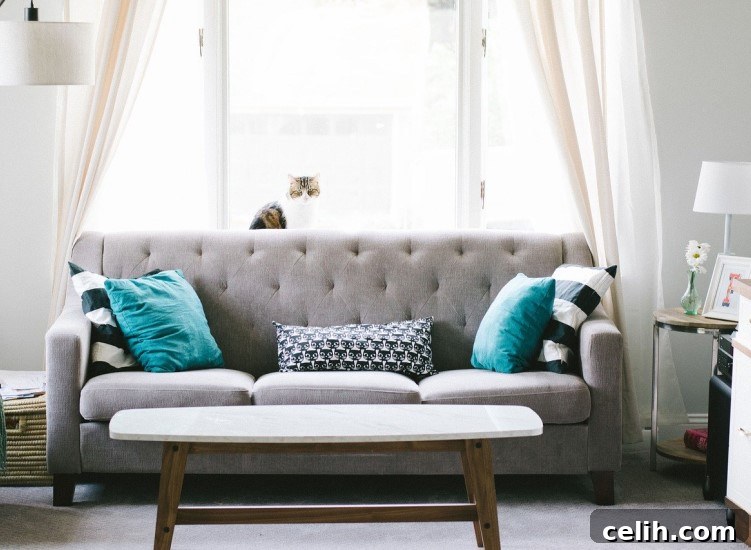
Windows are far more than mere openings in a wall; they are vital architectural features that define a room’s character, manage natural light, and offer glimpses of the outside world. Choosing the right window dressings is a pivotal decision in interior design, one that significantly impacts the ambiance, functionality, and aesthetic appeal of your home. Rather than merely covering a window, the ideal dressing enhances its beauty and integrates seamlessly with your decor, serving both practical and stylistic purposes. This comprehensive guide will walk you through the essential considerations, helping you navigate the myriad of options available to find the perfect window treatment for every space in your home.
Before making a decision, it’s crucial to evaluate several key factors. A thoughtful approach ensures that your chosen window dressings not only look stunning but also perform exactly as needed.
- Usability: Tailoring to Your Lifestyle
The primary function of any room should heavily influence your choice of window dressing. Consider how you live and interact within each space. Is it a bedroom where complete darkness is paramount for restful sleep? In such a case, blackout blinds or curtains would be indispensable for blocking out all external light, even during daylight hours. Perhaps it’s a TV-viewing room where glare needs to be eliminated for an optimal viewing experience. For a kitchen, you might simply want something decorative that frames the window but doesn’t need to be frequently adjusted, prioritizing ease of cleaning and light filtering over heavy light control. A home office might require precise light control to prevent screen glare while maintaining a bright, motivating atmosphere. Conversely, a living room might benefit from sheer curtains that allow ample natural light to flood the space while still providing a degree of privacy. Understanding the daily demands of each room is the first step towards selecting a truly functional window dressing.
- Practicality: Addressing Spatial and Structural Realities
Beyond personal preference, practical considerations often dictate your choices. The physical characteristics of your windows and the surrounding architecture can present limitations or open up unique possibilities. For instance, if there isn’t sufficient wall space above a window to accommodate a traditional curtain rail, an inside-mount Roman blind fitted snugly within the window frame might be the only viable solution. Older homes, with their charming but sometimes delicate structures, can also pose challenges. Large, expansive windows might require specific mounting solutions, as the wall may not be robust enough to support very heavy curtain materials or elaborate hardware. Other practical aspects include proximity to heat sources, moisture levels (e.g., in bathrooms or kitchens), potential for pet interference, or concerns about child safety, which might lead you to choose cordless blinds. Always measure meticulously and assess the structural integrity of your walls and window frames.
- Aesthetics: Enhancing Your Home’s Visual Appeal
Window dressings are a major design element, offering an opportunity to enhance, rather than conceal, the inherent beauty of your windows. If you have windows of an unusual shape, such as elegant arches, gothic peaks, or charming bay windows, choosing a dressing that accentuates these architectural details can elevate the room’s character. For example, delicate, transparent chiffon curtains can beautifully frame an arched window, allowing its unique shape to remain visible while diffusing harsh sunlight and adding a touch of romance. The goal is to select a style, fabric, and color that complements your existing interior design, creating a cohesive and visually pleasing environment. Do you want to create a focal point, add a pop of color, or introduce texture? Or do you prefer your window treatments to blend subtly into the background, letting the view or other decor elements take center stage? The aesthetic impact is profound and should align with your overall design vision.
- Budget: Balancing Cost and Value
Window treatments, especially custom-made options or those involving luxurious fabrics, can represent a significant investment. Curtains and blinds vary widely in price, influenced by factors such as material quality, size, complexity of design, and whether they are ready-made or bespoke. If your windows are of non-standard dimensions, or if you lack the skills for DIY installation, professional services will add to the overall cost. However, it’s important to view this as an investment in your home’s comfort, privacy, and aesthetic value. While it’s tempting to opt for the cheapest solution, higher-quality materials and construction often offer greater durability, better insulation properties (leading to energy savings), and a more polished appearance over time. Always consider the long-term value and impact on energy efficiency when budgeting for your window dressings.
Blinds or Curtains? The Enduring Design Dilemma
The choice between blinds and curtains is one of the most fundamental decisions in window treatment design. Both offer distinct benefits and disadvantages, and often, the final decision might be influenced by the practical considerations discussed earlier. In cases where practical limitations aren’t a concern, your personal taste and the desired aesthetic for the room will be the deciding factors. Understanding the core characteristics of each option is key to making an informed choice that truly reflects your style and meets your functional needs.
The Enduring Appeal and Versatility of Curtains
Curtains, with their rich history and timeless elegance, often lend a more traditional, luxurious, and soft feel to a room. They possess a unique ability to transform a bare space into a warm, inviting, and ‘dressed’ environment, instantly adding a sense of grandeur and comfort. One of their most significant advantages is their versatility in introducing color, pattern, and texture into a room’s design scheme. From vibrant florals to subtle geometrics, from sumptuous velvets to crisp linens, the fabric choices are virtually limitless, allowing for deep personalization.
Furthermore, curtains offer an incredible array of heading types – the way the fabric gathers at the top – each creating a distinct visual effect. Options like pinch pleats exude formal sophistication, goblet pleats add a touch of regality, grommet tops provide a clean, contemporary look, while rod pockets offer a relaxed, casual drape. Ripple fold curtains deliver a sleek, minimalist wave. The choice of heading allows you to fine-tune the statement you wish to make, whether it’s a dramatic flourish or understated elegance.
Beyond aesthetics, curtains are highly functional. Heavier fabrics can significantly improve a room’s insulation, reducing heat loss in winter and keeping spaces cooler in summer, potentially leading to energy savings. They are also excellent at dampening sound, contributing to a quieter, more peaceful atmosphere. For complete light block-out, essential in bedrooms or media rooms, lined curtains are exceptionally effective. However, curtains typically require a larger amount of material, which generally makes them more expensive than blinds, though this is a generalization as fabric costs vary enormously. Very long or wide curtains, such as those spanning French windows or patio doors, can also be quite heavy and cumbersome to open and close daily, requiring sturdy hardware and sometimes more effort in maintenance, including regular cleaning to prevent dust and pet hair accumulation.
The Modern Practicality and Sleekness of Blinds
Blinds offer a contemporary, clean aesthetic and are celebrated for their superb light control and space-saving design. They are generally available in three basic categories, with countless sub-options, and most can be fitted either inside the window recess (for a minimalist look) or outside (to make the window appear larger or minimize light leakage).
- Roman Blinds: These fabric blinds combine the softness of curtains with the neatness of blinds. When raised, they elegantly fold into soft, horizontal pleats, adding texture and warmth to a window. They come in an extensive range of fabrics, from light filtering to blackout, and can offer good insulation properties. Roman blinds are a sophisticated choice for those who desire a softer look than traditional slatted blinds but appreciate the structured lift of a blind.
- Roller Blinds: As their name implies, these blinds roll neatly around a roller mechanism fitted at the top of the window frame. They are prized for their simplicity, sleek profile, and exceptional functionality. Roller blinds allow for the maximum amount of light when fully retracted and don’t detract from the window’s natural lines, offering a clean, contemporary look. Available in various opacities—from sheer and light-filtering to complete blackout—they are incredibly versatile. Their smooth surfaces are also very easy to clean, making them ideal for kitchens and bathrooms where hygiene is paramount.
- Slatted Blinds: This broad category includes a wide range of options known for their precise light and privacy control, achieved by tilting the slats.
- Venetian Blinds: Typically made from aluminum or PVC, these classic blinds feature horizontal slats that can be tilted to direct light or provide privacy.
- Wood and Faux Wood Blinds: Offering a natural and warm aesthetic, wood blinds are perfect for traditional or rustic interiors, while faux wood blinds provide a durable, moisture-resistant alternative, ideal for high-humidity areas like bathrooms and kitchens.
- Vertical Blinds: Consisting of vertical slats, these are an excellent solution for large windows, sliding glass doors, or unusually shaped windows, allowing for easy access and broad light control.
- Pleated and Cellular (Honeycomb) Blinds: Pleated blinds feature crisp, accordion-like folds, offering a compact and elegant solution. Cellular blinds, with their unique honeycomb construction, trap air, providing superior insulation and energy efficiency, significantly reducing heating and cooling costs.
- Panel Blinds: Ideal for expansive windows or as room dividers, these feature wide fabric panels that slide horizontally.
On the whole, blinds tend to offer a neater, more streamlined, and contemporary aesthetic. Their compact nature makes them perfect for smaller rooms or windows where space is at a premium. They are also an excellent choice for homes with pets, as they don’t hang down to the floor, eliminating the risk of entanglement and preventing the collection of pet hair, making them easier to maintain and keep clean.
The Art of Layering: Combining Window Treatments for Enhanced Style and Function
For those who desire the best of both worlds—the softness and decorative appeal of curtains with the precise light control and privacy of blinds—combining options through layering is an ideal solution. This approach allows for incredible versatility and can significantly elevate both the functionality and aesthetic richness of your windows.
For example, in a dining room, you might appreciate the formal, opulent look that floor-length curtains provide, adding elegance and warmth. However, for daily light management and privacy, fitting a sleek roller or Roman blind inside the window frame behind these curtains offers immense practicality. This way, you can achieve the desired level of light and privacy by simply adjusting the blind, without the need to constantly open and close the heavier, more decorative curtains, preserving their pristine drape. Another popular layering technique involves pairing sheer curtains with heavier drapes. The sheer layer can be drawn across during the day to filter light and offer daytime privacy while maintaining a light and airy feel. At night, the heavier curtains can be closed over the sheers for complete privacy, light block-out, and added insulation. This dual-layer system provides maximum flexibility and creates a more sophisticated, multi-dimensional window dressing.
Room-Specific Window Treatment Solutions
Different rooms within your home will undoubtedly require different window treatments to meet their unique functional and aesthetic demands. What works beautifully in one space might be entirely impractical or even hazardous in another.
- Living Rooms and Dining Rooms: These communal spaces often benefit from treatments that prioritize style, ambiance, and view preservation. Elegant drapes or Roman blinds in luxurious fabrics can create a focal point, while sheer curtains can maintain brightness and offer daytime privacy.
- Bedrooms: Sleep quality is paramount here. Blackout curtains or blinds are essential for achieving complete darkness, while also providing crucial privacy and insulation against noise and temperature fluctuations.
- Kitchens: Practicality, ease of cleaning, and moisture resistance are key. Roller blinds, faux wood blinds, or simple Roman blinds in washable fabrics are excellent choices, keeping clear of cooking areas to avoid grease and spills. Floor-length curtains, for instance, would be a trip hazard and a magnet for dirt in a busy kitchen.
- Bathrooms: Privacy and moisture resistance are top priorities. Faux wood blinds, PVC roller blinds, or moisture-resistant Roman blinds are ideal for enduring humidity without warping or molding.
- Home Offices: Light control to reduce screen glare is crucial for productivity. Adjustable slatted blinds (Venetian, wood/faux wood) or light-filtering roller blinds offer precise control, while still allowing natural light to enhance focus and mood.
- Children’s Rooms: Safety is paramount. Cordless blinds or curtains with secure tie-backs are a must. Durable, washable fabrics and playful patterns are also popular choices.
To maintain a cohesive and harmonious flow throughout your home, consider using similar or complementary fabrics, colors, or styles of window treatments across different rooms. This approach allows each room to have its unique functional solution while visually linking them together, creating a well-designed and polished interior.
Main image: Pixabay 2020