
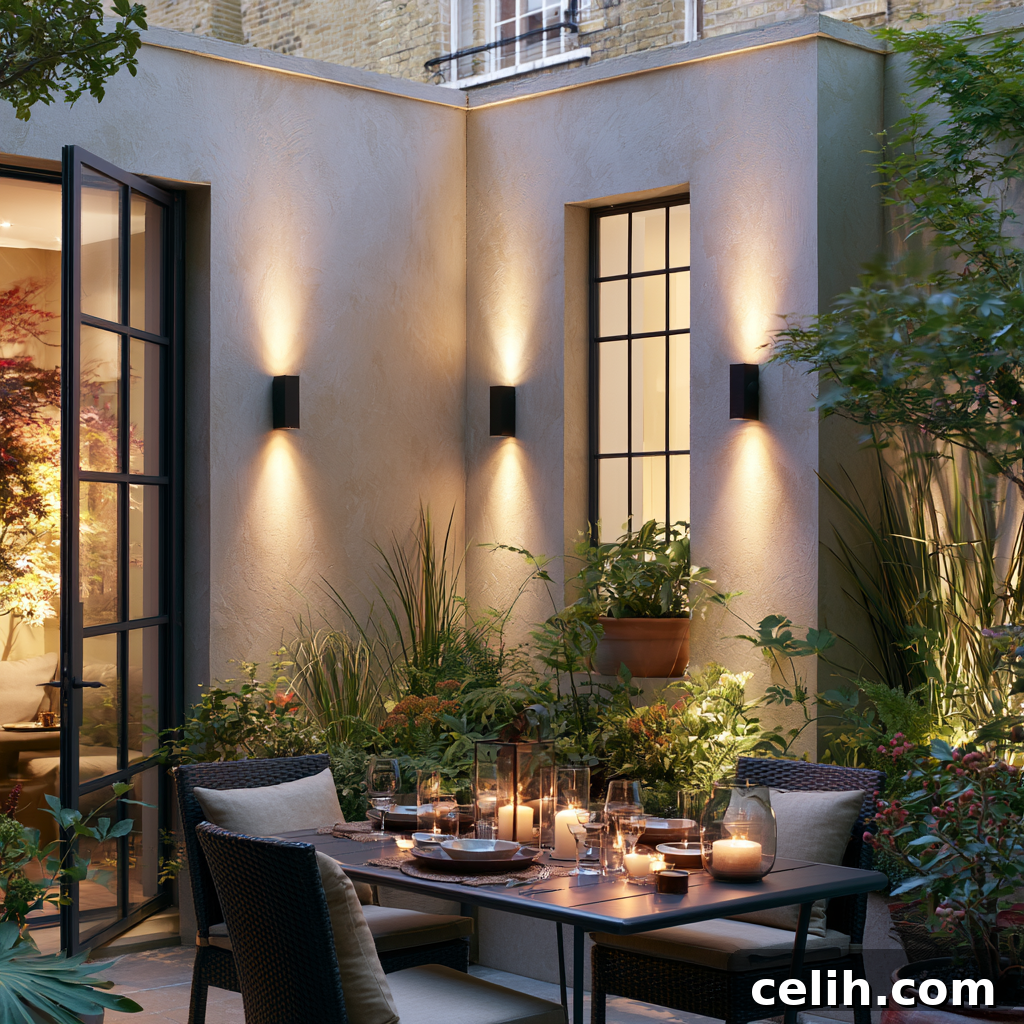
Summer evenings are when gardens truly come alive. A space that looks good in daylight should also feel comfortable after dark, whether you are eating outside, relaxing on the patio, or walking from the house to the far end of the garden.
Good exterior lighting isn’t about making every corner bright. Effective schemes use a few considered layers: lighting for movement, lighting for atmosphere, and lighting that highlights one or two features.
Garden spike lights, bollard lighting and deck lighting each serve different purposes. When used thoughtfully they help a summer garden feel relaxed and practical without becoming overlit.
Quick answer: Which exterior light works where?
Plan summer exterior lighting by thinking about how each part of the garden will be used after dark. Match the fitting to the task rather than simply adding more lights.
| Lighting type | Best for | What to consider |
| Garden spike light | Planting, borders, trees and textured walls | Aim carefully to avoid glare |
| Bollard lighting | Paths, driveways, entrances and garden edges | Keep spacing even but not excessive |
| Deck lighting | Steps, deck edges, raised areas and seating zones | Use soft, low-level output |
| Exterior wall lighting | Patios, doors and outdoor seating areas | Check height, glare and wall finish |
A well-considered garden rarely needs every type of light everywhere. Choose fittings that suit specific roles and keep their use selective.
Garden spike lights for planting and summer focal points
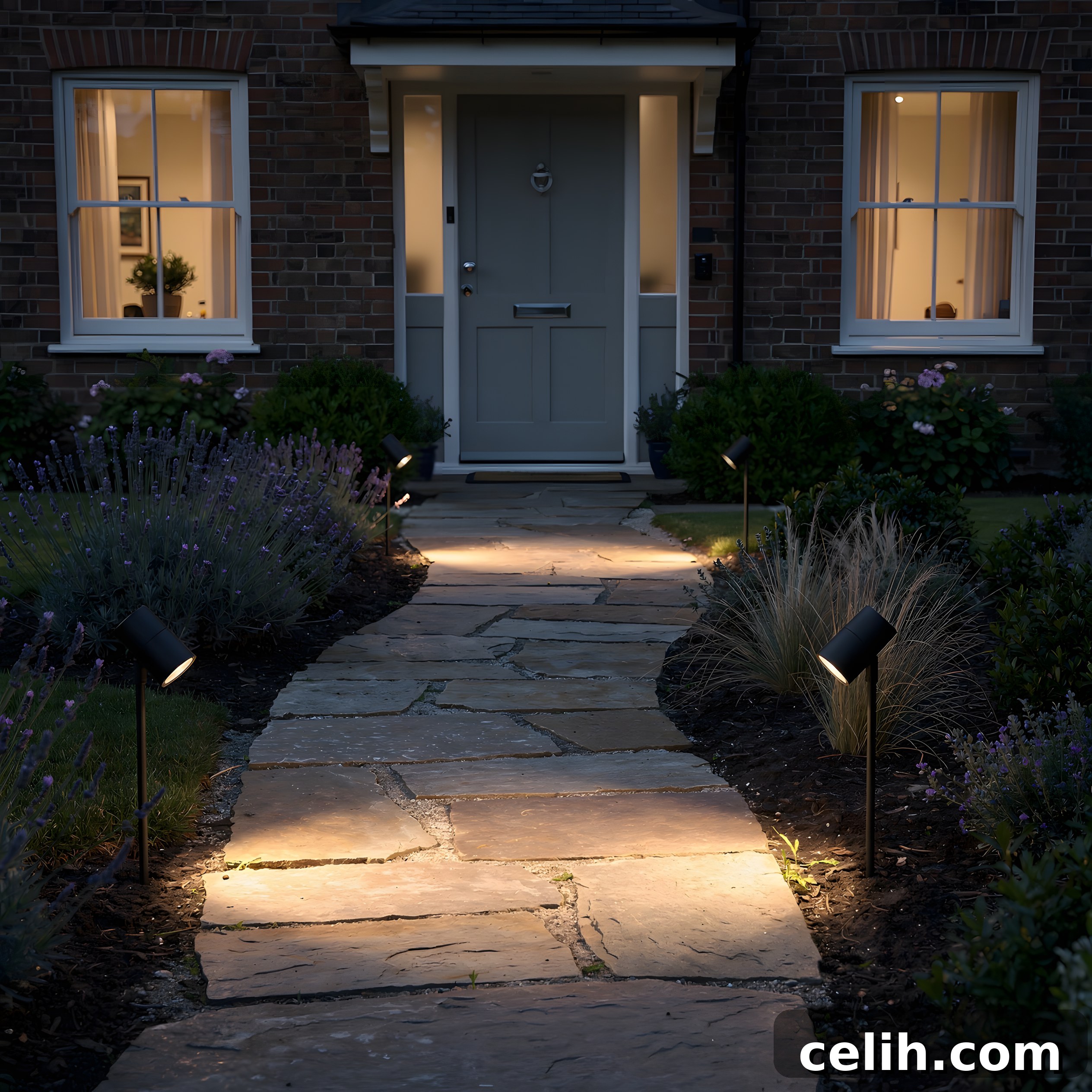
Garden spike lights are ideal for drawing attention to a particular element, such as a small tree, specimen shrub, border edge or a textured wall. They reveal shape, texture and shadow rather than calling attention to the fitting itself.
Place spike lights tucked into planting and angle them across surfaces or up through foliage. Where possible, choose adjustable fittings so you can re-aim them as plants grow or features move during the season.
Bollard lighting for paths, driveways and garden structures
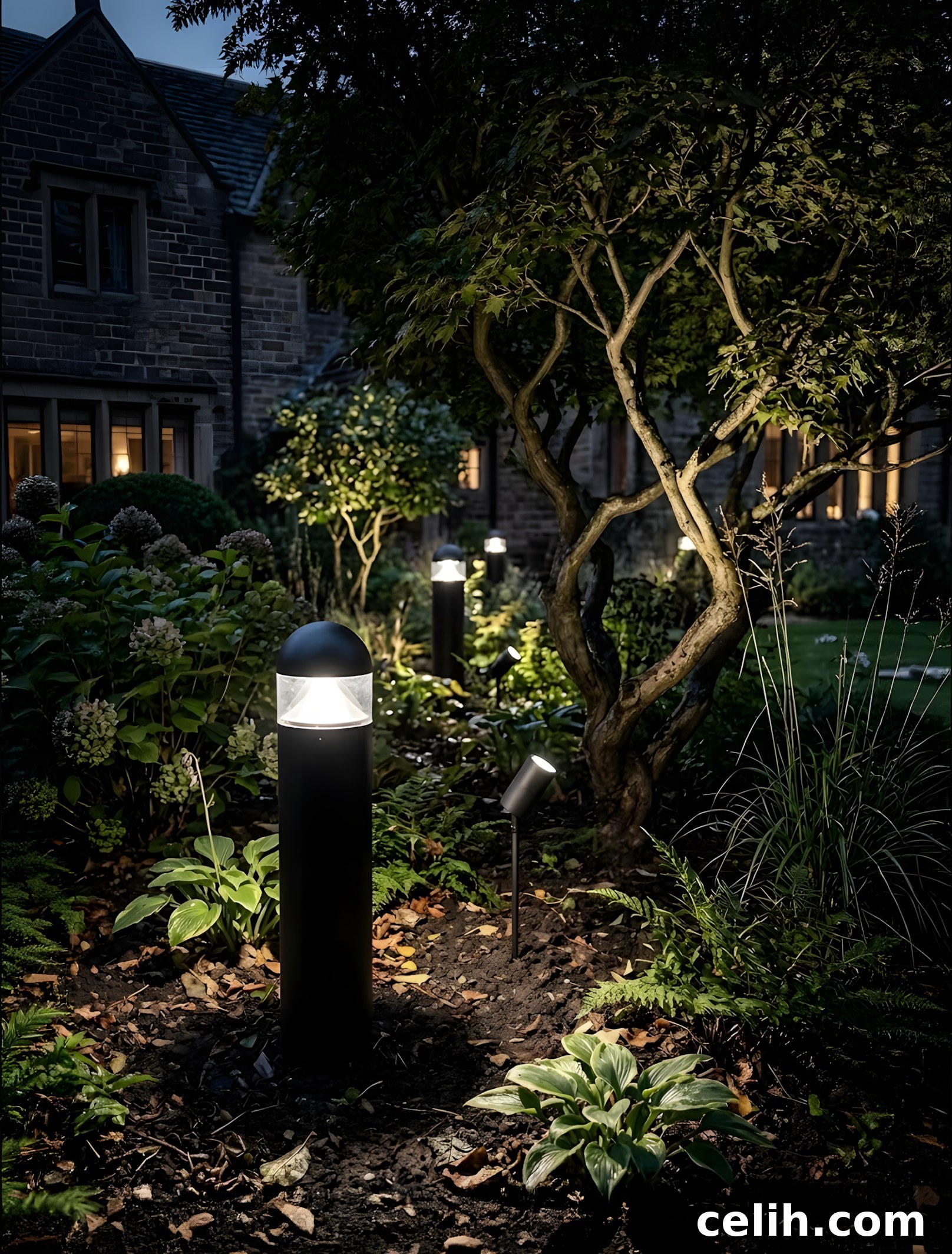
Bollard lighting is best used for route guidance rather than feature illumination. It works well along paths, driveways, entrances and garden edges where people need safe, comfortable movement after dark.
Spacing matters: too many bollards can feel formal, while too few leave dark gaps. Aim for a gentle rhythm of light that guides people without creating a bright line of posts. Because bollards are visible by day, choose a style that complements the garden and property—sleek and simple for modern spaces or softer, traditional fittings for older settings.
Deck lighting for steps, edges and seating areas
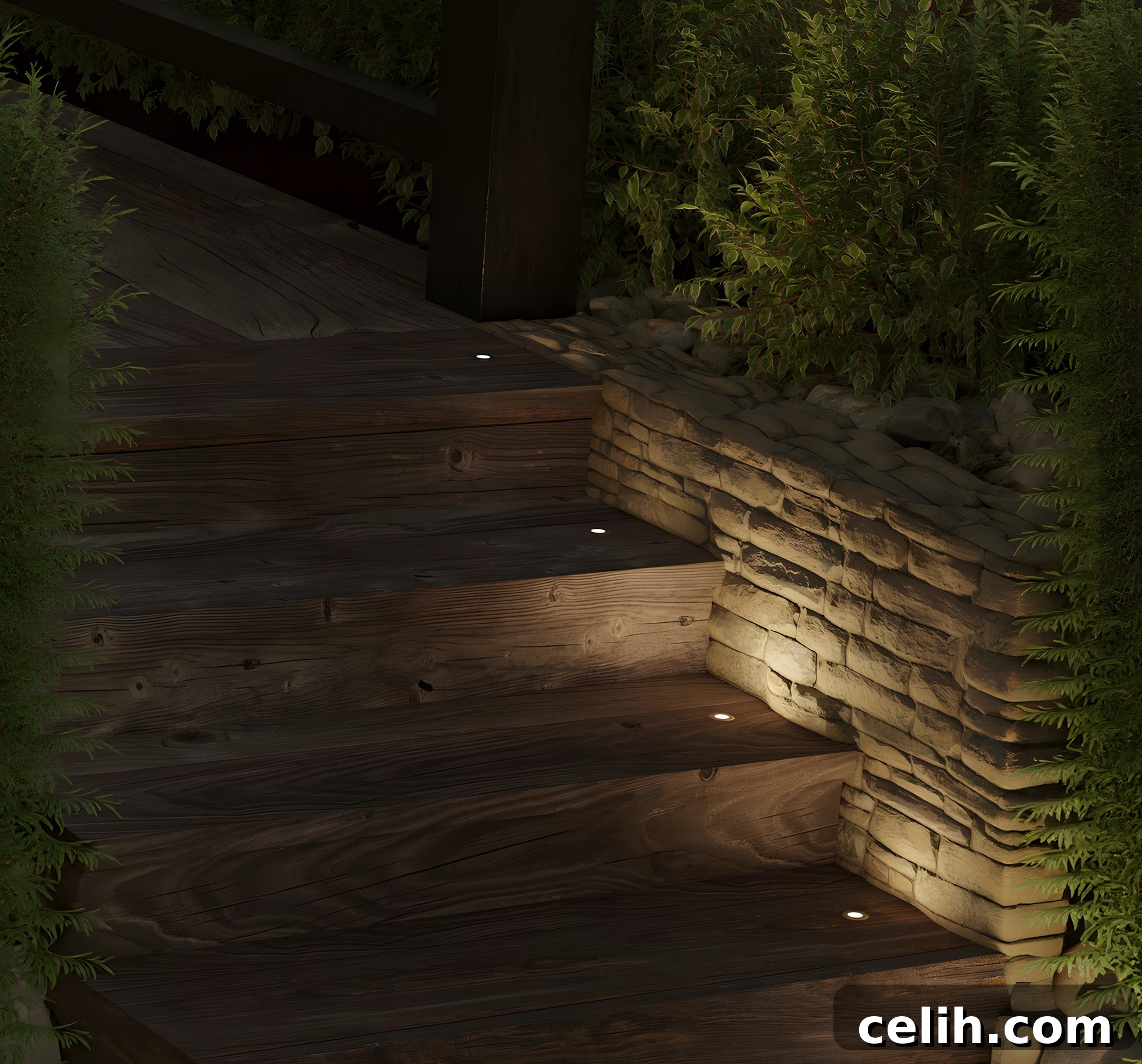
Deck lighting provides subtle guidance around steps, deck edges, raised platforms and seating areas. These fittings should be soft and low-level so they help people move safely without becoming a distraction.
Avoid overusing bright or frequent deck lights, especially near seating or dining areas. Used correctly, they define a zone and create intimacy without needing large overhead fixtures.
Exterior wall lighting for patios and entrances
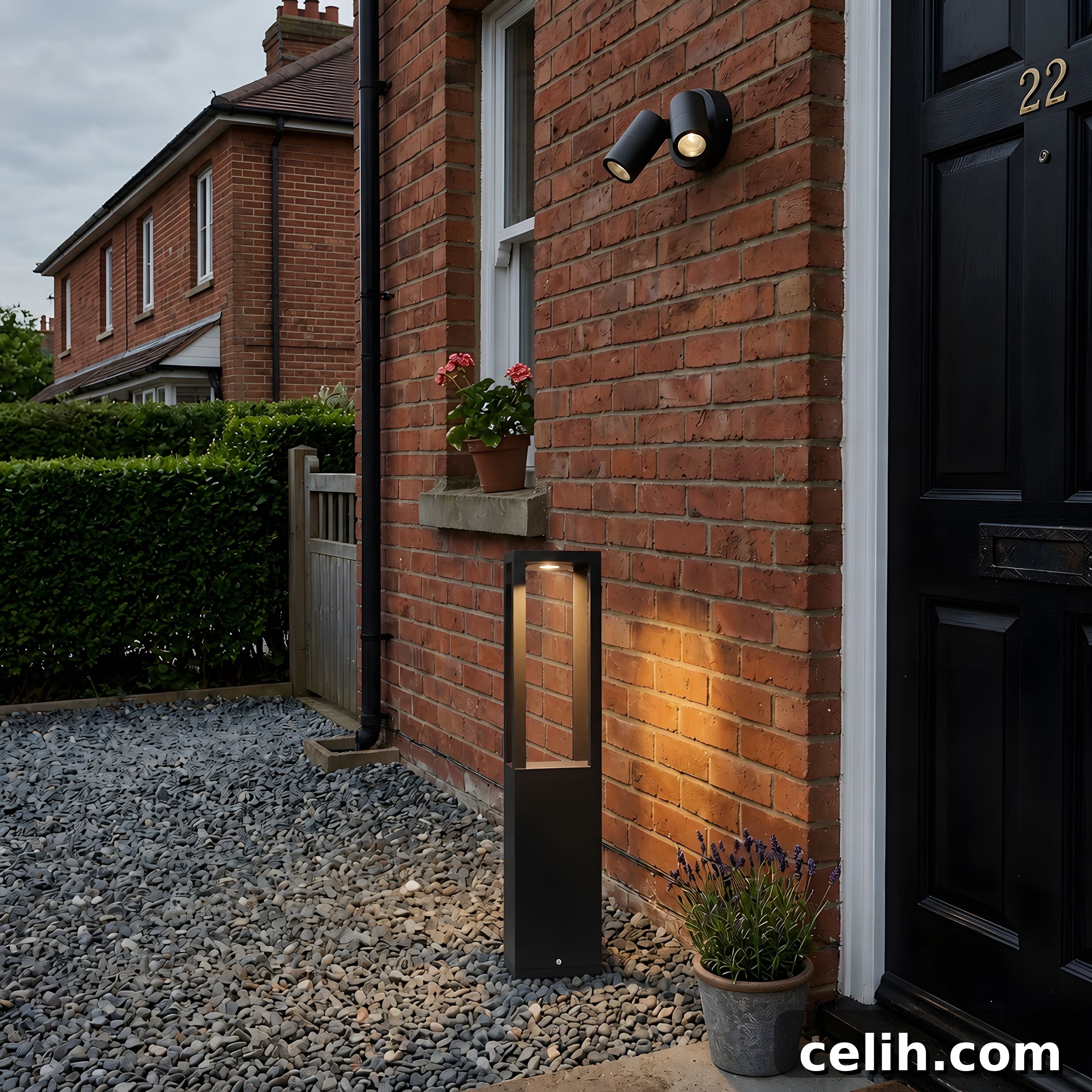
Wall lighting links the garden to the house. It can make a patio more usable, frame an entrance, or provide a finished appearance to an exterior wall.
When specifying wall lights, check height, glare and light spread. A fitting placed too high can feel harsh; one too low may not provide sufficient useful illumination. Position and aim fittings so they enhance the patio and entry without causing discomfort.
Lighting zones for summer evenings
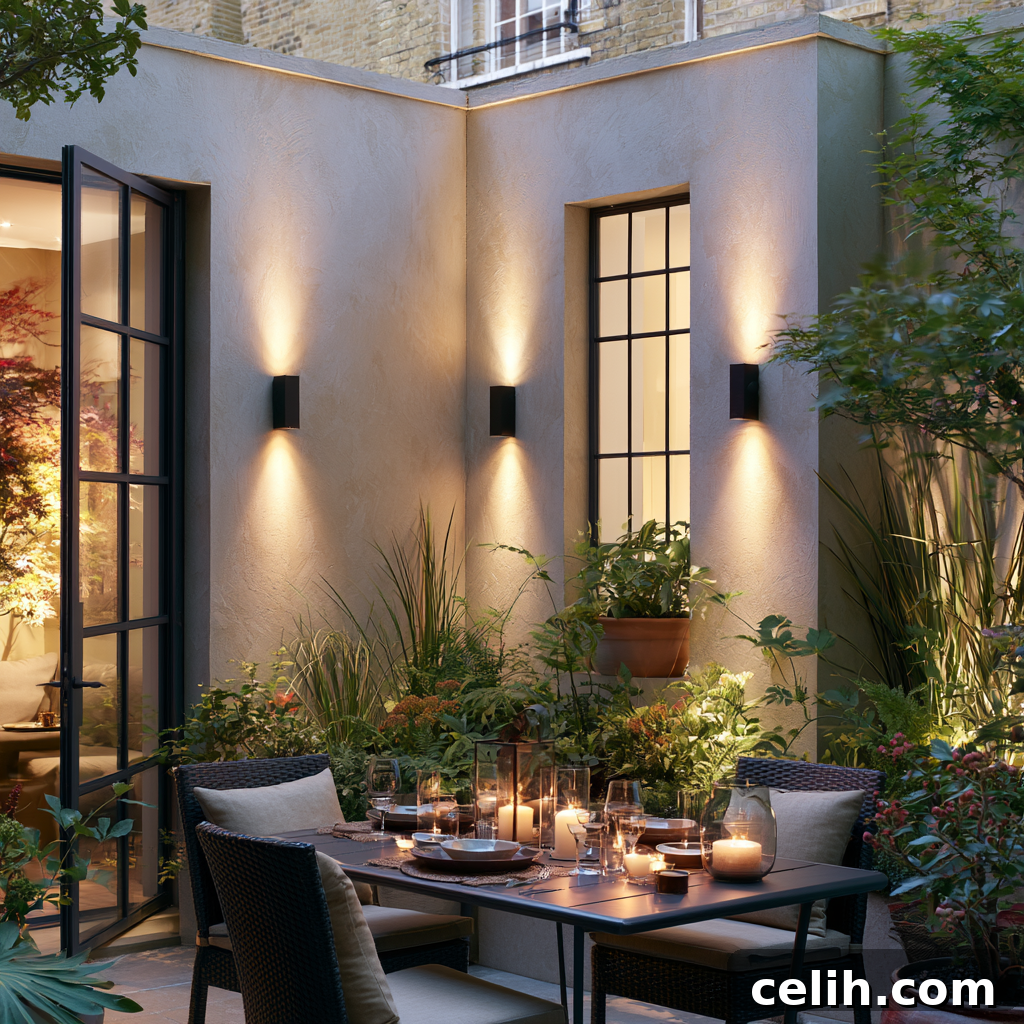
A simple lighting plan works best when each fitting has a clear role. Start with practical route lighting, then add atmospheric layers and finally highlight a couple of focal points.
For example: use bollards to guide people along a path, deck lights to define a seating area, and a garden spike to pick out a specimen tree or border. This layered approach creates comfort and interest without overwhelming the space.
Warmth, glare and IP ratings still matter
Beyond fitting type, colour temperature, brightness, aiming and weather resistance determine the final result. Warm white light is generally a good starting point because it feels softer against planting, timber, brick and stone. Cooler light can work for purely practical routes but often feels harsh near seating areas.
If a light source is clearly visible from a patio, window or path, consider moving, angling or diffusing the fitting. Always check IP ratings and installation requirements so each fitting suits its exposure to weather and wear.
Exterior summer lighting FAQs
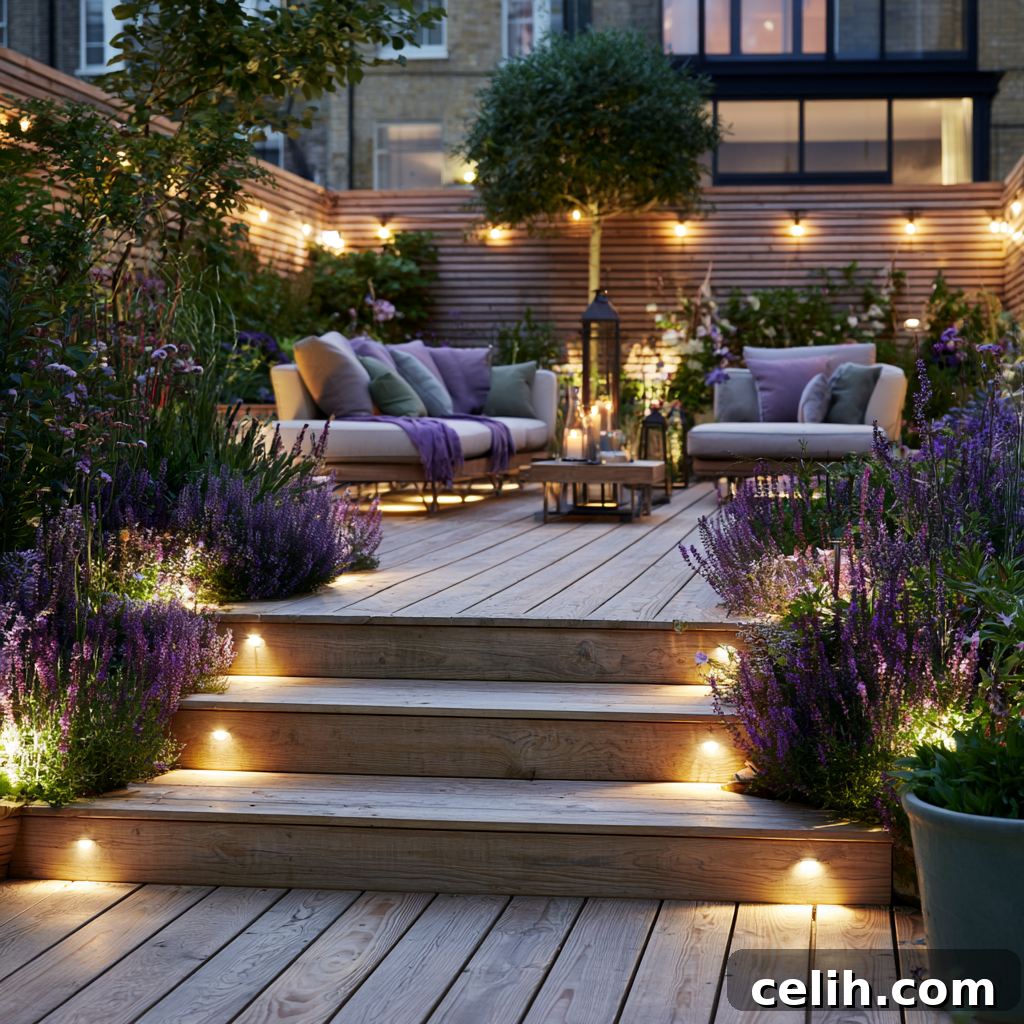
These practical questions cover placement, mood and comfort for summer evenings.
What should I light first in a summer garden?
Begin with the areas people use most after dark: the patio, dining area, routes back to the house, and any steps or level changes. After those essentials, add one or two feature lights for trees, specimen planting or textured walls.
How do I create mood lighting outdoors?
Mood comes from softer, warmer, lower-level lighting rather than brightness. Use spike lights for depth, deck lighting to define seating, and keep wall lights or bollards where they support movement and comfort rather than overpowering the space.
How can I avoid making the garden look overlit?
Leave some darker areas. A garden feels more atmospheric when light is selective—focused on routes, seating zones and a few focal points—rather than illuminating every border or wall.
Where should lights be placed for outdoor dining?
For dining, avoid bright fittings at eye level. Softer wall lights, low-level deck lighting, or indirect light from nearby planting create a comfortable atmosphere.
Bringing the exterior lighting scheme together
Well-designed summer lighting feels intentional without being obvious. Start from how the space is used, choose fittings to support those moments, and keep the scheme simple.
A few well-placed lights will usually do more for a summer garden than trying to illuminate everything.