
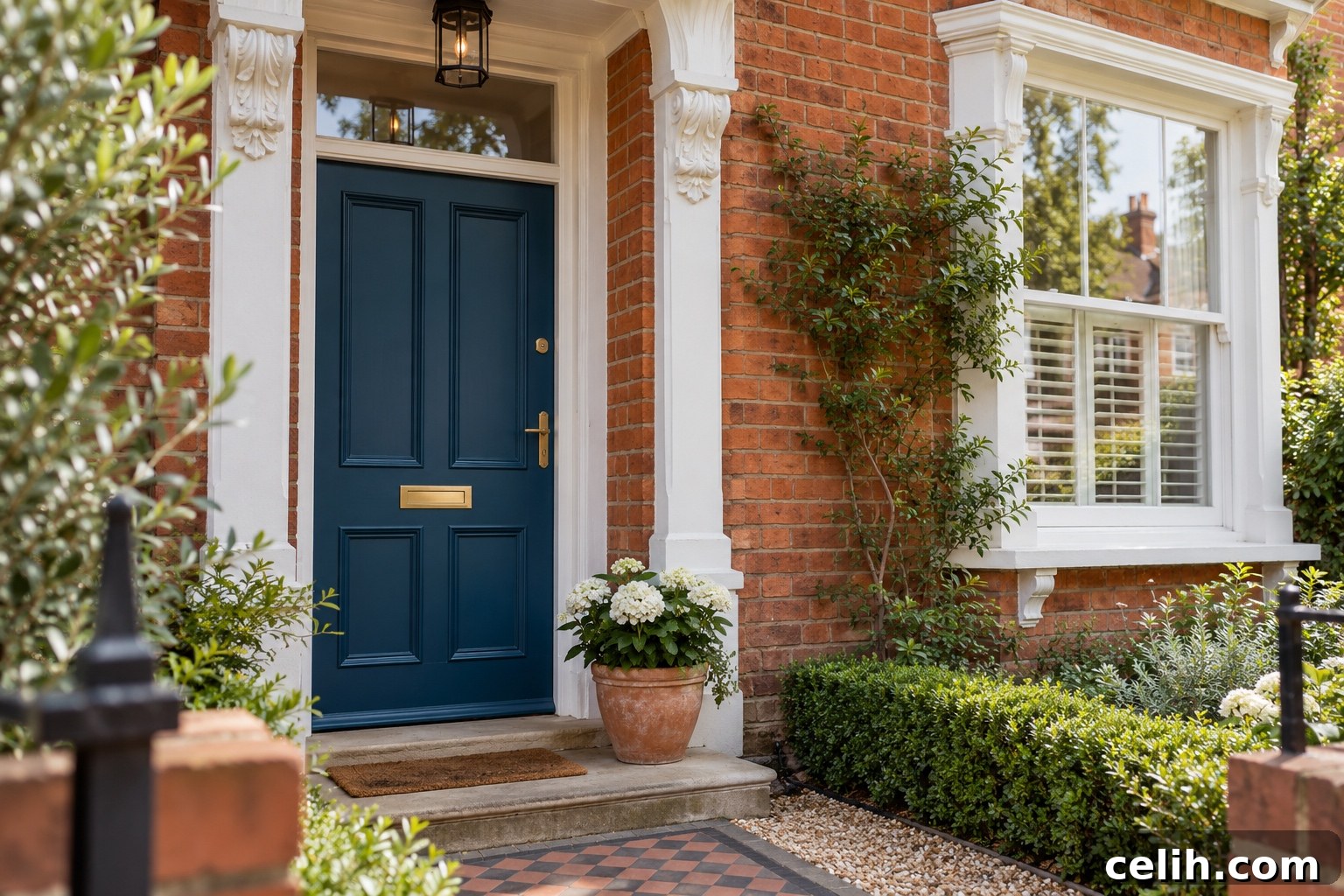
The exterior of your home shapes first impressions long before anyone steps inside. Peeling paint, an awkward entrance, or an untidy driveway can suggest neglect even when interior spaces are lovingly maintained. The good news is that improving kerb appeal often doesn’t require a full renovation—targeted cleaning, timely repairs and a considered colour scheme can make a big difference. Larger updates are worth considering when they resolve practical problems as well as refresh the appearance.
Whether you’re moving into a new house, preparing to sell, or simply want a fresh look, a few thoughtful changes will help your exterior feel modern, welcoming and well cared for. Below are practical, easy-to-follow steps to transform the outside of your home.
Start With Simple Changes to Boost Kerb Appeal
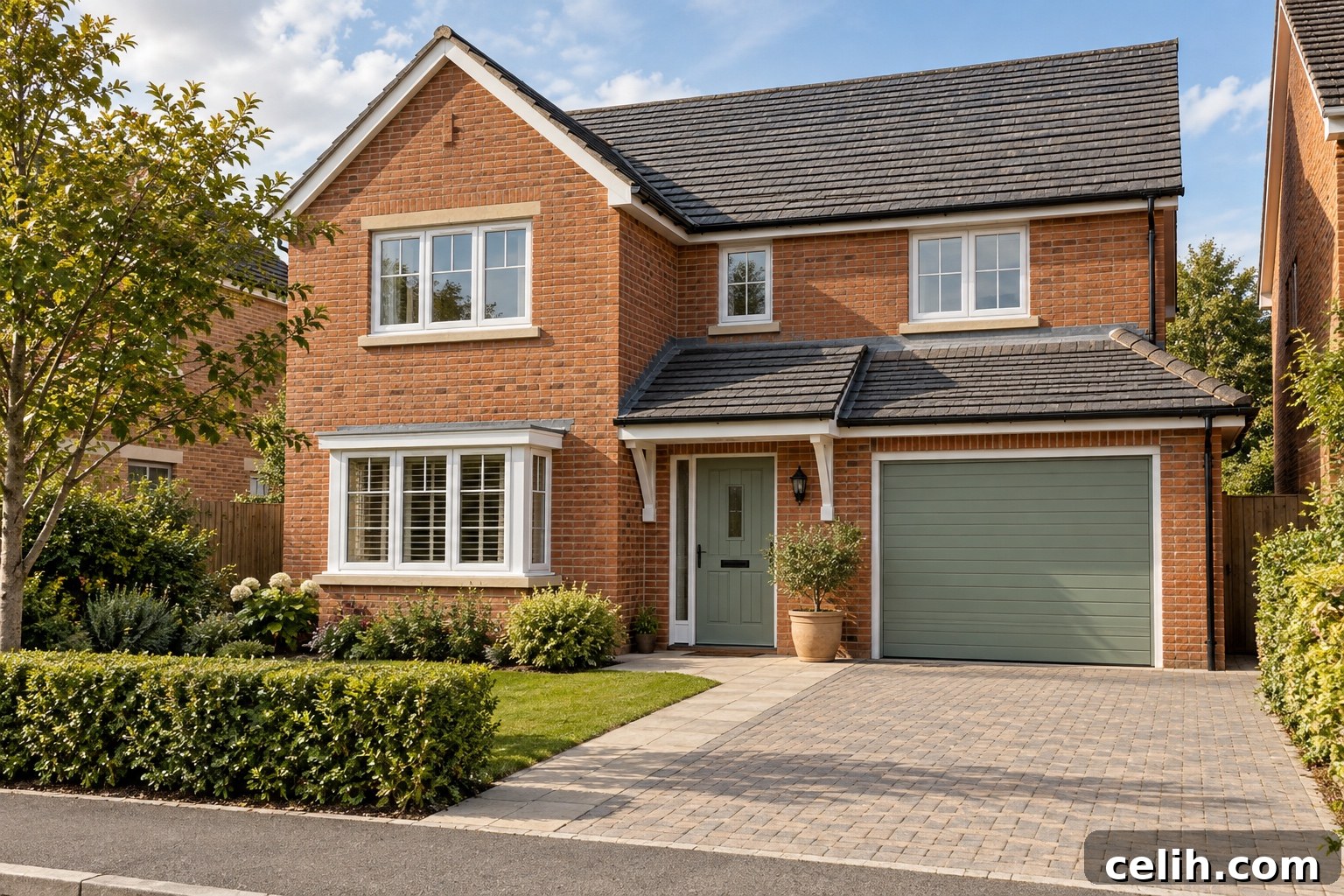
Some of the most effective improvements require no construction at all—just time and attention. Wash reachable windows and frames, sweep the path to the entrance, pull weeds from paving joints and remove broken pots or discarded items. Use cleaning methods suited to each surface, especially on older brickwork and mortar where aggressive techniques can cause damage.
Small repairs quickly lift the overall impression. Touching up peeling paint, tightening a loose gate handle or replacing a damaged fence panel gives the frontage a more cared-for appearance. These fixes are relatively inexpensive and deliver visible returns.
After the basics are addressed, focus on colour. A complementary paint colour for the front door creates a focal point that unifies the façade. Consider the tones in brickwork, roof tiles and window frames, and test paint samples outdoors to see how they look in different light. If your roller garage doors are the same colour, the coordinated effect can be striking; alternatively, a muted shade on a large garage door lets a bolder front door stand out.
Give Your Front Entrance a More Modern Feel
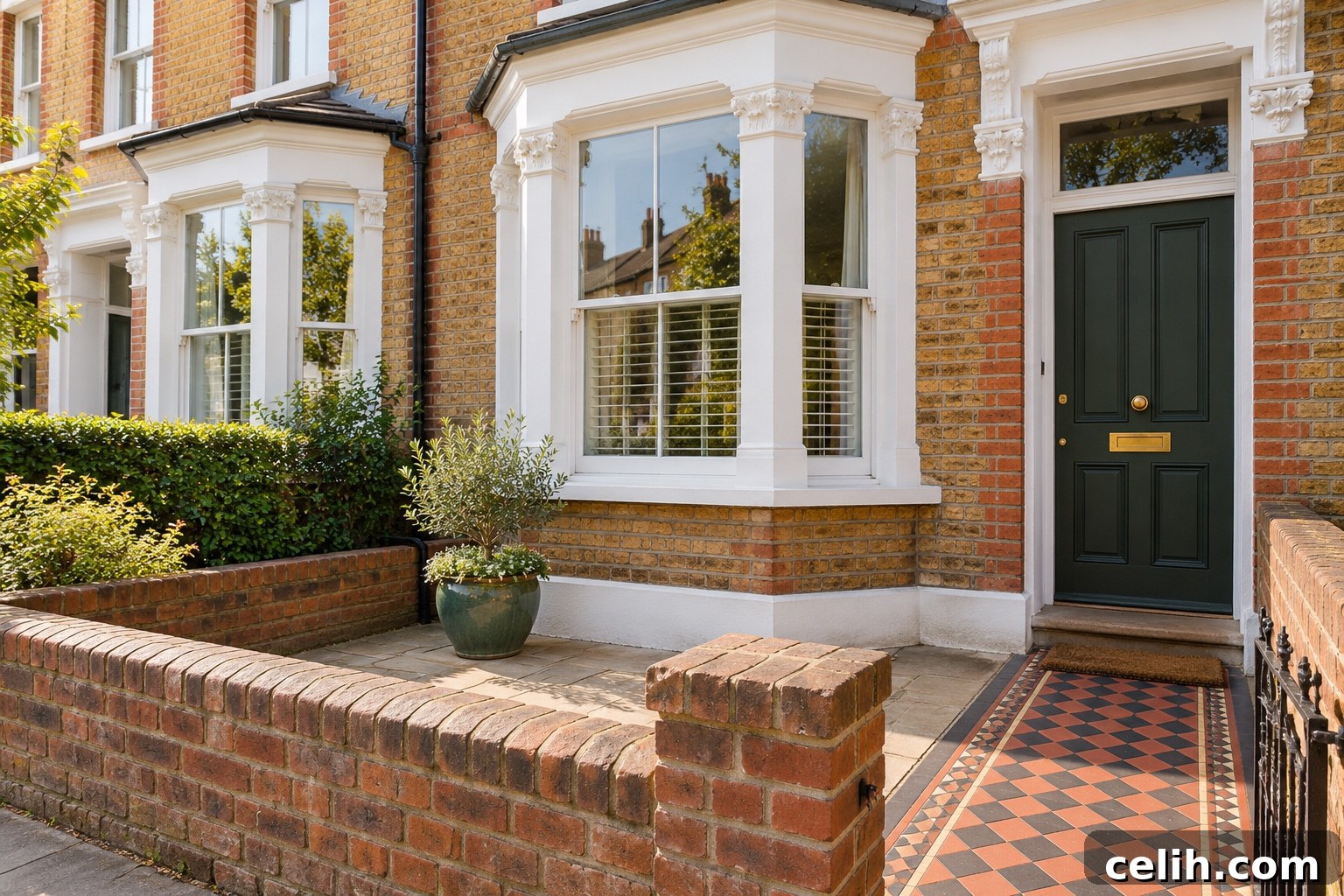
The entrance is often the first element visitors and potential buyers notice. Small, focused upgrades here have disproportionate impact. Approach the door as a guest would: is the house number clear? Is the path unobstructed? Does the lighting help you see steps and the lock after dark? Inspect the door for chipped paint, outdated hardware or other signs it needs attention.
If the door is structurally sound, a fresh finish and new fittings may be all that’s needed. Choose handles, letterplates and locks that suit the property’s character—modern homes suit sleek metal finishes, while traditional properties benefit from more classic hardware. Add a simple wall light for safe, flattering illumination, make sure house numbers are visible from the street, and place a clean doormat to complete the look. Where space allows, a substantial planter beside the entrance adds warmth—just keep it clear of the walking route and the door swing.
Updating Functional Features for a Cleaner Exterior Finish
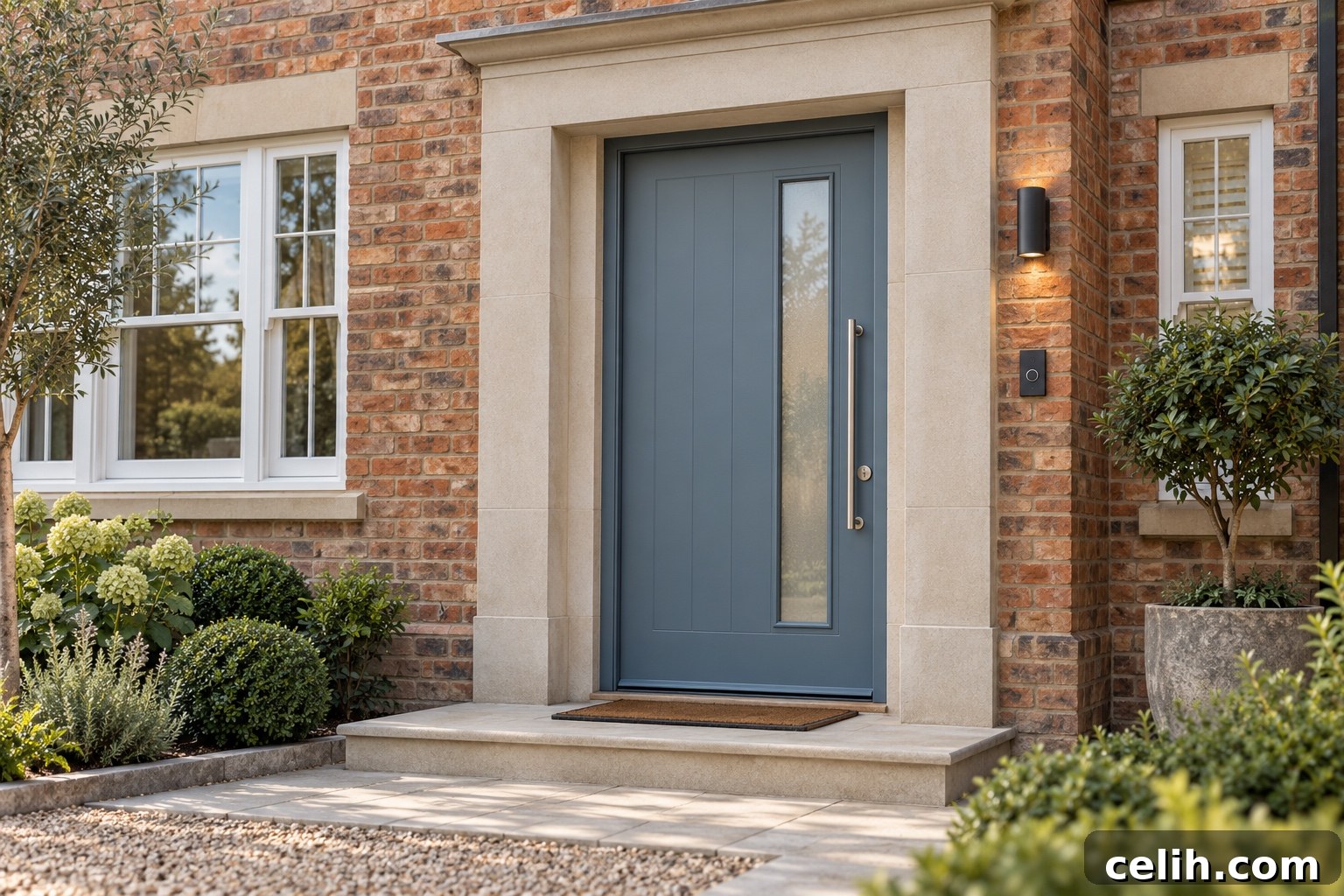
Beyond aesthetics, consider how you interact with the exterior and which changes would make daily life easier. Replacing an old garage door can dramatically improve both appearance and function, while re-paving a damaged driveway reduces weeds and creates a neater, safer surface.
When planning significant updates, aim for consistency with the rest of the house and the surrounding area. New fencing, gates or external walls should harmonise with front doors and garage doors to create a cohesive frontage. In some instances—especially for major alterations to older or listed buildings—planning permission or local rules may influence what you can do, so check local guidance before starting large projects.
Consider Bigger Changes for a Complete Transformation
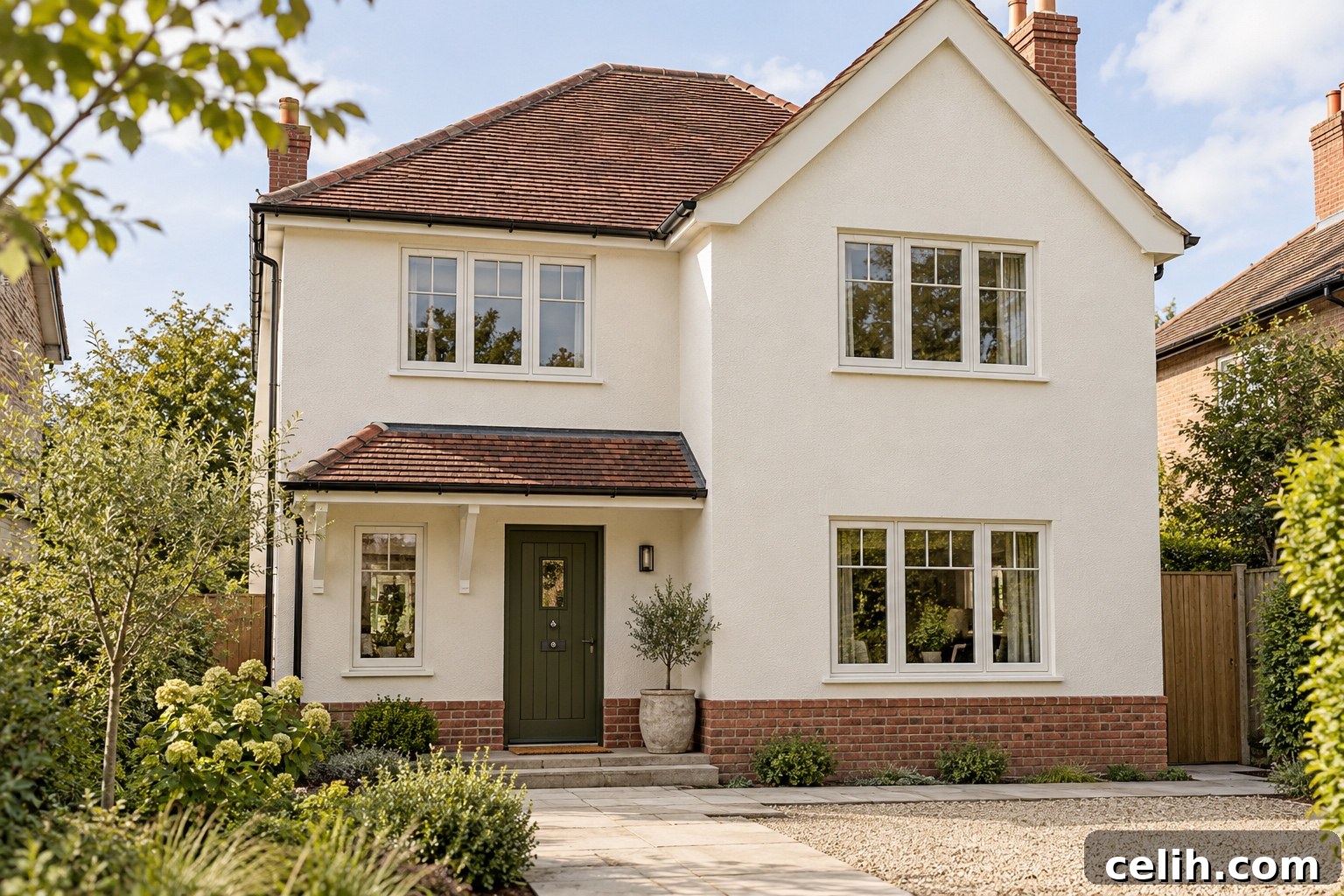
While a string of small updates can yield impressive results, larger interventions will have the greatest visual impact. Rendering external walls, for example, can conceal tired brickwork and produce a clean, uniform finish that modernises the whole house. Before committing to a major change, arrange for a qualified professional to assess the condition of walls and identify any underlying issues that must be resolved first.
Compare quotes carefully, ensuring each includes surface preparation, necessary repairs, access requirements and finishing work. Thoughtful planning reduces surprises and helps projects run more smoothly. Prioritise essential maintenance, focus on the features that most affect appearance and function, and choose colours and materials sympathetic to the home’s character.
With a clear plan and sensible staging, even substantial exterior projects can deliver a welcoming, practical and attractive result that enhances both everyday enjoyment and long-term value.