
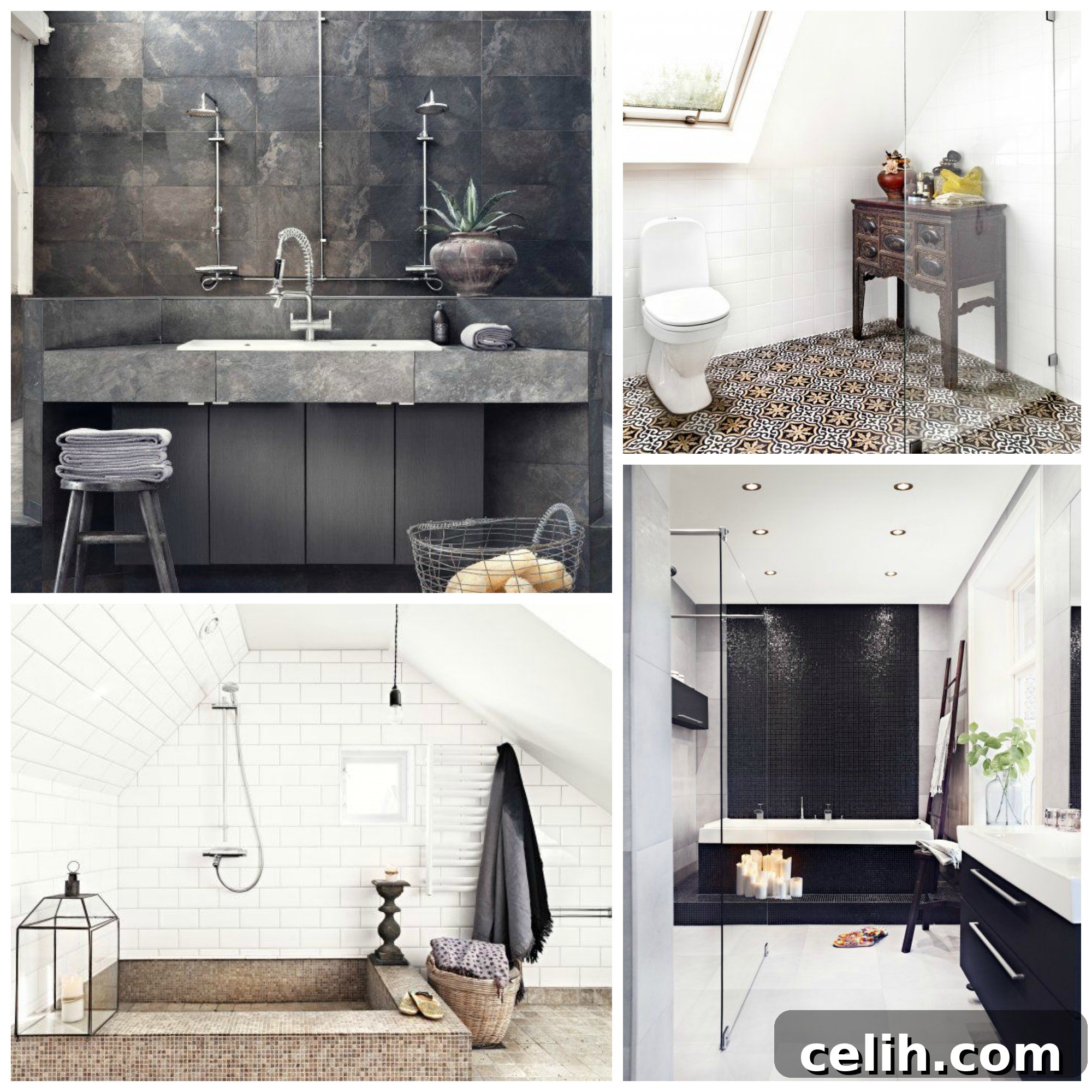
If you’re seeking to infuse your bathroom with a fresh, inviting, and truly contemporary appeal, then one of the most compelling design directions to explore is the integration of tactile textures. This trend transcends mere aesthetics, delving into the realm of sensory experience to create a space that is as comforting to touch as it is beautiful to behold. It’s about crafting an environment that speaks to more than just sight, offering a deeper connection to the materials that surround you.
The concept of embracing tactile textures has been prominently championed by leading luxury bathroom suppliers such as C.P. Hart, who consistently set benchmarks in innovative bathroom design. At its core, this trend encourages a thoughtful selection of finishes and materials that invite interaction and add perceptible depth to your space. Imagine walls or floors adorned with rich, textured finishes, the intricate patterns of artisanal tiles underfoot, the raw beauty of natural wood grain, and subtle touches of global or tribal influences. The harmonious interplay of these elements culminates in a unique aesthetic often described as a sophisticated modern rustic vibe.
Why Your Bathroom Is the Perfect Canvas for Tactile Textures
The bathroom, by its very nature, is an inherently sensory space. It’s where we begin and end our days, a sanctuary dedicated to cleansing, rejuvenation, and profound relaxation. The rush of warm water, the refreshing splash of cool water, the delicate scent of soaps, and the enveloping softness of a fluffy towel are all deeply tactile and comforting experiences. Extending this innate appreciation for touch into the broader design of the room elevates the entire experience, transforming a functional space into a personal spa oasis.
Unlike other rooms where visual appeal might dominate, the bathroom provides an unparalleled opportunity to engage multiple senses. The sensation of textured surfaces against bare skin, the visual interest created by varying depths and patterns, and the organic warmth emanating from natural materials all contribute to an atmosphere of serene comfort. This trend encourages us to move beyond sterile, purely functional designs and instead, to create environments that soothe, stimulate, and ground us through touch and sight. Incorporating tactile elements fosters a deeper connection to our surroundings, promoting mindfulness and well-being in a space often overlooked for its potential to offer sensory richness.
Defining the Modern Rustic Aesthetic Through Tactile Elements
The modern rustic trend, enriched by tactile elements, skillfully merges the warmth and authenticity of natural, raw materials with the clean lines and functionality of contemporary design. It’s a delicate balance that avoids the overly ornate traditional or the stark minimalism, instead offering a sophisticated yet grounded aesthetic. To achieve this, designers thoughtfully integrate materials like untreated wood, stone, concrete, and varied textile finishes. The aim is to introduce a sense of history, character, and an organic connection to nature within a sleek, functional framework, creating a bathroom that feels both timeless and exceptionally current.
For a deeper dive into how different textures can be artfully combined and what the final result might look like, exploring visual inspiration is incredibly helpful. Our dedicated Pinterest board serves as a curated collection of ideas, demonstrating the versatility and beauty of this trend. Here, you can visualize how rough-hewn timber pairs with polished stone, or how geometric patterned tiles complement smooth, matte finishes. We’ve highlighted several evocative images that beautifully capture the essence of the modern rustic trend in diverse bathroom settings, providing a springboard for your own design aspirations:
(All above bathroom images are copyrighted to photographer Sara Svenningrud, originally sourced from KK Living)
Essential Tactile Elements for Your Modern Rustic Bathroom
The Enduring Appeal of Natural Wood
No discussion of tactile textures or modern rustic design would be complete without emphasizing the indispensable role of wood. Wood introduces unparalleled warmth, character, and an organic touch that instantly softens a potentially stark bathroom environment. Whether it’s presented in its purest, most natural state – perhaps as exposed wooden beams that draw the eye upwards, a robust rough-textured countertop that grounds the space, or a vanity crafted from reclaimed timber showcasing its unique imperfections – wood tells a story. The inherent beauty of its natural grain, visible knots, and subtle color variations adds an authentic layer of texture that is both visually engaging and comforting to touch.
Beyond its raw form, wood also offers incredible versatility. Smooth painted or exquisitely lacquered wooden finishes can create a more refined, sleek aesthetic, particularly when deep, dark wood tones are employed. Imagine a bathroom featuring a rich, dark wood vanity paired with a dreamy, dark wall color, contrasted by crisp, lighter towels and metallic accents. This sophisticated combination evokes the serene and luxurious ambiance of a high-end spa, proving that wood can be both rustic and utterly opulent simultaneously. The selection of wood type, stain, and finish significantly influences the overall mood, from light and airy Scandinavian-inspired spaces to deep, moody retreats. Furthermore, wood is a sustainable material, and choosing responsibly sourced timber aligns with an eco-conscious design philosophy, adding another layer of appeal.
The Dynamic World of Textured Tiles
Textured tiles are another cornerstone of this design movement, offering endless possibilities for adding depth, pattern, and tactile interest to both walls and floors. Moving beyond traditional flat ceramic, contemporary tiles feature a myriad of textures: subtle three-dimensional patterns, embossed designs, stone-look tiles that mimic natural rock formations, or even fabric-effect tiles that introduce a softer, textile-like feel. These intricate surfaces play with light and shadow, creating dynamic visual effects that change throughout the day, adding a living quality to your bathroom’s surfaces.
Tiles with a hint of pattern, whether geometric, organic, or abstract, can be particularly effective. They can serve as a stunning focal point on a feature wall in a shower enclosure, define zones within an open-plan bathroom, or simply add subtle intrigue when used across an entire floor. The choice of tile material also contributes to the tactile experience – from the cool smoothness of polished porcelain to the earthy grip of unglazed terracotta or the industrial chic of concrete-effect tiles. When paired with complementary grout, textured tiles can transform a mundane surface into an artful canvas, enriching the bathroom’s sensory landscape significantly. Consider larger format textured tiles for a seamless look or smaller, more intricate patterns for detailed areas, creating visual narratives through their placement.
Beyond Wood and Tiles: Other Elements of Tactile Design
While wood and tiles form the foundation, the tactile trend extends to a wider array of materials and finishes, each contributing to the rich sensory tapestry of your bathroom:
- Natural Stone and Concrete: Marble, granite, slate, and travertine, whether polished to a mirror sheen or honed to a soft matte, bring a sense of natural grandeur. Rough-cut stone can create dramatic accent walls, while concrete, in its various forms (polished, raw, or tinted), offers an urban edge that can be surprisingly warm when contrasted with other natural materials. These materials not only add visual weight and texture but also possess unique thermal properties, feeling cool to the touch, a refreshing contrast in a warm bathroom.
- Metallic Accents: Metallic elements, from faucets to lighting fixtures and freestanding baths, introduce another layer of texture and visual interest. Brushed bronze, matte black, aged brass, or polished chrome each offer a distinct feel, reflecting light differently and adding a sophisticated glint. The freestanding Greenwich Boat Bath, for instance, mentioned earlier by C.P. Hart, can be customized with various finishes. While golden copper offers a radiant warmth, a moody dark steel finish can infuse a bathroom with industrial sophistication and an exceptionally sleek profile. These metallic touches act as sophisticated counterpoints to the softer, natural textures, providing a contemporary edge and a hint of luxury.
- Textiles and Soft Furnishings: The ultimate tactile experience often comes from textiles. Beyond the obvious soft, fluffy towels, consider bath mats with deep pile, luxurious robes hung on display, or even a woven laundry basket. These elements add an immediate sense of comfort and can introduce additional patterns and colors, tying the entire design together. Different weaves and materials, such as linen for a natural, slightly coarse feel or bamboo for a silky touch, further enhance the sensory richness. Layering different fabric textures, from crisp waffle weaves to plush terrycloth, elevates the sense of indulgence.
- Tribal and Global Influences: Integrating elements inspired by tribal art or global craftsmanship adds a layer of curated authenticity and visual texture. This could manifest in hand-woven baskets for storage, intricately patterned coasters or decorative bowls, unique wall hangings, or even specific tile designs that draw from ancient motifs. These touches often bring earthy color palettes and a connection to artisanal traditions, grounding the modern rustic aesthetic with cultural depth and a personalized narrative. They suggest a well-traveled, thoughtful aesthetic, adding soul to the space.
- Live Plants: Don’t overlook the living texture that plants can bring. Lush greenery adds an organic, refreshing feel, contrasting beautifully with hard surfaces and introducing natural contours and softness. Certain plants also thrive in humid bathroom environments, making them a practical and aesthetically pleasing addition.
(Featured items in this inspiring setup include: Giro furniture, specifically a single drawer unit providing sleek storage; Sheridan dark grey Trenton towels, offering luxurious softness; Loire ardois décor pattern tile, adding intricate visual texture; charming Tribal print coasters; a sleek contemporary beauty wall mounted soap dish and holder; and the elegant Mariel towels to complete the look).
Redefining Bathroom Furniture: Beyond Pure White
The notion that bathroom furniture must be exclusively pristine white is a design convention that the tactile texture trend eagerly challenges. While white undoubtedly offers a clean aesthetic, it can sometimes feel cold or impersonal. Embracing varied finishes for furniture, like the rich tones of wood or the industrial appeal of concrete, opens up a world of design possibilities. Metallic-style baths, for instance, are undeniably gorgeous and instantly inject a sense of high style and opulent luxury into any bathroom. These statement pieces, with their reflective or aged surfaces, become immediate focal points, offering a visual and tactile feast. The aforementioned Greenwich Boat Bath from C.P. Hart exemplifies this, offering customization options to truly personalize your space, allowing you to choose a finish that perfectly complements your chosen textural palette.
Achieving Perfection: The Value of Professional Expertise
While the allure of DIY bathroom renovation can be strong, transforming a bathroom, especially when incorporating intricate textures and specific finishes, often benefits immensely from professional guidance. Not everyone possesses the specialized skills or tools required to achieve the highest possible standard, particularly for a room that sees daily use and requires meticulous attention to detail and waterproofing. Seeking the advice and services of experienced professionals working in the trade – whether they are interior designers, bathroom fitters, or specialized craftsmen – is a wise investment. These experts can help navigate material choices, ensure proper installation, and ultimately deliver a cohesive, high-quality finish that perfectly embodies your vision for a tactile and modern rustic bathroom, saving you time, money, and potential headaches in the long run. Their expertise ensures durability and aesthetic excellence.
Find Your Inspiration: Explore Luxury Bathroom Showrooms
To truly grasp the potential of tactile textures and to envision how these elements can come together in your own space, there’s no substitute for experiencing them firsthand. Visiting luxury bathroom showrooms, such as those offered by C. P. Hart, provides an invaluable opportunity. Here, you can touch various materials, see different finishes under diverse lighting conditions, and explore beautifully curated room sets that showcase the latest trends and product innovations. It’s an immersive experience that can ignite your imagination and help solidify your design choices, ensuring your new bathroom is not just functional, but a true sanctuary of sensory delight and personal style. Professional showrooms offer a tactile journey, allowing you to compare and contrast textures in a way no online catalog can match.
Embracing tactile textures in your bathroom design is more than just following a trend; it’s about creating a personal retreat that engages all your senses, offering unparalleled comfort and a sophisticated aesthetic. By carefully selecting materials that appeal to touch and sight, you can transform your bathroom into a true modern rustic haven, a space where every moment is a pleasure.