
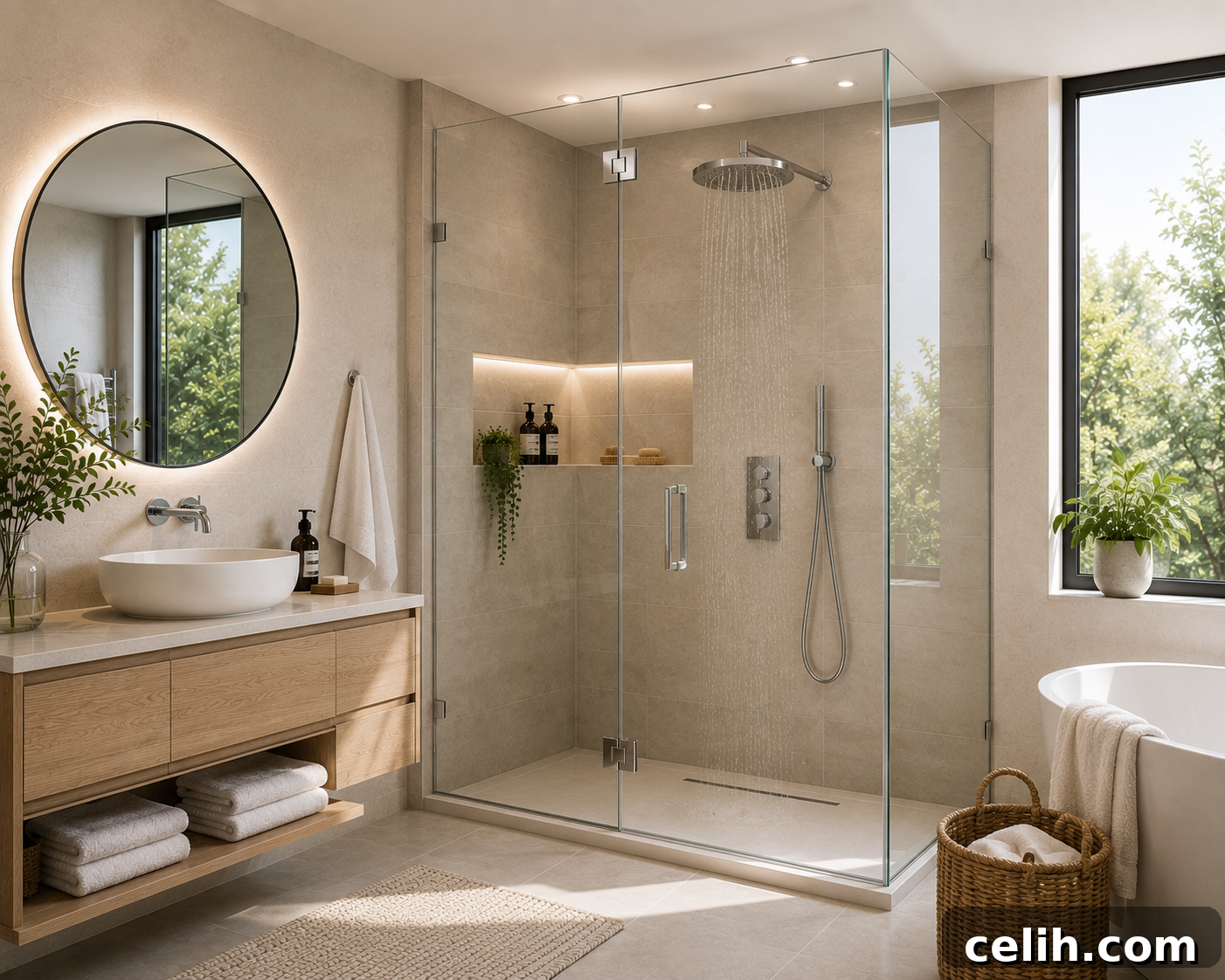
A waterfall shower head can turn a standard bathroom into a spa-like retreat. Rather than producing a concentrated spray, these heads create a broad, gentle sheet of water that cascades over the body. The result is relaxing, visually striking and increasingly sought after in modern bathroom design.
Not all waterfall shower heads perform the same. Size, water pressure, installation type, materials and extra features all influence the experience. Some buyers choose an oversized head that their plumbing can’t support, while others prioritise aesthetics over everyday practicality.
This guide covers what to consider when buying a waterfall shower head: its benefits and drawbacks, the features that matter, typical price ranges and how to choose the right product for your home.
Quick Answer
When selecting a waterfall shower head, check your home’s water pressure, measure the shower enclosure, decide between ceiling or wall mounting, and pick durable materials and finishes that match your bathroom. Look for anti-limescale nozzles, optional handheld attachments and water-saving features. Stainless steel and brass are the most durable materials; established manufacturers are generally more reliable for long-term performance.
What Is a Waterfall Shower Head?
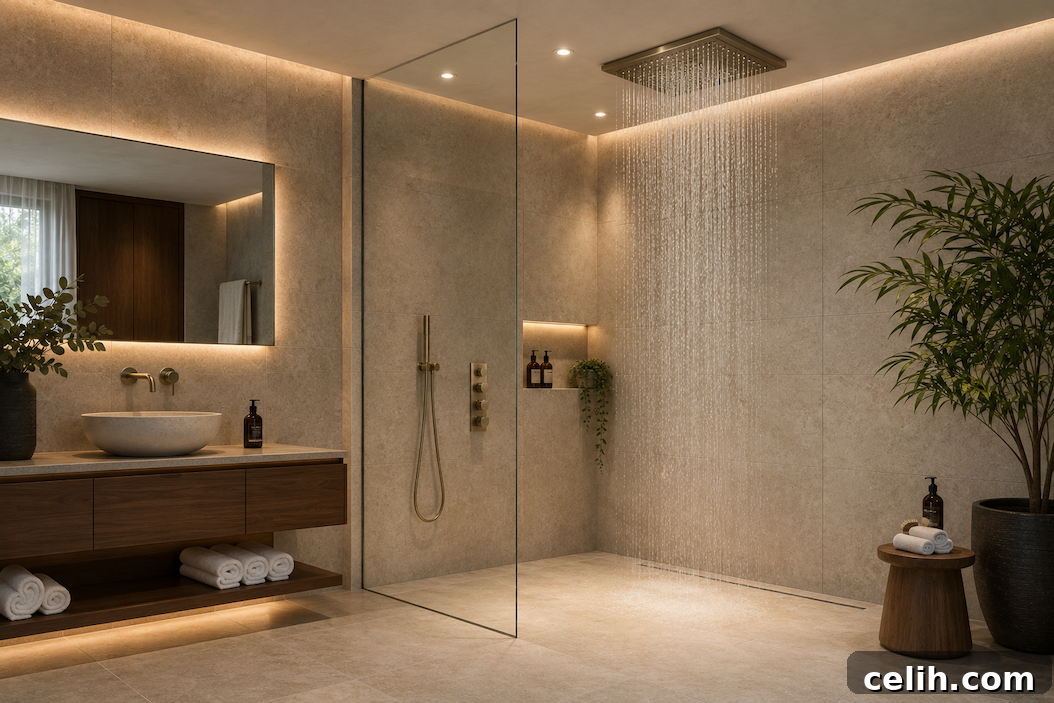
Waterfall shower heads—also called rainfall, cascade or drencher heads—are large overhead fixtures that distribute water evenly across a wide area. They are typically mounted to the ceiling or attached to a horizontal arm from the wall so water falls vertically, mimicking natural rain or a gentle waterfall.
They are especially popular in luxury bathrooms, walk-in showers, wet rooms, hotel-style designs and spa-inspired renovations.
Many systems pair a waterfall head with a handheld shower for both indulgence and everyday practicality.
Rainfall vs Waterfall Shower Heads
The terms rainfall and waterfall are often used interchangeably, but there are subtle differences. Rainfall heads create thousands of fine droplets for a soft, rain-like feel. Waterfall heads produce a broader, more concentrated flow that feels slightly heavier while remaining soothing and spa-like.
Both styles are usually overhead and give excellent coverage, but waterfall heads can appear more dramatic and deliver a stronger sensation. Preference is subjective, and some premium systems let you switch between both effects.
Is a Waterfall Shower Head Right for Your Bathroom?
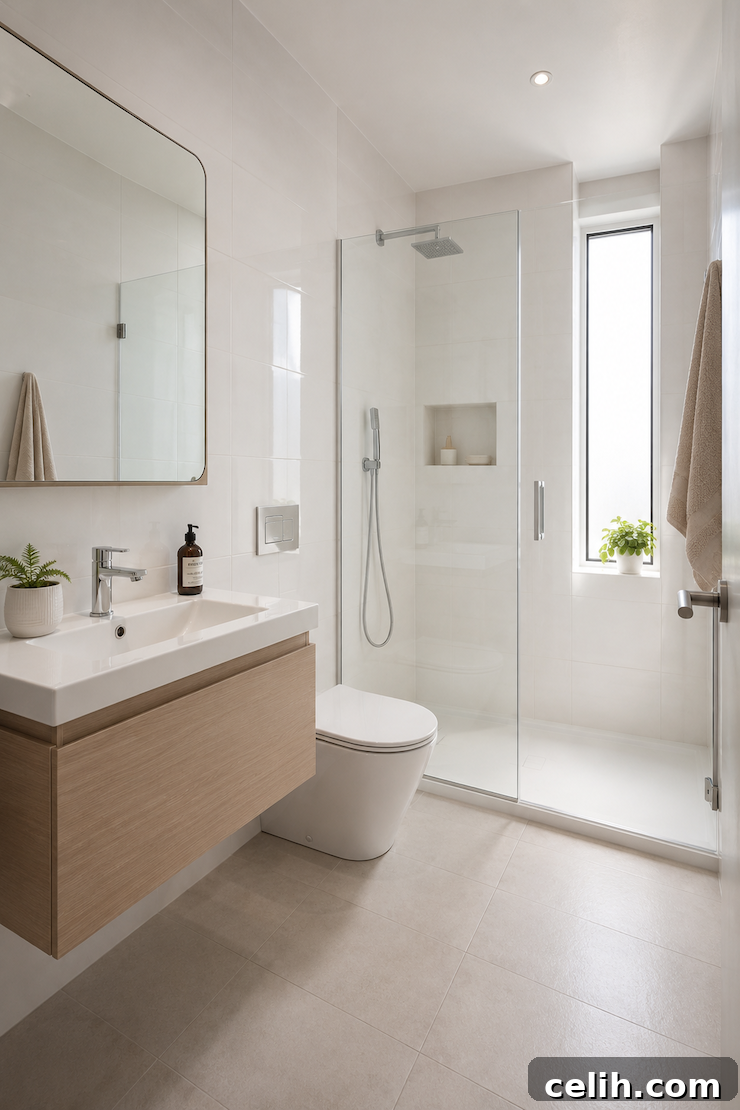
Waterfall shower heads create a luxurious experience but are not ideal for every bathroom. Consider the space, household needs and existing plumbing before deciding.
Large waterfall heads suit spacious walk-in showers and master bathrooms where the visual impact and wide coverage are assets. In smaller en suites, a compact model keeps proportions balanced and reduces splash outside the shower area.
Homes with low water pressure should verify compatibility, as larger heads typically perform better with higher flow rates. For accessibility and flexibility, a dual system with a handheld attachment is often the best option.
Pros of Waterfall Shower Heads
Waterfall shower heads are prized for their elegant appearance and relaxing flow, but they do have trade-offs. Knowing the advantages and limitations helps you choose a product that matches your home, budget and plumbing.
A luxurious showering experience
The wide, enveloping flow feels calming and spa-like rather than forceful, enhancing comfort during long showers.
Stylish contemporary appearance
Large waterfall heads create a striking, modern look that complements minimalist and upscale bathroom styles.
Excellent body coverage
Wider heads spread water evenly across the body, reducing cold spots and improving the showering experience.
Ideal for walk-in showers
The vertical fall of water is well suited to open, spacious shower enclosures.
Can increase home appeal
A well-chosen luxury shower can make a bathroom feel more premium and appealing to buyers.
Cons of Waterfall Shower Heads
Water pressure matters
Waterfall heads need adequate pressure for an even flow. Gravity-fed systems may struggle without a pump or a smaller head.
More expensive than standard shower heads
While basic heads can be cheap, premium waterfall systems often cost significantly more and may require professional installation.
Installation can be more complex
Ceiling-mounted units may involve additional plumbing work and are best fitted during a renovation.
Less practical for some users
The gentle flow can take longer to rinse thick or long hair, which is why many people opt for a handheld upgrade.
Cleaning requires attention
Large heads include many nozzles that should be cleaned regularly to prevent limescale, especially in hard water areas.
Consider Your Water Pressure First
Understand your home’s water pressure before you fall for a design. Generally, high-pressure systems, combi boilers and unvented cylinders work well with most waterfall heads. Gravity-fed systems may need a pump or smaller head. Choosing an oversized head for a low-pressure system often leads to disappointment.
Choosing the Right Size
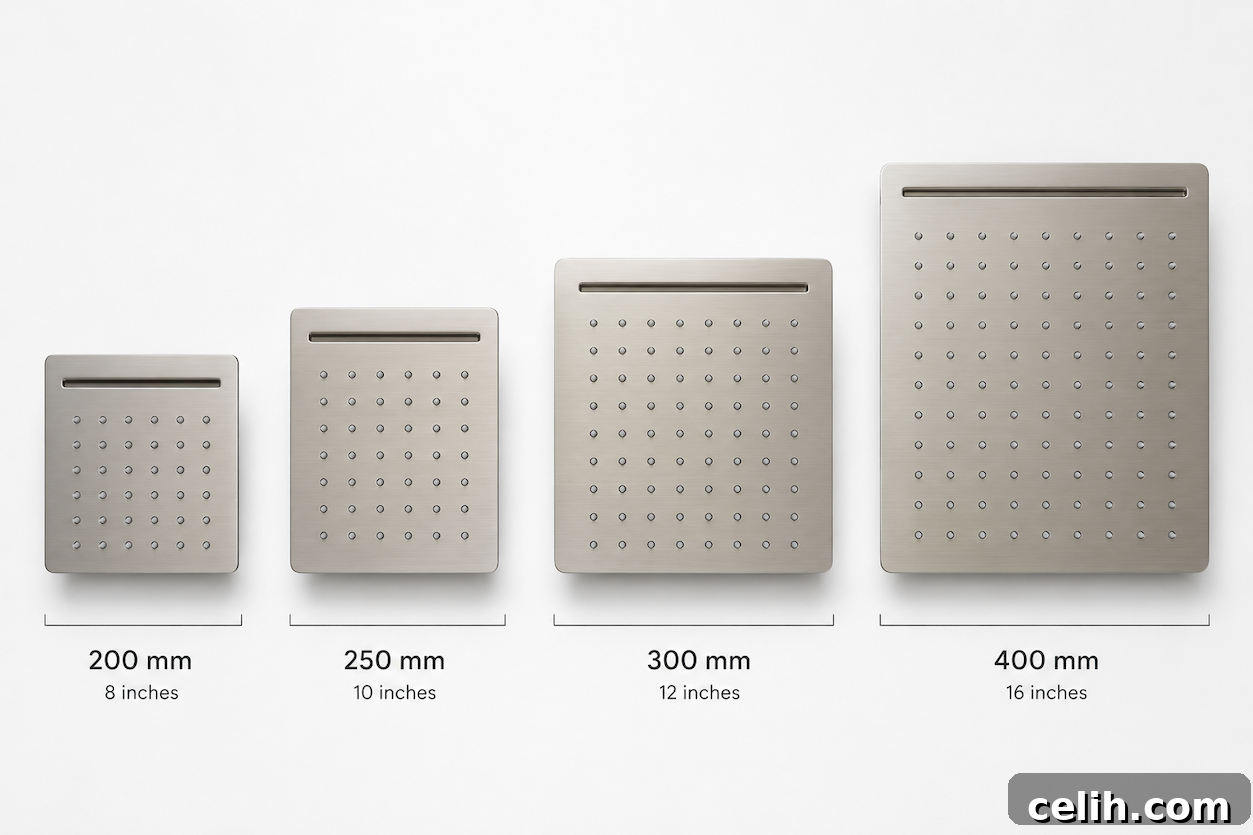
Size affects appearance and performance. Bigger is not always better: select a head proportionate to the shower enclosure and compatible with your plumbing to ensure balanced looks and effective coverage.
200 mm (8 inches)
Best for small bathrooms, en suites and tighter budgets—gives the waterfall feel without overwhelming the space.
250 mm (10 inches)
A versatile choice for family bathrooms and medium enclosures; suits many homes.
300 mm (12 inches)
Offers generous coverage for walk-in showers and larger bathrooms with strong plumbing.
400 mm and above
Creates a dramatic spa effect but requires excellent water flow and ample shower space.
Ceiling or Wall Mounted?
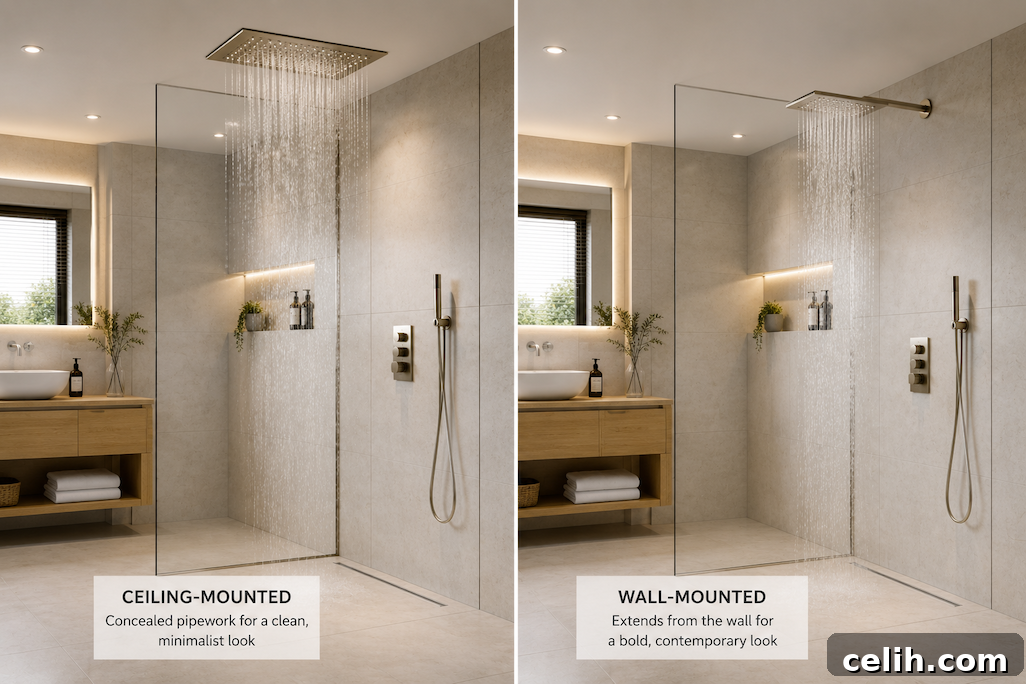
Ceiling-mounted heads deliver the most authentic waterfall effect, with water falling straight down and concealed pipework for a minimalist look. They are ideal for new builds or full renovations. Wall-mounted heads use a horizontal arm and often work with existing plumbing, making them easier and cheaper to install for upgrades.
Ceiling mounted
Pros
- Most natural waterfall or rainfall effect
- Sleek look with concealed pipework
- Great for wet rooms and contemporary bathrooms
- Even coverage
Cons
- Usually needs extensive plumbing work
- Best fitted during renovations
- Higher installation costs
- Maintenance access can be more complex
Wall mounted
Pros
- Easier and more affordable to fit
- Often compatible with existing plumbing
- Wide range of styles and sizes
Cons
- Water falls at an angle rather than perfectly vertical
- Less seamless spa appearance than ceiling-mounted models
- Shower arm is visible, which may not suit ultra-minimalist designs
Materials Matter
Material affects durability, corrosion resistance and feel. Higher-quality materials often last longer and resist limescale and corrosion better than cheaper alternatives.
Look for:
Stainless steel
- Rust resistant
- Long-lasting
- Premium appearance
Brass
- Extremely durable
- Excellent corrosion resistance
- Common in high-end products
ABS plastic
- Budget-friendly
- Lightweight
- Easier to install
- Less durable than metal
Metal heads generally feel more substantial and tend to last longer.
Which Finish Should You Choose?
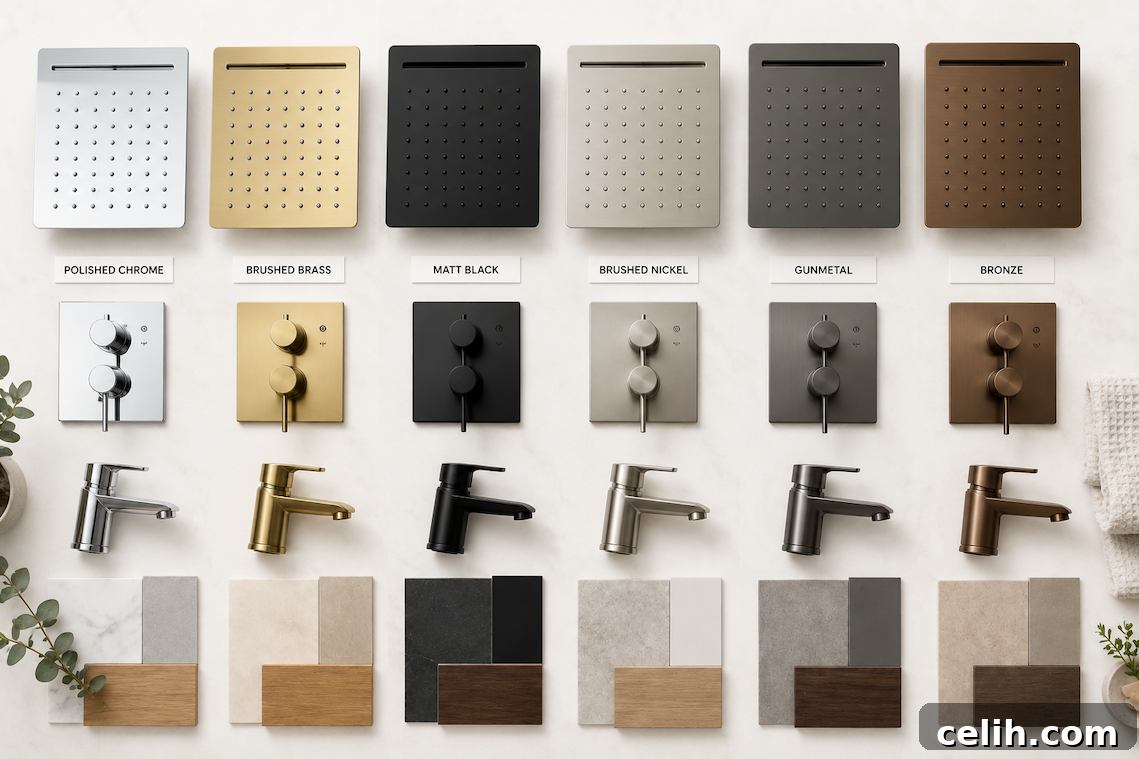
Finish defines style as much as colour. Choose a finish that complements taps, controls and accessories for a cohesive look. Popular options include chrome, brushed brass, brushed nickel, matte black, gunmetal, white and bronze. Select a finish that will age well with your bathroom design.
Features Worth Looking For
Modern waterfall heads offer features that improve comfort, performance and maintenance. Consider which extras will add real value to your routine rather than selecting every available option.
Anti-limescale nozzles
Silicone nozzles let you wipe away mineral deposits easily, reducing maintenance time.
Adjustable swivel joint
Allows you to tweak the angle after installation for better positioning.
Water-saving technology
Some models maintain good coverage while reducing flow, lowering water and energy use without sacrificing comfort.
Handheld shower attachment
A very practical upgrade for washing hair, cleaning the shower, bathing children or pets, and improving accessibility.
Multiple spray functions
Some systems combine rainfall, waterfall cascade, massage and mist settings for greater user flexibility.
Choosing the Right Style
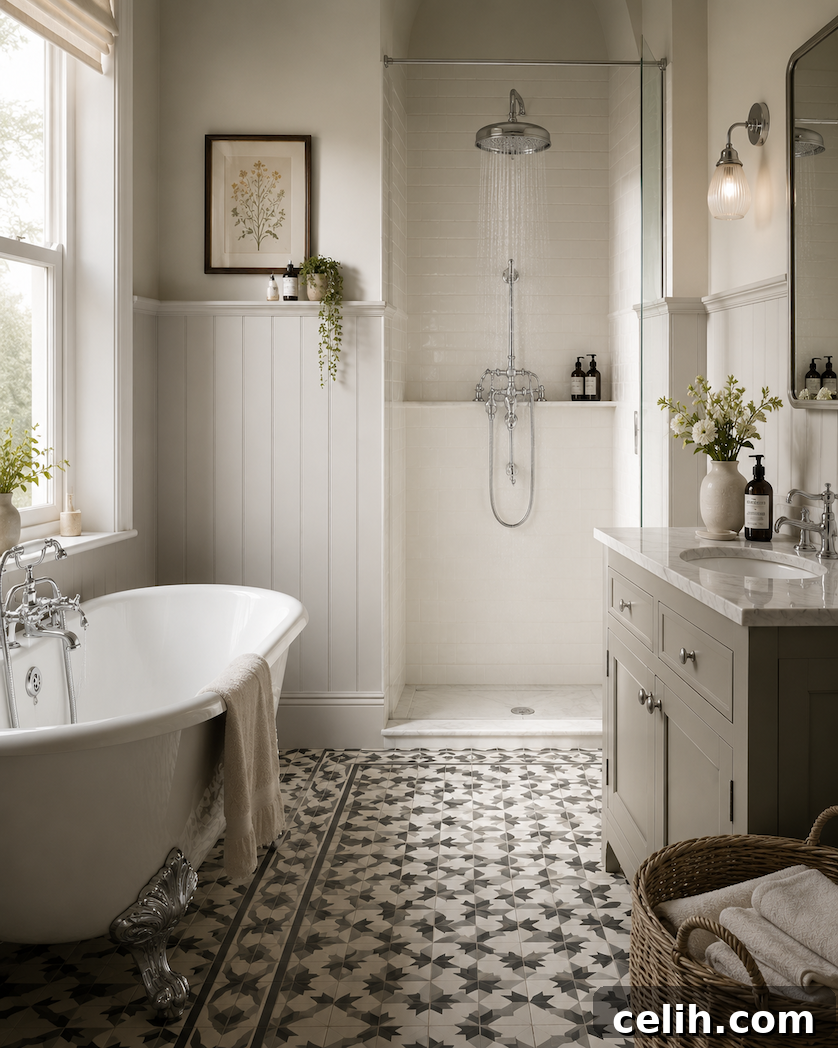
Waterfall heads come in many styles to suit contemporary, traditional or spa-inspired bathrooms. Match the head to your sanitaryware, tiles and fittings for a coordinated, timeless look rather than following short-term trends.
Contemporary bathrooms
Consider ultra-thin square heads, matte black finishes, concealed valves and minimalist controls.
Traditional bathrooms
Choose round heads, chrome or brushed nickel finishes and softer detailing to match period-style fittings.
Spa-inspired bathrooms
Opt for ceiling-mounted installation, large 300–400 mm heads, optional integrated lighting and a dual shower system for indulgence.
Installation Considerations
Think about installation before buying. Some wall-mounted models can replace existing heads easily, while ceiling or concealed systems may require new pipework. If you’re renovating, concealed installations deliver a clean result; if you’re upgrading only the head, a wall-mounted option that uses current plumbing is often more cost-effective. Unless you have plumbing experience, professional installation is recommended to avoid leaks and ensure safe operation.
How Much Should You Spend?
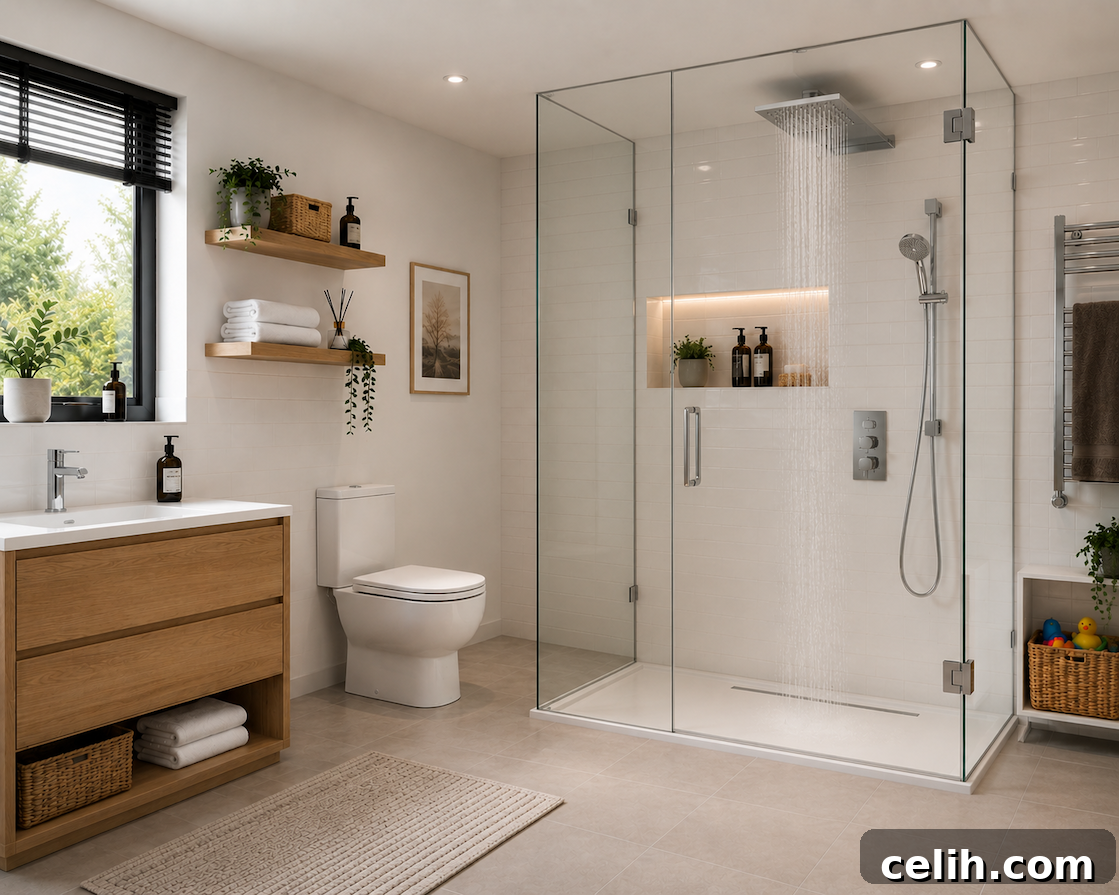
Waterfall shower heads range from budget replacements to premium designer systems. Set a realistic budget to find the best balance of quality, features and value. Cheaper options can work for short-term fixes, but investing in a well-made product from a reputable maker typically gives better performance, durability and warranties.
Budget (£30–£100)
Basic fixed heads in smaller sizes and simple finishes—good for replacing an existing unit.
Mid-range (£100–£350)
Better materials, larger heads, improved finishes and stronger warranties—often the best value for many homeowners.
Premium (£350–£1,000+)
High-end systems with concealed valves, brass construction, ceiling installation and designer finishes—aimed at luxury renovations. Remember to budget for installation, which can add significantly to total cost.
Water Efficiency
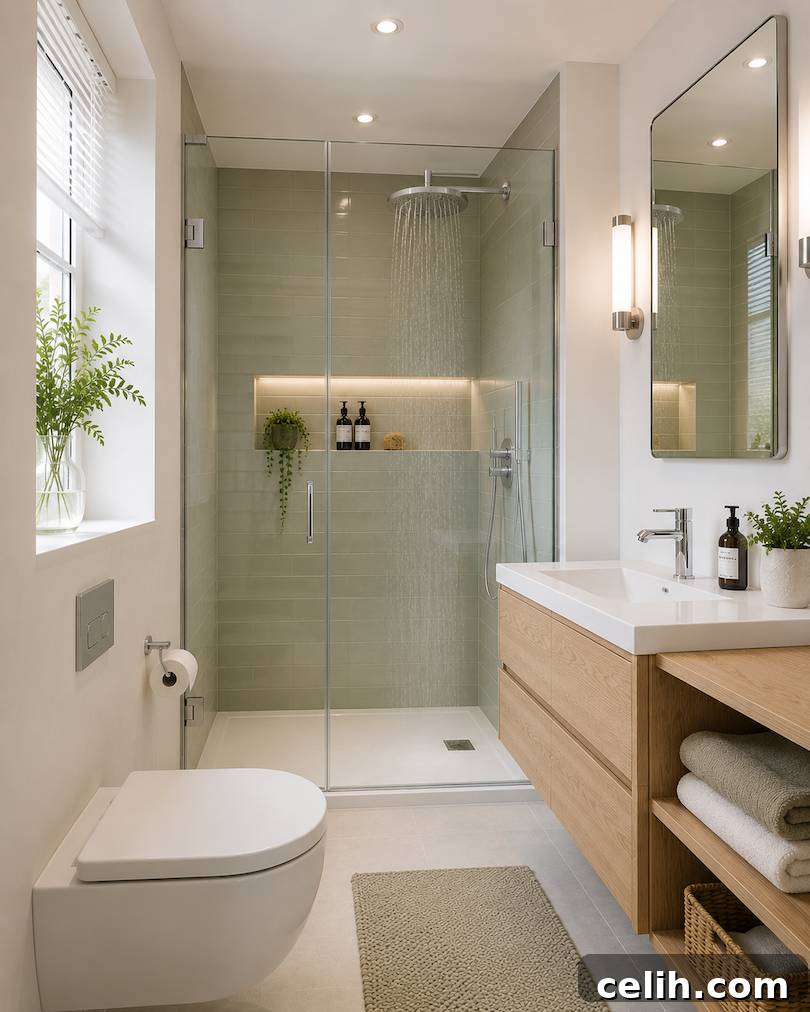
Many modern waterfall heads include flow restrictors or eco settings that reduce water use while preserving coverage and comfort. If sustainability matters, look for independently tested or low-flow compatible models to lower water and energy bills without sacrificing the shower experience.
Recommended Brands and Where to Buy
Choosing a reputable manufacturer often yields better build quality, longer warranties and easier access to spare parts. Well-known brands offer a range of styles and price points to suit different budgets and bathroom designs. Compare options from specialists, mainstream DIY retailers and showrooms to view finishes in person and confirm compatibility with your plumbing. When buying online, check warranties and customer reviews to ensure reliable after-sales support.
Should You Buy a Complete Shower System?
Replacing the entire shower system can offer better value and performance than swapping only the head. Complete systems typically include a waterfall head, handheld shower, hose, slide rail, diverter valve and thermostatic controls, all designed to work together for consistent performance and a coordinated appearance.
Is a Waterfall Shower Head Worth It?
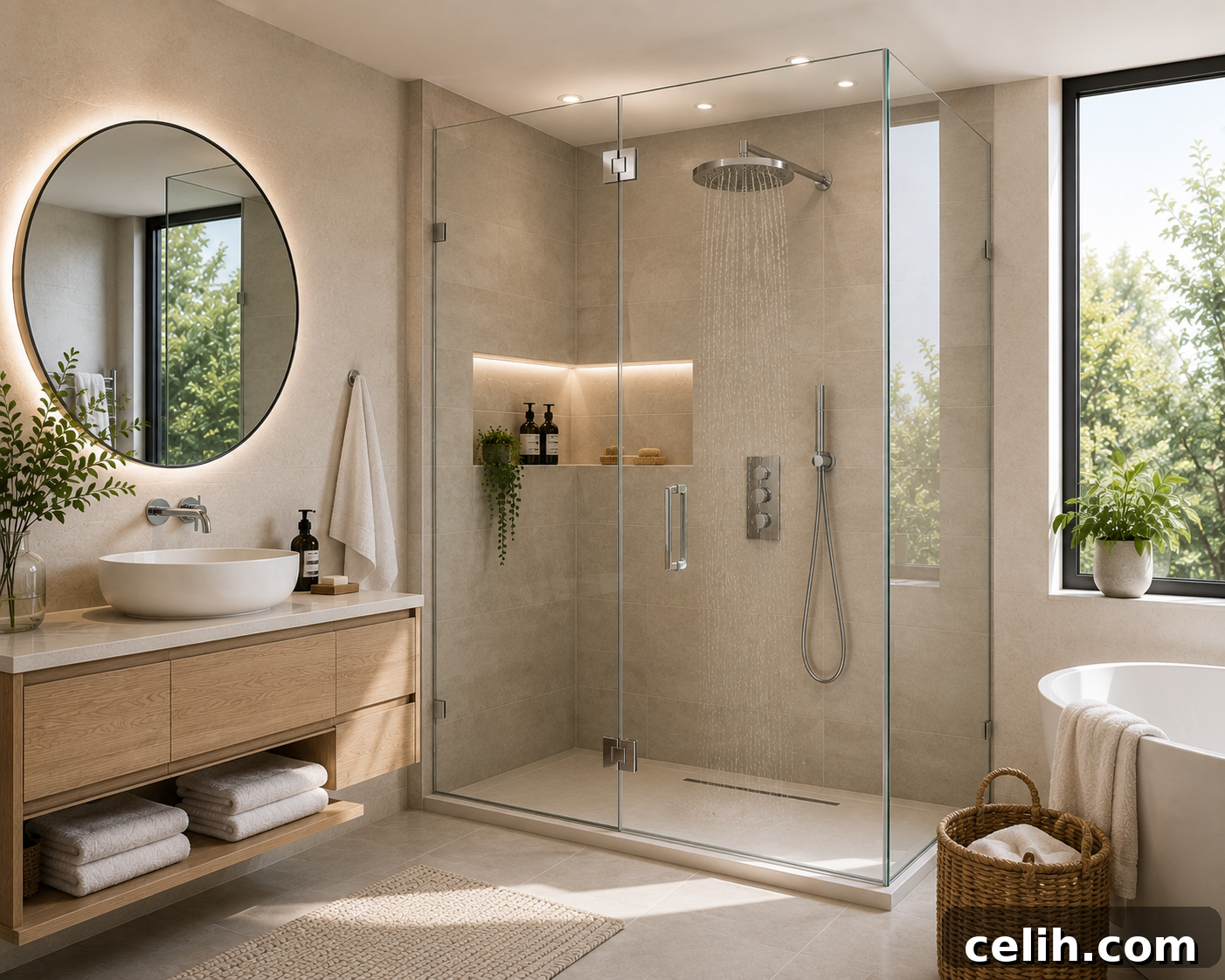
For many homeowners, yes. If you value long, relaxing showers and a hotel-style bathroom, a waterfall head can significantly enhance comfort and aesthetics. However, low water pressure, tight budgets or very small enclosures may make a standard head or dual system more practical. Check your water pressure, choose a suitable size and invest in a quality model from a trusted manufacturer to enjoy reliable performance and lasting style.