
If you thought a rug was just a floor covering, think again. This guide explains how the right rug can transform a room—adding warmth, texture, colour and comfort while protecting floors and defining living spaces.
A carefully chosen rug can update a space without a full redecorate. Rugs soften hard floors, introduce pattern and colour, and make rooms feel more welcoming and balanced.
Whether you need a practical hallway runner, a statement living-room piece or a cosy bedroom layer, understanding rug types, materials and sizing helps you make a confident choice.
Why Use a Rug?
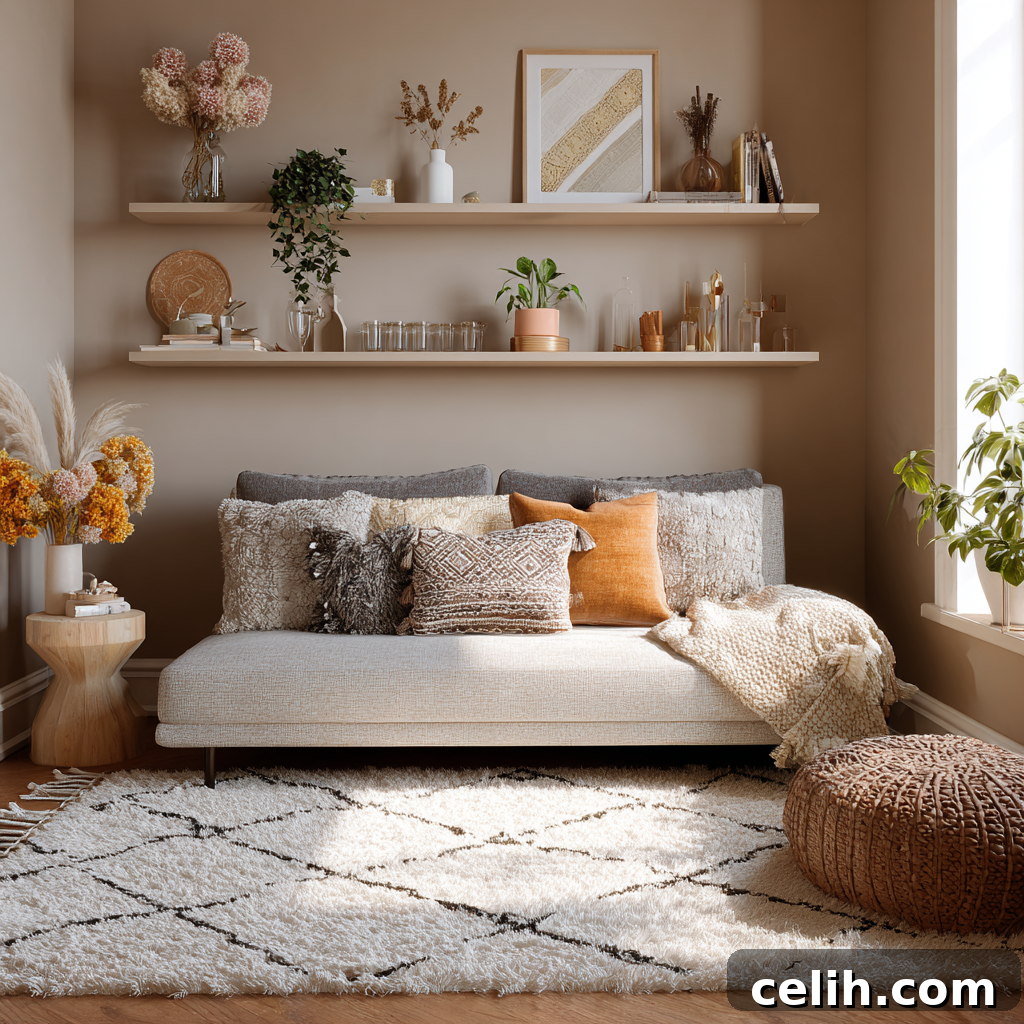
Rugs are one of the most effective and affordable ways to refresh a room. They can soften hard flooring, bring in texture and colour, and make a space feel more inviting without the expense of replacing flooring or repainting walls.
Key benefits include:
- Protection for wooden, laminate and tiled floors against scratches, scuffs and furniture marks.
- Reduced wear in high-traffic zones like hallways and entrances.
- Improved acoustics by absorbing sound and reducing echo.
- Added warmth and insulation underfoot, especially on hard surfaces.
- Enhanced safety with a non-slip underlay to reduce slipping.
- Clear visual zoning in open-plan layouts, such as delineating dining and seating areas.
- Opportunity to introduce colour, pattern and texture without permanent changes.
Rugs vs Mats: What’s the Difference?
Although people often use the terms interchangeably, mats and rugs serve different primary functions.
Mats are typically smaller, tougher and designed for practical use—trapping dirt, providing grip or protecting a specific spot. Common examples include doormats, boot mats, kitchen and bath mats, and utility room mats.
Rugs are usually larger and chosen for both appearance and function. While they protect floors and add comfort, rugs are often selected as decorative elements that complete an interior design.
Different Types of Rugs
There are many styles of rug, but most fall into a few practical categories.
Area Rugs
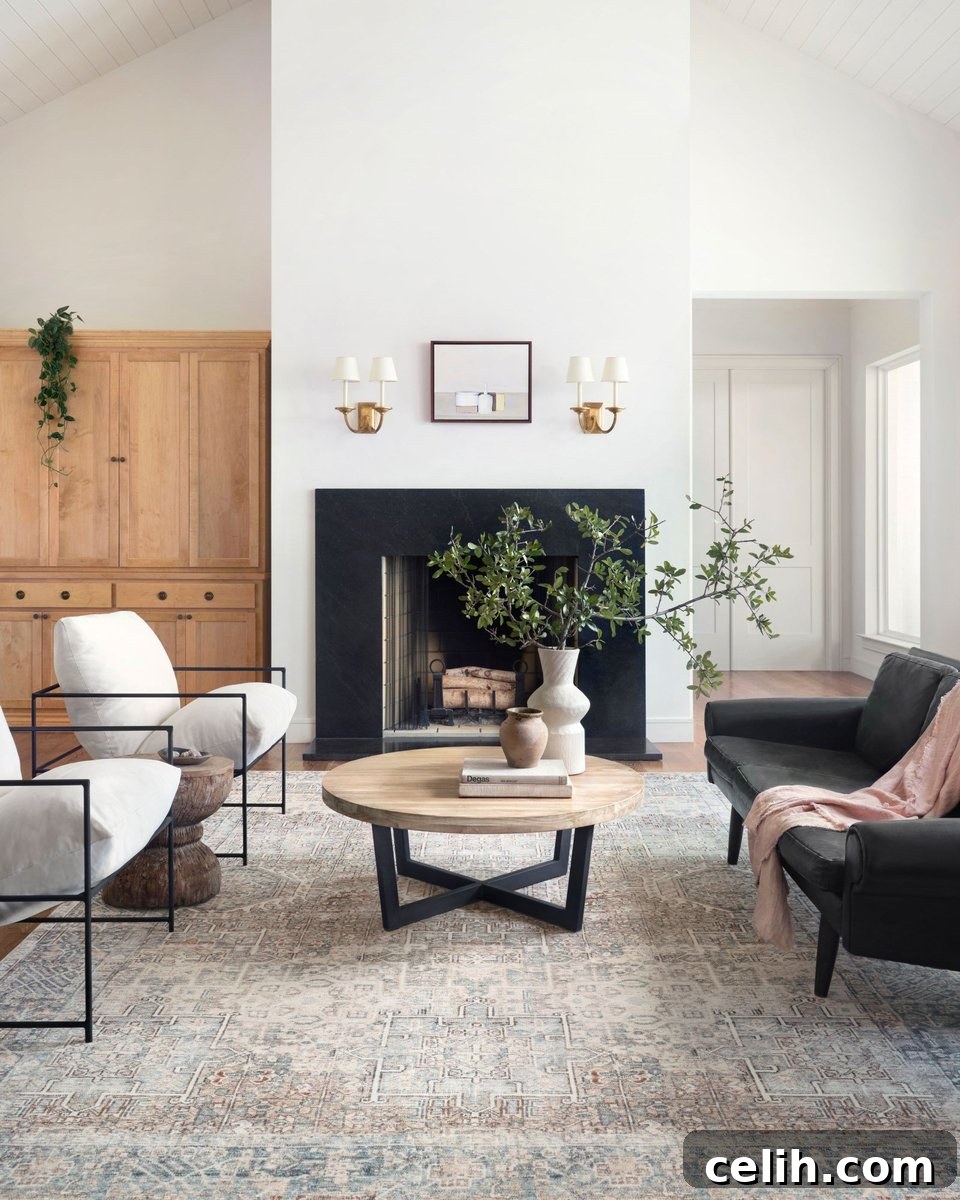
Area rugs are the most common choice in contemporary homes. They cover only part of the floor, letting attractive flooring show around the perimeter. Available in many sizes, shapes and materials, area rugs work well in living rooms, dining rooms, bedrooms, home offices and conservatories.
A large area rug can anchor furniture and create a cohesive look—ideally the front legs of sofas and chairs should rest on the rug to form a balanced layout.
Runner Rugs
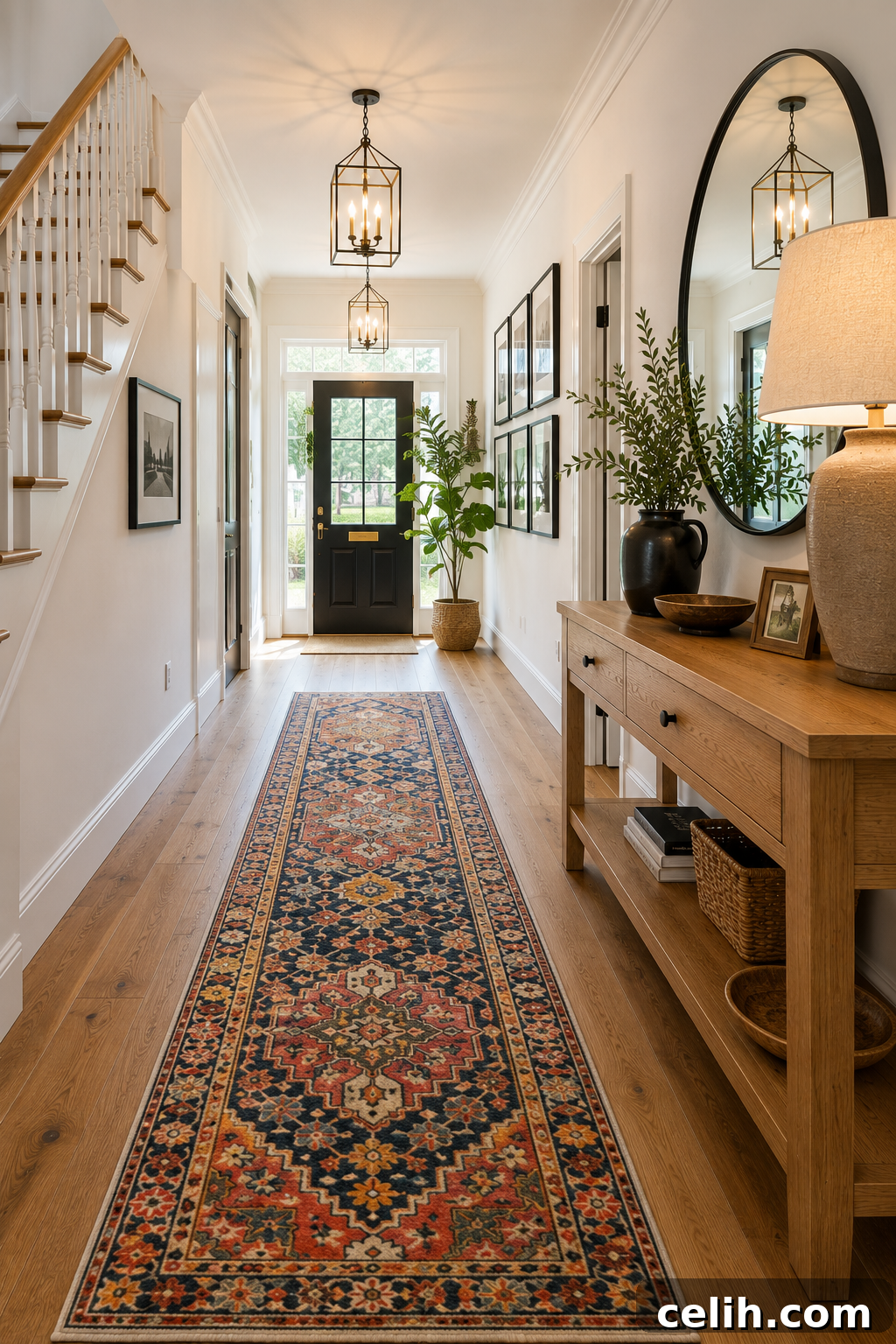
Runners are long, narrow rugs made for hallways, corridors, kitchens and other transitional spaces. Because hallways receive frequent foot traffic, runners protect floors while making these areas feel warmer and more welcoming. For heavy-use corridors choose durable fibres and easy-to-clean finishes.
Stair Runners
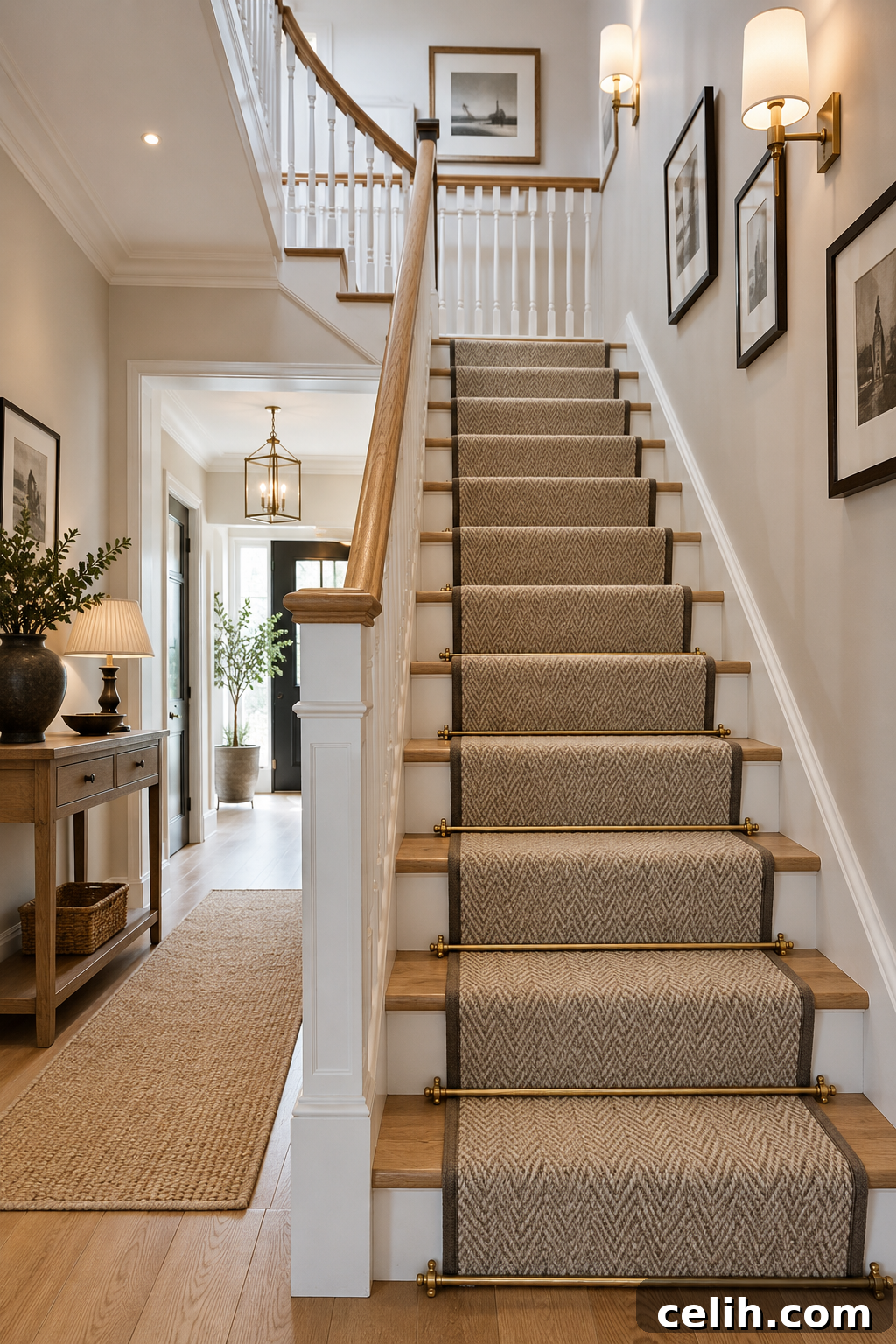
Stair runners are tailored to fit staircases. Beyond the classic look they offer practical advantages: improved grip on wooden stairs, reduced noise, cushioned footsteps and protection for timber treads. Professional fitting is recommended to ensure a secure installation.
Round Rugs
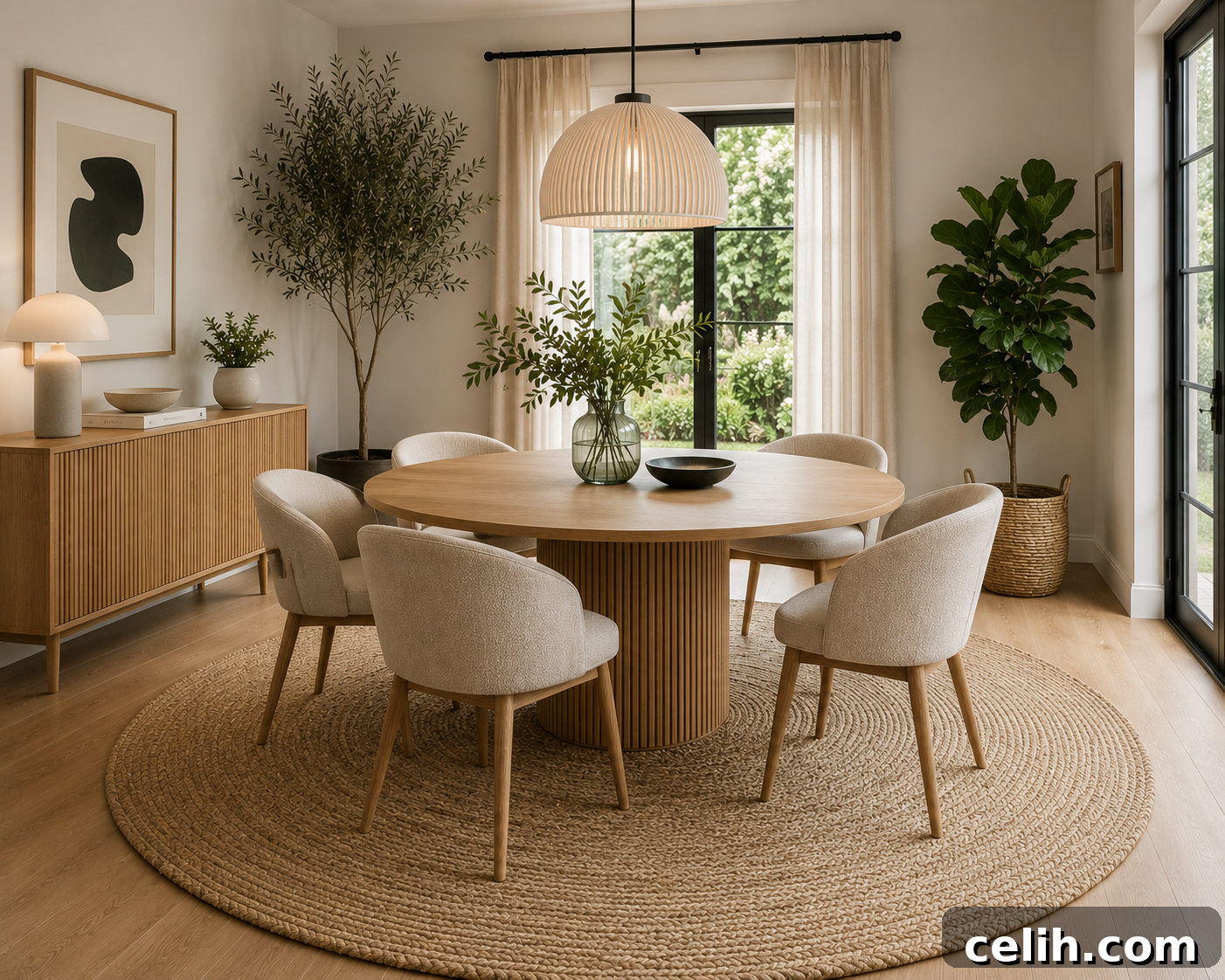
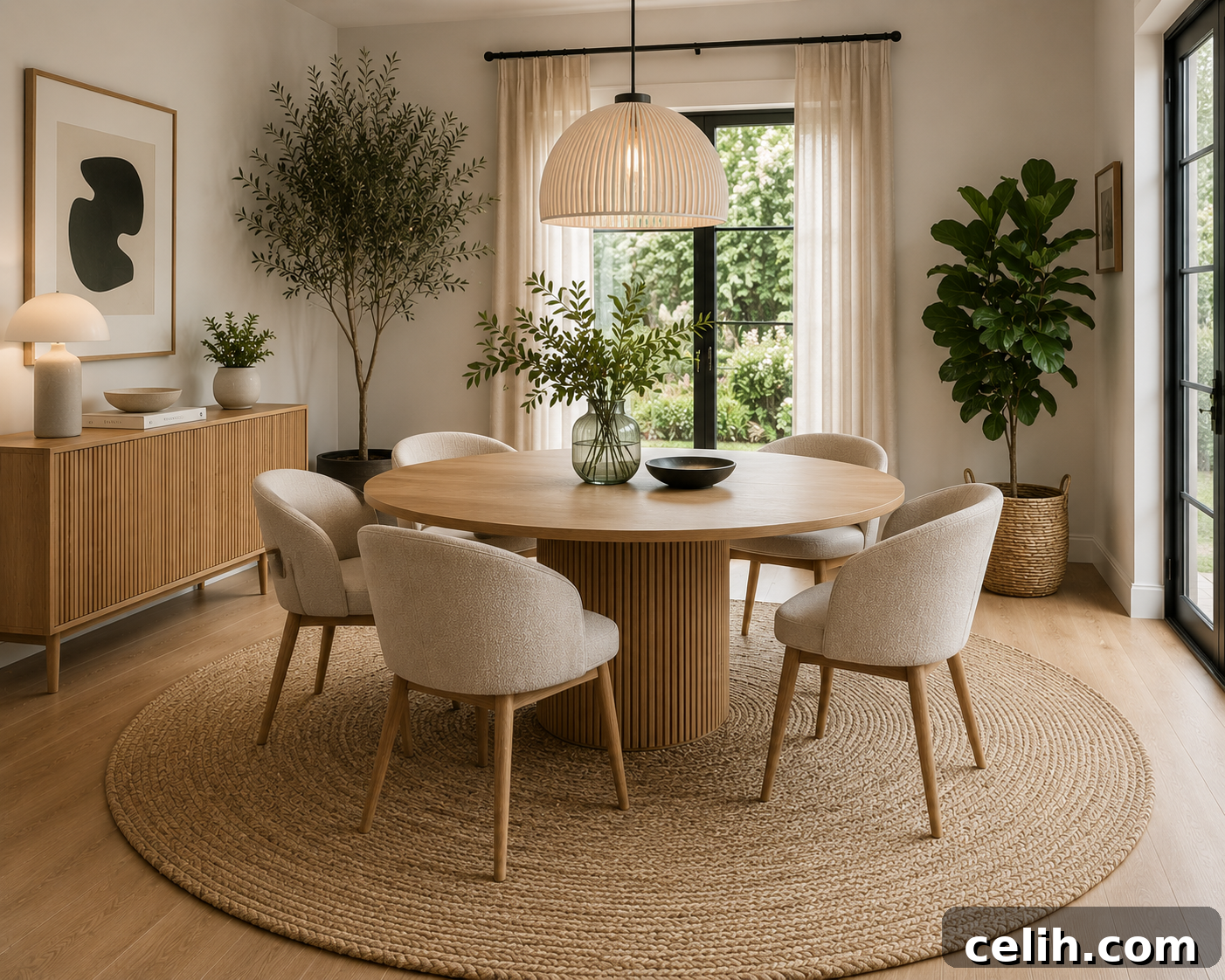
Round rugs break up straight lines and create focal points. They work especially well under round dining tables, coffee tables, reading corners, pendant lights and children’s play areas, softening the room’s geometry.
Outdoor Rugs
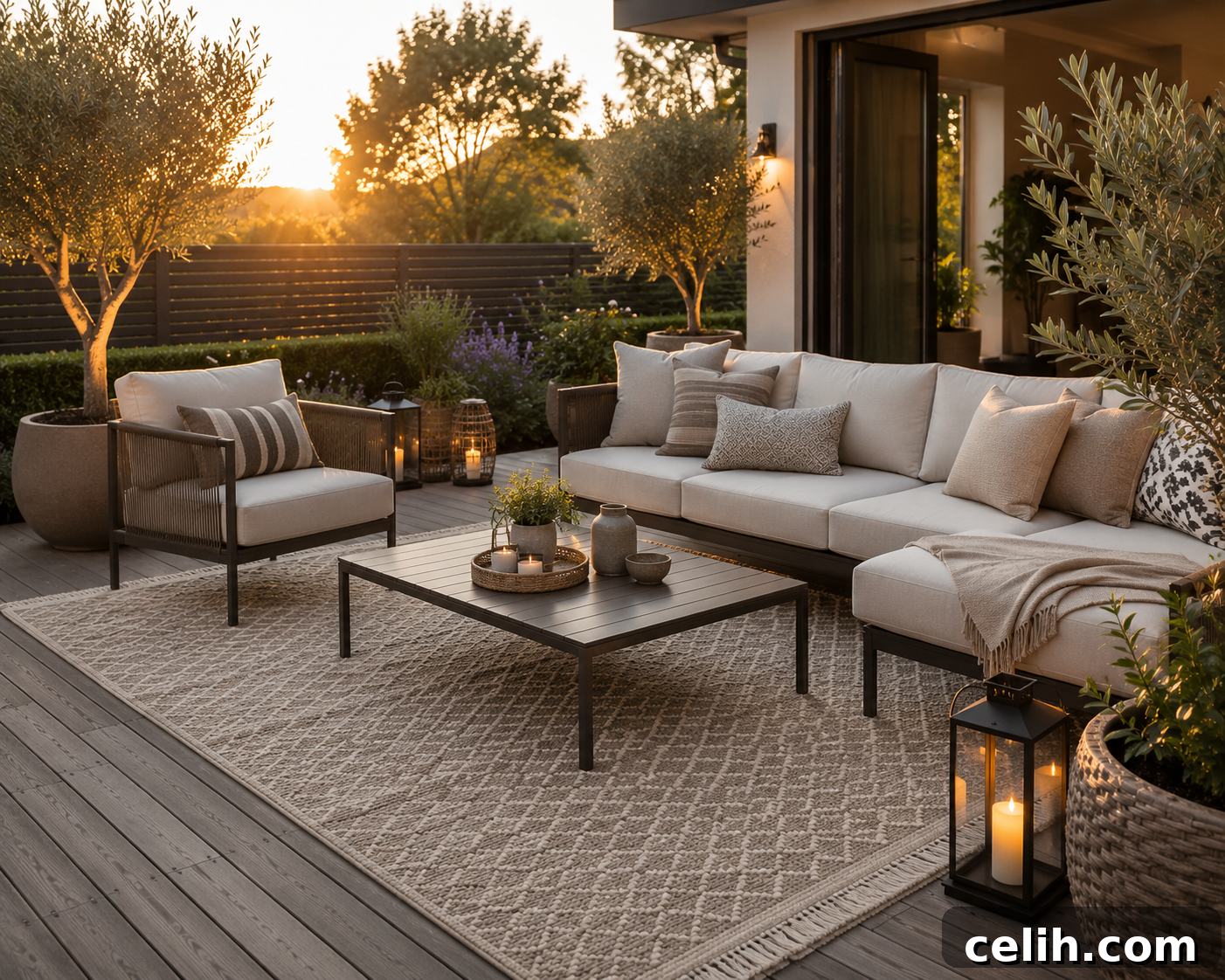
Outdoor rugs, made from weather-resistant synthetic fibres, are built for patios, decks, balconies and garden rooms. Many are also suitable for busy indoor areas because they are highly durable and easy to clean.
Choosing the Right Rug Material
Material determines feel, durability and care requirements.
Wool is soft, warm and long-lasting—ideal for living rooms and bedrooms.
Cotton rugs are lightweight, budget-friendly and often machine-washable.
Jute and sisal offer a natural, textured look that suits contemporary, coastal and Scandinavian interiors.
Synthetic fibres like polypropylene are stain-resistant and hardwearing—great for homes with children or pets.
Faux sheepskin introduces luxurious texture and works well layered over larger, natural-fibre rugs.
Choosing the Right Rug Size
A rug that’s too small undermines a room’s design. As a general guide:
- Living room: Select a rug large enough for at least the front legs of seating to sit on.
- Dining room: The rug should extend roughly 60–70cm beyond the table edge so chairs remain on the rug when pulled out.
- Bedroom: A rug covering the lower two-thirds of the bed creates a luxurious, hotel-like feel.
- Hallway: Leave a border of visible flooring around a runner for a neat finish.
When unsure, choose a larger rug rather than a smaller one to maintain proportion and coherence.
Layering Rugs
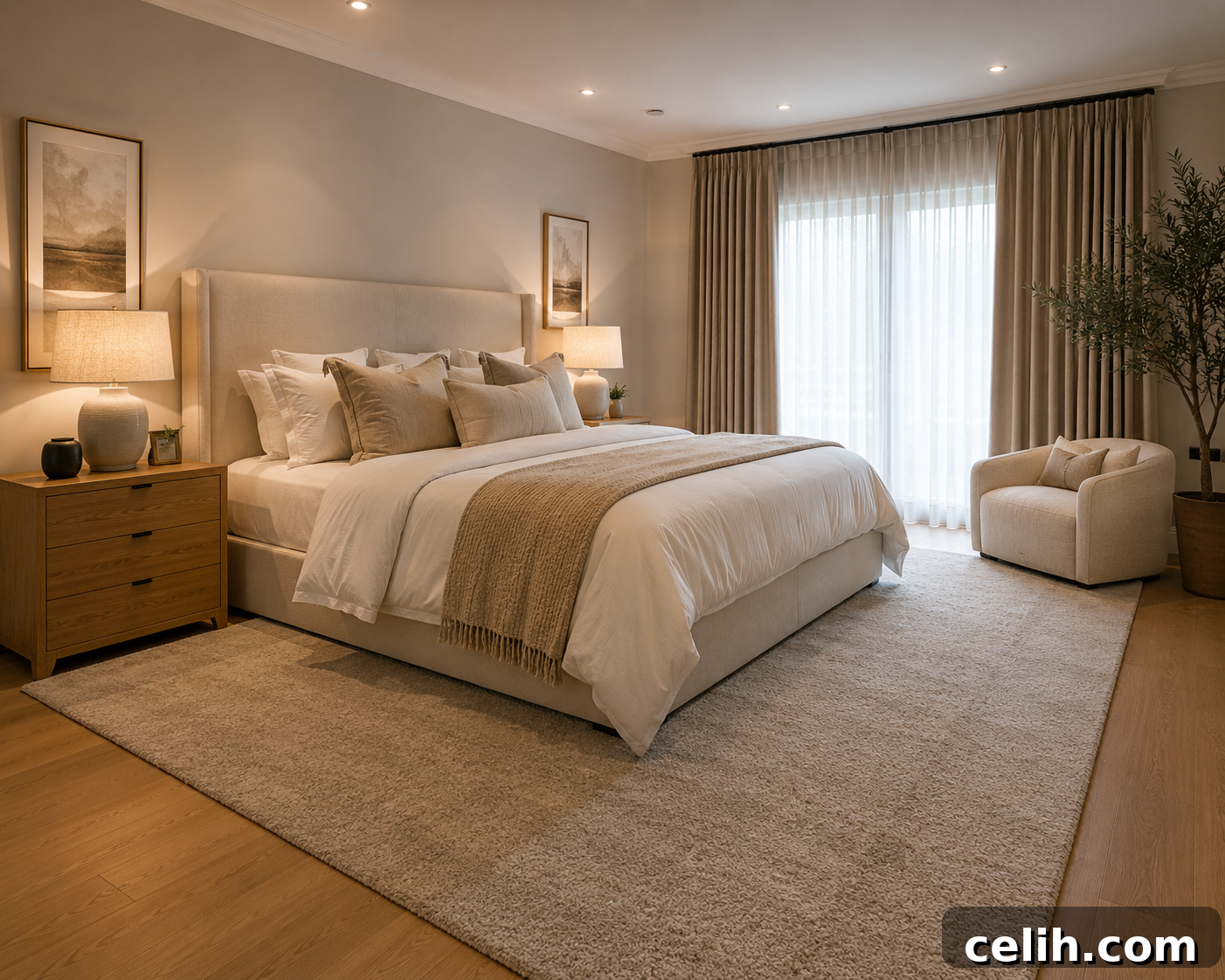
Layering rugs is an on-trend way to add depth and texture. Popular combinations include a faux sheepskin on a woven jute rug, a patterned vintage rug over a large neutral base, or a colourful runner across natural timber flooring. Layering lets you refresh a room without replacing a large rug.
Caring for Your Rug
Choose rugs suited to the room’s wear level. For busy areas, opt for washable or stain-resistant options.
To prolong a rug’s life:
- Vacuum regularly to remove dust and debris.
- Rotate every six months to ensure even wear.
- Blot spills immediately—avoid rubbing to prevent damage.
- Use a rug underlay to prevent slipping and reduce friction.
- Follow the manufacturer’s cleaning guidance; delicate or handmade pieces may need professional care.
Natural-fibre rugs can shed slightly when new, which usually settles with time and gentle care.
The Finishing Touch
A well-chosen rug does more than cover a floor: it softens a space, introduces personality and ties a room together. Whether you prefer Persian-inspired patterns, bold geometric prints, natural woven textures or luxurious wool designs, the right rug changes the atmosphere without major expense.
With a wide range of colours, materials and styles available, spending time to select the right rug is worthwhile. Once in place, a great rug often becomes the element that makes a room feel complete.
Top Product Picks
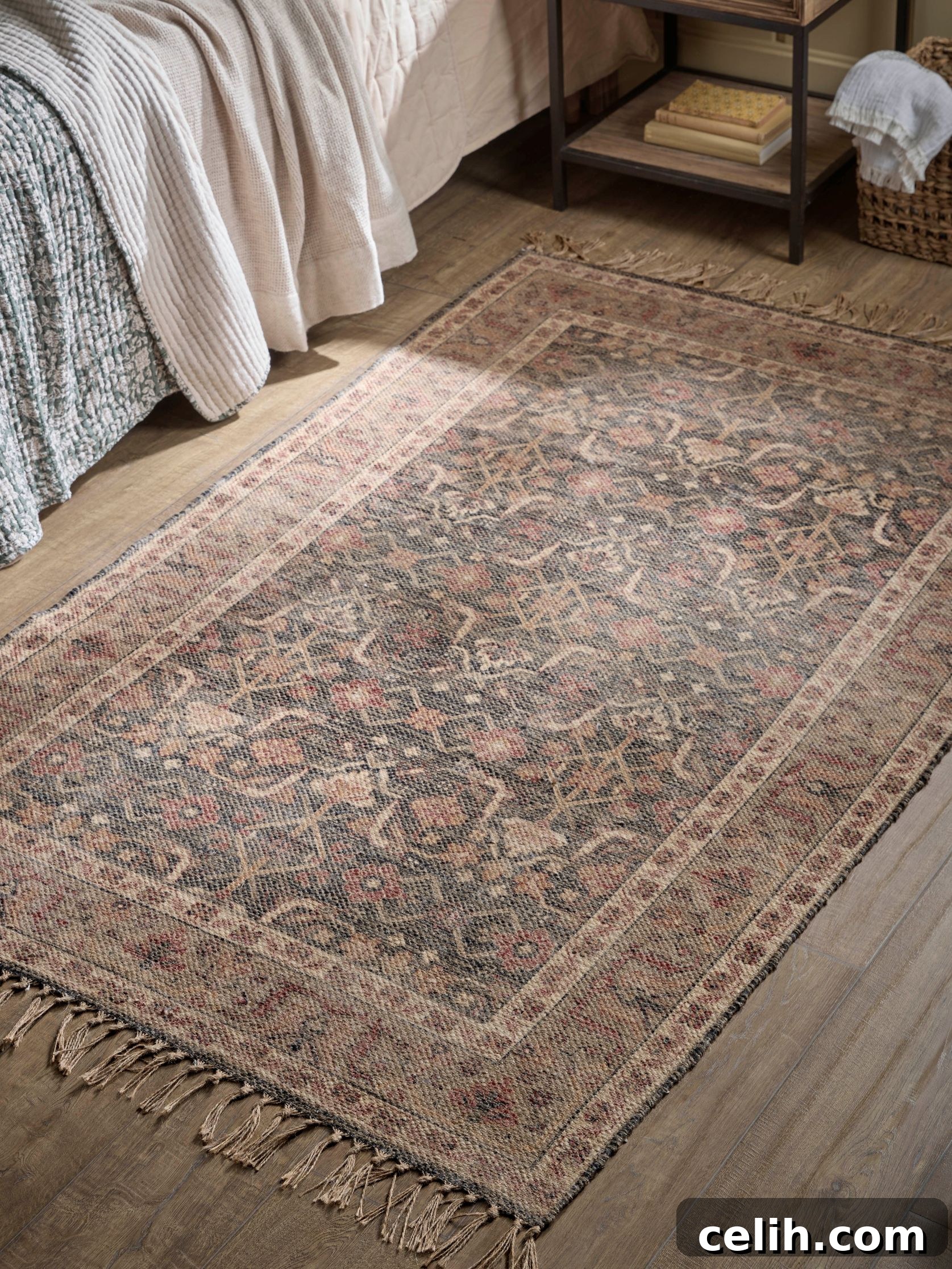
Popular options to consider include vintage-inspired rugs for a timeless look, handwoven wool rounds for texture, striped jute pieces for casual durability, colourful woven runners for hallways, and coir door mats for practical entryway protection. Choose styles that match your home’s palette and the room’s functional needs.
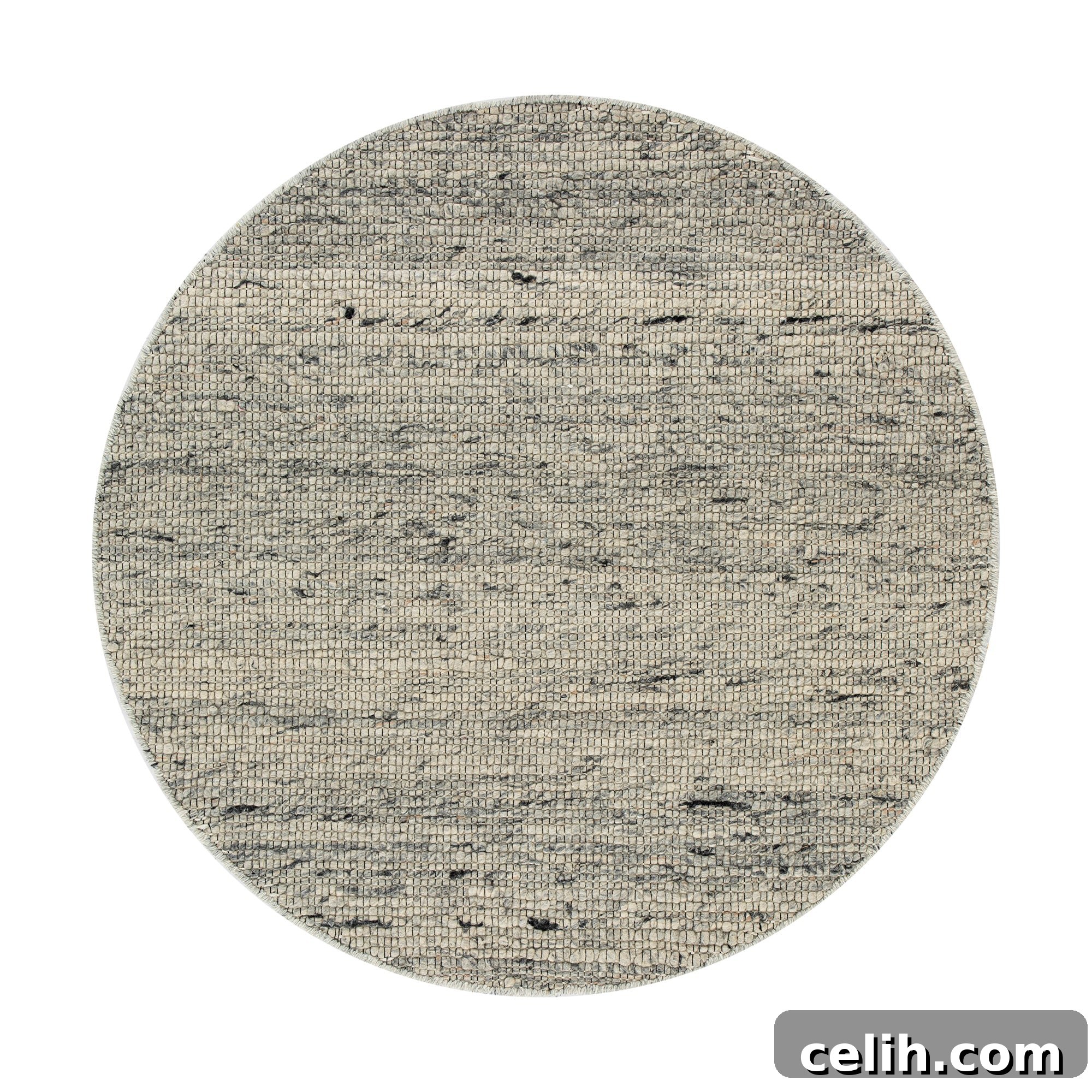
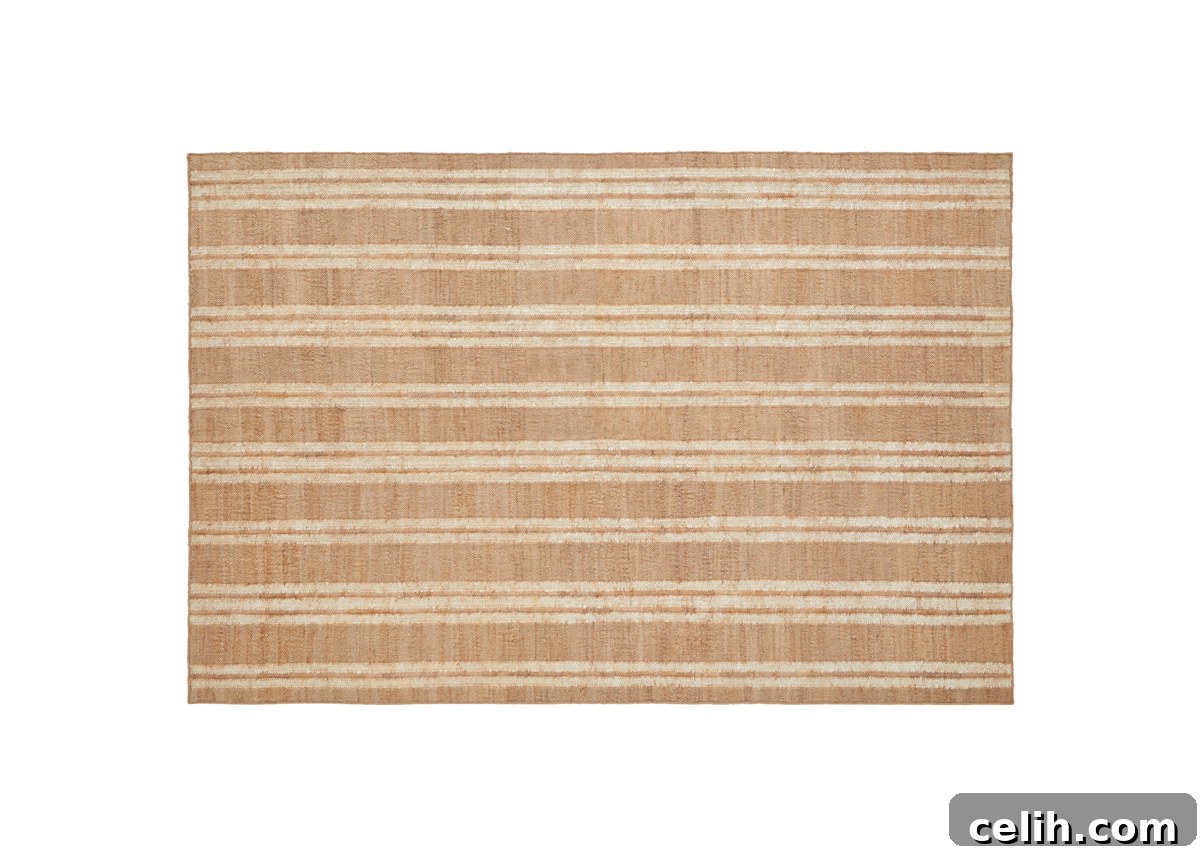
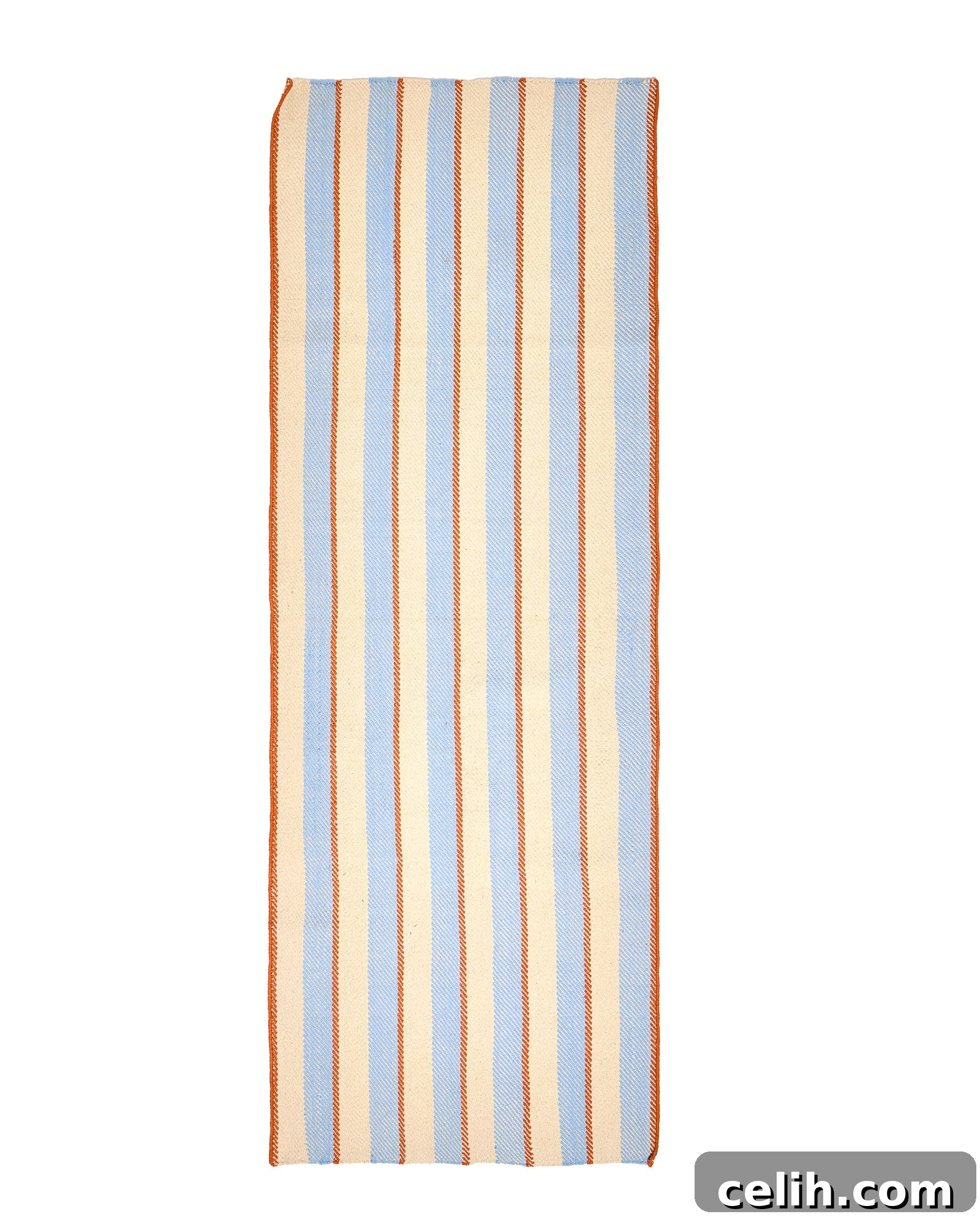
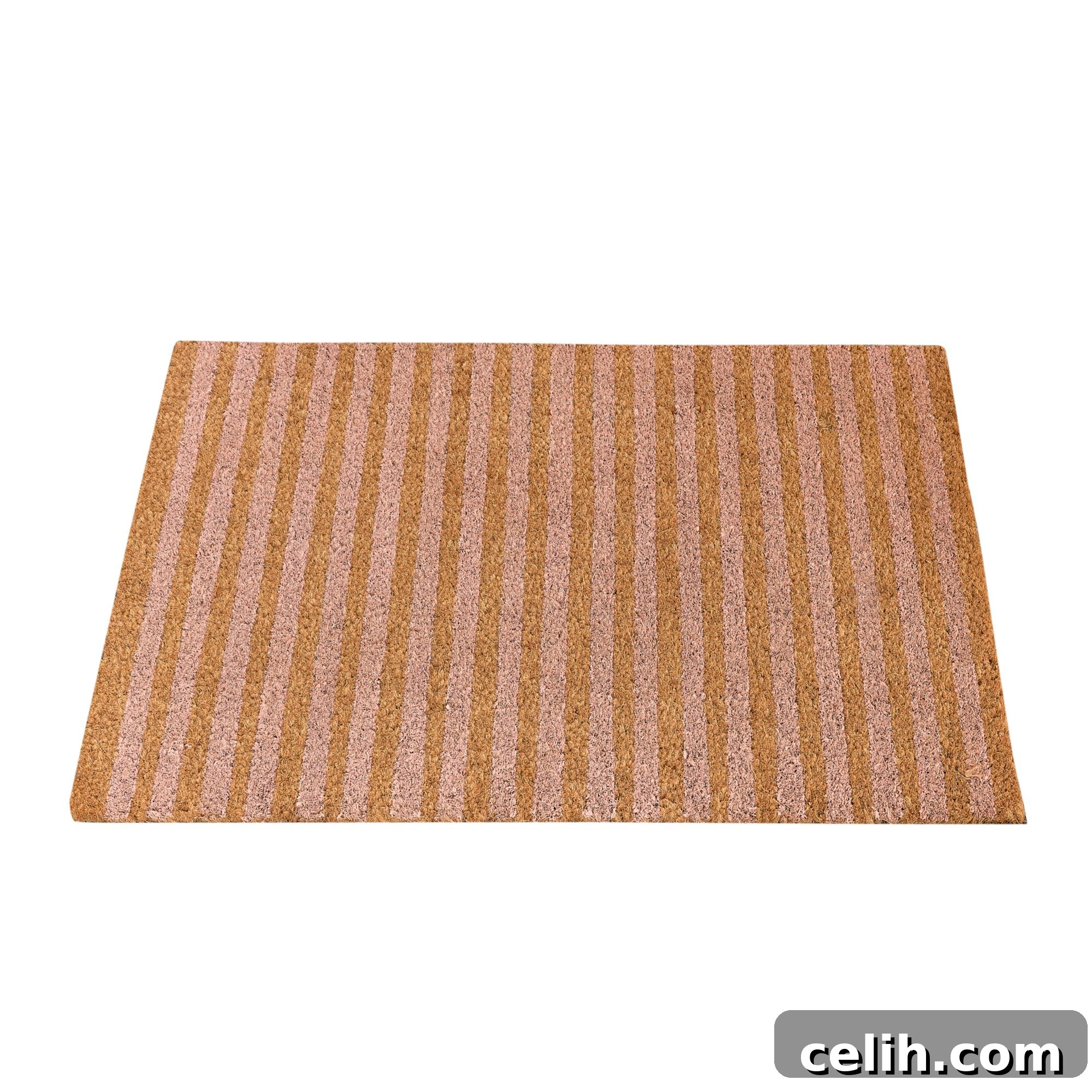
Think about durability, ease of cleaning and scale when evaluating rugs. A well-matched rug will enhance comfort, protect flooring and complete your room’s design for years to come.