
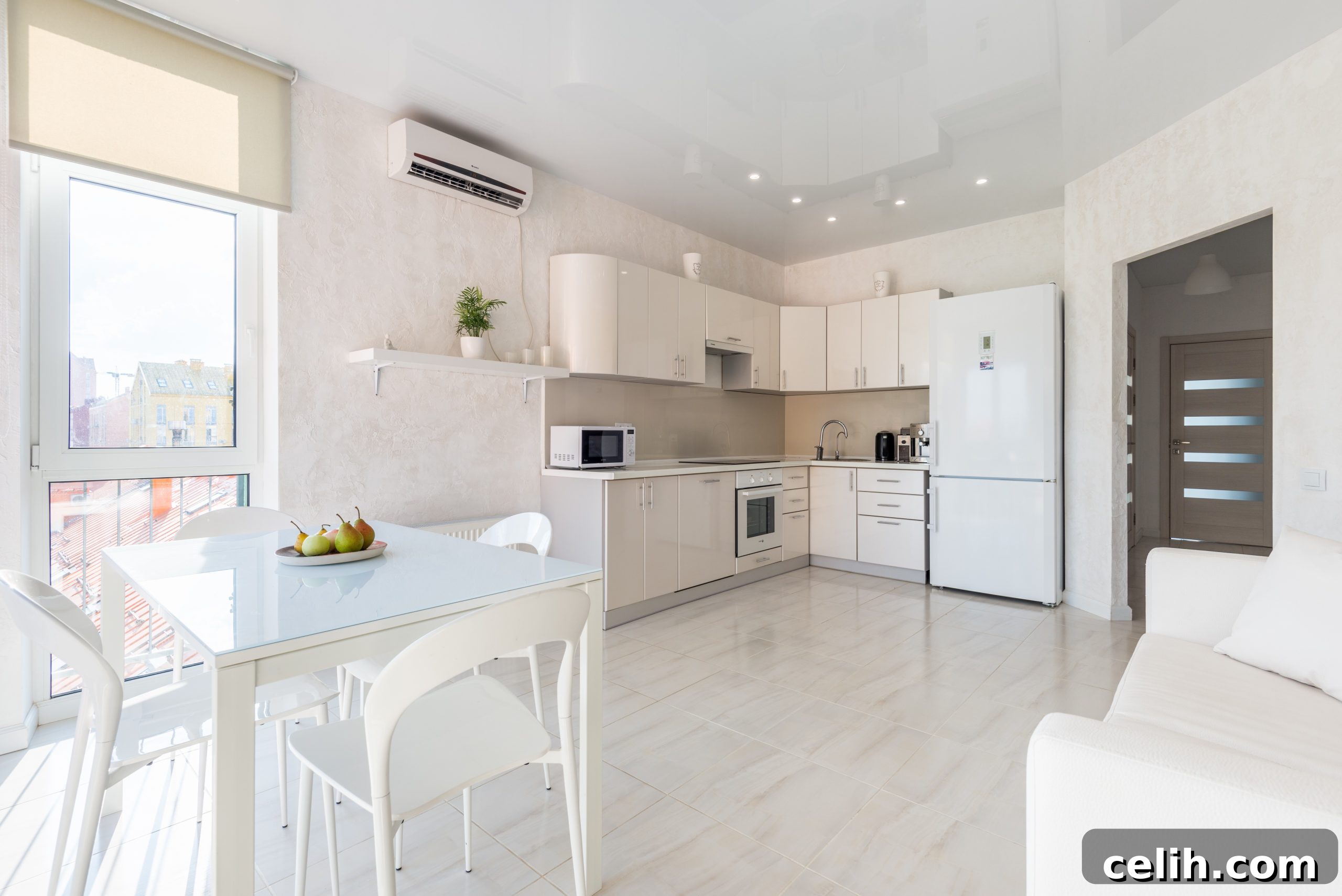
Your home’s heating, ventilation, and air conditioning (HVAC) system is the unsung hero of indoor comfort, silently working to maintain ideal temperatures and circulate air. At its heart lies a crucial component: the air filter. Often overlooked, this simple part plays an indispensable role in both the efficiency of your HVAC unit and the quality of the air you breathe. Neglecting this vital component can lead to a cascade of problems, from skyrocketing energy bills to compromised health. While replacing your air filter every few months might seem like a minor chore, it’s a critical maintenance task that ensures your home enjoys efficient heating and cooling year-round, along with a healthier indoor environment. This comprehensive guide will delve into everything you need to know about the air filter replacement process, empowering you to protect your HVAC system and your family’s well-being.
How Often Should You Replace Your Air Filter?
The question of how frequently to change your home’s air filter doesn’t have a universal answer. Instead, it’s influenced by a variety of factors unique to your household and HVAC system. While general guidelines exist, understanding these variables is key to establishing an optimal replacement schedule.
Understanding Filter Size and MERV Ratings
One of the primary considerations when determining the appropriate changing frequency is the physical characteristics of the air filter itself, specifically its depth and its Minimum Efficiency Reporting Value (MERV) rating. The MERV rating indicates how effectively a filter can capture airborne particles. Higher MERV ratings mean better filtration but can also lead to faster clogging if not properly managed.
- Standard 1-2 Inch Filters: These are common, affordable, and typically require replacement every one to three months. If you have minimal contaminants, a single occupant, or no pets, you might extend this to three months. However, in busier homes with pets or allergy sufferers, monthly replacement is often advisable.
- Mid-Range 3-4 Inch Filters: With a greater surface area for trapping particles, these filters can generally last longer. You would typically replace these every six to nine months, depending on the factors discussed below.
- High-Capacity 5-6 Inch Filters: Designed for extended use and often higher MERV ratings, these thicker filters offer substantial particulate holding capacity. They can last anywhere from nine to twelve months before needing replacement.
It’s important to note that these are general recommendations. The actual lifespan of your furnace filter or AC filter will always depend on the specific conditions within your home.
Factors Influencing Air Filter Replacement Frequency
Beyond the filter’s design, several dynamic elements within your home environment can significantly impact how quickly your air filter becomes saturated and requires replacement. Accounting for these factors will help you fine-tune your maintenance schedule for optimal performance and air quality.
Number of Occupants in Your Home
Homes with a higher number of residents naturally produce more airborne particles. People bring in dust, dirt, pollen, and other contaminants from outside, and indoor activities like cooking, cleaning, and simply moving around contribute to indoor particulate levels. More occupants mean your HVAC system’s air filter has to work harder to trap these particles, necessitating more frequent changes than homes with fewer inhabitants.
Presence of Pets
For pet owners, furry companions are a source of immense joy, but they also significantly increase the workload on your air filter. Pet dander, fur, and hair are constantly shed and circulated throughout your home by your HVAC system’s airflow. This additional volume of particles can clog filters much faster. In homes with shedding pets, air filters may need replacement as often as every 30-45 days, cutting down their typical lifespan by a considerable margin.
Indoor Air Quality and External Environment
The general air quality of your home, and even your geographical location, plays a substantial role. If your home tends to be dusty, perhaps due to older construction, frequent renovation projects, or living near unpaved roads, your filter will accumulate debris more quickly. Similarly, if you live in an area prone to high pollen counts, air pollution, or ongoing construction, your outdoor air brings more contaminants inside. Utilizing air purifiers in tandem with your HVAC filter can help reduce the overall contaminant load, potentially extending the filter’s life. Without an air purifier, the filter may fill up rapidly, requiring more frequent changes.
HVAC System Usage
The more frequently and intensely you operate your heating or cooling system, the more air it circulates and filters. During peak seasons, such as scorching summers or freezing winters, your HVAC unit might run almost continuously. This constant operation means your air filter is working overtime to capture harmful particles, causing it to get clogged much faster. If you use your HVAC unit extensively, you will need to replace your air filter more often than someone who uses it sparingly. Adjust your filter purchasing and replacement schedule accordingly.
Allergy Sufferers and Health Concerns
If anyone in your household suffers from allergies, asthma, or other respiratory sensitivities, maintaining pristine indoor air quality is paramount. A clean, efficient air filter becomes a frontline defense against triggers like pollen, dust mites, pet dander, and mold spores. In such cases, more frequent air filter replacement, often with higher MERV-rated filters, is highly recommended to minimize health impacts and ensure a comfortable living environment.
What Happens When You Neglect Air Filter Replacement?
Failing to replace your air filter regularly is an oversight with far-reaching negative consequences. These impacts extend beyond mere inconvenience, potentially leading to costly repairs, diminished comfort, and serious health risks.
Damage to Your HVAC System
A clogged air filter restricts the airflow crucial for your HVAC system’s proper operation. This restricted airflow forces your unit to work significantly harder to pull air through the dirty filter, putting undue strain on critical components like the blower motor. The increased effort leads to premature wear and tear, and often, costly breakdowns. Specific issues include:
- Overheating: Reduced airflow can cause your furnace’s heat exchanger to overheat, potentially leading to safety shutdowns or permanent damage.
- Frozen Coils: In air conditioning systems, restricted airflow prevents the evaporator coil from absorbing enough heat from the air, causing it to get too cold and freeze over. A frozen coil leads to no cooling and can damage the compressor.
- Reduced Lifespan: Constant strain and component failures shorten the overall lifespan of your expensive HVAC unit, forcing premature replacement.
- Increased Energy Bills: A struggling HVAC system consumes more energy to achieve the desired temperature. This inefficiency directly translates to higher utility bills, negating any perceived savings from not buying new filters.
Deterioration of Indoor Air Quality and Comfort
The primary job of an air filter is to trap airborne contaminants, preventing them from circulating throughout your home. When a filter becomes saturated with dust, dirt, pollen, and other pollutants, it loses its effectiveness. Instead of trapping particles, a clogged filter either allows them to bypass the filter entirely or even recirculates previously trapped debris back into your living spaces. This leads to:
- Circulation of Contaminants: Untrapped dust, dander, mold spores, and allergens continue to circulate, settling on surfaces and being inhaled. This significantly degrades your home’s indoor air quality.
- Health Issues: Poor indoor air quality can trigger or worsen allergies, cause asthma attacks, lead to persistent coughing, sneezing, irritated eyes, and general respiratory discomfort. Prolonged exposure to high levels of indoor pollutants can have long-term health implications.
- Reduced Comfort: Restricted airflow not only impacts air quality but also hinders the system’s ability to properly heat or cool your home. You might notice inconsistent temperatures, cold spots, or a general feeling of stuffiness, leading to a significant drop in overall comfort levels.
- Unpleasant Odors: A dirty filter can harbor mold, mildew, and bacteria, leading to stale or musty odors being distributed throughout your home.
The Unseen Benefits of Regular Air Filter Replacement
While the consequences of neglect are clear, the proactive habit of regular air filter replacement brings a wealth of advantages that positively impact your home, your health, and your wallet.
Enhanced Energy Efficiency and Cost Savings
A clean air filter allows your HVAC system to breathe freely. When air flows unimpeded, the system doesn’t have to work as hard to maintain your desired temperature. This reduced strain translates directly into lower energy consumption, which means noticeable savings on your monthly utility bills. Over time, these savings can easily offset the cost of new filters, making it a wise financial investment.
Extended HVAC System Lifespan
By preventing the strain caused by restricted airflow, regular filter changes protect your HVAC unit’s internal components. This reduces wear and tear, minimizes the risk of costly breakdowns, and helps your furnace and air conditioner operate efficiently for many more years. It’s a simple, inexpensive maintenance step that safeguards a significant home investment.
Superior Indoor Air Quality
A fresh filter acts as a vigilant guardian, effectively capturing a wide range of airborne contaminants, including dust, pollen, pet dander, mold spores, and microscopic particles. This significantly improves the cleanliness and health of your indoor environment, leading to fewer allergy symptoms, reduced respiratory issues, and a generally fresher-smelling home. For households with children, the elderly, or those with sensitive immune systems, this benefit is invaluable.
Consistent Home Comfort
With proper airflow, your HVAC system can distribute conditioned air evenly throughout your home. This eliminates hot and cold spots, ensuring that every room maintains a consistent, comfortable temperature. The air feels cleaner, fresher, and your system operates quietly and efficiently, contributing to an overall more pleasant living space.
Choosing the Right Air Filter for Your Home
Selecting the correct air filter involves more than just matching dimensions; it requires understanding filter types and their corresponding MERV ratings.
Understanding MERV Ratings (Minimum Efficiency Reporting Value)
The MERV rating, ranging from 1 to 20, indicates a filter’s ability to capture airborne particles. Higher MERV ratings signify greater filtration efficiency:
- MERV 1-4: Basic fiberglass filters. They capture large particles like dust mites and carpet fibers but offer minimal protection against smaller allergens. Suitable for basic furnace protection.
- MERV 5-8: Pleated filters. Good for general residential use, trapping mold spores, pet dander, and some pollen. A popular choice for balancing filtration and airflow.
- MERV 9-12: High-efficiency pleated filters. Excellent for homes with pets, allergy sufferers, or in areas with higher outdoor pollution. Captures fine dust, auto emissions, and lead dust.
- MERV 13-16: Superior residential filters. Ideal for homes where indoor air quality is a top priority. Captures bacteria, virus carriers, and most smoke. Always check your HVAC system’s compatibility before using these, as some older systems may struggle with the airflow restriction.
- MERV 17-20: Hospital-grade filters. Typically used in commercial or specialized environments, not usually recommended for residential HVAC systems due to significant airflow restriction.
Always consult your HVAC system’s manual or a professional to determine the highest MERV rating your unit can safely accommodate without compromising airflow and efficiency.
Types of Air Filters
- Fiberglass Filters: Inexpensive and disposable, primarily designed to protect the HVAC system from large debris. Low MERV rating.
- Pleated Filters: Made from cotton or polyester folds, offering a larger surface area to trap more particles. Available in a wide range of MERV ratings.
- Washable Filters: Reusable and environmentally friendly, these require regular cleaning. While a good investment initially, they may not offer the same filtration efficiency as high-MERV disposable filters and require diligent maintenance to prevent mold growth.
- Electrostatic Filters: Use static electricity to attract and trap particles. Available as both disposable and washable options.
Signs It’s Time for a New Air Filter
Beyond a regular schedule, your home and HVAC system often give tell-tale signs that it’s time for an air filter replacement.
- Visible Dirt and Dust: The most obvious sign is a visibly dirty or clogged filter. Hold it up to the light; if you can’t see light through it, it’s definitely time for a change.
- Reduced Airflow: If you notice weaker airflow from your vents, it’s a strong indicator that a clogged filter is obstructing the path.
- Increased Dust Buildup: A dirty filter means more dust, dirt, and allergens are circulating, leading to faster dust accumulation on furniture and surfaces.
- Unpleasant Odors: A musty or stale smell emanating from your vents can be a sign of mold or mildew growing on a damp, dirty filter.
- Rising Energy Bills: If your energy bills suddenly increase without a change in usage, a struggling HVAC system due to a dirty filter is a common culprit.
- Decreased HVAC Performance: If your home isn’t heating or cooling as effectively as it once did, a clogged filter could be impeding its ability to regulate temperature.
- Allergy Flare-ups: If family members are experiencing more frequent allergy symptoms, it might be due to poor indoor air quality from an inefficient filter.
Simple Steps to Replacing Your Air Filter
Replacing an air filter is one of the easiest home maintenance tasks you can perform:
- Locate the Filter Slot: Your air filter is usually located in the return air duct, at the main furnace or air handler, or behind a large return air vent on a wall or ceiling.
- Note Size and Direction: Note the dimensions (e.g., 20x25x1) printed on the filter’s frame, and observe the airflow arrow.
- Remove the Old Filter: Slide out the old, dirty filter.
- Insert the New Filter: Slide in the new filter, ensuring the airflow arrow points in the same direction as the old one (towards the furnace/air handler).
- Dispose of the Old Filter: Properly discard the used filter.
Bottom Line
Regular air filter replacement is not just another chore; it’s a foundational aspect of responsible homeownership, directly impacting your comfort, health, and financial well-being. It is a simple, cost-effective maintenance task that yields significant returns in terms of energy savings, extended HVAC lifespan, and superior indoor air quality. Whether you prefer to tackle this task yourself or opt for professional assistance, integrating it into your home maintenance routine is non-negotiable.
To make things easier, consider purchasing filters in bulk and setting calendar reminders. If you’re unsure about the process, don’t hesitate to consult with a professional HVAC technician. They can guide you on the correct filter type and ideal frequency for your specific system and home environment. Better yet, signing up for routine maintenance plans with reputable HVAC companies often includes regular filter checks and replacements, ensuring your system always runs at its peak. Prioritize this small but mighty task, and enjoy the peace of mind that comes with a healthy, efficient, and comfortable home.