
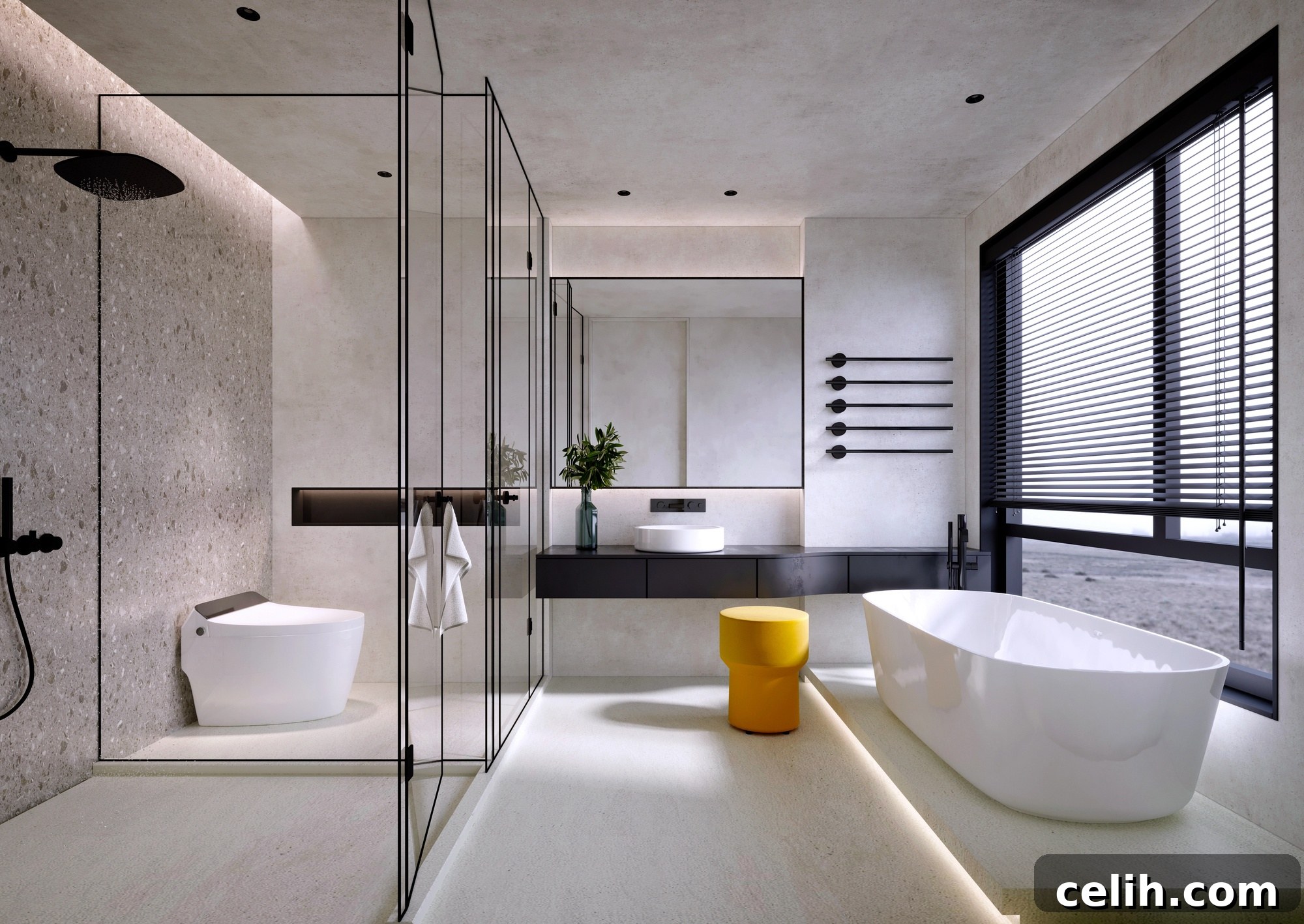
A home renovation offers a unique and invaluable opportunity to significantly enhance your property, extending far beyond aesthetic improvements. It’s the ideal moment to meticulously upgrade your plumbing system, transforming it from a mere functional necessity into a cornerstone of efficiency, comfort, and long-term value. While these improvements often operate behind the scenes, their daily impact on your living experience—from consistent water pressure to lower utility bills and improved water quality—is profound and deeply appreciated.
Plumbing upgrades can span a wide spectrum, ranging from straightforward fixture replacements that rejuvenate a bathroom’s look and feel to comprehensive whole-house pipe replacements that demand extensive planning and access behind walls. The optimal choices for your home are multifaceted, depending critically on the existing condition of your plumbing infrastructure, the evolving needs of your family, your allocated budget, and your long-term plans for residing in the property.
Perhaps you’re accustomed to the frustration of a sluggish shower, or perhaps lingering concerns about aging galvanized pipes are impacting your family’s water quality and health. You might be driven by a desire to reduce your environmental footprint and monthly expenses through highly efficient fixtures, or you could be planning a major expansion, like adding a new bathroom, which necessitates a robust upgrade to your main water line to accommodate increased demand. These scenarios represent common catalysts for considering a plumbing overhaul.
Engaging with a reputable and experienced professional, such as the best plumbing service Denver CO or local experts in your area, is paramount. Their expertise ensures you receive tailored advice specific to your home’s unique setup, high-quality installation that adheres strictly to local building codes, and durable results that will serve you reliably for years, avoiding the need for premature repairs or costly re-dos.
This comprehensive guide will walk you through every critical consideration for planning successful plumbing upgrades during your renovation. We’ll cover how to thoroughly assess your current system to pinpoint areas truly requiring attention, establish renovation priorities that align with your budget and lifestyle goals, select cutting-edge water-efficient fixtures to cut down on utility bills and environmental impact, explore options for enhancing your home’s water quality and taste, and strategize for future needs to prevent disruptive and expensive re-work down the line.
Assess Your Current Plumbing System
Before you get carried away by visions of luxurious rainfall showerheads or the rustic charm of a farmhouse sink, it’s crucial to first gain a deep understanding of your home’s existing plumbing infrastructure. This foundational step helps identify any underlying issues that demand immediate attention before cosmetic enhancements make sense, or conversely, it may reveal that your system is in better condition than anticipated, allowing for more strategic upgrades.
Begin by systematically identifying outdated or inefficient components throughout your property. Pay particular attention to the age and material of your pipes. Galvanized steel pipes, commonly installed in homes built between the 1950s and 1960s, are notorious for internal corrosion that progressively reduces water flow and pressure over time, making them prime candidates for replacement. Inspect your water heater’s age, efficiency rating, and general condition; if it’s over 10 years old, or you experience inconsistent hot water, it’s likely nearing the end of its lifespan and could be costing you more in energy bills.
Beyond material and age, watch for common indicators that signal the definite need for upgrades. These include recurring leaks that require frequent repairs, persistently poor water pressure that transforms showers into a frustrating experience, discolored water (often rust-colored) emerging from faucets, which strongly suggests internal pipe corrosion, and inexplicable spikes in your water bill that could point to hidden leaks within your system.
Specific red flags that demand urgent plumbing attention:
- A noticeable and progressive decline in water pressure across multiple fixtures over time.
- Water that appears rust-colored, cloudy, or has a distinct metallic taste when drawn from faucets.
- Frequent or recurring clogs and backups in more than one drain, indicating potential main line issues.
- A water heater that struggles to deliver a consistent supply of hot water, runs out quickly, or makes unusual noises.
- Visible corrosion, significant mineral buildup, or persistent dampness on exposed pipes, joints, or fittings.
Crucially, a professional plumbing inspection provides an unparalleled advantage. Experienced plumbers utilize specialized tools and knowledge to uncover hidden issues that a homeowner might easily miss, such as insidious slab leaks, complex main line problems, or safety-compromising code violations from previous DIY work. This expert assessment is vital for establishing an accurate hierarchy of upgrades, distinguishing between those that are truly essential for safety and functionality and those that are desirable but can be postponed.
Set Your Renovation Priorities
It’s important to recognize that not every desirable plumbing upgrade needs to be implemented simultaneously. Attempting to tackle every possible improvement at once can quickly lead to budget overruns and unnecessary stress. Therefore, a critical step is to define your primary focus. Is your main goal to improve efficiency to significantly reduce long-term operating costs? Are you primarily aiming to update the aesthetics to create a more enjoyable and modern living space? Or perhaps enhancing water quality for health and taste is at the top of your list? Often, it’s a strategic combination of these objectives.
Consider your family’s unique needs and daily pain points. For instance, if you have a large family or teenagers who enjoy long showers, investing in water-efficient fixtures, particularly low-flow showerheads and toilets, can lead to substantial savings on your water bill. If you’re consistently battling hard water that leaves unsightly spots on dishes, dulls laundry, and reduces the effectiveness of soaps, then a whole-house water softener should likely be your highest priority.
A realistic budget is paramount. Balance your extensive wish list against your actual financial capacity by clearly distinguishing between “must-have” upgrades and “nice-to-have” improvements. Essential upgrades typically encompass anything related to ensuring safety, achieving code compliance, preventing costly water damage, or addressing critical failures. Aesthetic enhancements, while appealing, can often be phased in or deferred until more budget becomes available, allowing you to allocate funds to immediate necessities first.
Furthermore, when selecting projects, always consider their potential impact on your home’s resale value, especially if you anticipate selling within the next few years. Updated bathrooms and kitchens, which heavily rely on modern plumbing, consistently offer excellent returns on investment. However, be cautious with extremely expensive or highly personalized plumbing features, as these may not always recoup their cost when you eventually sell your home.
Choose Water-Efficient Fixtures
The advancement in modern water-efficient fixtures represents a significant leap forward in home plumbing. These innovations allow homeowners to dramatically reduce their water consumption without any perceived sacrifice in performance or comfort. The technology has evolved considerably, meaning today’s low-flow toilets, for example, flush just as effectively, if not more so, than older models, while using up to 60% less water per flush. This translates into substantial savings and a reduced environmental footprint.
Similarly, contemporary water-efficient faucets and showerheads are ingeniously designed. They incorporate advanced aerators and precision-engineered flow restrictors that maintain robust water pressure and a satisfying spray pattern, all while significantly curbing actual water usage. The remarkable aspect of these fixtures is that they are engineered to provide a user experience that feels just as luxurious and effective as traditional models. This means you can enjoy the considerable financial and environmental benefits without ever feeling like you’re compromising on performance or comfort.
To ensure you’re investing in proven efficiency, always look for WaterSense-certified products. These products undergo rigorous, independent testing to confirm they meet strict EPA standards for both water efficiency and performance. This certification provides assurance that you’re choosing fixtures that deliver on their promises of savings and reliability. Many WaterSense-certified fixtures will effectively pay for themselves through reduced water bills within just a few years, making them not only environmentally responsible but also financially astute long-term investments.
To fully grasp the potential impact, calculate the estimated savings based on your household’s current water usage. A typical family of four can save tens of thousands of gallons of water annually simply by upgrading to efficient toilets and showerheads. In regions with escalating water costs or during periods of drought, these savings can be substantial enough to more than justify the initial investment, even for premium-grade efficient fixtures.
Upgrade for Better Water Quality
Improving your home’s water quality can lead to a remarkable and noticeable difference in nearly every aspect of daily life. This includes a cleaner, crisper taste to your drinking water, a softer feel to your skin and hair after showering, and significantly extended lifespan and optimal performance for all your water-using appliances. Strategically installing advanced filtration or water softening systems directly addresses specific water-related issues that can profoundly impact your everyday comfort and incur long-term costs.
Whole-house water filtration systems are a comprehensive solution, designed to remove a wide array of common contaminants such as chlorine, sediment, rust particles, and various other impurities that can negatively affect your water’s taste and odor. For homes in regions with hard water, water softeners are invaluable. They tackle the dissolved minerals (primarily calcium and magnesium) responsible for scale buildup in pipes and appliances, ultimately extending the operational life of your water heater, improving the efficiency of soaps and detergents, and preventing unsightly mineral deposits.
The type of piping material in your home also plays a direct and crucial role in determining your water quality. Older galvanized pipes, for instance, are prone to internal corrosion, which can leach metallic tastes and rust particles directly into your drinking and bathing water. In contrast, modern piping materials like copper, known for its durability and antimicrobial properties, or PEX (cross-linked polyethylene), lauded for its flexibility and resistance to corrosion, provide a consistently cleaner, better-tasting water supply free from these common corrosion issues.
Consider these specific water quality improvements during your renovation:
- Whole-house filtration: For comprehensive removal of sediments, chlorine, and other contaminants, leading to better taste and overall water purity.
- Water softening systems: Essential for areas with hard water, preventing scale buildup and enhancing the performance of appliances and detergents.
- Point-of-use filters: Such as reverse osmosis systems or carbon filters installed at kitchen sinks, providing premium quality drinking water.
- Pipe replacement: Upgrading from galvanized or old lead pipes to modern copper or PEX to eliminate corrosion, improve flow, and remove potential health risks.
- Backflow prevention devices: Crucial for protecting your home’s potable water supply from contamination, especially if you have an irrigation system or a well connection.
Before making any significant investment, it is highly advisable to have your water professionally tested. This step is indispensable for identifying the specific contaminants or issues present in your water supply, rather than relying on guesswork. A professional water analysis will guide you in choosing the most effective and appropriate solutions, ensuring you don’t waste money on equipment that won’t address your actual water quality problems.
Plan for Future Needs
Intelligent renovation planning extends beyond addressing current plumbing issues; it proactively considers potential future changes that might impact your home’s water usage and demands. This forward-thinking approach, often referred to as “future-proofing” your plumbing, can save you immense hassle, time, and expense by preventing the need to re-open walls and disrupt your home again as your needs evolve.
If you envision potential home additions in the coming years, anticipate a growing family, or plan for major appliance upgrades (like a larger washing machine or a tankless water heater), it’s imperative to ensure your main water line, drainage, and sewer connections are adequately sized and robust enough to handle the increased demand. Upgrading these foundational systems during an existing renovation project is significantly easier and more cost-effective than undertaking them as standalone projects later, after walls have been closed and finishes applied.
During renovation, it’s also an excellent opportunity to strategically add shut-off valves and accessible inspection points. These small but crucial additions make future maintenance tasks considerably simpler and can prevent minor leaks or issues from escalating into major, damaging problems. Installing individual shut-off valves for each fixture (toilets, sinks, dishwashers) allows you to isolate and work on specific areas without needing to disrupt the water supply to the entire house, minimizing inconvenience.
Prioritizing durable, high-quality plumbing materials is a wise long-term investment. While cheaper options might offer immediate savings, they often come with a shorter lifespan and a higher likelihood of premature failure, leading to more frequent repairs and replacements. Investing in quality pipes (e.g., PEX or copper), fixtures, and fittings might involve a higher upfront cost, but it provides superior value over decades through reduced maintenance, enhanced reliability, and a significantly longer service life.
Finally, consider the benefit of rough-in work for potential future fixtures, even if you don’t intend to install them immediately. For example, pre-installing the necessary plumbing lines (water supply and drainage) for a future basement bathroom, a wet bar, an outdoor kitchen, or a utility sink during the current renovation costs substantially less than the extensive and disruptive work of cutting into finished walls and floors later to add new lines. This foresight allows for seamless future expansion when you are ready.
Conclusion
Navigating the world of plumbing upgrades during a home renovation requires a thoughtful and systematic approach. It begins with a thorough understanding of your current system’s condition and inherent limitations, progresses to setting clear priorities that intelligently balance your immediate needs with your long-term goals and budget, and involves selecting water-efficient fixtures that deliver tangible savings on ongoing costs. Equally important is addressing water quality concerns that directly impact your daily comfort and well-being, and critically, planning strategically for any future changes that might demand additional plumbing capacity or modifications.
The essence of a successful plumbing renovation lies in striking a harmonious balance between addressing your immediate needs and ensuring long-term value, all while staying within your allocated budget. It is not always necessary, or even advisable, for every upgrade to occur simultaneously. Instead, strategic planning and phased implementation during the renovation process will inevitably save you significant money and minimize disruption compared to undertaking piecemeal improvements years down the road.
Collaborating with an experienced and trusted plumbing professional is the most effective way to ensure your renovation achieves its full potential. They provide invaluable expert guidance on which upgrades will yield the greatest return on investment for your specific situation, guarantee high-quality installation that adheres to all local codes and safety standards, and deliver lasting results that profoundly enhance your home’s comfort, efficiency, and overall value for many years to come. Begin your renovation journey by consulting with a trusted plumber who can help you make informed decisions and choose upgrades that deliver enduring comfort, efficiency, and lasting peace of mind.