
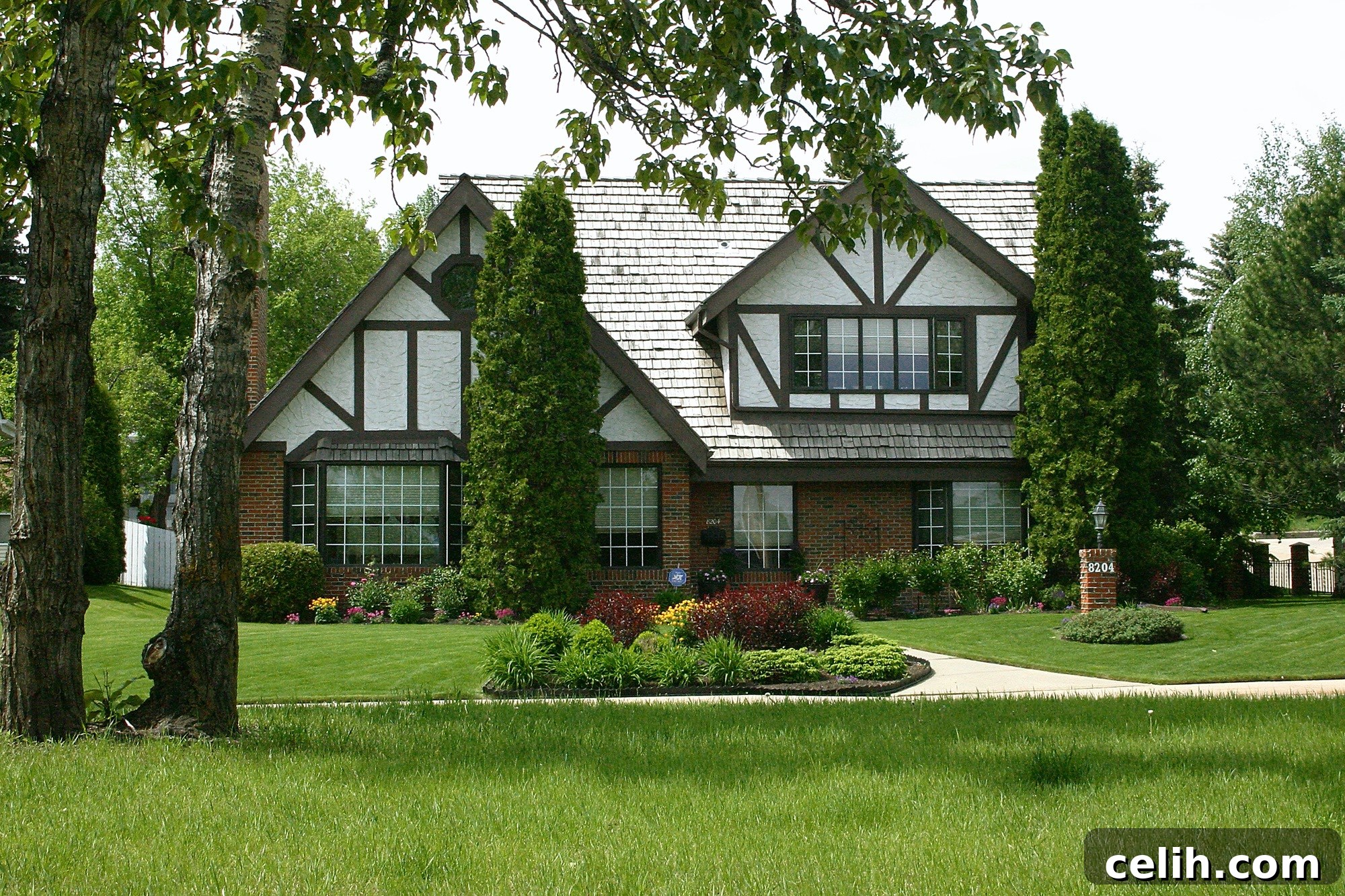
Your roof stands as one of the most critical components of your home, diligently safeguarding your family and possessions from the relentless forces of nature. Much like your home’s foundation, plumbing, or electrical system, it possesses a finite lifespan and is constantly exposed to environmental stressors. As we look towards 2025, many homeowners will face the crucial decision of whether to repair their existing roof or invest in a complete replacement. While repairs can offer temporary fixes, a proactive approach to roof replacement offers a multitude of comprehensive benefits, transforming your home’s performance, appearance, and long-term value. Beyond simply fixing leaks, a new roofing system is a strategic upgrade that pays dividends in comfort, safety, and significant financial returns. Let’s delve into five compelling and essential reasons why replacing your roof in 2025 could be one of the smartest investments you make for your most valuable asset.
1. Significantly Increase Your Home’s Value and Enhance Curb Appeal

For homeowners considering selling their property in the near future, a new roof is arguably one of the most impactful and value-adding upgrades you can undertake. It provides an immediate and substantial boost to both your home’s market value and its crucial curb appeal. The roof is often the largest visible surface of your home, influencing a potential buyer’s initial perception of the property’s overall condition and how well it has been maintained. A visually appealing, brand-new roofing system signals meticulous care and instantly enhances the aesthetic charm of your property, making it stand out positively in a competitive real estate market.
Beyond the enhanced aesthetics, a new roof offers invaluable peace of mind to prospective buyers. They understand that a significant, costly expense has just been handled by you, removing a major financial burden and potential source of worry for years to come. This assurance often translates into a willingness to pay a higher price. Studies frequently demonstrate a strong roofing ROI, with homeowners typically recouping a substantial percentage, often 60-80% or even more, of their investment when they sell. Depending on the material chosen – such as durable architectural asphalt shingles, elegant standing seam metal roofing, or sophisticated tile – a modern roof not only performs better but also significantly elevates your home’s perceived value, offering a clear competitive advantage and a better return on investment.
Furthermore, a new roof implies updated structural integrity, improved energy efficiency, and modern weather protection, attributes that are highly sought after by today’s discerning homebuyers. By investing in a high-quality roof replacement, you’re not just enhancing the top layer of your house; you’re investing in its long-term marketability and ensuring a smoother, more profitable selling process. This initial investment can differentiate your home from others on the market, attract more serious buyers, and ultimately lead to a quicker sale at a more favorable price point, solidifying your home’s position as a premium property.
2. Prevent Costly and Extensive Repairs and Mitigate Future Damage
An aging, compromised, or neglected roof is a ticking time bomb for potential damage and escalating repair costs. What might seem like a minor issue today – a loose shingle, a tiny drip, or a patch of granular loss – can quickly snowball into a major financial headache if left unaddressed. Old roofing materials become brittle, less resilient, and more susceptible to the elements, making your entire home vulnerable to a host of serious problems. The cumulative effect of years of exposure to sun, wind, rain, and temperature fluctuations takes its toll, weakening the entire roofing system.
Common and severe issues stemming from a deteriorating roof include persistent leaks that can lead to extensive water damage inside your home. This might manifest as unsightly stained ceilings and walls, compromised attic insulation that loses its R-value, and even structural weakening of wooden beams, rafters, and drywall. Water intrusion also creates a perfect breeding ground for hazardous mold and mildew, which can spread rapidly, posing significant health risks to your family and requiring expensive, specialized remediation. Beyond water and mold, an old roof with failing seals or damaged areas is more prone to pest infestations, as rodents, insects, and even birds can exploit weaknesses to gain entry into your attic and eventually your living spaces, causing further damage and health concerns.
By opting for a comprehensive roof replacement *before* these critical failures occur, you proactively safeguard your home and finances. The cost of a new roof, while a significant upfront investment, is often a more predictable and manageable expense than the emergency repairs and collateral damage caused by a neglected, failing roof. Think of it as preventative maintenance on a grand scale. Investing in a new, robust roofing system eliminates these vulnerabilities, providing long-term protection and helping you avoid the stress, inconvenience, and exorbitant costs associated with reactive, emergency repairs that could far exceed the price of a full replacement. Modern roofing solutions come with extended warranties and superior durability, offering peace of mind that your home will remain protected for decades, ensuring the structural integrity of your entire home and preventing small issues from turning into catastrophic failures that could threaten your family’s safety and well-being.
3. Significantly Improve Energy Efficiency and Dramatically Reduce Utility Bills

If you’ve noticed a consistent and unwelcome spike in your utility bill, your aging roofing system might be the primary culprit. An old or damaged roof often suffers from inadequate or compromised insulation, poor ventilation, and numerous small gaps, cracks, or loose seals. These critical deficiencies allow expensive conditioned air to escape in the winter and external heat to penetrate in the summer, forcing your HVAC system to work harder, longer, and less efficiently to maintain a comfortable indoor temperature. This constant strain directly translates to higher energy consumption and inflated electricity or gas bills, eating into your household budget unnecessarily.
A new roof, however, can be a game-changer for your home’s energy performance, transforming it into a more thermally efficient structure. Modern roofing materials and installation techniques are designed with energy efficiency at their core, offering substantial long-term savings and a more comfortable, stable living environment. Here’s how a strategic roof replacement can dramatically lower your energy bills and enhance overall home comfort:
- Enhanced Insulation and Superior Air Sealing: During a comprehensive roof replacement, contractors often have the ideal opportunity to inspect, improve, and upgrade existing attic insulation or add new layers. Modern roofing systems are installed with advanced synthetic underlayments and meticulous sealing techniques, creating a robust thermal barrier directly beneath the shingles. This significantly reduces heat transfer, preventing warm air from escaping in colder months and blocking excessive heat gain during warmer periods. Properly sealed gaps, cracks, and penetrations eliminate wasteful air leaks, ensuring that your expensive conditioned air stays inside where it belongs, minimizing energy loss.
- Reflective Roofing Materials (Cool Roof Technology): Innovations in roofing technology have led to the development of “cool roofs” designed specifically to reflect more sunlight and absorb significantly less heat than traditional dark-colored roofs. Options like light-colored or white shingles, specialized reflective coatings, or metal roofs with highly emissive finishes boast a high Solar Reflectance Index (SRI). This superior reflectivity reduces the amount of heat absorbed by your roof surface, keeping your attic and the living spaces below considerably cooler, especially during peak summer temperatures. The result is a substantial reduction in the workload of your air conditioning system, leading to noticeable savings.
- Optimized Attic Ventilation Systems: Proper attic ventilation is absolutely crucial for both energy efficiency and the extended longevity of your roof system. A new roofing installation provides the perfect opportunity to design and implement an optimal airflow system. Integrated components, including continuous soffit vents for cool air intake and ridge vents for warm air exhaust, allow hot, humid air to escape the attic effectively. This prevents heat buildup in summer, which reduces your AC load, and mitigates moisture accumulation in winter, which can prevent damaging ice dam formation and extend the life of your insulation and shingles. Effective ventilation maintains a balanced attic temperature, reducing the strain on your HVAC system year-round and contributing to substantial energy savings.
- Long-term Comfort and Positive Environmental Impact: Beyond the significant financial savings, an energy-efficient new roof contributes to a more stable and consistently comfortable indoor climate throughout your home, eliminating uncomfortable hot and cold spots. It also dramatically reduces your home’s carbon footprint by decreasing energy consumption, making it a more environmentally responsible and sustainable property. The cumulative effect of these improvements can lead to thousands of dollars in reductions in your annual utility expenditures over the lifespan of the roof, effectively helping the new roof pay for itself over time through ongoing savings.
4. Maintain Essential Homeowner’s Insurance Coverage
Your homeowner’s insurance policy is a vital financial safety net, meticulously designed to protect your most valuable asset from unforeseen damages and liabilities. However, this crucial coverage is often contingent upon your property, and particularly your roof, being maintained in good, sound condition. An old, visibly deteriorating, or damaged roof represents a significant and escalating risk to insurance providers, potentially jeopardizing your coverage, increasing your premiums, and ultimately impacting your financial security.
Insurance companies assess risk rigorously and continuously. A roof that is nearing or has exceeded its typical lifespan, showing clear signs of wear and tear, or has existing damage from prior storms is considered a high-risk factor. Many policies include specific clauses and conditions that may allow insurers to take several actions, including:
- Refusal to Renew Your Policy: If your roof is deemed too old, too damaged, or inadequately maintained, your existing insurer might decide not to offer a renewal of your policy, forcing you into a difficult and urgent search for new coverage.
- Increased Premiums: Even if your policy is renewed, the perceived higher risk associated with an old or compromised roof can lead to significantly higher annual premiums, adding a substantial and unwelcome burden to your household expenses.
- Exclusion of Specific Damages: Your policy might be amended or endorsed to specifically exclude coverage for any future roof damage that could potentially be attributed to the existing poor condition, age, or lack of maintenance, leaving you financially exposed to future perils.
- Denial of Claims: In the worst-case scenario, if your old or damaged roof suffers further damage from a severe storm, hail, or other peril, the insurer might partially or entirely deny your claim, arguing that the damage was pre-existing, due to long-term neglect, or fell under a specific exclusion for older roofs.
Replacing your roof in 2025 ensures that you remain fully compliant with your insurance carrier’s requirements and policy terms. A new, professionally installed roof demonstrates proactive property maintenance, significantly reducing the risk of future claims related to age or wear and tear. This often results in the continuation of comprehensive coverage, and in many cases, may qualify you for lower premiums or specific discounts offered by insurers for impact-resistant, wind-rated, or newer roofing systems. Maintaining adequate insurance coverage means you’ll have the necessary financial protection in place for unexpected events, preventing potentially catastrophic out-of-pocket expenses and providing invaluable peace of mind for you and your family, knowing your home is truly protected.
5. Enhance Weather Protection and Fortify Structural Integrity

Your roof is your home’s primary and most critical line of defense against the diverse and often severe forces of nature. An aging or damaged roof simply cannot provide the robust and reliable protection your home and family deserve against unpredictable weather patterns. If you’ve encountered recurring leaks during heavy rainfall, discovered missing, curled, or cracked shingles after strong winds, or battled persistent ice buildup and subsequent water intrusion in winter, these are unmistakable indicators that your existing roofing system is failing and it’s time for a critical and essential upgrade.
A new roof dramatically bolsters your home’s defense capabilities, offering superior resistance to the most challenging weather conditions Mother Nature can throw its way. Modern roofing technologies and meticulous installation practices are specifically engineered to withstand extreme elements more effectively and for longer durations than older systems. Here’s how a comprehensive roof replacement significantly enhances your home’s weather protection and structural integrity:
- Superior Wind Resistance: Contemporary roofing designs incorporate advanced features specifically developed to combat high winds and severe storms. This includes reinforced, heavy-duty shingles that are designed for better adhesion and interlocking, along with secure, multi-point fastening systems that exceed older building codes. These innovations prevent shingles from lifting, curling, or blowing off during powerful gusts and tornadic activity, keeping the integrity of your roof intact and preventing widespread damage to your entire home.
- Advanced Impact-Resistant Materials: Hailstorms, falling tree branches, and wind-borne debris pose significant threats to the structural integrity and protective layer of your roof. Modern roofing solutions offer highly effective impact-resistant materials, such as Class 4 rated asphalt shingles (the highest rating), robust metal roofing systems, or durable synthetic tiles. These materials are rigorously tested and certified to withstand impacts from large hail, heavy tree branches, and other flying objects, drastically reducing the likelihood of cracking, puncturing, or granule loss that compromises traditional, weaker shingles. This enhanced durability provides an invaluable and critical layer of protection against sudden, destructive weather events.
- Enhanced Waterproofing Technology: A new roof installation incorporates cutting-edge waterproofing techniques and materials designed to create an impenetrable barrier against moisture intrusion. This includes high-performance synthetic underlayments that offer superior tear strength, UV resistance, and water resistance compared to traditional asphalt felt paper. Strategic application of specialized ice and water shield membranes in vulnerable areas like eaves, valleys, around dormers, and all roof penetrations ensures complete and lasting sealing. Furthermore, meticulously installed flashing around chimneys, skylights, vents, and wall junctions effectively redirects water away from critical areas, preventing leaks and safeguarding your home’s interior from water damage, mold growth, and underlying structural rot during heavy rains or melting snow.
- Overall Structural Longevity: By effectively preventing water infiltration and maintaining a stable, dry attic environment through proper ventilation, a new roof protects the underlying structural components of your home, such as rafters, sheathing, and insulation, from moisture-related deterioration. This comprehensive protection extends the overall lifespan of your home’s framework and prevents costly, hidden structural repairs down the line, ensuring your entire home remains sound and safe for decades to come.
Making the Smart Investment in Your Home’s Future
Undertaking a roof replacement in 2025 is far more than a simple home repair; it is a strategic and highly beneficial investment in your property’s long-term health, safety, and enduring value. The decision to upgrade your roofing system offers a cascade of profound advantages that touch upon every aspect of homeownership. From bolstering your home’s aesthetic appeal and significantly increasing its market value, to providing robust, modern protection against increasingly unpredictable and severe weather patterns, the benefits are substantial, multifaceted, and enduring.
Moreover, a modern, energy-efficient roof dramatically reduces your monthly utility bills, contributing to considerable savings over its entire lifespan and enhancing your home’s environmental footprint. It also serves as a critical preventative measure to avoid devastating water damage, hazardous mold growth, and the escalating, unforeseen repair costs that inevitably arise from a failing or neglected roof. Crucially, a new roof ensures that you maintain vital homeowner’s insurance coverage, protecting you from unforeseen circumstances and providing invaluable peace of mind. By addressing this essential component of your home proactively, you are not just replacing a structure; you are enhancing comfort, securing your investment, and preparing your home to safely weather the elements and thrive for many years ahead. Consider consulting with a reputable local roofing professional to assess your current roof’s condition thoroughly and explore the best, most cost-effective options for your home in 2025.