
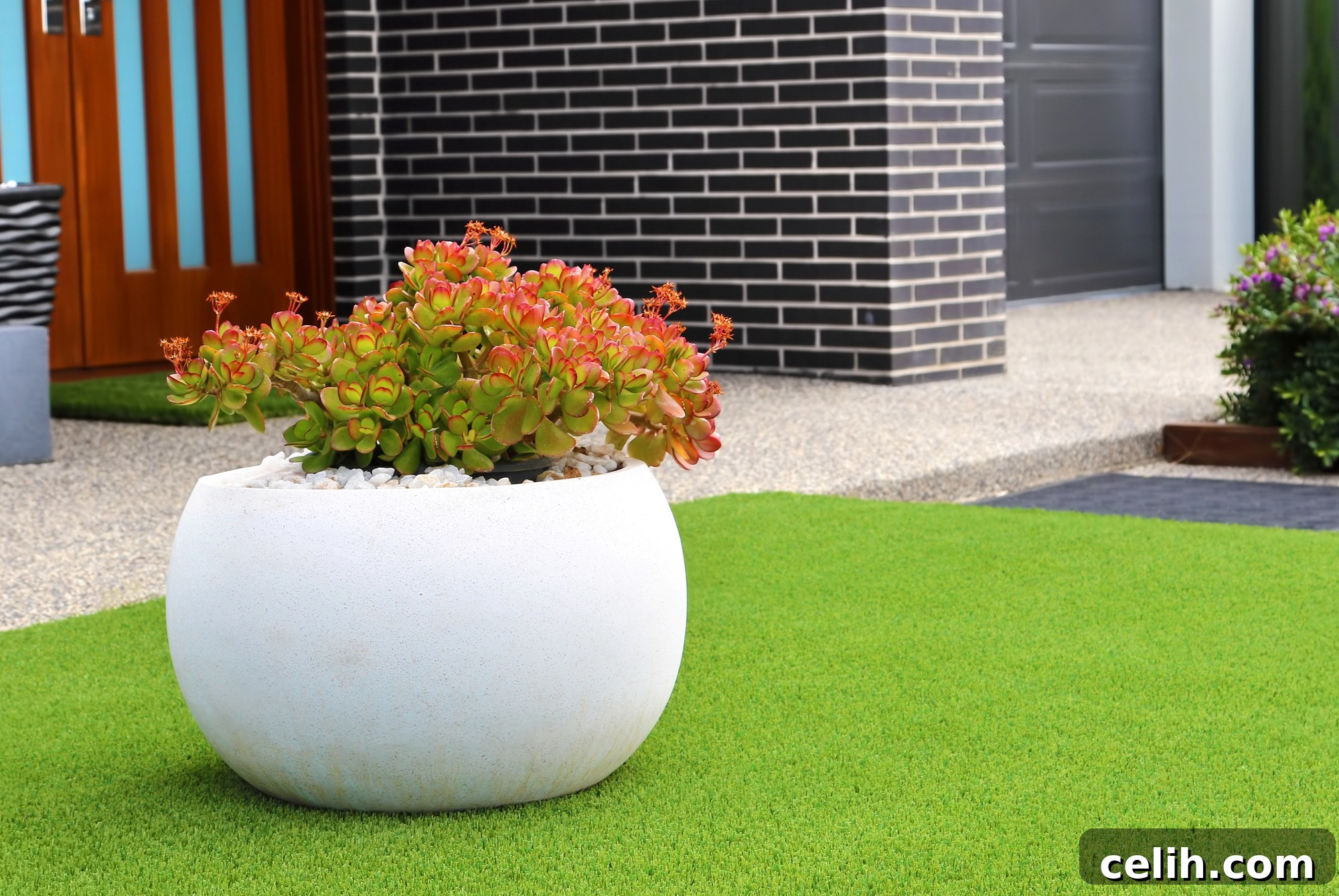
British gardens eventually show wear on every surface. October brings the first extended rainfall; January freezes edges; a dry July blanches lawns only for September to flood them again. Natural grass demands constant mowing, feeding and patching that never truly ends. Durable alternatives exist today and they are no longer mere compromises.
Artificial grass has long moved off sports pitches into domestic gardens. Modern residential turf replicates the texture and colour of real grass without the seasonal collapse. Built-in drainage prevents pooling. Pets and children no longer leave permanent bald patches. A fortnightly brush is about as much maintenance as most households need. For families, landlords and anyone who wants a garden that looks the same in February as in June, the appeal is clear.
Why British Weather Demands Specific Artificial Grass Features
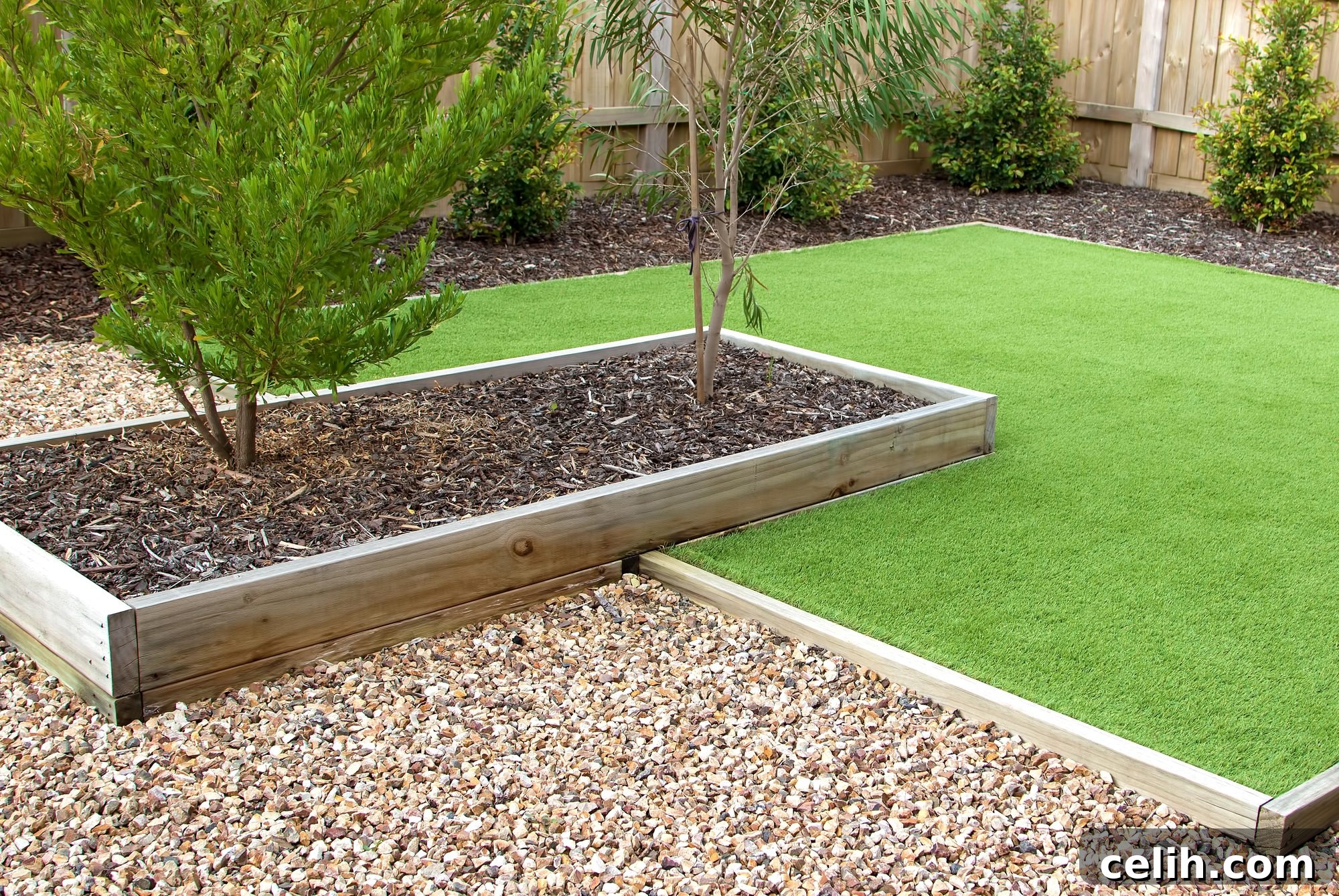
The UK climate presents three main challenges: cold winters, wet springs and occasional summer heat that synthetic fibres were not originally designed for. Artificial grass must withstand all three without rapid deterioration. A product that fades or stiffens within a few years is not a long-term solution.
Drainage rate is one of the first specifications to check. Quality turf allows a substantial volume of water per square metre to pass through each hour. Gardens on heavy clay or plots that already pool after rain need products with higher drainage rates. Without adequate drainage the surface will develop puddles, moss and unpleasant odours.
UV stability matters even when the sun is scarce. Synthetic fibres degrade under UV exposure regardless of cloud cover. Look at UV ratings, pile height, backing type and drainage performance before committing. A proper UV rating preserves colour and texture over time. Frost resistance is closely linked to backing flexibility: polyurethane backings stay pliable in cold weather, while cheaper alternatives can crack when temperatures drop below freezing.
Drainage Systems That Handle Persistent Rain
Backing material largely determines how well water moves through the surface. Perforated polyurethane backings hold their shape through years of use. Latex backings are cheaper but compress faster, especially in gardens exposed to frequent rain.
Sub-base preparation is the step most DIY installations get wrong. A compacted layer of crushed stone and gravel beneath the turf provides stability and allows water to disperse quickly. Skip this and the lawn will develop waterlogged patches, uneven settling and moss within a season or two. Proper sub-base work is not optional.
Drainage rates differ significantly between products. Gardens with existing water retention problems benefit from turf rated for higher drainage. Professional installers will assess soil conditions and recommend additional channels or soakaways where required. Correcting drainage during installation costs far less than retrofitting fixes later.
Testing Drainage Before Installation
A simple percolation test reveals problem areas before any turf is laid. Dig a hole roughly 300mm deep and fill it with water. If water remains hours later, the soil is telling you it drains slowly and will need addressing. Test several spots across the garden: different locations often behave very differently.
Clay-heavy gardens or plots with a history of flooding require additional infrastructure such as perforated drainage pipes, gravel channels or connections to existing drains. The severity of the issue determines the solution. A professional assessment matches the fix to the site and prevents chronic water accumulation.
Material Durability in Cold and Wet Conditions
Yarn composition affects how turf performs through wet winters. Polyethylene fibres are soft underfoot and spring back after foot traffic and rain. Polypropylene is cheaper but flattens faster, making it more suitable for low-traffic areas where appearance under pressure is less important.
Monofilament blades mimic individual grass strands and remain upright better than fibrillated alternatives after prolonged wet periods. Fibrillated turf uses split fibres in a mesh; it is cheaper to produce but mats down more quickly and holds moisture. For gardens with children or pets, monofilament construction maintains appearance and performance longer.
Lifespan depends heavily on UV treatment and construction quality. Budget products lacking proper UV protection will fade, stiffen and become brittle sooner than expected. This deterioration is often noticeable where sun exposure is greatest — along patio edges or across the centre of the lawn. Inspect physical samples before buying: density, texture and backing tell you more than product photos alone.
Maintenance Requirements for Year-Round Performance
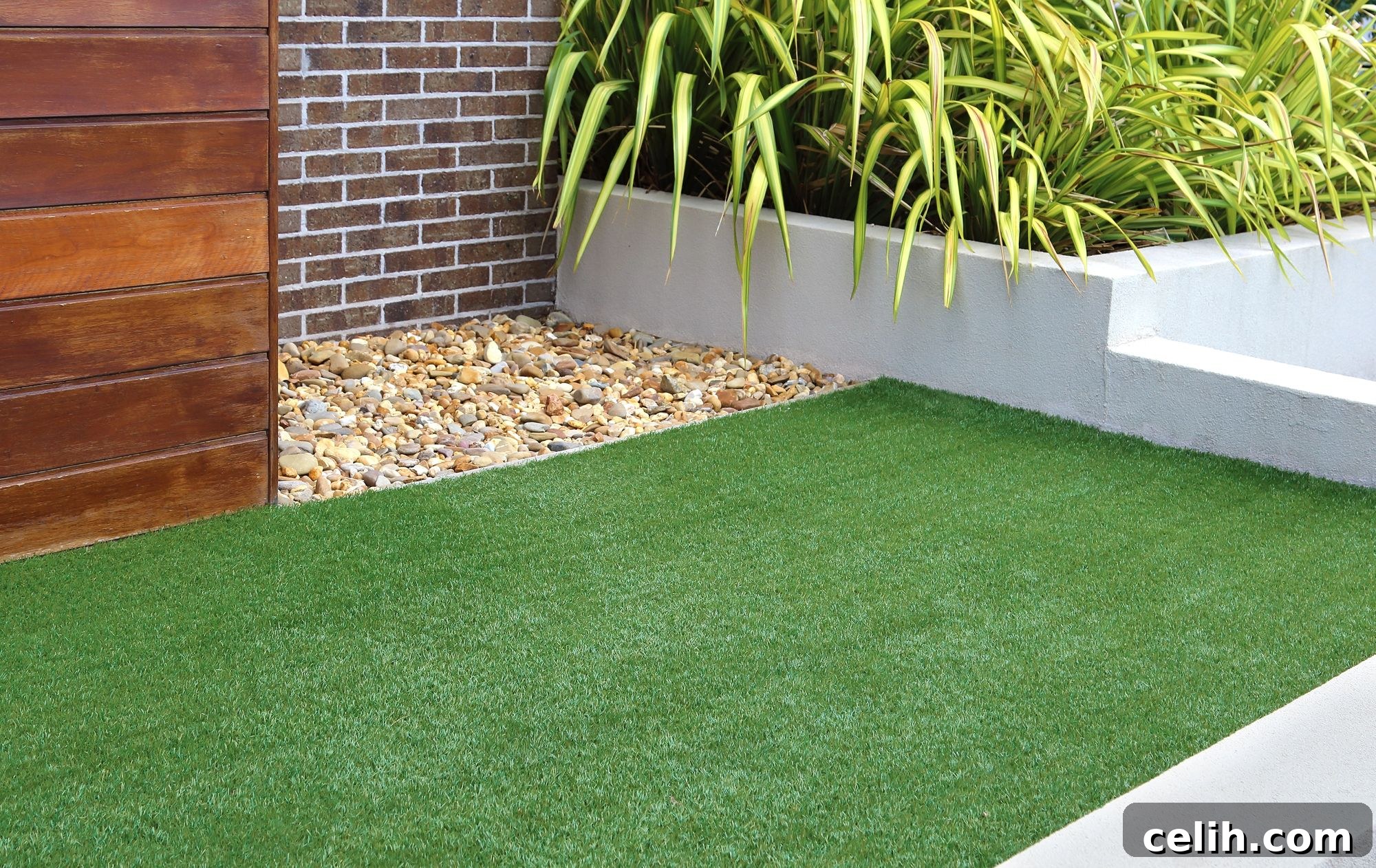
Artificial grass requires less maintenance than a natural lawn, but it is not maintenance-free. A stiff broom every couple of weeks keeps fibres upright and prevents matting; high-traffic zones need more frequent attention. These quick tasks take minutes and make a noticeable long-term difference.
Leaf removal in autumn is essential. Left on the turf, organic debris breaks down and promotes moss, algae and other unwanted growth. Use a plastic rake or a leaf blower to clear leaves without damaging fibres. In shaded gardens, non-chemical control methods help keep the surface clean without resorting to harsh treatments. Regular clearing preserves drainage performance and prevents staining.
Shaded or damp corners that attract moss benefit from periodic cleaning. Diluted vinegar or pet-safe commercial cleaners applied every few months remove organic build-up. Occasional deep cleans, whether DIY or professional, extend the turf’s usable life. Overall running costs are significantly lower than those of a natural lawn, since mowing, fertilising and reseeding are no longer required.
Pet-Specific Maintenance in Wet Climates
Pet waste requires prompt attention. Rinse the area immediately; if left after rain, fouling becomes a hygiene issue and harder to remove. Use an enzyme-based cleaner that targets bacteria and breaks down odour at the source rather than masking it. These cleaners reduce the likelihood of recurring smells.
Drainage is especially important in pet-friendly gardens. Urine that pools on the surface is the main source of persistent odour. Turf with higher drainage rates moves liquid through before it settles, and combined with routine cleaning this keeps the surface fresh and hygienic during heavy use. Proper installation and maintenance make artificial grass a practical choice for households with both children and pets.
Keeping It Green When the Weather Does Not Cooperate
Most garden surfaces fail at certain points: rain can pool, shaded corners stay damp, and repeated foot traffic creates muddy strips. Artificial grass can resist these pressures, but only when the base, backing and drainage are correctly chosen and installed from the start. If those elements are missed, the green surface alone will not solve the problem. Get the installation right, stay on top of leaves and pet mess, and the garden remains usable and attractive long after the first dry spell ends.