
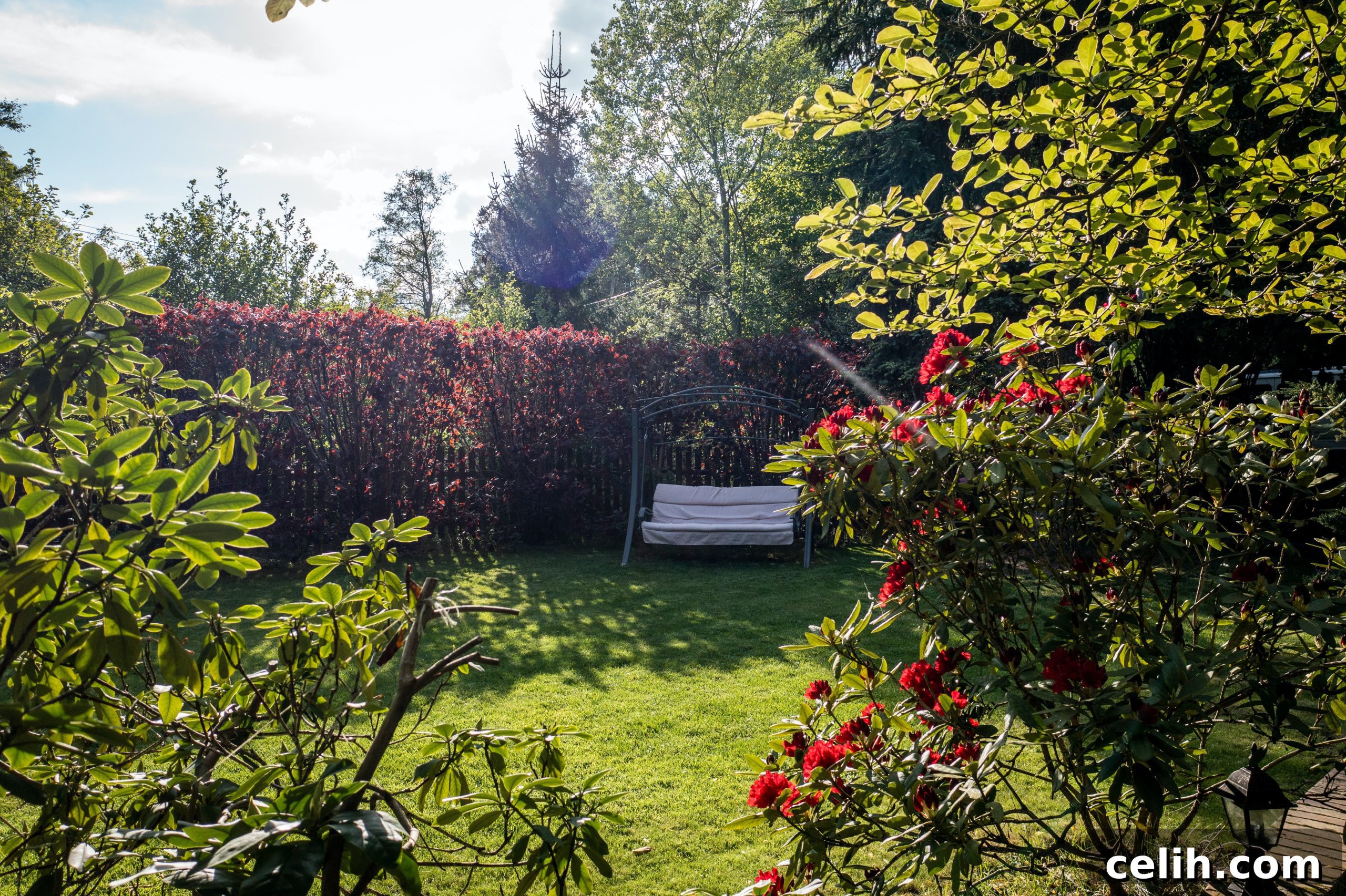
For countless homeowners and garden enthusiasts across the nation, the presence of trees in outdoor spaces is universally acknowledged as a profound enhancement. These majestic botanical wonders serve a multitude of purposes, from creating an elegant focal point in compact gardens to lending structural height and a sense of established maturity to expansive landscapes. Whether it’s the gentle, dappled light filtering through the leaves of a silver birch, the breathtaking seasonal bloom of an ornamental cherry, or the steadfast, enduring grandeur of a venerable oak, trees are integral to elevating our connection with nature and enriching our enjoyment of our personal green sanctuaries. Their calming influence and aesthetic appeal significantly contribute to our mental wellbeing, fostering a serene environment right at home.
Beyond their intrinsic beauty and ecological value, trees also play a surprising role in real estate. Did you know that a meticulously maintained, mature garden can potentially add up to 20% to your property’s market value? Given this significant financial incentive, one might naturally assume that trees are always highly desirable garden features. However, the reality is more nuanced. Opinions are often divided on the advisability of having large trees, particularly those in close proximity to a home. This leads us to an important question: why do these cherished natural elements sometimes become a source of concern?
Trees and the Built Environment: Understanding Potential Challenges
While the benefits of trees are undeniable, it’s crucial for homeowners to be aware of the potential challenges they can pose, especially when situated near buildings. Responsible tree management involves understanding these issues and taking proactive steps to mitigate risks. Let’s delve into two primary concerns that large trees can introduce to your property and the built environment.
Building Damage Caused by Tree Roots
The magnificent canopy of a mature tree, visible and admired above ground, belies an equally extensive and often unseen network of roots below. Many people are unaware that a tree’s root system can spread far beyond the drip line of its branches. Experts indicate that “most tree roots spread 2-3 times the radius of the canopy, and often reach out 5 times the radius of the tree canopy or more in dry conditions” as they actively seek essential water and nutrients. While this extensive root spread is perfectly natural and healthy for the tree, it becomes a significant concern when trees are planted too close to residential or commercial structures.
The most commonly feared issue is subsidence, particularly prevalent in areas with reactive clay soils. Clay soil naturally expands when wet and contracts when dry. When thirsty tree roots absorb moisture from the soil beneath a building’s foundations, they can cause the clay to dry out and shrink significantly. This shrinkage can lead to differential settlement, where parts of the foundation sink unevenly, resulting in structural movement. The tell-tale signs of subsidence include distinctive diagonal cracks appearing in walls, misaligned doors and windows that stick, or floors that develop a noticeable slope. Beyond subsidence, aggressive root systems can also directly damage underground utilities such as drainage pipes, sewage lines, and even water mains, leading to costly repairs.
Not all trees pose the same level of risk. Certain species, known for their vigorous and far-reaching root systems and high water consumption, are generally considered ‘thirstier’ and should be kept a considerable distance from buildings. These include common culprits like willow, poplar, elm, and many varieties of oak trees. If you are contemplating purchasing a property with any of these species in the garden, particularly near the house, it is highly advisable to commission an independent Building Survey or a Specific Defect Report. As one surveyor notes, the latter is “written to the same level of detail as a Building Survey but covers specific issues such as dampness, cracking or timber defects,” offering essential peace of mind and informing potential remedial actions.
Should you determine that a tree on your property requires size reduction or complete removal due to these concerns, it’s paramount to engage qualified professionals. For comprehensive insights into this process, explore this post on the distinct advantages of hiring a certified tree surgeon for such tasks. These experts possess the knowledge and equipment to carry out work safely and effectively, minimizing further risk to your property.
Trees as a Home for Pests That Can Enter the House
As enthusiasts of the natural world, we deeply appreciate the vital ecological role trees play as natural habitats for a vast array of animal species. Trees are biodiversity hotspots, supporting complex ecosystems that host birds, small mammals, beneficial insects, and countless other organisms. They provide essential food sources, shelter from the elements, and critical sites for reproduction, nesting, resting, and concealment. However, the very same attributes that make trees valuable for wildlife can also create an unwelcome environment for pests, particularly those that might eventually infiltrate your home. While decaying tree stumps and rotting wood are notorious for attracting pests, even healthy trees can inadvertently become a gateway for unwanted visitors.
Consider termites, for instance. These highly destructive insects live in colonies within trees, fallen logs, or underground and primarily feed on cellulose, the main component of timber. While their prevalence varies geographically, where present, they are among the most damaging pests globally, capable of silently attacking structural timbers within a house, potentially compromising its integrity and even leading to the collapse of ceilings and floors. Similarly, carpenter ants don’t eat wood but excavate tunnels within it to build nests, weakening structural elements over time. Wood borers, beetles whose larvae tunnel through wood, can also cause significant damage.
Beyond insects, rodents like rats and mice pose a different kind of threat. These creatures are known carriers of various diseases, including salmonella, toxoplasmosis, hantavirus, and even leptospirosis – illnesses no homeowner wants near their family or pets. Trees that grow close to a house can act as a natural bridge, allowing rats to climb onto roofs and access openings like open vents, broken fascias, or even unlatched windows. Mice are incredibly adept at squeezing through minuscule openings, often less than 2cm in diameter, while rats require only slightly more space. As an article from BBC Wildlife Magazine cautions, “any small hole to the outside can serve as a rodent gateway straight into your home.” Regular trimming of branches that overhang or touch your roof, along with sealing any potential entry points into your home, are critical preventative measures against these unwelcome guests.
Trees: A Source of Pleasure and Vitality for Your Garden and Beyond
Despite the potential issues that trees in close proximity to a house can present, it’s crucial not to allow these concerns to overshadow the immense and undeniable benefits they bring. Trees are living, breathing wonders that profoundly enrich the natural world around us, deserving of our admiration, respect, and responsible stewardship. By understanding and addressing potential risks through informed planning and proactive maintenance, there is every reason to fully embrace and enjoy the myriad pleasures that these magnificent botanical companions offer to our gardens and our lives.
Trees Provide Essential Shade and Shelter
In the realm of effective home design and thoughtful landscape architecture, a harmonious balance between light and shade is absolutely fundamental. Gardens, much like interiors, benefit from carefully considered sun exposure. Spaces that face south and west naturally receive more intense and prolonged sunlight than those oriented north and east. Existing trees in a garden are invaluable assets, naturally providing crucial shade and shelter. Strategically planting new trees can serve this specific purpose, creating cooler zones during hot summer months, reducing sun glare, and offering a sheltered spot for outdoor relaxation. This natural shading can also significantly reduce a home’s cooling costs by minimizing direct sun exposure on windows and walls, contributing to energy efficiency and a more comfortable living environment both indoors and out.
Trees Offer Enhanced Privacy and Seclusion
Dense tree foliage serves as an exceptional natural privacy screen, effectively shielding your home and garden from the curious gazes of neighbors or passersby. This natural barrier fosters a sense of security and seclusion, allowing you and your family the freedom to enjoy your outdoor space without feeling exposed. Beyond visual privacy, a property enveloped by mature trees and well-maintained hedges can also offer an added layer of security. By obscuring direct views into your home, it can deter opportunist thieves who prefer easy targets. To further enhance nighttime security, consider installing motion-sensor lighting, which provides an effective deterrent by illuminating any unexpected movement around your property.
Trees are Critically Important for Our Planet
Last, but certainly not least, we must always remember the indispensable role trees play on a global scale. They are truly the lungs of our Earth, and it is our collective responsibility to do everything within our power to plant more and protect existing ones. Through the remarkable process of photosynthesis, trees absorb atmospheric carbon dioxide—a primary greenhouse gas—and convert it into life-sustaining oxygen, simultaneously trapping pollutants and cleaning the air we breathe. They act as natural filters, improving air quality by removing harmful particulates and gaseous contaminants. The trees in your garden are far more than mere attractive natural features; they are integral components of our intricate global ecosystem. They are absolutely essential for regulating our climate, influencing local and global water systems, and stabilizing weather patterns. They help manage stormwater runoff, prevent soil erosion, and support countless species of flora and fauna, thus bolstering biodiversity. Embracing and nurturing trees in our personal spaces is a direct contribution to the health and sustainability of our planet for future generations.
Enhancing Aesthetic Appeal and Property Value
Beyond their practical and environmental benefits, trees fundamentally enhance the aesthetic appeal of any property. Their varied forms, textures, and seasonal colors contribute to a dynamic and visually rich landscape. A well-chosen tree can serve as a stunning architectural element, providing vertical interest and defining garden spaces. From the vibrant autumnal hues of a Japanese maple to the stately evergreen presence of a conifer, trees offer year-round beauty. This elevated curb appeal is a significant factor in increasing property value, as a beautifully landscaped garden often leaves a lasting positive impression on prospective buyers. They provide a sense of established charm and natural elegance that manicured lawns alone cannot achieve, making your property stand out in the market.
Supporting Biodiversity and Local Ecosystems
While the initial discussion touched upon pests, it’s vital to highlight the overwhelmingly positive impact trees have on local ecosystems. A healthy tree provides critical habitat for a diverse range of beneficial wildlife. Birds build nests in their branches, offering natural pest control by feeding on insects. Bees and other pollinators are attracted to flowering trees, aiding in the pollination of other plants in your garden and surrounding areas. Squirrels and other small mammals find shelter and food, contributing to the natural balance. By choosing native tree species, you further enhance this ecological contribution, as native plants are best adapted to support local wildlife, creating a vibrant, living garden that teems with life and natural activity. This connection to a thriving ecosystem can bring immense joy and educational opportunities to homeowners.
Responsible Tree Management: A Balanced Approach
Ultimately, the decision to plant or retain trees in your garden, especially near your home, involves weighing a diverse set of factors. It’s a balance between embracing the profound beauty, environmental benefits, and property value enhancements that trees offer, and proactively managing the potential risks they can pose to structures and health. The key lies in responsible tree management: choosing the right species for the right location, understanding their growth habits, regular professional maintenance like pruning, and being vigilant about the signs of potential problems. Consulting with arborists, structural engineers, and surveyors can provide invaluable guidance. By adopting a proactive and informed approach, homeowners can ensure their majestic garden trees remain a source of enduring pleasure, ecological benefit, and a valuable asset for their property for many years to come, without compromising safety or structural integrity.