
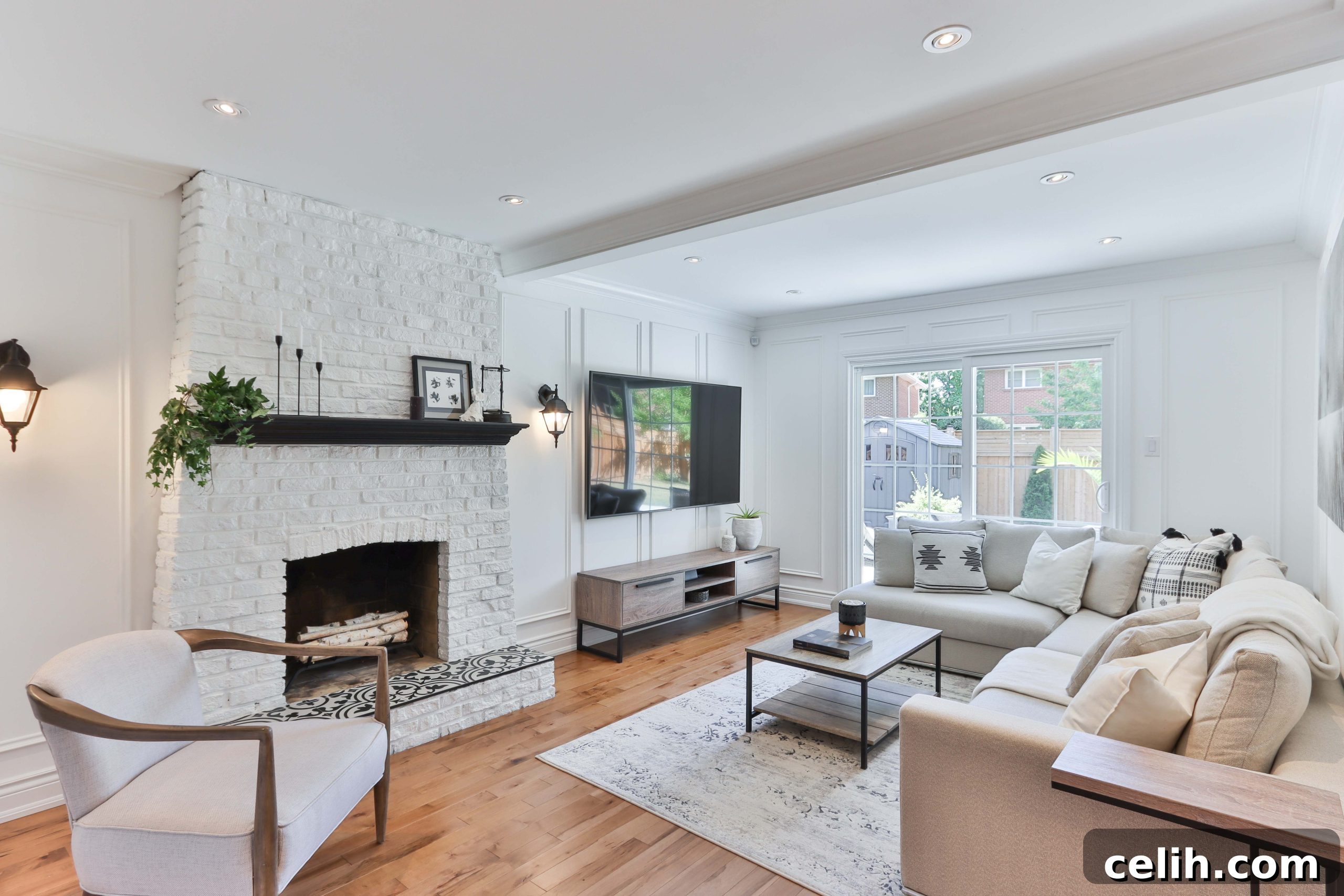
Choosing the right flooring is a pivotal decision that profoundly impacts the aesthetic appeal, comfort, and functionality of your home. It’s an investment that sets the tone for your interior design, reflecting your personal style and meeting the practical demands of daily life. From creating a cozy ambiance in a living room to ensuring durability in high-traffic areas, your flooring choice needs to perfectly align with your vision and lifestyle. You must consider not only the visual impact but also critical factors such as ease of cleaning, maintenance requirements, and overall longevity.
Among the myriad of options available, hardwood flooring consistently stands out as a timeless and highly sought-after choice. Renowned for its natural beauty, warmth, and enduring quality, hardwood floors can elevate any space, adding significant value and character to your property. However, the world of hardwood flooring is diverse, with various types, finishes, and installation methods influencing its final look, feel, and performance. Before embarking on your journey to select the perfect hardwood floors for your home, it’s essential to understand the key characteristics and considerations that will guide your decision-making process. Delve into these seven crucial aspects to ensure you make an informed choice that brings lasting beauty and satisfaction.
1. Hardwood’s Inherent Density and Strength Ensure Unrivaled Durability
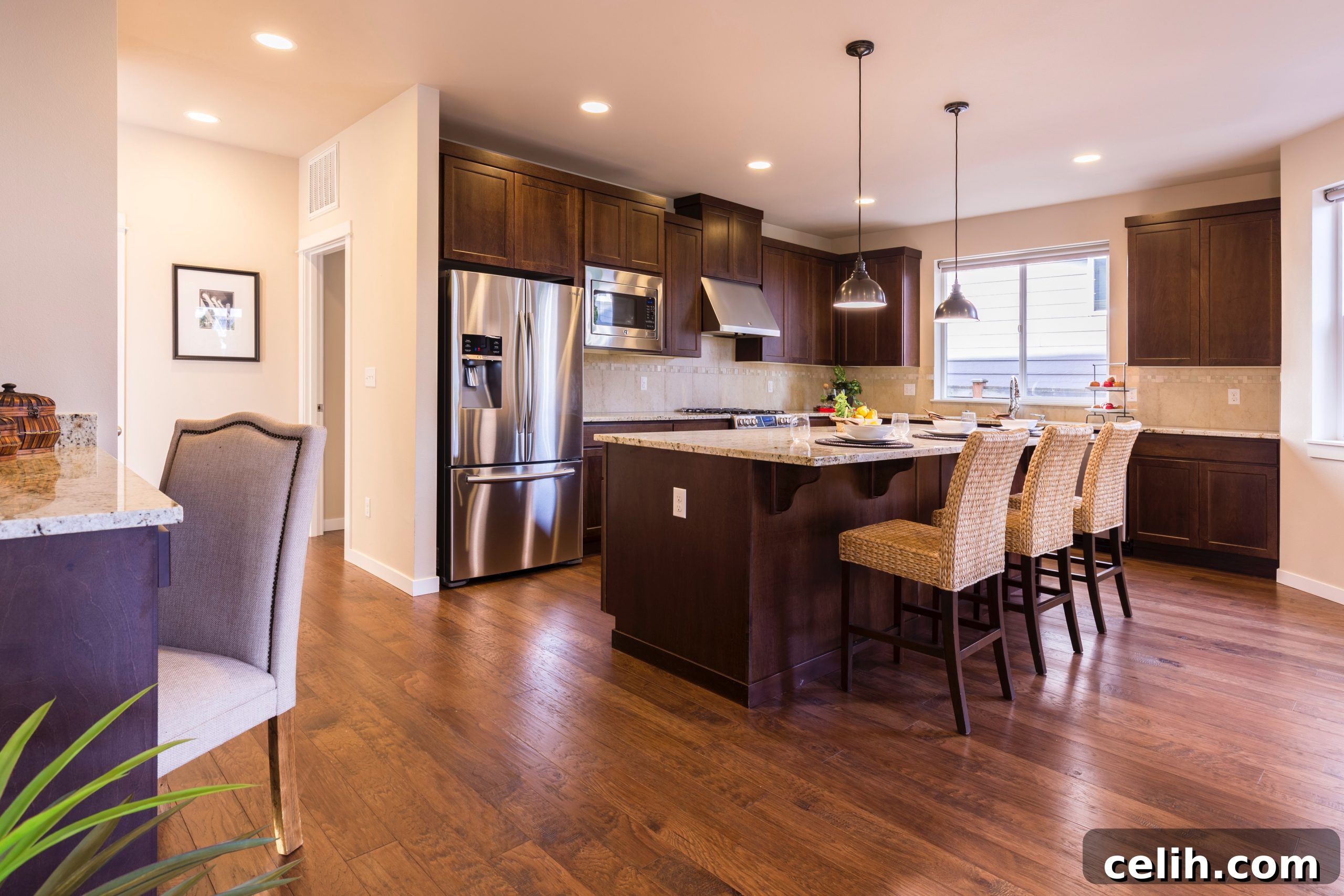
When the primary concern for your home flooring is long-term durability and resistance to wear and tear, hardwood flooring emerges as a superior choice. Its exceptional resilience stems from the fundamental biological difference between hardwood and softwood trees. Hardwood species, such as oak, maple, and hickory, grow at a significantly slower rate compared to softwoods. This slower growth leads to a denser cellular structure within the wood, making it inherently stronger and more resistant to impacts, scratches, and daily stresses.
The robust nature of hardwood means your flooring can withstand the rigors of active households, including pet activity and heavy foot traffic, for decades. Unlike many other flooring materials that may show signs of deterioration or require frequent replacement, well-maintained hardwood floors can literally last a lifetime, often outliving the home itself. While the exact level of durability can vary depending on the specific tree species – a factor often measured by the Janka hardness scale – even the ‘softer’ hardwoods offer impressive longevity compared to alternative flooring options.
To maximize the inherent strength and beauty of your hardwood floors, professional installation is paramount. Experienced installers possess the nuanced knowledge of various wood types, subfloor preparations, and proper fastening techniques essential for a flawless and durable finish. They can help you select the most suitable species for your specific needs, ensuring that your investment delivers on its promise of lasting beauty and performance. With the right care and expert installation, your hardwood floors will not only endure but also become a testament to timeless elegance and robust craftsmanship.
2. Explore a Rich Spectrum of Hardwood Flooring Types
One of the most appealing aspects of hardwood flooring is the incredible diversity it offers in terms of species, each with its unique characteristics, grain patterns, and color palettes. This variety allows homeowners to find the perfect match for any interior design theme, from rustic farmhouse to sleek modern, ensuring a truly bespoke look. While Oak is often hailed as a perennial favorite, celebrated for its exceptional hardness, beautiful grain, and versatility in accepting stains, the options extend far beyond this classic choice.
Delving into the world of solid hardwood floors, you’ll encounter a rich selection, each promising distinct advantages. Maple, for instance, offers a smooth, fine grain and a lighter hue, making it an excellent choice for contemporary spaces and kitchens due to its inherent brightness and resilience. Cherry hardwood, on the other hand, is cherished for its distinctive reddish-brown tones that deepen beautifully over time, adding warmth and sophistication, especially in more formal settings. Ash provides a striking, pronounced grain pattern with lighter, often creamy tones, offering a fresh and airy feel. Walnut, renowned for its luxurious dark, rich color and straight grain, creates an elegant and grounding presence, making it a suitable flooring material in high-traffic areas because of its exceptional durability and relatively low maintenance. Mahogany is another excellent hardwood flooring material with a rich, reddish-brown color, often associated with luxury and prestige, perfect for formal rooms.
Beyond these, consider species like Hickory, which boasts remarkable strength and durability, often used in hallways, kitchens, and other high-traffic areas where its rustic charm and resilience shine. Brazilian Cherry, though technically not a cherry species, offers stunning deep red hues and exceptional hardness, ideal for those seeking a bold statement. Each hardwood type presents its own personality and performance attributes. To navigate this extensive selection and ensure you choose the best material to complement your home décor and lifestyle, consulting with a hardwood flooring expert is highly recommended. They can provide invaluable insights into the Janka hardness rating, grain patterns, color stability, and maintenance requirements of various species, helping you make an informed decision for lasting satisfaction. For further exploration of different wood types, resources like woodenfloorsuk.com can offer valuable insights.
3. The Natural Warmth and Comfort of Hardwood Underfoot
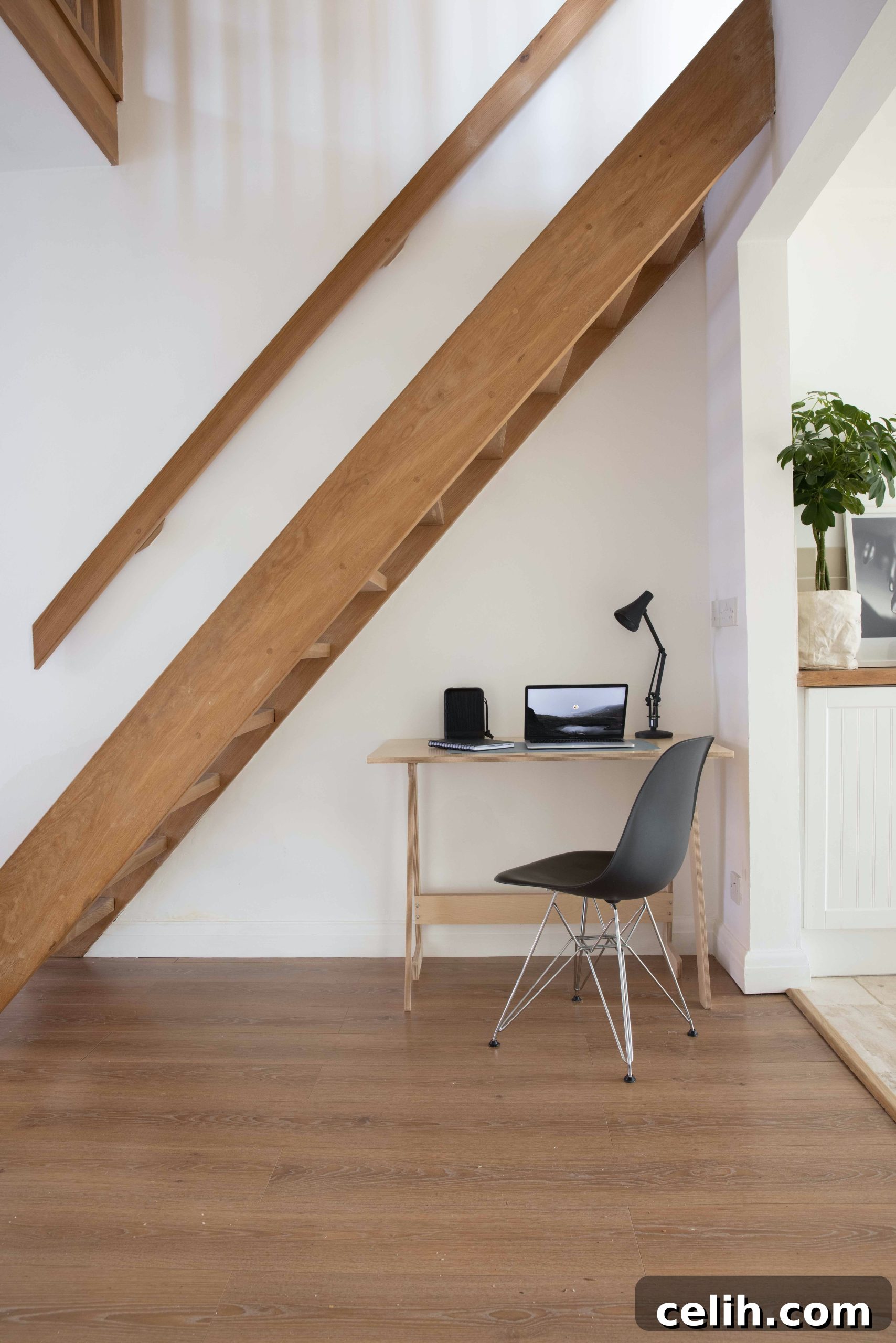
Beyond its visual appeal, hardwood flooring offers a distinct tactile advantage: it feels naturally warm and inviting underfoot. Unlike cold surfaces such as tile or stone, wood has inherent insulating properties, meaning it doesn’t absorb and dissipate heat as quickly. This characteristic contributes to a more comfortable indoor environment, as hardwood maintains a relatively stable and pleasant temperature throughout the year, regardless of external seasonal fluctuations.
Moreover, hardwood’s compatibility with underfloor heating systems further enhances its comfort factor. For those seeking modern heating solutions, most hardwood flooring types can be safely installed over radiant heating. However, it’s crucial to consider the type of hardwood for such applications. Engineered hardwood, with its multi-layered construction, is often the preferred choice for underfloor heating. Its cross-ply core makes it less prone to expand and contract compared to solid hardwood when exposed to temperature fluctuations, thereby minimizing the risk of warping or gapping. This stability ensures that the beauty and integrity of your flooring are preserved while you enjoy the luxurious warmth of radiant heat emanating from beneath.
The unique “feel” of wood also contributes to a quieter and softer ambiance in a room. While not as soft as carpet, it offers a slight give that can be more forgiving on joints than harder surfaces. This combination of natural warmth, even temperature retention, and compatibility with modern heating systems makes hardwood flooring a highly comfortable and desirable option for any home.
4. Addressing the Potential for Noise in Hardwood Floors
While hardwood flooring offers numerous advantages, it’s important to acknowledge one of its potential drawbacks: the possibility of developing squeaks or creaks. These noises can arise from various factors, primarily related to the interaction between the wood, the subfloor, and environmental conditions. Over time, as wood expands and contracts with changes in humidity and temperature, or if the subfloor itself is uneven or not adequately secured, friction points can develop, leading to audible squeaks. In some instances, these noises can even be loud enough to be heard in rooms below.
Fortunately, this potential issue is largely preventable and treatable with proper installation and the right materials. A critical component in mitigating noise is the use of appropriate underlayment padding. Materials such as foam, cork, or felt installed beneath the hardwood planks can act as a crucial buffer. Underlayment not only provides a cushioning layer that dampens sound transmission, making the floor quieter to walk on and reducing noise transfer to lower levels, but it also helps to smooth out minor subfloor imperfections. Cork, in particular, is an excellent choice for its superior acoustic insulation properties.
Beyond underlayment, meticulous installation plays a vital role. Ensuring the subfloor is level, clean, and securely fastened before laying the hardwood is essential. Proper acclimatization of the wood planks to the home’s environment before installation also helps minimize future movement and potential squeaks. By addressing these factors proactively with quality materials and professional installation techniques, you can enjoy the stunning beauty of hardwood floors without the disruption of unwanted noise, preserving the serene atmosphere of your living space.
5. Deciding Between Solid Hardwood and Engineered Hardwood
When you begin shopping for hardwood flooring, you’ll primarily encounter two distinct categories: solid hardwood and engineered hardwood. While both offer the timeless appeal of real wood, their construction, performance, and ideal applications differ significantly, making it essential to understand these distinctions before making your choice.
Solid Hardwood Flooring: As its name suggests, solid hardwood consists of a single piece of timber, typically ¾ inch thick, from top to bottom. This monolithic construction is its greatest strength, allowing it to be sanded and refinished multiple times throughout its lifespan – often three to five times or more – effectively renewing its appearance and extending its durability for decades. Solid hardwood boasts unparalleled natural beauty and a classic, substantial feel. However, its uniform composition also makes it susceptible to changes in humidity and temperature. It can expand and contract noticeably, which may lead to gapping or warping in environments with significant moisture fluctuations. For this reason, solid hardwood is generally recommended for above-grade installations in climate-controlled areas.
Engineered Hardwood Flooring: Engineered hardwood takes a multi-layered approach to flooring construction. It features a genuine hardwood veneer (the wear layer) on the surface, beneath which are multiple cross-ply layers of wood, often plywood or high-density fiberboard (HDF), glued together in opposing directions. This layered construction provides exceptional stability and makes engineered hardwood far less susceptible to moisture-induced expansion and contraction than solid wood. Consequently, engineered hardwood is a more versatile option, suitable for installation in basements, over concrete slabs, and in areas with fluctuating humidity levels. While the top veneer is real hardwood and can often be sanded and refinished, the number of times is limited—typically once or twice, depending on the thickness of the wear layer. Engineered hardwood also offers the advantage of wider plank options and can be installed using various methods, including glue-down, nail-down, or floating installation, providing flexibility for different subfloor types. You can find solid options like maple or cherry, often popular choices, or you could go for a versatile engineered hardwood from a specialist like Empire Today.
The choice between solid and engineered hardwood ultimately depends on your specific needs, installation location, budget, and desired refinishing frequency. Both offer genuine wood beauty and lasting value, but their structural differences cater to varying environmental conditions and performance expectations.
6. The Choice Between Unfinished and Prefinished Hardwood
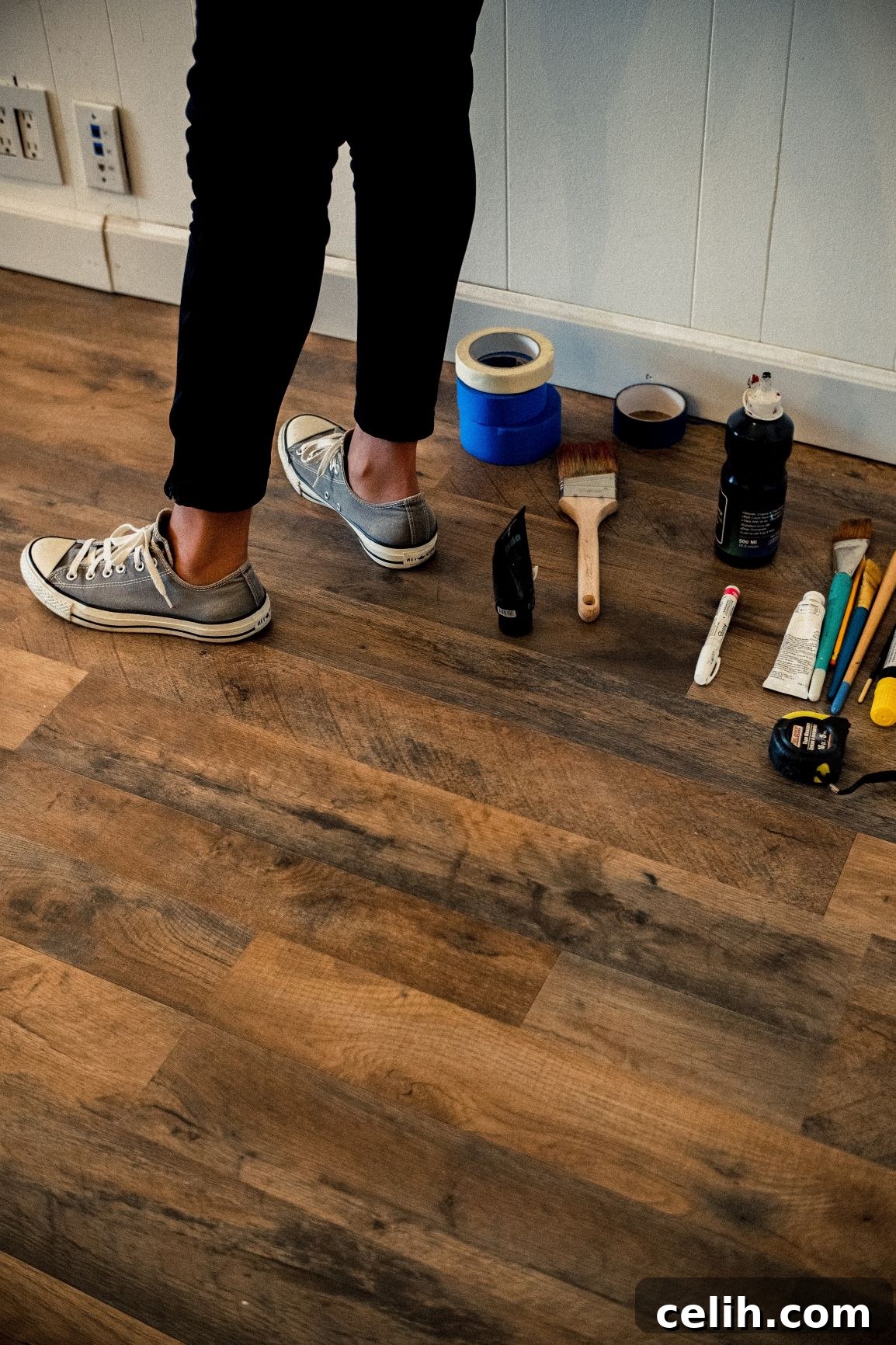
Beyond selecting the type of hardwood, you also have a crucial decision regarding its finish: opting for unfinished or prefinished flooring. Each option presents distinct advantages and considerations related to aesthetics, installation time, and protective qualities.
Unfinished Hardwood Flooring: Choosing unfinished hardwood grants you unparalleled creative control over the final look of your floors. Once installed, the raw wood planks are sanded on-site, providing a perfectly smooth, seamless surface. This on-site finishing process allows you to select any stain color imaginable, creating a unique hue that precisely matches your room’s color scheme or design vision. Furthermore, you can choose the sheen level, from ultra-matte to high-gloss, for a truly custom appearance. An often-overlooked benefit of unfinished hardwood is its suitability for moisture-prone areas like kitchens and bathrooms. When the finish is applied on-site, it penetrates and seals the tiny seams between the floorboards, creating a more continuous, water-resistant surface that helps prevent moisture from seeping between planks. However, the process involves a longer installation time, significant dust from sanding, and fumes from the finishing products, requiring you to vacate the space for a few days.
Prefinished Hardwood Flooring: In contrast, prefinished hardwood flooring comes to your home already sanded, stained, and sealed at the factory. This option offers a significantly faster and cleaner installation process, as there’s no need for on-site sanding or finishing. You can walk on your new floors almost immediately after installation, making it ideal for renovations where time and minimal disruption are priorities. Prefinished floors typically feature highly durable, factory-applied finishes, often UV-cured or containing aluminum oxide, which are generally tougher and more consistent than site-applied finishes. The trade-off is less customization; you select from existing colors and finishes, and the planks often have micro-bevels on the edges, which, while enhancing durability, create a slightly less seamless look than site-finished floors. However, the convenience and immediate readiness of prefinished hardwood make it an incredibly popular choice for many homeowners seeking efficiency without compromising on quality or appearance.
7. Hardwood Flooring Price: Understanding the Investment
The cost of hardwood flooring can vary significantly, making it one of the most important considerations for any homeowner. It’s not a one-size-fits-all expense; rather, it’s influenced by a multitude of factors that collectively determine the overall investment. Understanding these variables will help you budget effectively and secure the best value for your needs.
Firstly, the **type of hardwood** you choose plays a substantial role. Exotic wood species like Brazilian Cherry or Tigerwood, known for their unique aesthetics and exceptional hardness, often command a higher price point than more common domestic species such as Oak or Maple. The **grade of the wood** (e.g., clear, select, common) also impacts cost, with clearer, more uniform planks typically being more expensive. Furthermore, whether you opt for solid hardwood or engineered hardwood will affect the price. While solid hardwood can sometimes have a higher initial material cost, engineered options can also be premium depending on the thickness of the wear layer and the complexity of their construction.
Secondly, the **amount of flooring** required to cover your space is a direct cost driver. Larger areas naturally necessitate more materials. Beyond the raw materials, **installation costs** are a significant component. Professional installation involves labor rates, preparation of the subfloor, and the complexity of the chosen installation method (nail-down, glue-down, or floating). These costs can vary widely based on your geographic location and the installer’s experience and reputation. Lastly, the **company you buy from** can influence pricing, as different retailers and manufacturers have varying overheads, sales volumes, and brand positioning.
While the initial outlay for hardwood flooring might seem higher than some alternatives, it’s crucial to view it as a long-term investment. Hardwood floors significantly enhance a home’s aesthetic appeal, offer exceptional durability, and can significantly increase its resale value. They are designed to last for decades, often outliving other flooring types, and can be refinished multiple times to renew their appearance. To ensure you get the best deal, it is highly recommended to shop around, compare quotes from several reputable suppliers and installers, and thoroughly understand what is included in each estimate. This diligent approach will help you select the perfect hardwood flooring that aligns with your budget and delivers enduring beauty and value to your home for years to come.
Featured image credit: Photo by Sidekix Media on Unsplash