
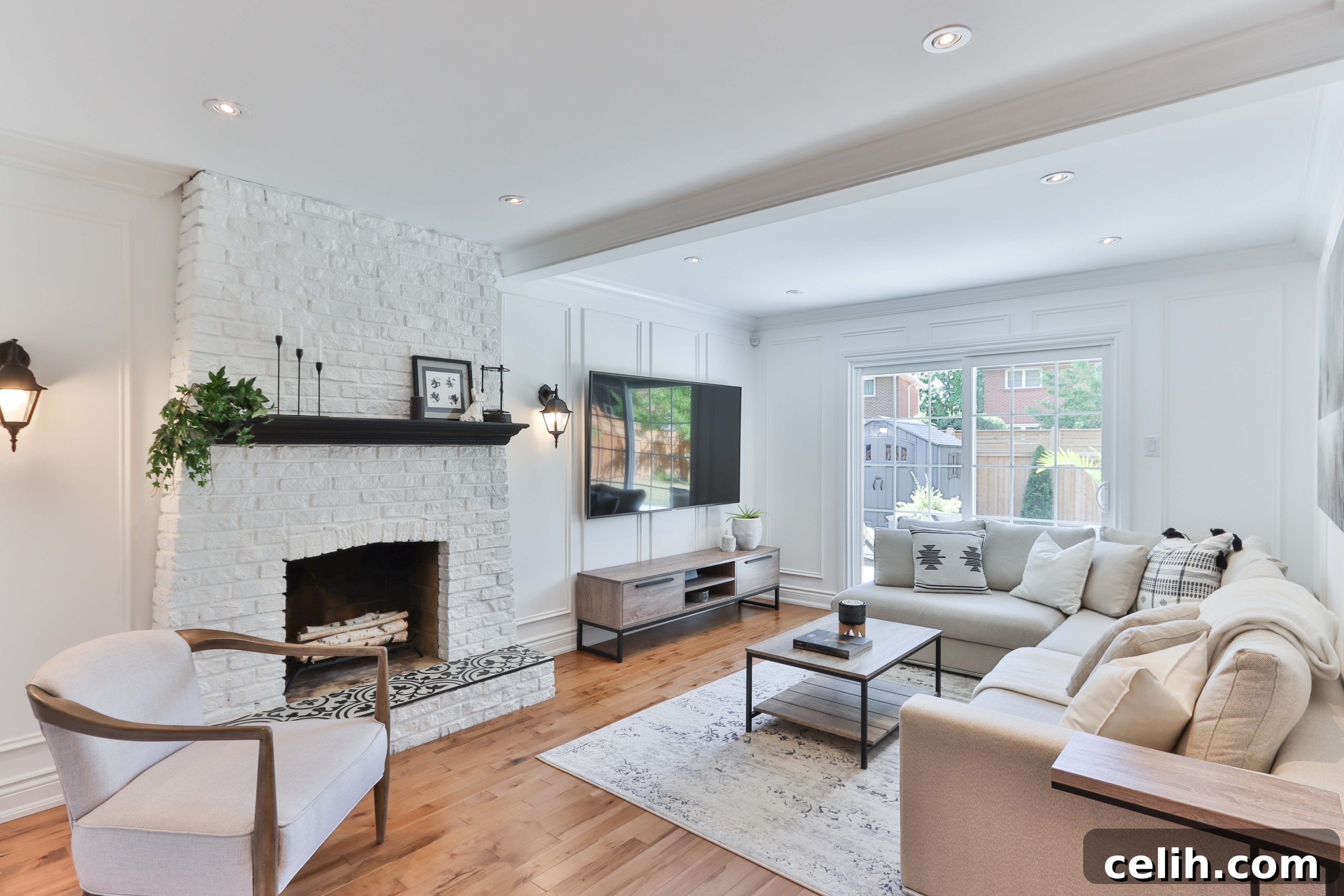
In the dynamic world of real estate, presenting your property in its best light is paramount to a successful sale. Home staging is far more than just interior decorating; it’s a strategic marketing process designed to showcase a house’s full potential, making it irresistible to prospective buyers. This involves meticulously preparing your home, decluttering personal belongings, depersonalizing spaces, and thoughtfully arranging furnishings and decorations to create an inviting atmosphere that resonates with a broad audience. The goal is to allow potential buyers to envision themselves living in the space, fostering an emotional connection that transcends mere aesthetics.
While the idea of investing time and money into a property you’re about to sell might initially seem counterintuitive, the advantages of professional home staging are undeniable and often translate into significant returns. In fact, comprehensive staging is widely recognized as one of the most cost-effective strategies for enhancing your home’s appeal, accelerating its sale, and ultimately maximizing your profit.
The Investment: How Much Does Home Staging Cost?
Understanding the financial aspect of home staging is crucial for sellers. While figures can vary significantly, industry insights from reputable sources like Modern Realty Guam and the National Association of REALTORS® indicate that the average national cost to stage a home in the U.S. hovers around $1,530. However, this figure is a broad average, and your specific expenses will be influenced by several key factors.
These influencing factors include the duration your home remains on the market, the number of rooms requiring professional staging, the extent of furniture rentals needed, and the overall condition of your property. For instance, a basic initial consultation with a professional stager might range from $300 to $600. Following this, if full staging services are required, you could anticipate monthly charges typically ranging from $500 to $600. This monthly fee covers the rental of furniture, art, and accessories, along with ongoing adjustments as needed. If your property is vacant and requires substantial furniture to create a lived-in feel, the monthly costs will naturally trend towards the higher end of this spectrum.
Conversely, if you primarily seek expert advice on how to rearrange your existing furniture, declutter effectively, or identify which decor items to emphasize or remove, the cost will remain on the lower end. Many staging companies offer tiered services, from comprehensive full-home staging to partial staging, virtual staging, or simply consultation and walk-throughs. Each home presents a unique set of challenges and opportunities, and staging solutions are often tailored to individual needs and budgets. It’s essential to obtain detailed quotes and understand the scope of services offered by different staging professionals to make an informed decision.
Compelling Advantages: The Benefits of Staging Your Home for Sale
Investing in home staging yields a multitude of benefits that can significantly impact your selling experience. These advantages collectively contribute to a faster, more profitable, and less stressful sale.
Firstly, staging creates an immersive experience for potential buyers. When individuals tour a well-staged home, they are able to transcend the idea of “someone else’s house” and instead envision themselves inhabiting the space. They can easily picture their own family dynamics unfolding in the living room, their personal items adorning the shelves, or the delightful experience of preparing meals in the perfectly arranged kitchen. This psychological connection is vital, as it transforms a house from a mere structure into a prospective “home,” simplifying the buyer’s decision-making process and increasing their willingness to make an offer.
Secondly, staged homes consistently demonstrate a quicker sale cycle compared to their unstaged counterparts. In a competitive market, time is money. Buyers are often looking for properties that are move-in ready, requiring minimal effort on their part. A staged home signals that the property is meticulously prepared, well-maintained, and ready for immediate occupancy, eliminating potential concerns about necessary repairs or updates. This readiness not only attracts more serious buyers but also reduces the time your property spends on the market, saving you from prolonged holding costs and market fluctuations.
Thirdly, professional staging has a direct and positive impact on your home’s final selling price. A visually appealing and well-presented home is perceived as having higher value. Buyers are often more willing to pay a premium for a house that feels updated, impeccably maintained, and aesthetically pleasing. Staging subtly highlights architectural strengths, minimizes perceived flaws, and showcases the property’s full potential, often leading to competitive offers and a higher return on your investment. The return on investment for staging can often far exceed the initial cost, making it a financially astute decision.
Lastly, staging significantly boosts your property’s exposure and appeal, particularly in the crucial realm of online listings. High-quality, professionally staged photographs are indispensable in today’s digital real estate market. These captivating images draw in more online viewers, encouraging them to schedule physical viewings. More viewings translate to increased interest, more offers, and ultimately, a better chance of securing the best possible deal. For all these compelling reasons, allocating resources to professional home staging is a wise and rewarding endeavor.
Strategic Timing: When to Stage Your House for Maximum Impact
The timing of your home staging efforts plays a critical role in its effectiveness. Generally, the optimal time to schedule staging is just before your property goes on the market and certainly before any professional photographs are taken for online listings. The first impression, whether online or in person, is paramount. A beautifully staged home from the outset ensures that potential buyers get the best possible impression right away, significantly increasing the likelihood of attracting offers.
While there isn’t a rigid “set in stone” rule for staging timelines, the overarching principle is to stage your home when it is ready to be actively shown and marketed. If a real estate agent is preparing to list your house and notes a lack of staging, they may advise delaying showings until the property is properly prepared. This delay can lead to lost momentum and potential buyers. Staging before listing ensures that every viewing opportunity is maximized, preventing potential buyers from overlooking your property due to an unappealing presentation.
Consider the digital presence: the vast majority of buyers begin their home search online. If your listing photos feature an unstaged, cluttered, or vacant home, you risk deterring potential buyers before they even consider an in-person visit. A professionally staged home allows for stunning photography that captures attention, generates excitement, and encourages more property inquiries. If, for any reason, you are unable to complete a full staging before listing, at a minimum, ensure that your home is thoroughly cleaned, decluttered, and depersonalized. Having a trusted friend or your agent conduct a final “once over” before each showing can also help catch any last-minute issues that might distract buyers.
Considering the Downsides: Are There Any Drawbacks to Home Staging?
While the benefits of home staging are compelling, it’s also important to acknowledge potential drawbacks, primarily the financial commitment and logistical effort involved. The main concern for many sellers is the ongoing cost. If your house remains on the market for an extended period, the monthly fees for furniture rentals and staging services can accumulate, potentially becoming a significant expense. The total cost will depend on the market’s speed, the extent of staging required, and the specific services you opt for. However, when weighed against the potential for a quicker sale and a higher selling price, this investment often proves to be well worth it, yielding a positive return that offsets the initial outlay.
Another consideration is the practical inconvenience for sellers who are still living in the home. Maintaining a perfectly staged environment can be challenging, as it often requires strict adherence to a minimalist and depersonalized aesthetic. This might mean temporarily storing personal items, keeping surfaces meticulously clean, and generally living in a way that prioritizes presentation over personal comfort. For some, this can be a source of stress during an already busy period.
To mitigate some of these challenges, “pre-staging” or DIY staging offers a more budget-friendly alternative. This involves the homeowner taking on the responsibility of decluttering, depersonalizing, cleaning, and strategically arranging their own furniture and decor according to staging principles. While this approach can save money, it demands a keen eye for design, an objective perspective, and a significant time commitment. It’s crucial that DIY efforts are executed correctly; otherwise, a poorly staged home, even if self-staged, could inadvertently detract from its appeal and potentially hinder the sale.
Overall, home staging requires an investment of both time and money. However, for the majority of sellers, the advantages of a faster sale, increased buyer interest, and a higher selling price far outweigh these considerations. The key is to approach staging strategically, understanding its costs and benefits, and aligning it with your overall selling goals.
The Verdict: Is Home Staging Truly Worth the Cost?
Absolutely. Staging your home before it enters the competitive real estate market is undeniably a worthwhile investment. It’s not merely about decorating; it’s a powerful marketing tool that dramatically enhances your home’s appeal to a wider range of potential buyers, distinguishes your property from others, and creates an environment where buyers can emotionally connect with the space. This strategic preparation directly translates into tangible benefits: a quicker sale, a more favorable selling price, and a smoother overall transaction process.
In essence, professional home staging is one of the most effective strategies available to ensure your house sells as rapidly as possible, for the highest possible value. It positions your property as a desirable, move-in-ready home, maximizing its market potential and giving you a distinct advantage in today’s real estate landscape. For sellers looking to optimize their outcome and minimize market time, home staging is a smart and often indispensable part of the selling journey.