
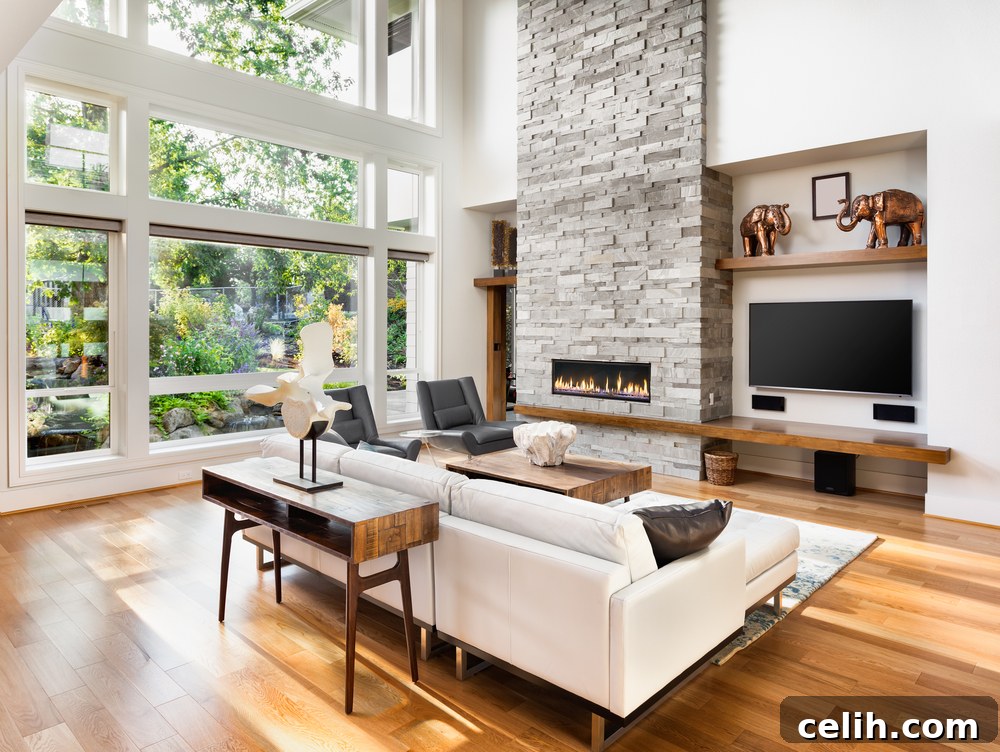
The aesthetic appeal and overall ambiance of any room are profoundly influenced by its interior elements. While wall colors are often the first consideration for setting a mood, the significance of flooring cannot be overstated. It acts as the literal foundation of your design, dictating the sense of space, warmth, and brightness. Beyond mere color, factors such as the material, laying pattern, and finish all contribute to the final impression. If you’re wondering how your wood flooring choice will impact your room’s brightness and overall feel, delve into the insights below to make an informed decision for your home.
Making the Decision: The Foundation of Your Home’s Style
Embarking on a flooring project can be an exhilarating yet daunting experience. The initial step involves making a crucial decision: selecting the solid wood flooring that best complements your home’s architecture, your personal style, and your lifestyle needs. It’s common to feel “spoilt for choice” given the vast array of options available today. The market offers an incredible diversity in colors, materials, species, and finishes, making the selection process a significant undertaking. When considering wooden flooring, a primary factor to weigh is the desired depth of color, as this choice directly influences the perceived brightness and atmosphere of the entire room.
To streamline this decision, begin by evaluating the room’s dimensions and the overall interior design style you envision. A smaller room, for instance, might benefit from lighter tones to create an illusion of spaciousness, while a grander space could embrace darker shades for a more dramatic and intimate feel. Solid wood flooring comes in an extensive palette, meaning what perfectly suits one individual’s taste and home might not be ideal for another. Bearing this personal preference and context in mind will be invaluable throughout your selection journey, ensuring that your investment perfectly aligns with your vision for a beautiful and functional living space.
The Spectrum of Light and Dark: Shaping Your Room’s Perception
When it comes to influencing a room’s visual perception, the color of your flooring plays a pivotal role. A fundamental principle in interior design is that lighter-colored flooring tends to make a room appear larger and more open, in contrast to darker flooring which can create a more confined or cozier atmosphere. This general rule serves as an excellent starting point for your decision-making process.
Light Wood Flooring: Expanding Your Space and Brightness
If the room in question is particularly small, or if it receives limited natural light, opting for a lighter wood floor can be a transformative choice. Light-colored woods, such as maple, ash, light oak, or birch, possess excellent light-reflecting properties. This reflectivity helps to bounce available light around the space, significantly enhancing its brightness and creating a more airy, expansive feel. Beyond mere visual enlargement, light floors contribute to a clean, fresh, and often contemporary aesthetic.
They are incredibly versatile, providing a neutral canvas that allows for greater freedom in choosing wall colors, furniture, and decorative accents. Homeowners seeking a minimalist, Scandinavian, or modern farmhouse style often gravitate towards lighter wood tones due to their ability to create an open and serene environment. Furthermore, light floors tend to show less dust and minor scratches, making them a practical choice for busy households. By choosing a lighter shade, you empower your room to feel more inviting, luminous, and spacious, achieving an effect that dark flooring simply cannot replicate in the same way.
Dark Wood Flooring: Infusing Warmth, Drama, and Sophistication
Conversely, if you’re working with a larger room and your goal is to cultivate a specific atmosphere—perhaps one of profound warmth, coziness, or dramatic elegance—then a darker wood floor might be the ideal selection. Dark wood species, including rich walnuts, mahoganies, deep oaks, or even ebony-stained woods, absorb light rather than reflecting it. This quality creates a sense of groundedness and intimacy, drawing the walls inward to make even the largest of rooms look and feel more contained and welcoming.
Dark wood is perfectly suited for those aiming to achieve a luxurious and sophisticated ambience. It provides a striking contrast against lighter walls, furniture, and decorative elements, allowing these pieces to truly stand out. Imagine plush, light-colored rugs or vibrant upholstered furniture against a deep, lustrous floor – the effect is undeniably chic and high-end. Dark grey or black flooring, in particular, makes a powerful statement, instantly evoking a sense of modern luxury and timeless elegance. This choice is often synonymous with refined interiors and a bold design sensibility.
A crucial tip for integrating very dark flooring effectively: it is best suited for particularly bright rooms that receive abundant natural light. To prevent the space from feeling overly heavy or somber, balance the dark floor with light-colored walls, bright designer accents, and ample lighting. This strategic contrast ensures the room retains its sophistication without sacrificing its inviting atmosphere. By embracing darker tones, you can craft an interior that exudes comfort, depth, and a bespoke sense of style, transforming your space into a luxurious sanctuary.
Beyond Color: Texture, Finish, and Laying Pattern
While color is paramount, the ultimate character and impact of your flooring extend far beyond its hue. The inherent qualities of the material, its surface finish, and even the way it’s laid can significantly alter a room’s aesthetic. Laminate flooring, parquet, or even engineered wood planks each offer unique visual and tactile experiences. Examine the intricate grain patterns, the subtle variations in hue within each plank, and the overall structure – these elements combine to tell a story and add depth to your space.
The surface finish, for example, can dramatically influence how light interacts with your floor. A high-gloss finish will reflect more light, amplifying the brightness and creating a more formal or polished look. Conversely, a matte or brushed finish absorbs more light, resulting in a softer, more natural appearance that can feel warm and rustic. Similarly, the treatment of the wood, such as distressing or hand-scraping, adds texture and character, contributing to a specific design narrative. Whether you opt for a sleek, modern look or a more aged, authentic feel, considering these nuanced aspects is crucial to achieving the desired outcome for your floor and, by extension, your entire home interior.
Harmony with Walls and Furnishings: A Cohesive Design
The beauty of wood flooring truly shines when it is harmoniously integrated with other elements of your interior design. The interplay between your floor and wall colors is fundamental to achieving a balanced and inviting space. For instance, light wood floors paired with pale wall colors will maximize brightness and create an expansive, seamless look. Alternatively, a darker wood floor can be beautifully complemented by crisp white or light gray walls, allowing the floor to ground the room while the walls keep it feeling fresh and open. This contrast can be incredibly impactful.
Furniture and decor choices also play a significant role. Lighter furniture against a dark wood floor creates dramatic contrast and highlights each piece, while darker furniture on a light floor can add depth without making the room feel heavy. The strategic placement of rugs can further define areas and introduce additional texture and color, bridging the gap between your flooring and other furnishings. Furthermore, the type and amount of natural and artificial lighting in a room will interact dynamically with your chosen floor. A well-lit room can make even dark wood appear vibrant, while a dimly lit space might make light flooring appear muted. Considering these interactions holistically ensures a cohesive and visually appealing design that maximizes your room’s potential.
Practical Considerations: Durability and Maintenance
Beyond aesthetics, the practical aspects of your wood flooring choice—such as durability and ease of maintenance—are vital for long-term satisfaction. Different wood species and finishes offer varying levels of resistance to wear, dents, and scratches. For instance, harder woods like oak or maple are generally more durable than softer woods like pine. The finish also plays a critical role in protecting the wood and determining its upkeep. A robust finish can extend the life of your floor and simplify cleaning, ensuring that your beautiful wood flooring continues to enhance your home’s brightness and appeal for many years to come.
Conclusion: Your Floor, Your Canvas
Ultimately, the choice of wood flooring is a powerful design tool that significantly impacts the brightness, perceived size, and overall atmosphere of a room. Whether you opt for the expansive serenity of light woods or the rich, inviting warmth of darker tones, understanding their individual characteristics and how they interact with other design elements is key. There’s no single “best” option; the ideal choice is deeply personal, influenced by the specific characteristics of your space, your lifestyle, and your desired aesthetic. By thoughtfully considering the color, material, finish, and laying pattern, you can select wood flooring that not only enhances your home’s beauty but also reflects your unique style, transforming your room into a true reflection of your vision and a space you’ll love for years to come.