
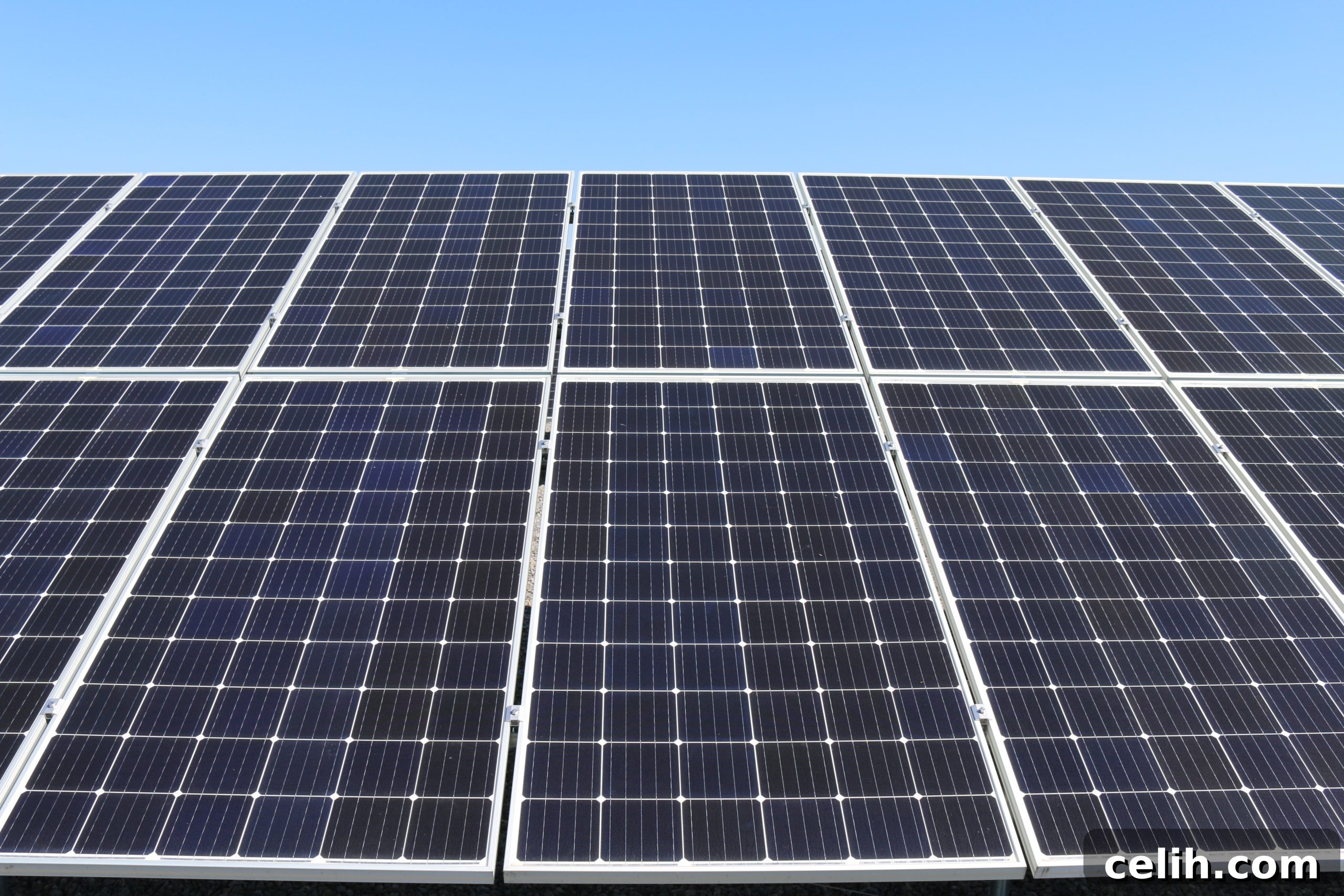
Texas, a state renowned for its vast landscapes and vibrant culture, is also a powerhouse of natural light. Ranking among the sunniest states in the U.S., Texas basks in an abundance of solar radiation, averaging an impressive 5,137 kJ/m². This generous exposure to sunlight, particularly in its arid western regions like Amarillo and El Paso where residents enjoy 3,300 to 3,750 hours of sunshine annually, makes it an ideal candidate for solar energy adoption. Even during the winter months, Texans often experience half a day of sunshine, underscoring the state’s immense solar potential. This continuous influx of solar energy not only contributes to the state’s well-known warmth but also fuels a growing interest among its residents to transition towards sustainable, green energy solutions. If you’re contemplating a move to harness this clean power, understanding the financial incentives available can make your journey to solar energy ownership significantly more affordable and appealing.
Understanding the Federal Solar Tax Credit (ITC)
One of the most significant incentives encouraging homeowners to embrace solar power nationwide, including in Texas, is the Federal Solar Tax Credit, officially known as the Investment Tax Credit (ITC). This powerful incentive allows you to claim a percentage of the cost of installing a solar energy system as a credit on your federal income taxes. Currently, eligible homeowners can expect a substantial 30% tax credit for their solar panel installation costs. This isn’t just a deduction; it’s a direct reduction in your tax liability, meaning if you owe $10,000 in federal taxes and qualify for a $4,500 ITC, your tax bill effectively drops to $5,500. This substantial saving directly impacts your overall investment, making solar energy dramatically more accessible and reducing the initial financial barrier. The beauty of the ITC is its direct impact on your out-of-pocket expenses. By effectively lowering the total cost of your solar system by nearly a third, it significantly shortens the payback period, allowing you to realize energy bill savings much sooner. While the exact amount of credit and specific deductions can vary based on individual financial circumstances and tax obligations, the core benefit remains universal: the ITC is a cornerstone incentive that makes solar power an economically sound decision for almost any homeowner considering the switch. It’s a critical factor in understanding why now is an excellent time to invest in solar energy for your Texas home.
Texas Solar Property Tax Exemption: Protecting Your Investment
Transitioning to solar power in Texas offers a multitude of benefits, from significantly minimizing your carbon footprint and reducing monthly electricity expenses to enhancing your home’s resilience during extended power outages or blackouts. These compelling advantages are often enough to motivate homeowners to adopt solar energy. However, Texas further sweetens the deal with a unique statewide incentive: the Solar Property Tax Exemption. This crucial benefit ensures that when you install solar panels on your home, the added value these panels bring to your property will not result in an increase in your property taxes. Typically, any home improvement that enhances property value could lead to higher property tax assessments. Solar panels, being a substantial and valuable upgrade, would naturally fall into this category. However, thanks to this specific exemption in Texas, homeowners can enjoy the full financial benefits of increased property value and reduced energy bills without the accompanying burden of higher annual property tax payments. This exemption removes a potential financial hurdle that might otherwise deter homeowners from investing in solar, making the decision to go green even more attractive and financially viable. It safeguards your investment, allowing you to reap the long-term rewards of solar ownership without unexpected additional costs.
Net Metering: Maximizing Your Solar Production in Texas
Your solar energy system, especially when optimally sized for your home and local conditions, has the potential to generate more electricity than your household consumes at certain times, particularly on exceptionally sunny days. The question then arises: what do you do with this surplus energy? While storing it in a solar battery for use during non-sunny days or adverse weather conditions is an excellent option, another powerful incentive, Net Metering, allows you to put that excess energy to work. Net metering is a billing mechanism that credits solar energy system owners for the electricity they add to the grid. When your solar panels produce more electricity than your home needs, that excess power is automatically sent back to your utility grid. If your utility company offers net metering, you’ll receive credits on your electricity bill for the power you contribute. These credits can then be used to offset the cost of electricity you draw from the grid at night or on cloudy days when your solar system isn’t producing enough power. While net metering is not universally mandated across all utility companies in Texas, many do offer these valuable programs, recognizing the benefit of distributed renewable energy. For eligible households, the installation of a smart power meter typically handles this process automatically, precisely measuring the electricity flow in both directions. Compensation rates and specific terms and conditions can vary significantly depending on your utility provider and local regulations, so it’s crucial to investigate the net metering policies applicable to your area. By staying informed about the latest developments and engaging with your local utility, you can fully capitalize on net metering, transforming your solar array into a more financially rewarding investment.
The Broader Benefits of Embracing Solar Energy in Texas
Beyond the direct financial incentives, the decision to go solar in Texas brings a wealth of additional benefits that extend far beyond immediate cost savings. Opting for cleaner energy sources is not merely a trend but a critical need of our time, driven by both environmental urgency and compelling economic advantages. By generating your own electricity from the sun, you gain a significant degree of energy independence, shielding your household from fluctuating utility rates and ever-increasing electricity costs. This financial predictability over decades is a powerful incentive for long-term planning. Environmentally, switching to solar dramatically reduces your household’s carbon footprint, contributing directly to a healthier planet by decreasing reliance on fossil fuels. This commitment to sustainability resonates with a growing number of Texans who prioritize eco-friendly living. Furthermore, a solar energy system can significantly increase the value of your home. Unlike many home improvements, solar adds a distinct, marketable asset. Coupled with the Texas Solar Property Tax Exemption, this means you can enjoy an enhanced property value without the burden of additional property taxes. For those concerned about grid reliability, especially given past challenges in Texas, integrating battery storage with your solar system provides an invaluable layer of security. During grid outages, your home can remain powered, offering peace of mind and essential comfort. Choosing solar is an investment in your financial future, the environment, and the resilience of your home, positioning you at the forefront of sustainable living in the Lone Star State.
Strategic Considerations for Your Texas Solar System
While the economic and environmental drivers for adopting solar energy are compelling, the ultimate success and return on investment of your solar venture hinge significantly on the choices you make regarding your solar system. Not all solar panels and components are created equal; some materials, though initially more expensive, offer superior efficiency and durability, translating to greater electricity generation and longer lifespans. For instance, investing in high-efficiency monocrystalline panels or advanced inverter technologies can yield more power output from a smaller footprint, making them ideal for homes with limited roof space or those aiming to maximize energy production. The good news is that incentives like the 30% Federal Solar Tax Credit can help offset the higher upfront cost of these premium systems, making them a more viable and attractive option. To illustrate, if a high-performance solar system costs approximately USD $15,000, the federal tax credit could provide an exemption worth USD $4,500, significantly reducing your net investment. Moreover, as previously discussed, you don’t need to worry about the increased value of your property due to these advanced solar panels inflating your property taxes, thanks to the state’s property tax exemption. Beyond the hardware, the integrity of your installation and the ongoing support are paramount. Partnering with a reputable and experienced solar company is crucial. A trustworthy installer will guide you through the entire process, from initial consultation and system design tailored to your specific energy needs and home characteristics, to navigating permits, ensuring seamless installation, and providing robust warranties for both equipment and workmanship. This partnership guarantees that you harness the full power of solar energy efficiently, safely, and hassle-free, transforming your home into a beacon of sustainable energy for years to come.
Taking the Next Step Towards a Brighter, Solar-Powered Texas Future
Texas, with its abundant sunshine and forward-thinking incentives, presents an unparalleled opportunity for homeowners to embrace solar energy. The combination of the generous 30% Federal Solar Tax Credit, the unique Texas Solar Property Tax Exemption, and the strategic advantages offered by net metering programs creates a powerful financial framework that makes solar adoption not just environmentally responsible, but also economically intelligent. These incentives collectively reduce the initial investment, protect your property value, and maximize your returns by crediting you for excess energy production. Beyond the immediate financial gains, transitioning to solar energy offers long-term benefits such as energy independence, protection against rising electricity costs, and a significant reduction in your carbon footprint, contributing to a sustainable future for everyone. Investing in solar in Texas is a decision that pays dividends for decades, enhancing your home’s value and providing consistent, clean power. If you’re ready to take advantage of Texas’s sun-drenched landscape and robust incentive programs, the time to act is now. Explore your options, understand the specifics of what’s available in your local area, and connect with reputable solar professionals. By partnering with the right solar company, you can confidently navigate the process, unlock the full potential of solar power, and contribute to a cleaner, brighter, and more sustainable energy future for the Lone Star State.