
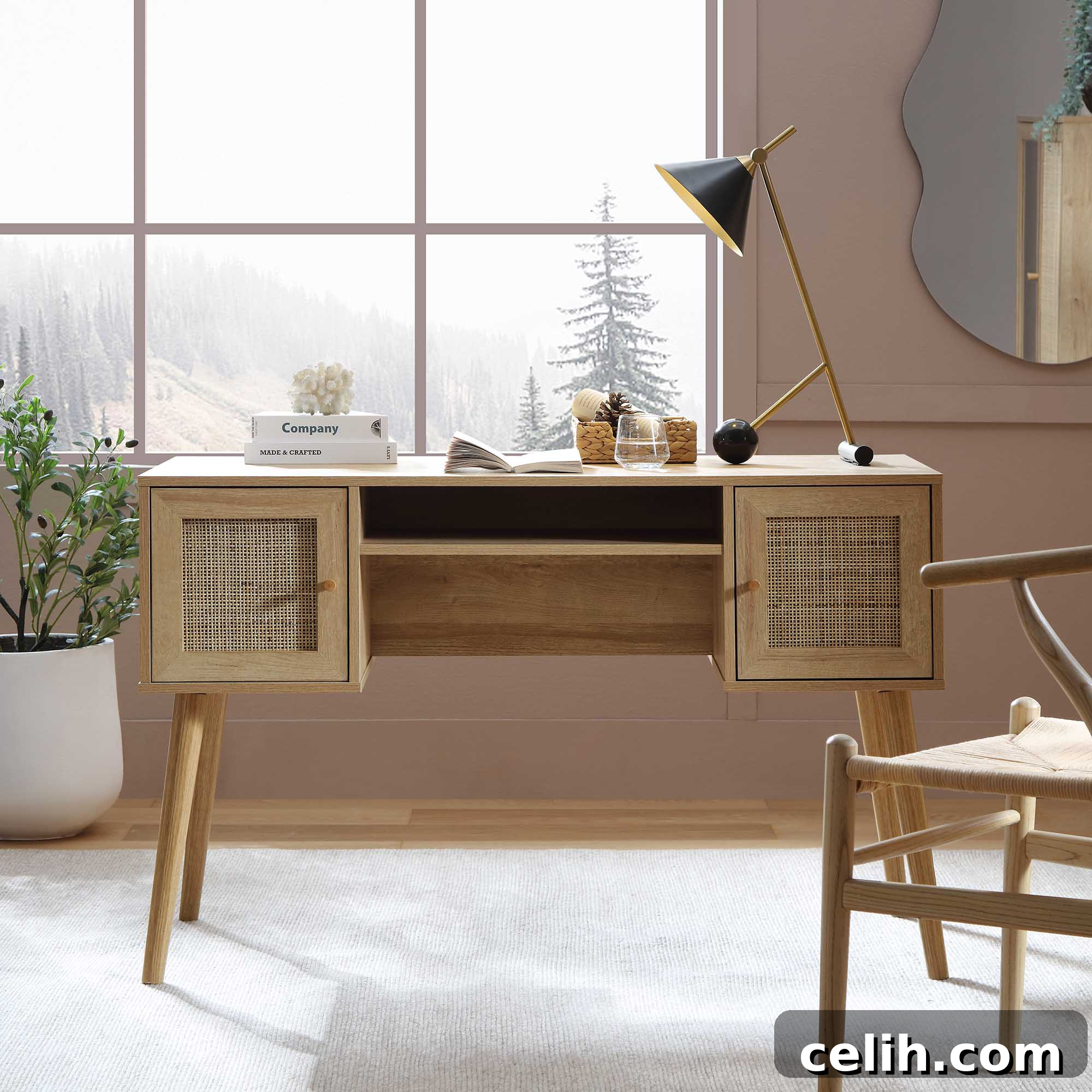
Designing Your Japandi Home Office: A Guide to Serene and Productive Workspaces
In today’s evolving professional landscape, the home office has become more than just a functional space; it’s a sanctuary for focus, creativity, and well-being. As countless individuals navigate the demands of remote work, the necessity for a workspace that genuinely supports concentration, minimizes visual distractions, and radiates a sense of calm has never been more paramount. It’s not merely about acquiring a desk and a comfortable chair; it’s about curating an environment that fosters productivity while feeling inherently restorative and pleasant to inhabit day after day.
Among the myriad interior design trends, the Japandi style continues to captivate with its unique blend of aesthetics and philosophy. This harmonious fusion of Japanese minimalism and Scandinavian functionality presents an especially compelling choice for home office design. By seamlessly marrying the practical warmth, inviting cosiness, and human-centric approach of Scandinavian interiors with the refined elegance, disciplined restraint, and mindful appreciation of Japanese design, Japandi creates spaces that are intrinsically balanced, purposefully intentional, and quietly sophisticated. It is a design philosophy that champions clarity over clutter, and a profound sense of calm over excessive ornamentation—qualities that are not just desirable but essential for cultivating a truly productive and inspiring working environment.
Unlike some stark minimalist aesthetics that can sometimes feel cold, uninviting, or overly sparse, Japandi embraces a comforting softness. This warmth is achieved through the thoughtful selection of natural materials, the strategic layering of gentle textures, and the application of a subdued, muted color palette. Envision the tactile appeal of pale woods, the soothing presence of warm neutrals, the elegance of simple, clean silhouettes, and the inclusion of carefully chosen pieces that each serve a distinct purpose. This “less but better” principle is at the heart of Japandi, encouraging you to be deliberate and mindful about every item you introduce into your workspace. This intentional curation aids in eliminating distractions, promoting clearer thought, and ultimately shaping a space that feels both welcoming and deeply personal.
A meticulously designed Japandi-style home office serves as a powerful catalyst for clearer thinking and streamlined workflows, all without adopting a corporate, sterile, or overtly styled atmosphere. Whether your dedicated workspace occupies a spare room, a tranquil corner within a larger living area, or a compact, purpose-built garden office, the foundational principles of Japandi can be flexibly adapted to perfectly suit your specific space, individual needs, and unique working style. If your ambition is to craft a Japandi office for remote work that effortlessly marries timeless beauty with essential function, delve into the following expert tips to master the serene and efficient Japandi aesthetic.
Why Japandi Style is the Perfect Choice for Home Office Decor
Japandi interior design truly emerged as a sophisticated fusion of Japanese and Scandinavian design philosophies. This powerful combination results in a harmonious blend of Japanese minimalism and the functional warmth inherent in Scandinavian principles, culminating in a well-balanced, inherently functional, and aesthetically pleasing decor style. It’s this unique synthesis that makes Japandi an exceptional choice for modern home offices.
At the core of Japandi design lies a profound focus on several key elements: expansive, light-filled spaces, crisp and clean lines, an abundant use of natural materials, a comforting palette of warm neutral colors, and an unwavering commitment to uncluttered decor. Each of these elements contributes significantly to fostering a healthy, productive, and calming workspace. While some individuals may thrive in a bustling, cluttered office, there is substantial evidence to suggest that a minimalist decor approach can dramatically enhance productivity and concentration by eliminating unnecessary visual noise and minimizing distractions. This focus on clarity translates directly into a more efficient and less stressful work experience.
The inherent simplicity and elegant restraint of Japanese design, when coupled with the warm, earthy hues and carefully selected materials characteristic of Scandi style, transform Japandi interiors into clean, uncluttered, and remarkably cosy spaces. The converging principles of these two distinct yet complementary styles blend seamlessly to create a harmonious environment of functionality and serenity. Imagine a home office where you genuinely look forward to starting your workday, a space that invites focus and peace. This is the promise of a Japandi home office – an enjoyable work environment where productivity and well-being coexist beautifully.
Mastering Japandi Style in Your Home Office Design
When embarking on the creation of a Japandi-style home office, your overarching focus should consistently revolve around calm functionality and a thoughtful, purposeful simplicity. Every single design decision, from the largest furniture piece to the smallest accessory, must serve a dual purpose: it should unequivocally support your work processes while simultaneously contributing to a space that feels settled, profoundly intentional, and genuinely comfortable to spend extended periods in.
Curating Japandi Furniture: Form Meets Function
Furniture in Japandi home office design is unequivocally defined by its clean lines, unwavering practicality, and an admirable sense of restraint. Rather than succumbing to the temptation of filling the room with an abundance of pieces, adopt the transformative “less but better” philosophy. This approach encourages you to select only the essential items you truly need—typically comprising a minimalist desk, an ergonomically comfortable chair, thoughtfully integrated storage solutions, and carefully chosen lighting fixtures. Keeping furniture to a strategic minimum not only helps the space feel open and refreshingly uncluttered but is particularly crucial in a working environment where sustained concentration and mental clarity are paramount. Where feasible, integrating wall-mounted shelves or floating storage units can significantly contribute to maintaining a lighter, more breathable feel throughout the room, offering a distinct advantage over bulky, floor-standing units.
Beyond mere quantity, quality is a non-negotiable aspect of Japandi design. These interiors place a strong and deserved emphasis on superior craftsmanship, enduring durability, and the innate beauty of natural materials. If your budget permits, view furniture as a long-term investment. Choose well-made pieces that are designed to age gracefully and beautifully over time, such as timeless Scandinavian-inspired designs or artisanal, handcrafted creations. Opting for fewer, higher-quality items not only perfectly aligns with the Japandi aesthetic but also embodies its deeper philosophy of intentional, conscious living.
- Natural Wood Finishes: To cultivate a visual harmony and cohesive aesthetic in your Japandi-inspired workspace, strive to maintain a consistent wood tone across all your furniture. Light woods and medium-colored woods such as oak, ash, or beech are particularly effective choices. Their inherent warmth and organic texture powerfully reinforce Japandi’s profound connection to the natural world.
- The Essential Desk: For your Japandi desk setup, select a minimalist desk characterized by clean, understated lines and a beautiful natural wood finish. This choice instantly introduces warmth, texture, and an organic feel to your workspace. A solid wood desk, whether featuring crisp straight edges or softly rounded corners, evokes a sense of timelessness and integrates seamlessly into any Japandi-style environment.
- Supportive Seating: A comfortable and ergonomically sound chair is not just a luxury but an absolute essential for both your physical well-being and sustained productivity. Seek out office chairs that masterfully combine minimalist design with superior ergonomic support. Excellent options include light wood chairs paired with natural fabrics like linen or soft, earthy-toned leather, offering both style and comfort.
- Intelligent Storage Solutions: Clutter is the antithesis of the calm balance that Japandi interiors meticulously cultivate. Therefore, smart, inconspicuous storage is absolutely critical. Prioritize closed cabinets, sleek low bookcases, or simple, well-integrated shelving that empowers you to keep all surfaces immaculately clear. Natural wood shelving or crisp white cabinetry are particularly effective choices, as they allow storage to subtly recede into the background rather than dominate the visual space.
By making purposeful, restrained, and quality-driven furniture choices crafted from organic materials, you can effortlessly create a Japandi home office that feels inherently calm, supremely functional, and harmoniously balanced.
Embrace an Abundance of Natural Materials
The extensive and thoughtful use of natural materials and fibers is an absolutely fundamental pillar for successful Japandi home office designs. The inherent, unique grain of wood, visible in furniture, shelving, and decorative elements, introduces an invaluable organic quality that grounds the entire space. Both traditional Japanese and modern Scandinavian designs strongly favor lighter wood tones such as pine, oak, and ash, which contribute to the bright, airy feel characteristic of the style.
When selecting items for your Japandi office, actively seek out furniture, accessories, and decor crafted from sustainable materials and featuring inviting warm textures. Excellent choices include natural wood, resilient bamboo, versatile rattan, eco-friendly hemp, or innovative cork. These materials are not only more environmentally conscious but also succeed in bringing an essential touch of nature into what can often feel like an artificial or sterile working environment. Crucially, they are far more appropriate for a Japandi office space than pieces made from synthetic materials, greatly enhancing the timeless design style for which Japandi is celebrated.
Simple wooden furniture, such as a well-crafted wooden desk, forms the ideal foundation for a contemporary Japandi office. You can further enrich the decor and inject personal style by layering a woven rug or a durable jute rug underfoot, installing a functional yet aesthetically pleasing cork noticeboard on a wall, and opting for curtains or blinds meticulously crafted from hand-woven cotton or natural linen. These elements, while practical, also serve to deepen the organic texture and visual warmth of the space.
Thoughtful Color Application in Your Japandi Home Office
Do not be misled into thinking that a core principle of a Japandi home office necessitates a completely neutral color palette entirely devoid of vibrant hues – quite the contrary! While serene neutral tones and light colors typically form the foundational base of Japanese-style office design, the strategic inclusion of warm earth tones, soft grays, inviting warm grays, and subtly muted shades is absolutely perfect for infusing the room with an essential sense of warmth, depth, and cosiness. This thoughtful application of color helps interior designers masterfully create a truly serene and inspiring environment. Ideal colors to consider for these accents include rich earthy shades of sandstone, versatile taupe, or gentle soft gray, as well as calming muted blues, sophisticated greens, or even a delicate touch of understated pink.
These carefully selected soft and neutral color palettes resonate deeply with Japanese simplicity and play a crucial role in cultivating a calm, focused, and inspiring place to work. You have ample opportunity to introduce additional color into your Japandi color scheme and overall workspace design through various elements: consider a feature wall painted in a muted tone, a textured wallpaper, carefully chosen accessories, or plush soft furnishings. The key is balance and subtlety.
Here are some fundamental interior design principles to guide you in constructing a harmonious color scheme for your Japandi style home office:
- Start with a Neutral Foundation: Begin by selecting a serene neutral base for your walls, such as crisp white, calming beige, or a sophisticated soft gray. These foundational colors serve as a pristine blank canvas, allowing the natural elements and textures within the room to truly shine and be appreciated.
- Introduce Grounding Earthy Tones: Add meaningful depth and visual interest to your palette with carefully chosen accents in earthy colors. Think rich terracotta, tranquil muted greens, or elegant charcoal. Incorporate these shades through soft furnishings, understated decorative items, or even a subtle feature wall to bring a strong, grounded, and organic feel to the space.
- Minimal Yet Impactful Accent Colors: While Japandi spaces primarily lean towards a neutral aesthetic, a few carefully selected accent colors can provide a beautiful “pop” without overwhelming the room. Consider deep, tranquil blues, rich forest greens, or warm ochre tones. These can be introduced through a piece of artwork, a throw pillow, or a small decorative object, adding subtle visual interest and personality.
If you find yourself uncertain about which color palette would best suit your specific needs and preferences, consider exploring curated Japandi paint color palettes. For instance, the well-regarded palette created by Suleyman, an architect who masterfully runs the ColorConcept store on Etsy, offers an excellent starting point for inspiration and guidance.
Maximizing Natural Light and Thoughtful Illumination
Lighting is a pivotal element that profoundly shapes both the mood and the functional efficiency of a Japandi-style home office. It is always immensely beneficial to maximize natural light wherever possible, not least because ample daylight intrinsically supports overall well-being, aids in regulating your body’s circadian rhythm, and has been consistently shown to enhance focus and productivity. If your space allows, strategically position your desk close to a window, enabling you to work in harmony with natural daylight rather than against it. Both traditional Japanese home office ideas and progressive Scandinavian design philosophies place a strong, almost reverential, emphasis on connecting with the natural world, making the free flow of daylight into your workspace entirely consistent with the core principles of the Japandi approach.
Be acutely mindful of how natural light enters and moves through the room throughout the day. Sheer curtains, elegant linen blinds, or subtle light-filtering screens can effectively soften potentially harsh direct sunlight without completely blocking its beneficial presence. This approach helps significantly reduce glare on computer screens while simultaneously preserving a bright, airy, and inviting feel within the space. Conversely, it is advisable to avoid heavy, opaque window treatments that absorb light or create an enclosed, confined atmosphere, as Japandi interiors thrive on a sense of openness, visual ease, and expansive calm.
When it comes to artificial lighting, the principle of layering is paramount. Incorporate simple, functional desk lamps and dedicated task lighting to provide sufficient illumination for focused work, ensuring they never feel harsh, clinical, or overly bright. Opt for lamps fitted with soft, warm bulbs to cultivate a calm, inviting glow that strikes an ideal balance between enhancing productivity and promoting comfort. Floor and table lamps featuring shades crafted from delicate rice paper, natural fabric, or linen are particularly well-suited to the interior style of Japandi spaces. They masterfully diffuse light gently, creating a soft ambience, and introduce subtle yet appealing textural elements. A thoughtfully placed standing lamp in a darker corner can remarkably lift the overall atmosphere of the room, preventing it from feeling flat or cast in shadow.
Overhead lighting in a Japandi office should always feel simple, considered, and understated, rather than dominant or imposing. Minimalist pendant lights characterized by organic shapes – such as gracefully rounded, oval, or softly sculptural forms – can add a modern yet subtle focal point without demanding excessive attention. Materials like warm wood, natural bamboo, tactile ceramic, or sophisticated matte metal help to maintain a natural, grounded feel, actively avoiding anything overly glossy, industrial, or distracting. Dimmable fittings are an especially valuable asset in a home office, offering the flexibility to adjust light levels throughout the day and smoothly transition from periods of intense focus to a more relaxed, ambient evening atmosphere. Ultimately, superior Japandi lighting is about achieving a delicate balance: bright enough to work comfortably and efficiently, soft enough to evoke profound calm, and always meticulously designed to enhance the inherent sense of harmony within the space rather than compete for visual attention.
Integrate Natural Greenery with Purposeful Plants
Much like other celebrated interior styles and the overarching philosophy of biophilic design, a Japandi home office will always profoundly benefit from the thoughtful addition of indoor plants. The organic textures and vibrant, natural colors of lush leaves instantly introduce a refreshing splash of life and an invaluable sense of nature and tranquility directly into your workplace. Plants are not just decorative; they are living elements that contribute to a healthier, more inspiring environment.
Crucially, resist the urge to overcrowd your workspace with an excessive number of plants. Instead, practice the Japandi principle of “less is more” by placing one or two carefully selected small plants on your desk, or a single larger specimen in a strategic corner of the room. This approach helps to create a visually balanced, airy, and uncluttered feel, which is essential for maintaining focus and calm. Choose plants for your workspace that will sit neatly on a desk, perch gracefully on a windowsill, reside elegantly on a shelf, or fit perfectly atop a storage cupboard, or, as mentioned, in a floor pot in a corner. If you are positioning a plant on an upper shelf, consider a variety that trails or hangs down slightly over the edge; this can create an appealing focal point and add dynamic visual interest.
The fundamental key to effectively integrating plants into a Japandi office style is to constantly remember the paramount importance of a clutter-free environment. Overdoing it with too many plants can quickly negate the minimalist aesthetic. Therefore, consciously choose minimalist plant varieties over big, bushy, or overly flamboyant options. Plants such as the resilient snake plant (Sansevieria), the sculptural monstera, or the serene bonsai tree align exceptionally well with Japandi aesthetics, largely due to their distinctive, architectural shapes and relatively minimal care requirements. Furthermore, always opt for neutral-toned planters crafted from natural materials like earthy clay, smooth ceramic, or warm terracotta. Steer clear of overly decorative or brightly colored pots, as simplicity and understated elegance are the cornerstones of Japandi decor.
Emphasize Purposeful and Minimal Accessories
Japandi decor inherently leans towards a profound sense of minimalism, dictating that every single decorative item introduced into the space should possess a clear purpose or intrinsically evoke a feeling of peace and serenity. When it comes to strategically adding accessories and decor to your Japandi home office space, the aim should always be to choose a select few key decorative elements. This disciplined approach ensures the environment remains refreshingly clutter-free and visually harmonious. Opt for simple, elegant items such as a gracefully shaped ceramic vase, a small, thoughtfully carved stone sculpture, or a beautifully woven basket for discreet and natural storage. Each item should feel considered and intentional.
Adopt a working principle: only include items that genuinely aid or inspire your work and contribute to your comfort, and ruthlessly remove anything that doesn’t. It is a widely accepted adage that an uncluttered office environment often directly correlates with a clearer, more focused mind, a condition that is undoubtedly conducive to heightened productivity and reduced stress. Embrace this wisdom for your workspace.
Accessories within Japandi decor frequently feature a strong connection to nature or celebrate traditional craftsmanship. Consider adding an authentic Japanese-style tea set for contemplative breaks, a minimalist incense holder for moments of calm, or a beautifully crafted Scandinavian candle holder to introduce a touch of warmth and authenticity. These items, though small, contribute significantly to the overall aesthetic and philosophical depth of the Japandi style, making your office not just a place to work, but a space to thrive.
Thoughtful Artwork Selection for Inspiration and Focus
Elevate the walls of your study or office by adorning them with carefully chosen artwork that inspires and subtly enhances the space without ever overwhelming it. In a meticulously designed Japandi-style home office, wall art should act as a supportive element, fostering focus and a sense of calm rather than vying for attention. Envision your artwork as a quiet, contemplative backdrop to your working day—something that adds a nuanced depth and subtle character, all while allowing your mind to remain clear, settled, and undistracted.
Wall art commonly found in Japandi spaces and traditional Japanese interiors is typically abstract, gracefully understated, and muted in its color palette. This intentional restraint helps to powerfully reinforce the serene and tranquil atmosphere that is central to the style. Actively seek out prints and pieces that feature organic shapes, soft, flowing lines, inviting natural textures, or gentle tonal shifts. Examples that work beautifully and possess a timeless quality, transcending fleeting trends, include simple black-and-white photography, minimalist landscapes that evoke a sense of peace, or abstract forms directly inspired by the inherent beauty of nature.
The scale and precise placement of artwork are just as critical as the artwork itself. A single, larger piece can often feel far more intentional and inherently calming than a cluster of smaller, disparate frames, especially within a workspace where visual clarity and mental peace are paramount. If you do opt for multiple pieces, ensure they maintain a strong cohesion in both tone and style, and, crucially, allow each piece ample breathing room. This prevents the wall from feeling cluttered or visually chaotic, upholding the Japandi aesthetic of spaciousness.
When it comes to selecting frames, prioritize natural materials to echo Japandi’s balanced blend of warmth and simplicity. Excellent choices include light or mid-toned wood, natural bamboo, or sleek, slim matte black frames. Consciously avoid ornate detailing or high-gloss finishes, as these can easily disrupt the calm, understated aesthetic. Even the simple act of leaning a framed print on a shelf or sideboard, rather than formally hanging it, can impart a more relaxed, approachable feel that aligns perfectly with the Japandi approach to living and working.
Finally, always consider the profound emotional impact of the artwork you choose to display. Japandi design is deeply rooted in mindfulness, so artwork that evokes stillness, celebrates nature, or encourages quiet reflection can subtly yet powerfully influence how the space feels throughout your day. The ultimate goal is not to merely fill empty walls, but to thoughtfully select pieces that gently enhance the atmosphere, making your home office feel truly considered, deeply personal, and an effortless joy to work within.
Cultivating Balance and Harmonious Flow
The profound Japanese influence of balance and harmonious flow are absolutely essential components of Japandi decor. These principles are not just aesthetic; they are instrumental in making the entire room feel open, airy, and inherently conducive to sustained concentration and mental clarity. By consciously integrating balance and flow, your workspace transforms into a dynamic yet serene environment.
- Embrace Negative Space: Resist the urge to feel compelled to fill every single wall or surface. Negative space, often referred to as ‘Ma’ in Japanese aesthetics, is a vital and powerful part of Japandi decor. It allows each individual piece within the room to truly stand out, to be appreciated for its inherent beauty and purpose, and to collectively contribute to a peaceful, uncluttered atmosphere. This thoughtful emptiness is as important as the objects themselves.
- Create a Harmonious Layout: Meticulously arrange your furniture to facilitate a natural, unobstructed flow of movement throughout the room. Actively avoid cluttering pathways, ensuring that the entire arrangement feels balanced, intentional, and intuitively easy to navigate. A clear physical path often leads to clearer mental pathways.
- Blend Asymmetry and Symmetry: Japanese design frequently favors a dynamic asymmetry, celebrating natural imperfections and organic balance, while traditional Scandinavian design tends to be more symmetrical and structured. In your Japandi design approach, skillfully blend both philosophies. Strive to create an overall visual balance, but allow for subtle, interesting variations. For example, placing a larger, sculptural plant on one side of your desk and a minimalist task lamp on the other side creates a harmonious yet subtly asymmetrical composition that feels both natural and thoughtfully designed.
Sustaining the Japandi Aesthetic: Daily Practices for a Calm Workspace
A Japandi home office transcends the initial setup; it is fundamentally about the continuous maintenance of a clean, calm, and thoughtfully curated space over time. The enduring beauty and profound effectiveness of Japandi lie in how it feels to work within day after day. Consequently, small, consistent habits and mindful routines hold just as much significance as the initial furniture and decor choices. These ongoing practices are what truly solidify the serene and productive atmosphere.
Here are some practical, actionable ways to consistently keep your home office setup looking fresh, feeling harmonious, and powerfully supportive of focused work:
- Regular Decluttering: Make it a non-negotiable habit to keep all surfaces, particularly your Japandi office desk, immaculately clear and uncluttered. Visual calm plays an enormous and direct role in fostering mental clarity, making quick daily or weekly resets incredibly valuable. Take a brief moment at the beginning or end of each day to assess what resides on your desk and shelves. Ruthlessly remove anything that is not absolutely essential to your immediate work or overall well-being. Even a focused five minutes of tidying at the close of your workday can significantly help your workspace feel calmer, more inviting, and ready for productivity the very next morning.
- Mindful Storage Solutions: Actively utilize smart, integrated storage solutions such as drawers, closed cabinets, and strategically concealed storage units to keep paperwork, unruly cables, and everyday clutter neatly out of sight. Japandi storage should always feel intentional and purposeful rather than a mere hiding place for chaos. Therefore, prioritize choosing pieces crafted from natural materials like warm wood, sustainable bamboo, or tactile rattan. For items you frequently reach for, opt for understated, elegant storage solutions such as beautifully woven baskets, simple ceramic pots, or minimalist wooden trays that perfectly complement the Japandi palette without adding any visual noise or distraction.
- Quality Over Quantity: Remember that Japandi spaces are meticulously edited and thoughtfully curated, not simply filled. Make a conscious effort to keep only items that serve a clear, practical purpose or genuinely bring you joy and inspiration. This principle might translate into choosing one beautifully crafted pen holder instead of several novelty accessories, or thoughtfully displaying a single meaningful object rather than an array of multiple decorative pieces. Actively avoid adding anything purely for the sake of filling empty space, as this approach can very quickly disrupt the core Scandinavian functionality and the calm, balanced aesthetic that Japandi is renowned for.
- Consistent Materials and Tones: Maintaining the cohesive Japandi aesthetic also inherently means being mindful and deliberate about what new items you introduce into your space over time. Strive to consistently stick to neutral palettes and natural finishes when acquiring new stationery, tech accessories, or additional storage solutions. This unwavering consistency helps the entire space feel settled, harmonized, and inherently cohesive, rather than appearing pieced together haphazardly.
- Cultivate Gentle Routines: Finally, endeavor to treat the acts of tidying and resetting your workspace as an integral, cherished part of your daily working rhythm. Japandi design beautifully aligns with mindful habits and intentional living, so viewing maintenance not as a burdensome chore but as a calming, ritualistic practice can profoundly help your home office remain a space you genuinely enjoy spending time in, day after day.
Final Reflections on Your Japandi Home Office
Creating a Japandi-inspired home office is an endeavor that extends far beyond mere aesthetics; it is a conscious effort to cultivate an environment steeped in calm, clarity, and unwavering focus, harnessing the profound simplicity and efficiency inherent in Japanese design. By seamlessly blending the most compelling aspects of both Japanese and Scandinavian design philosophies, you gain the power to craft a work area that plays a truly crucial role in supporting your mental health and overall well-being—a space that effortlessly offers both serene tranquility and highly functional productivity.
With its comforting earthy tones, characteristic of Scandinavian warmth, intelligently diffused soft lighting, subtly engaging textures, and an abundant integration of natural elements, Japandi style home decor is exceptionally well-suited to a home office setting. It actively helps to create a calming, comforting, and deeply inspiring dedicated room in which to immerse yourself in your work. By thoughtfully applying the core principles of Japandi interior design styling to your office space, you possess the ability to curate the perfect, efficient, and aesthetically pleasing small office space in which to spend your productive working hours, ensuring every moment is imbued with purpose and peace.