
As the days grow shorter and the crisp autumn air signals the arrival of colder seasons, our thoughts inevitably turn to creating a warm and inviting sanctuary within our homes. There’s an undeniable allure to a flickering flame, a primal comfort that transforms any living space into a haven of warmth and relaxation. While traditional fireplaces have long been cherished for their ambiance, the modern market now offers an astonishing array of heating solutions, particularly when it comes to stoves. Gone are the days of limited choices; today, homeowners can explore everything from rustic wood burners to sleek, contemporary electric models, each designed to complement diverse decors and lifestyles. This comprehensive guide will navigate the fascinating world of home heating stoves, exploring the unique characteristics, benefits, and considerations for each type, helping you make an informed decision to elevate your home’s comfort and style.
The Timeless Charm of Solid Fuel Stoves: Wood Burners and Multi-Fuel Options
For many, nothing compares to the authentic experience of a ‘real’ fire – the crackle of burning wood, the earthy scent, and the radiant heat it produces. Solid fuel stoves embody this traditional charm, offering both aesthetic appeal and robust heating capabilities. These stoves are not just functional appliances; they often become the natural focal point of a room, around which cherished memories are made.
Embracing Nature: Wood Burning Stoves
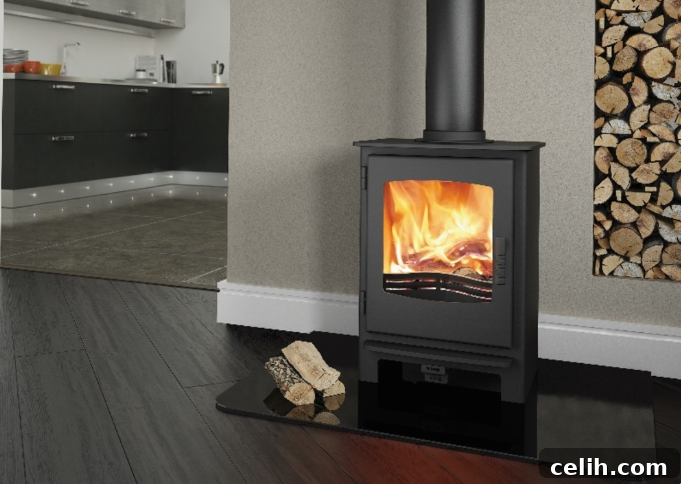
Wood burning stoves, often referred to as log burners, are specifically engineered to efficiently burn seasoned logs. Their design typically includes a robust firebox and a solid base, which allows for the accumulation of an insulating bed of ash. This ash bed is crucial for maintaining high internal temperatures, ensuring that wood combusts more completely and efficiently, extracting maximum heat from each log. Modern wood burners are also designed with advanced airflow systems to control combustion, reducing emissions and maximizing fuel economy.
The primary appeal of a log burner lies in its connection to nature and the rustic charm it brings to a home. However, owning one comes with practical considerations. Fuel storage is paramount; logs need to be kept dry and seasoned for optimal burning and to prevent excessive smoke. This often requires a dedicated, well-ventilated space like a log store or shed, which can take up a considerable amount of room. For those with limited space, wood pellet stoves offer an interesting alternative. These stoves burn specially prepared, compressed wood pellets, which are more compact to store and offer a consistent, highly efficient burn. However, pellet stoves typically require an electricity supply to operate their automatic feeding and fan systems, which can impact their cost-effectiveness and reliance on the grid.
When investing in a wood burner, prices can vary significantly based on brand, heat output, design, and efficiency ratings. It is always prudent to shop around, compare models, and look for reputable suppliers offering discount wood stoves that meet your budget and aesthetic preferences. Remember to factor in installation costs, including the necessity of a proper flue system and compliance with local building regulations, as professional installation is key for safety and efficiency.
Versatility and Power: Multi-Fuel Stoves
Multi-fuel stoves represent a highly versatile heating option, designed to burn a broader range of solid fuels beyond just wood. The key difference from a dedicated wood burner is the inclusion of a grate and an ash pan at the base of the firebox. This grate allows air to circulate effectively from underneath the fuel, which is essential for the efficient combustion of fuels like coal and smokeless briquettes. While multi-fuel stoves can burn wood, their design truly shines when burning solid mineral fuels, offering greater flexibility and choice for homeowners.
The main advantage of a multi-fuel stove is its adaptability. You aren’t solely reliant on a single fuel source, which can be beneficial if there are fluctuations in availability or price of wood. They can provide a more intense and prolonged heat output compared to wood alone, making them excellent primary heating sources in larger rooms or colder climates. Like wood burners, multi-fuel stoves require a robust flue system for safe and effective operation. Regular maintenance, including emptying the ash pan and professional chimney sweeping, is essential to ensure longevity and prevent the buildup of dangerous creosote. Selecting the right multi-fuel stove involves considering its heat output (measured in kW), its efficiency rating, and its overall design to ensure it seamlessly integrates with your home’s interior.
Modern Conveniences: Bioethanol, Gas, and Electric Stoves
For those who desire the warmth and visual appeal of a fire without the traditional demands of solid fuel, a new generation of stoves offers clean, convenient, and often strikingly modern alternatives. These options minimize maintenance, eliminate the need for chimneys, and provide instant ambiance.
Clean & Green Ambiance: Bioethanol Stoves
Bioethanol stoves represent a category of their own, operating on a clean-burning liquid fuel derived from plant matter. Their main draw lies in their remarkable convenience and minimal environmental impact. Unlike solid fuel stoves, bioethanol fires produce virtually no ash, soot, or smoke, eliminating the need for a chimney or flue system. This ‘ventless’ design offers unprecedented flexibility in terms of placement, allowing these stylish units to be installed in virtually any room, from apartments to conservatories, without complex construction. The fuel burns with an impressive 98% efficiency, releasing primarily heat, water vapor, and a small amount of carbon dioxide, similar to the amount produced by two candles. This makes them an environmentally conscious choice for those seeking a sustainable and mess-free flame.
Bioethanol fuel is readily available, comparatively compact, and easy to store, further enhancing the user-friendly nature of these stoves. While they may not offer the intense heat output of a large wood burner, they provide a significant amount of supplementary heat, creating a warm and inviting atmosphere. Their designs range from elegant wall-mounted units and tabletop models to freestanding pillars, making them highly adaptable to various contemporary interior design schemes. Safety is paramount, so always use high-quality bioethanol fuel and follow manufacturer instructions for refilling and operation to enjoy their clean, beautiful flame responsibly.
Effortless Warmth: Gas Stoves
Gas stoves have evolved significantly, with many modern designs now almost indistinguishable from traditional solid fuel counterparts, complete with realistic log or coal effect fuel beds. Their primary advantage lies in unparalleled convenience and control. With the flick of a switch or a remote control, you can enjoy instant heat and a beautiful flame, eliminating the waiting time associated with lighting a solid fuel fire. This immediate warmth and precise temperature control make gas stoves a highly practical and efficient heating solution for busy households.
Installation flexibility is another key benefit. While some gas stoves can utilize a traditional external flue, many modern models offer the option of a ‘powered flue’ or ‘balanced flue’ system. A powered flue uses an electrically operated fan to expel combustion gases horizontally through an outside wall, removing the need for a vertical chimney. This opens up a world of possibilities for stove placement, allowing installation in rooms without existing chimneys or against internal walls, offering greater freedom in interior design. However, installing a gas stove can involve higher initial costs, particularly if a new mains gas supply needs to be connected or if bottled LPG is used, which can be more expensive per unit of energy. Despite the upfront investment, the long-term benefits of reliability, clean operation, and high efficiency make gas stoves a popular choice for modern homes. Professional installation by a Gas Safe registered engineer is mandatory for safety and compliance.
Ultimate Simplicity: Electric Stoves
For sheer simplicity and ease of use, electric stoves are unrivaled. There’s no need to contend with flues, chimneys, or fuel storage – all that’s required is a standard power socket. This ‘plug and play’ functionality makes them incredibly versatile and accessible. Electric stoves offer instant warmth, heating up quickly to provide a comforting ambient glow and supplemental heat. Many models also feature highly realistic flame effects that can be operated independently of the heating element, allowing you to enjoy the visual charm of a fire even on warmer evenings.
The portability of freestanding electric stoves is a major advantage; you can literally move them from room to room, adapting your heating solution to your immediate needs. While they typically don’t provide the same intense heat output as a large solid fuel or gas stove, they are exceptionally effective for warming smaller spaces or boosting the comfort of a larger room. Maintenance is practically non-existent, requiring only an occasional wipe down. Their initial purchase cost is often lower than other stove types, making them an economical entry point into the world of decorative and supplemental heating. Electric stoves are a fantastic option for renters, those without chimney access, or anyone seeking a hassle-free, aesthetically pleasing heating appliance that adds instant coziness to any interior.
Choosing Your Ideal Home Heating Stove: A Concluding Perspective
The journey to find the perfect home heating stove is an exciting one, with an abundance of options designed to cater to every preference, budget, and architectural style. Whether you yearn for the authentic, robust heat and crackling sounds of a traditional wood-burning stove, the versatile efficiency of a multi-fuel burner, the clean and contemporary ambiance of a bioethanol fire, the instant control of a gas stove, or the ultimate simplicity and portability of an electric model, there is a heating solution waiting to transform your living space. Consider factors such as your home’s existing infrastructure, your preferred level of maintenance, fuel accessibility, overall heating requirements, and of course, your personal aesthetic. Each type offers distinct benefits, contributing not only to your home’s warmth but also to its character and charm. By carefully weighing these considerations, you can select a stove that will undoubtedly become a cherished focal point, enhancing comfort, style, and perhaps even making you look forward to those colder days a little more.