
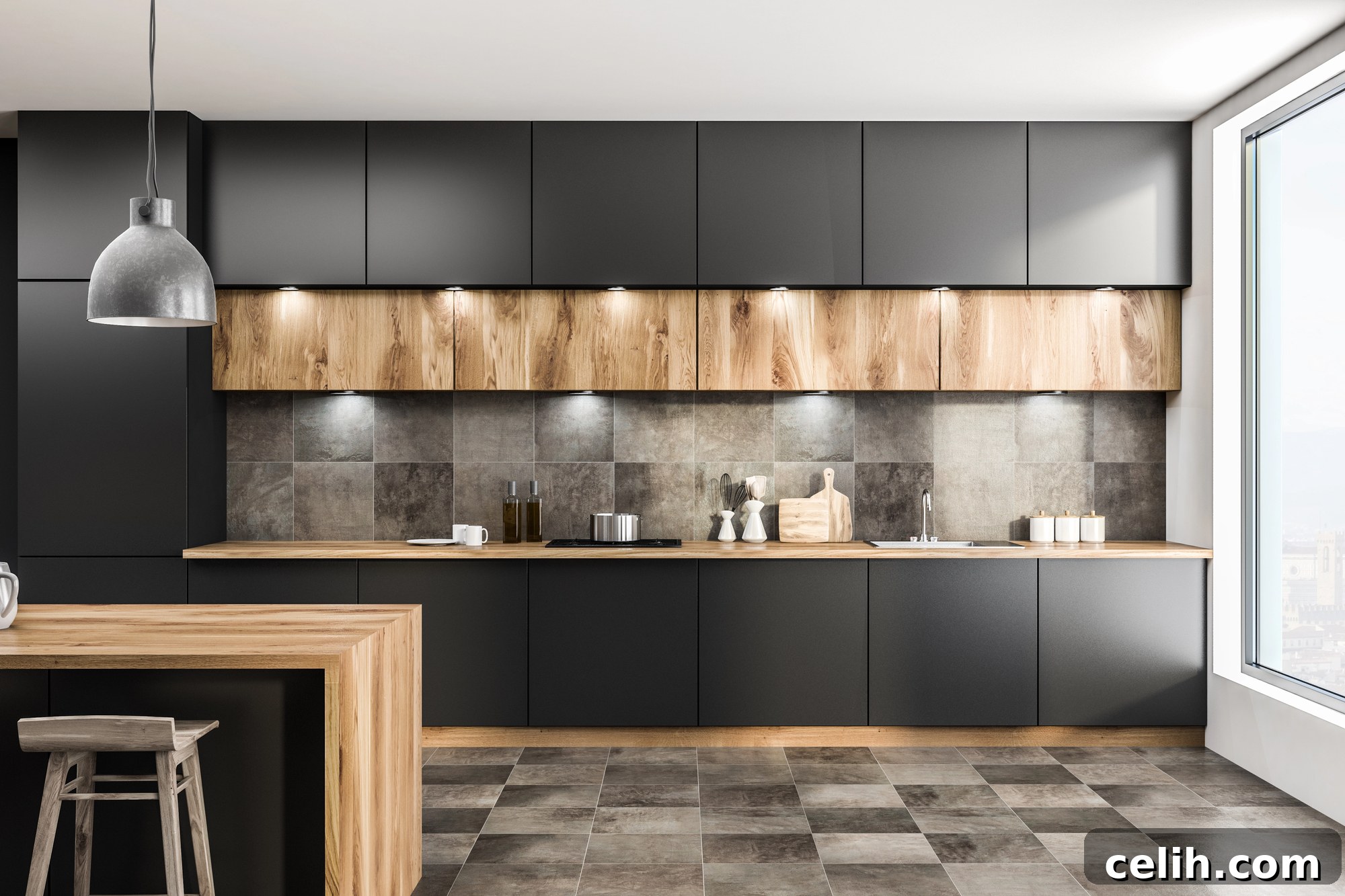
The kitchen, often considered the heart of the home, is where culinary creativity meets family gatherings. While countless elements contribute to its overall charm and functionality, kitchen cabinets are undoubtedly the most prominent feature. They dictate the kitchen’s aesthetic, influence its layout, and seamlessly tie together the entire design theme. Far from being mere storage units, cabinets are central to both the visual appeal and the practical flow of your kitchen space.
Choosing the right cabinets involves more than just selecting a color; it’s about understanding the intricate balance between style, construction, and functionality. The perfect cabinet choice will not only reflect your personal taste but also complement your kitchen’s unique layout and enhance its overall theme, transforming it into a space that is both beautiful and highly efficient.
This comprehensive guide delves into the diverse world of kitchen cabinets, exploring various styles according to their construction, popular door designs, and innovative specialty options. Our aim is to equip you with the knowledge needed to make an informed decision, ensuring your kitchen cabinets are a perfect fit for your home and lifestyle.
Exploring Your Kitchen Cabinet Options
The vast array of custom cabinetry for kitchens can often feel overwhelming. From material choices to finishes and hardware, each decision plays a crucial role in the final look and feel of your culinary space. To simplify this journey, we’ve categorized kitchen cabinets into three distinct yet interconnected groups: styles based on their construction, the most popular cabinet door designs, and specialized solutions designed to enhance storage and accessibility. Each category, alongside insights from a cabinet door buying guide, will help you meticulously narrow down your choices, aligning them with your specific needs, aesthetic preferences, and budget.
Kitchen Cabinet Styles According To Construction
The fundamental construction method of your kitchen cabinets significantly impacts their appearance, functionality, and even their cost. This foundational aspect of cabinet design is crucial for homeowners to understand. There are two primary types of kitchen cabinets under this category, each offering distinct advantages and aesthetic appeals:
- Frameless Cabinets
Also widely known as European-style cabinets, frameless cabinets are characterized by their sleek, contemporary design. As the name suggests, they are built without a face frame on the front of the cabinet box. Instead, the doors attach directly to the cabinet box, resulting in a clean, minimalist look with tight reveals between door and drawer fronts. This construction style is particularly favored in modern and contemporary kitchens, where uncluttered lines and a seamless appearance are highly valued.
Beyond aesthetics, the absence of a face frame offers practical benefits. Homeowners can maximize storage space, utilizing every inch of the cabinet interior without the obstruction of a frame. This full access allows for easier storage and retrieval of kitchen essentials, creating a more efficient and spacious storage solution, especially beneficial in smaller kitchens or for those who prioritize expansive interior capacity. Frameless cabinets often feature full-overlay doors, where the door covers almost the entire cabinet opening, further contributing to their sleek, seamless appearance.
- Framed Cabinets
In contrast to their frameless counterparts, framed cabinets are built with a robust front frame that surrounds the cabinet box opening. This frame, typically made of solid wood, serves multiple purposes. It provides additional structural support, making the cabinets incredibly sturdy and durable. Historically, framed cabinetry has been the traditional standard in American homes, lending itself to a timeless and classic aesthetic.
Framed cabinets are a common and enduring choice in traditional kitchen designs, farmhouse styles, and transitional spaces. Their sturdy build and classic appeal seamlessly complement other traditional elements such as crown molding, decorative hardware, and detailed finishes. The frame also provides a solid foundation for attaching hinges and drawer glides, often allowing for more versatile overlay options like partial overlay or inset doors, each adding a unique character to the kitchen’s design. While the frame slightly reduces the interior opening width compared to frameless cabinets, it offers a distinct aesthetic and robust construction that many homeowners prefer for its enduring charm.
Before finalizing your choice between frameless and framed cabinets, it’s highly recommended to review kitchen cabinet installation guidelines to understand the practical implications and ensure the best fit for your kitchen’s dimensions and structural requirements.
Most Popular Kitchen Cabinet Style by Door Type
Once you’ve considered the construction method, the next critical decision involves the style of your cabinet doors. The door style is perhaps the most visible aspect of your cabinetry and plays a pivotal role in defining your kitchen’s overall aesthetic. Among the multitude of options, these remain consistently popular for their versatility and distinct appeal:
- Shaker Style Cabinets
- Raised-Panel Cabinets
- Flat-Panel (Slab) Cabinets
- Recessed Panel Cabinets
- Mullion and Glass-Front Cabinets
Shaker-style cabinets are celebrated for their timeless simplicity and remarkable versatility. They feature a five-piece door with a flat recessed center panel and a raised frame, creating a clean, understated aesthetic. This straightforward design allows Shaker cabinets to blend seamlessly into a wide range of kitchen decors, from rustic farmhouse and traditional settings to sleek modern and transitional designs. They are often crafted from natural woods like maple, cherry, or oak, and can be painted in virtually any color, making them adaptable to evolving design trends. Their enduring popularity stems from their ability to offer a sophisticated look without being overly ornate, providing a perfect canvas for various hardware choices and finishes.
Characterized by their prominent raised center panel, raised-panel cabinets exude a sense of classic elegance and intricate detail. The raised panel creates a three-dimensional effect, adding significant depth and texture to kitchen cabinetry. This style often incorporates decorative edges and profiles, enhancing its traditional charm. Ideal for traditional, colonial, or ornate classic kitchens, raised-panel doors beautifully complement detailed architectural elements, rich wood tones, and decorative hardware. They contribute to a luxurious and established feel, making them a superb choice for homeowners aiming for a grand and timeless kitchen aesthetic. Different profiles, such as cathedral arch or square raised panels, offer subtle variations within this sophisticated style.
Flat-panel cabinets, often referred to as slab cabinets, embody the essence of minimalism. They feature a sleek, completely flat surface without any raised or recessed details, offering an incredibly clean and streamlined look. This absence of embellishment is precisely what makes them a favorite in modern, contemporary, and minimalist kitchen designs. Their smooth, uninterrupted lines contribute to a polished and uncluttered aesthetic, creating a sense of spaciousness and sophistication. Flat-panel doors are often made from diverse materials, including laminates, thermofoil, painted MDF, or wood veneers, allowing for a vast range of finishes and colors. They are an excellent choice for those who desire a sleek, high-tech, or industrial-inspired kitchen, where simplicity and functionality are paramount.
Similar in concept to Shaker, recessed panel cabinets also feature a flat, recessed center panel but often boast more decorative profiles or slightly wider stiles and rails than a typical Shaker door. This gives them a slightly more ornate or formal appearance while retaining much of the Shaker’s clean lines. They offer a middle ground between the stark simplicity of flat-panel and the intricate detail of raised-panel, making them highly versatile for transitional kitchen designs. Recessed panel doors can fit well in both modern farmhouse and classically inspired spaces, providing depth without overwhelming visual complexity.
While glass-front cabinets are also considered a specialty type, the incorporation of glass panels into the door itself is a distinct style element. Mullion cabinets further refine this by adding decorative grilles or dividers (mullions) within the glass panel. These doors are perfect for displaying cherished dishware, glassware, or decorative items, adding visual interest and creating an open, airy feel in the kitchen. They can be found in various styles, from traditional with intricate mullion patterns to modern with simple, clear glass. The type of glass—clear, frosted, seeded, reeded—can dramatically alter the cabinet’s appearance and the level of visibility inside.
Specialty Cabinets: Enhancing Functionality and Accessibility
Beyond standard base and wall cabinets, specialty cabinets are ingeniously designed to optimize specific spaces and enhance the ergonomic efficiency of your kitchen. These innovative solutions go beyond simple storage, offering features that improve accessibility, organize items, and cater to unique needs. Here are some of the most popular and impactful examples:
- Corner Cabinets
- Lazy Susans: These rotating shelves, typically circular or D-shaped, are installed inside corner cabinets, allowing easy access to items stored deep within. They are perfect for spices, small appliances, or cookware, bringing contents to you with a simple spin. Available in various materials and tiers, Lazy Susans are a classic solution for corner efficiency.
- Blind Corner Cabinets: Designed for corners where one cabinet run extends beyond the other, creating a “blind” or inaccessible area. These often feature specialized pull-out mechanisms, such as kidney-shaped shelves or magic corner units, that slide out and pivot to bring hidden items within easy reach. They are excellent for storing larger pots, pans, or seldom-used appliances, maximizing otherwise lost space.
- Diagonal Corner Cabinets: These cabinets offer a larger opening and more continuous storage than a blind corner, often seen in upper cabinet runs. They provide a deeper storage area that can be fitted with standard shelves or even small Lazy Susans, creating a more visually integrated corner.
- Glass-Front Cabinets
- Pantry Cabinets
- Pull-Out Pantries: These full-height units feature shelves that slide entirely out of the cabinet, providing complete visibility and easy access to every item, even those at the very back. They are incredibly efficient for organizing groceries, spices, and small appliances.
- Fixed-Shelf Pantries: More traditional, these offer deep, sturdy shelves for bulk items, canned goods, and appliances. Some designs include door-mounted racks for extra storage of smaller items.
- Base Cabinet Organizers
- Pull-Out Waste Bins: Discreetly hide unsightly trash and recycling bins, offering a clean and hygienic solution.
- Spice Racks & Drawer Inserts: Keep spices, oils, and cooking utensils neatly organized and easily accessible, either in dedicated pull-out racks or custom drawer inserts.
- Pot & Pan Drawers: Deep, wide drawers with sturdy glides are perfect for storing heavy pots, pans, and lids, preventing clanking and simplifying access.
- Divider Systems: Custom dividers within drawers or base cabinets help organize bakeware, cutting boards, and serving platters vertically.
- Appliance Garages
- Open Shelving
Corner cabinets are indispensable for transforming those notoriously awkward corner spaces into highly practical and accessible storage areas. Without thoughtful design, corners can become dead zones, but specialty corner solutions ensure every inch is utilized. Popular types include:
As mentioned previously in door styles, glass-front cabinets feature doors with glass panels, offering a beautiful and sophisticated way to display dishes, stemware, cookbooks, or decorative collectibles. Beyond their display capabilities, these cabinets add significant light and depth to your kitchen, making the space feel more open, airy, and expansive. The benefits include breaking up solid cabinet runs, adding a decorative element that can elevate the entire room’s design, and providing an opportunity to infuse personal style. With various glass types—clear for full visibility, frosted for diffused views, or textured for unique aesthetic appeal—glass-front cabinets work wonderfully in both traditional, modern, and transitional kitchen interiors, adding a touch of elegance and visual interest.
Dedicated pantry cabinets are essential for efficient food storage. They come in various configurations, from tall, narrow units that integrate seamlessly with your cabinetry to wide double-door versions. Key features often include:
These innovative solutions transform standard base cabinets into highly functional spaces:
An appliance garage is a specialty cabinet designed to conceal small countertop appliances like toasters, coffee makers, or blenders when not in use. Typically featuring a roll-up or pocket door, they keep your countertops clutter-free while ensuring appliances are readily available when needed. They blend seamlessly with your cabinetry for a streamlined look.
While not strictly a “cabinet,” open shelving is often integrated into kitchen designs alongside traditional cabinetry. It offers a minimalist, airy look, perfect for displaying decorative items, everyday dishes, or houseplants. Open shelves can break up the visual weight of upper cabinets and contribute to a more open, loft-like feel, often seen in modern, industrial, or farmhouse kitchens.
Choosing Your Perfect Kitchen Cabinets: Key Considerations
With such a vast array of options, making the right choice for your kitchen cabinets requires careful thought. Beyond personal style, several practical factors should guide your decision-making process:
- Budget: Cabinetry can account for a significant portion of your kitchen renovation budget. Framed cabinets are often more budget-friendly, while frameless, custom designs, and specialty features can increase costs. Always define your budget early and explore options within that range.
- Kitchen Layout: The configuration of your kitchen (U-shaped, L-shaped, galley, or with an island) will influence the types and sizes of cabinets you can incorporate. Corner cabinets are crucial for U and L-shaped kitchens, while pull-out pantries might be ideal for galley kitchens.
- Overall Kitchen Theme and Style: Ensure your cabinet choice aligns with your desired kitchen aesthetic. Flat-panel for modern, Shaker for transitional, raised-panel for traditional, and specialty glass fronts for an elegant touch. Consistency creates a cohesive and appealing space.
- Materials and Finishes: Cabinets come in various materials, including solid wood (durable, classic), MDF (versatile for paint), particleboard (cost-effective), and plywood (strong, stable). Finishes like paint, stain, or laminate also affect durability, maintenance, and appearance.
- Hardware: Don’t overlook the impact of hardware (knobs, pulls, hinges). It’s the jewelry of your cabinets and can significantly alter their look and feel, complementing or contrasting with the chosen door style.
- Maintenance and Durability: Consider how easy the cabinet style and finish will be to clean and maintain. Some finishes are more resistant to fingerprints and stains, which can be a significant factor in busy households.
Final Thoughts on Selecting Your Kitchen Cabinets
Selecting the right kitchen cabinets is a pivotal decision that impacts both the aesthetics and functionality of your home’s central hub. It involves a thoughtful understanding of various construction methods, popular door styles, and innovative specialty options designed to enhance usability and organization.
Frameless cabinets offer a sleek, modern appearance and maximized interior storage, ideal for contemporary spaces where clean lines are paramount. In contrast, framed cabinets provide a traditional, sturdy choice, lending themselves to classic and enduring kitchen designs. The choice of door style further refines the look: Shaker doors offer unparalleled versatility, raised-panel designs introduce timeless elegance and depth, and flat-panel (slab) options deliver a minimalist, polished aesthetic. Complementing these are specialty cabinets like innovative corner solutions (Lazy Susans, Blind Corners), expansive pantry units, and decorative glass-front designs, all adding both functionality and distinctive flair.
Taking the time to research, visualize, and carefully consider these diverse options will ensure that your chosen kitchen cabinets not only look stunning and integrate seamlessly with your overall design vision but also meet your practical storage needs and withstand the test of time, ultimately enhancing your daily life and the value of your home.