
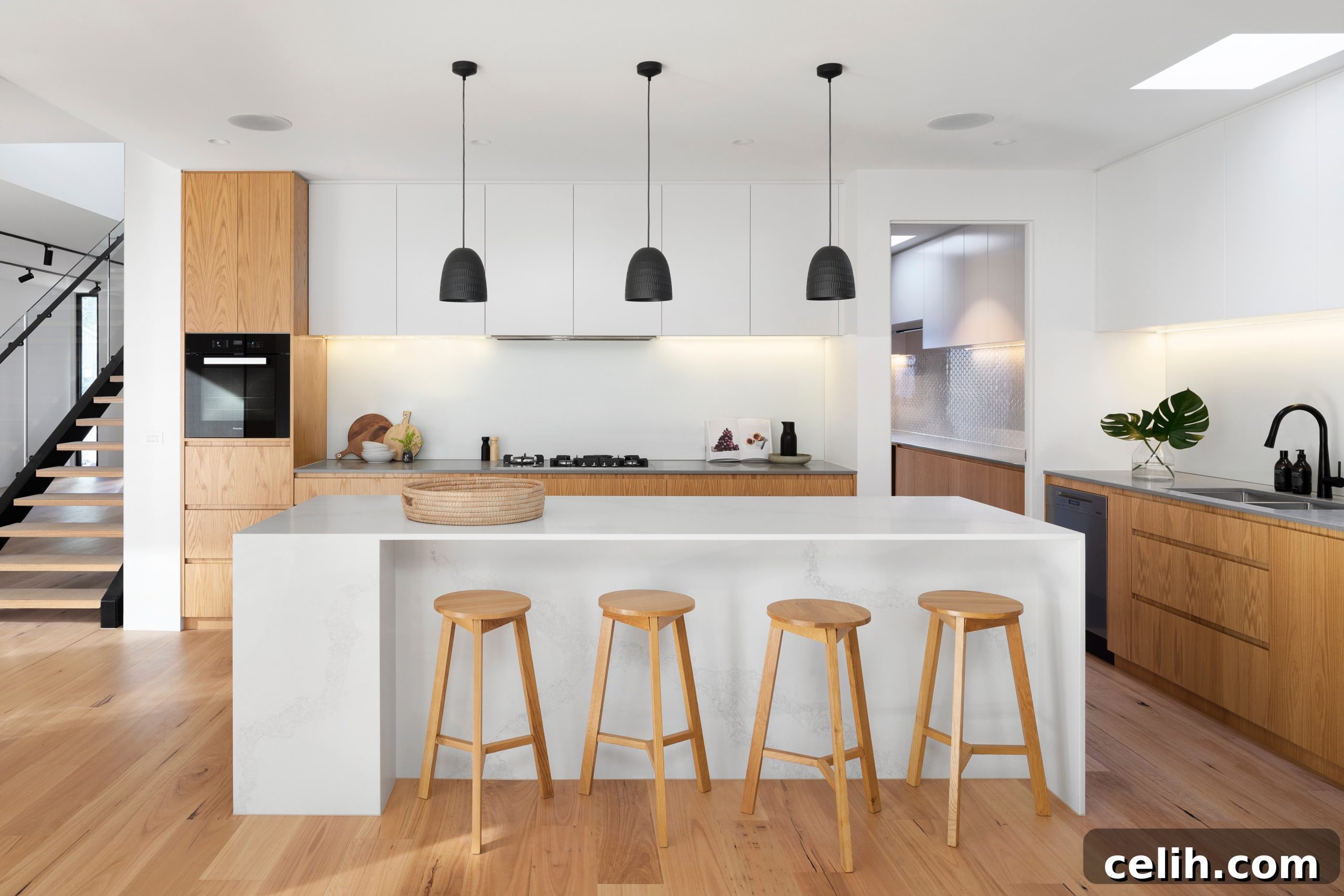
Embarking on a new kitchen project involves a myriad of exciting decisions, but few are as impactful and enduring as the choice of your kitchen worktops. More than just a functional surface, worktops define the aesthetic appeal of your kitchen, serving as a focal point that ties together design elements while enduring the daily rigors of cooking, cleaning, and entertaining. With an impressive array of materials available, each boasting unique characteristics, benefits, and drawbacks, selecting the perfect worktop can feel overwhelming. This comprehensive guide will navigate you through the most popular kitchen worktop options, offering insights into their properties, maintenance requirements, and suitability for various lifestyles and design preferences, ensuring you make an informed decision for the heart of your home.
Granite Worktops: Timeless Elegance and Unrivaled Durability
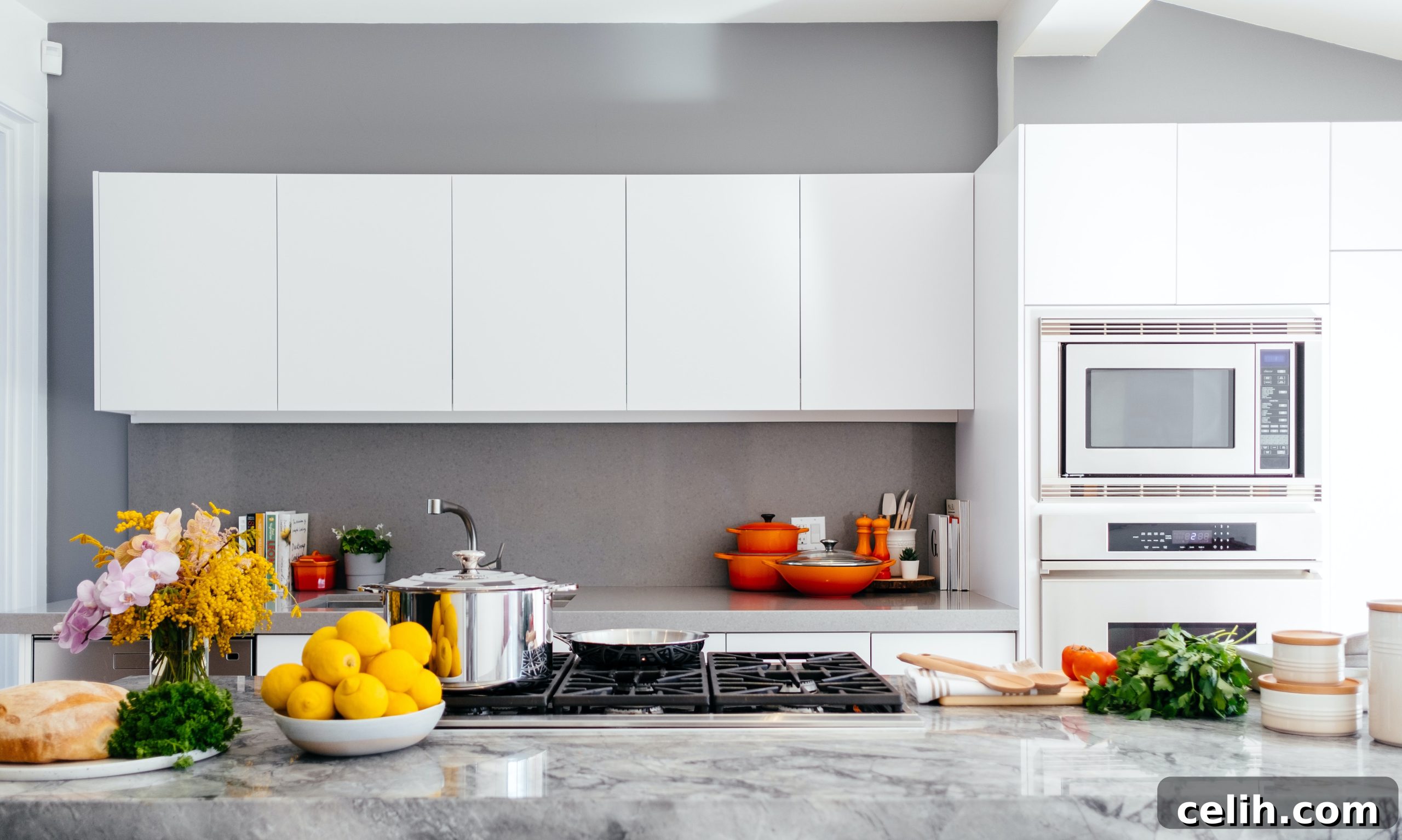
Granite worktops are a classic choice, revered for their natural beauty and exceptional resilience. Mined from the earth, each granite slab is a unique masterpiece, featuring distinctive patterns, specks, and veins that add an unparalleled touch of luxury and character to any kitchen design. As a solid, natural stone, granite boasts an impressive list of advantages that make it a top contender for kitchen surfaces.
The primary appeal of granite lies in its inherent durability. It is an incredibly hard material, making it highly resistant to scratches from daily use, though it’s always wise to use chopping boards. More impressively, granite can withstand very high temperatures, allowing you to place hot pans directly from the oven or hob onto its surface without fear of scorching or damage. This heat resistance, combined with its robust nature, ensures that a granite worktop is a long-term investment, maintaining its aesthetic appeal for decades. Available in a wide spectrum of colors and finishes, from high-gloss polished to a more understated matt honed look, granite can seamlessly complement both traditional and contemporary kitchen styles, adding significant value to your home.
However, the premium quality of granite comes with specific considerations. Its natural porosity means that granite worktops require periodic sealing to prevent stains from liquids like wine, oil, or acidic foods. Typically, resealing is recommended annually or biennially, depending on usage and the specific granite type. While this maintenance is relatively straightforward, it is an important ongoing task. Furthermore, granite is a heavy material, often necessitating professional installation, which contributes to its overall cost. Generally, granite worktops represent one of the pricier options on the market, reflecting their natural origin, beauty, and lasting quality. Despite the initial investment and occasional sealing, many homeowners find the enduring elegance and performance of granite to be well worth it.
Hardwood Worktops: Natural Warmth and Enduring Character
Hardwood worktops bring an undeniable warmth, character, and organic beauty to any kitchen space. Crafted from sustainable natural timbers such as rich oak, exotic teak, deep walnut, or light beech, these worktops introduce a tactile element and a sense of timeless elegance. The natural grain and varied tones of wood evolve over time, developing a unique patina that enhances the kitchen’s charm and personality. Wood is incredibly versatile, fitting perfectly into rustic country kitchens, modern minimalist designs, or classic shaker styles.
Beyond their aesthetic appeal, hardwood worktops offer practical benefits. Wood possesses natural antibacterial and antimicrobial properties, making it a hygienic choice for food preparation areas, provided it is properly maintained. Unlike many other materials, minor scratches or dents on a hardwood surface can often be sanded out and re-oiled, allowing for restorative repairs and extending the worktop’s lifespan significantly. When cared for correctly, a hardwood worktop is remarkably durable and can last for many years, aging gracefully with proper attention.
The main challenges with hardwood worktops stem from their natural vulnerability. Wood can be susceptible to damage from excessive heat, so trivets are essential for hot pans to prevent scorch marks. Similarly, sharp knives can leave cuts and marks, emphasizing the need for chopping boards. Water exposure is another key concern; prolonged contact with moisture can lead to staining, warping, or black spots, particularly around sinks. To mitigate these issues, hardwood worktops require regular maintenance, typically involving re-oiling every few months to nourish the wood, enhance its water resistance, and preserve its finish. This commitment to care ensures the longevity and enduring beauty of your wooden surfaces. While the upkeep might be more intensive than some engineered options, the natural beauty and repairability of hardwood remain a strong draw for many homeowners.
Laminate Worktops: Affordable Versatility and Style
Laminate worktops stand out as an incredibly popular and cost-effective choice for modern kitchens, offering an extensive range of design possibilities without the hefty price tag of natural stone or solid wood. These worktops are ingeniously manufactured by bonding a decorative layer of plastic laminate onto a core of high-density chipboard. This process allows laminate to realistically mimic the appearance of more luxurious materials, such as granite, marble, wood, or even concrete, available in a vast selection of colors, patterns, and textured finishes that can suit virtually any kitchen aesthetic.
The affordability of laminate is its most significant advantage, making stylish kitchen designs accessible to a wider audience. Beyond budget-friendliness, laminate worktops are incredibly easy to clean and maintain, requiring just a simple wipe down with a damp cloth and mild detergent. They are non-porous, meaning they resist stains effectively, and their lightweight nature simplifies installation. For homeowners seeking a quick and impactful update or those on a tighter budget, laminate provides an excellent solution, offering both functionality and aesthetic versatility.
Despite their numerous benefits, laminate worktops do have certain limitations in terms of durability. They are less resilient to high heat than natural stone or engineered options, meaning hot pans placed directly on the surface can cause scorching, blistering, or delamination – the separation of the laminate layer from the core. Similarly, sharp objects like knives can easily scratch or cut the surface, leaving permanent marks. Unlike solid wood or stone, laminate cannot be repaired if extensively damaged; deep scratches, chips, or burns typically necessitate replacement of the affected section. While laminate worktops offer fantastic value and style, users must be mindful of their vulnerabilities and employ precautions like using trivets and chopping boards to ensure their longevity.
Ceramic (Sintered Stone) Worktops: Modern Innovation and Extreme Resilience
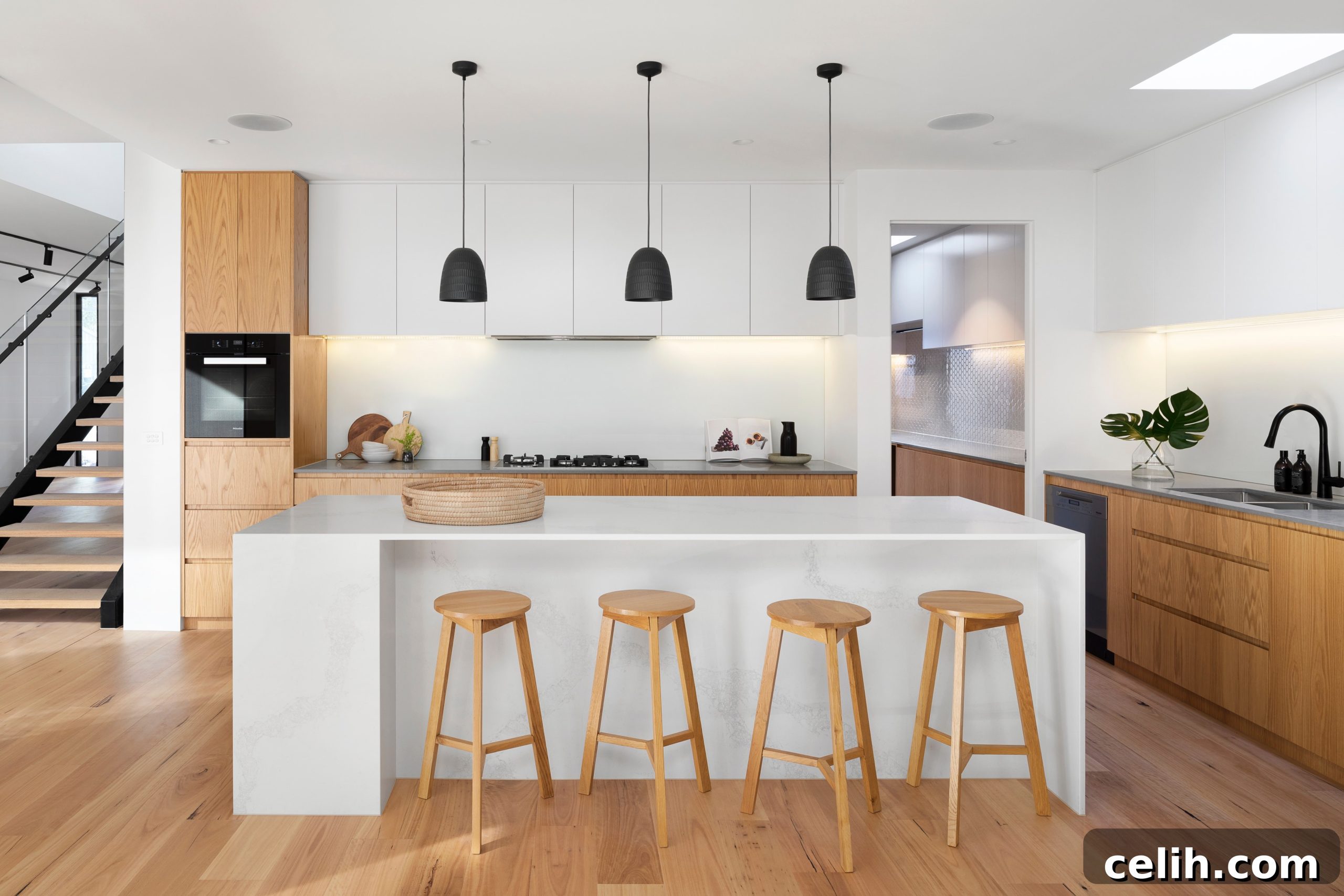
Ceramic worktops, often referred to as sintered stone or ultra-compact surfaces (brands like Dekton or Neolith), represent a cutting-edge material gaining significant traction in modern kitchen design. These innovative surfaces are created from a sophisticated blend of natural minerals, carefully processed under extreme pressure and heat, mimicking the metamorphic changes that natural stone undergoes over millennia. The result is an incredibly dense, non-porous slab that boasts superior performance characteristics, making it an ideal choice for high-traffic kitchen environments.
The advantages of ceramic worktops are compelling. They are renowned for their exceptional hardness, often surpassing granite and even quartz in resistance to scratches, abrasions, and impact. Their manufacturing process renders them virtually impervious to heat, allowing hot pans to be placed directly on the surface without fear of damage or discoloration. Being completely non-porous, ceramic worktops are highly resistant to stains from all types of liquids and foods, and their hygienic surface makes them incredibly easy to clean and maintain without the need for sealing. Furthermore, they are UV-resistant, meaning their color will not fade even when exposed to direct sunlight, a crucial benefit for kitchens with large windows or outdoor access. Available in a vast palette of colors, textures, and finishes, including realistic interpretations of wood, concrete, and natural stone, ceramic offers immense design flexibility for contemporary kitchens.
Despite their impressive resilience, ceramic worktops are not entirely without their drawbacks. While highly durable, they can be susceptible to chipping, particularly along the edges, if struck by a heavy object at an acute angle. If a significant impact causes a crack, repair can be challenging and may not always restore the surface to its original flawless state. Installation requires specialized tools and expertise due to the material’s hardness and weight, often contributing to a higher overall cost. While generally more affordable than some premium natural stones, ceramic worktops represent a considerable investment. However, for those prioritizing ultimate durability, low maintenance, and a sleek, contemporary aesthetic, ceramic worktops offer an outstanding blend of technology and design.
Quartz Worktops: Engineered Beauty and Practicality
Quartz worktops, often called engineered stone, provide a stunning and highly practical alternative to natural stone, particularly for those who appreciate a consistent aesthetic. These surfaces are manufactured by combining approximately 90-95% natural quartz crystals – one of the hardest minerals on earth – with polymer resins, pigments, and other additives. This engineering process results in a dense, uniform, and incredibly durable material that overcomes many of the limitations of natural stone.
One of the standout benefits of quartz is its non-porous nature. Unlike granite, quartz worktops never require sealing, making them exceptionally hygienic and resistant to stains from common kitchen culprits like coffee, wine, and oil. This inherent stain resistance, combined with ease of cleaning with just soap and water, contributes to their low-maintenance appeal. Quartz is also highly resistant to scratches and impacts, standing up well to daily kitchen activities. The manufacturing process allows for a consistent color and pattern across slabs, eliminating the natural variations found in granite and marble, which can be advantageous for achieving a uniform design. With an expansive range of colors, patterns, and finishes, from subtle veining to bold speckles, quartz offers immense design flexibility to complement any kitchen style, from classic to ultra-modern.
While quartz worktops offer significant advantages, they do come with certain considerations. Although highly heat-resistant, they are not entirely heat-proof. Extreme or prolonged exposure to very high temperatures, such as placing a scorching hot pan directly from the hob, can cause thermal shock, leading to discoloration or cracking of the resin binders. Therefore, the use of trivets is still recommended. Like other premium materials, quartz can be quite a pricey investment, often comparable to or slightly less than high-end granite. Additionally, quartz is a heavy material, requiring professional installation. Despite these points, the blend of durability, beauty, and minimal maintenance makes quartz a highly desirable and popular choice for contemporary kitchens, offering a perfect balance between aesthetics and practicality.
Stainless Steel Worktops: Industrial Chic and Ultimate Hygiene
Stainless steel worktops evoke a sense of professional-grade kitchens, bringing an industrial chic and ultra-modern aesthetic into the home. Widely used in commercial settings for their unparalleled hygienic properties and robust performance, stainless steel surfaces are increasingly popular in residential kitchens, particularly those aiming for a sleek, minimalist, or industrial design. The metallic sheen reflects light, creating a bright and airy feel, while also offering incredible functionality.
The primary advantage of stainless steel is its exceptional hygiene. It is completely non-porous, making it impervious to bacteria, germs, and stains. This characteristic makes it incredibly easy to clean and sanitize, providing a truly food-safe surface ideal for busy kitchens. Stainless steel is also supremely resistant to heat, water, and corrosion, allowing hot pots and pans to be placed directly on the surface without causing damage. Its robust nature means it can withstand heavy use and is designed for longevity, providing a durable solution for intense culinary activities.
However, the distinctive properties of stainless steel also come with particular drawbacks. The most common complaint is its susceptibility to scratches and dents. While these marks are often seen as adding to its “lived-in” industrial character by some, they can detract from a pristine appearance for others. Fingerprints and smudges are also easily visible on highly polished surfaces, requiring frequent wiping to maintain a spotless look. Stainless steel can also be noisy when objects are placed upon it, and custom fabrication to fit specific kitchen layouts can be costly. For homeowners who prioritize a flawless, unblemished surface and a quieter kitchen environment, stainless steel might not be the ideal choice. Nevertheless, for those embracing an industrial aesthetic and prioritizing unparalleled hygiene and heat resistance, stainless steel remains a highly functional and stylish option.
Other Notable Worktop Materials
While the above options cover the most popular choices, the world of kitchen worktops offers even more diverse materials, each with unique attributes:
Marble Worktops: Luxurious Beauty with Delicate Care
Marble worktops are synonymous with timeless luxury and sophistication. Each slab of marble is unique, showcasing exquisite natural veining and a smooth, cool touch. Renowned for its elegant appearance, marble can elevate any kitchen to a status of opulence. However, marble is a relatively soft and porous natural stone. It is prone to etching from acidic foods and liquids (like lemon juice or vinegar) and can stain easily if not promptly cleaned and regularly sealed. It also scratches more easily than granite or quartz. Marble requires diligent care and maintenance to preserve its pristine beauty, making it a choice best suited for those who appreciate its aesthetic and are committed to its upkeep.
Solid Surface Worktops (e.g., Corian): Seamless Integration and Repairability
Solid surface worktops, made from acrylic or polyester-based materials, offer a unique combination of versatility and seamless design. Their non-porous nature makes them highly hygienic and stain-resistant. A key advantage is the ability to create virtually invisible seams, allowing for integrated sinks and continuous surfaces that flow effortlessly. This material is also soft enough that scratches and minor damage can often be buffed out or repaired, extending its lifespan. However, solid surface is not as heat-resistant as stone and can scratch more easily than harder materials, requiring the use of trivets and chopping boards. It also doesn’t offer the natural depth and variation found in stone, appealing more to those seeking a smooth, uniform aesthetic.
Concrete Worktops: Urban Edge and Custom Craftsmanship
For a truly bespoke and contemporary kitchen, concrete worktops offer a unique industrial appeal. Hand-poured and custom-made, concrete surfaces can be tinted to various colors and finished with different textures, from raw and rugged to polished and refined. They are incredibly durable and heat-resistant once sealed. The allure lies in their distinctive, often imperfect, character and the ability to integrate unique design elements. However, concrete is porous and requires regular sealing to prevent stains. It is also exceptionally heavy, demanding robust cabinetry and professional installation. While durable, it can develop hairline cracks over time, which some see as adding to its charm, while others may find it a drawback. Concrete worktops are a significant investment in both cost and maintenance, but they offer unparalleled customization and a bold, architectural statement.
Making Your Final Decision
Choosing the right kitchen worktop is a pivotal decision that will influence the functionality, aesthetics, and longevity of your kitchen. As we’ve explored, each material brings its own set of advantages and disadvantages, catering to different priorities, budgets, and design visions. Whether you prioritize the timeless elegance and durability of granite, the warm, repairable charm of hardwood, the budget-friendly versatility of laminate, the cutting-edge resilience of ceramic, the engineered consistency of quartz, or the industrial hygiene of stainless steel, there is a perfect worktop out there for you.
Consider your lifestyle: do you need a worktop that can withstand heavy use and minimal fuss, or are you willing to commit to regular maintenance for a particular aesthetic? Evaluate your budget, design preferences, and the overall style of your home. By carefully weighing the pros and cons of each option and visualizing how it will integrate into your daily life and kitchen environment, you can confidently select a worktop that not only looks stunning but also serves as a resilient, functional foundation for countless meals and cherished memories for years to come.