
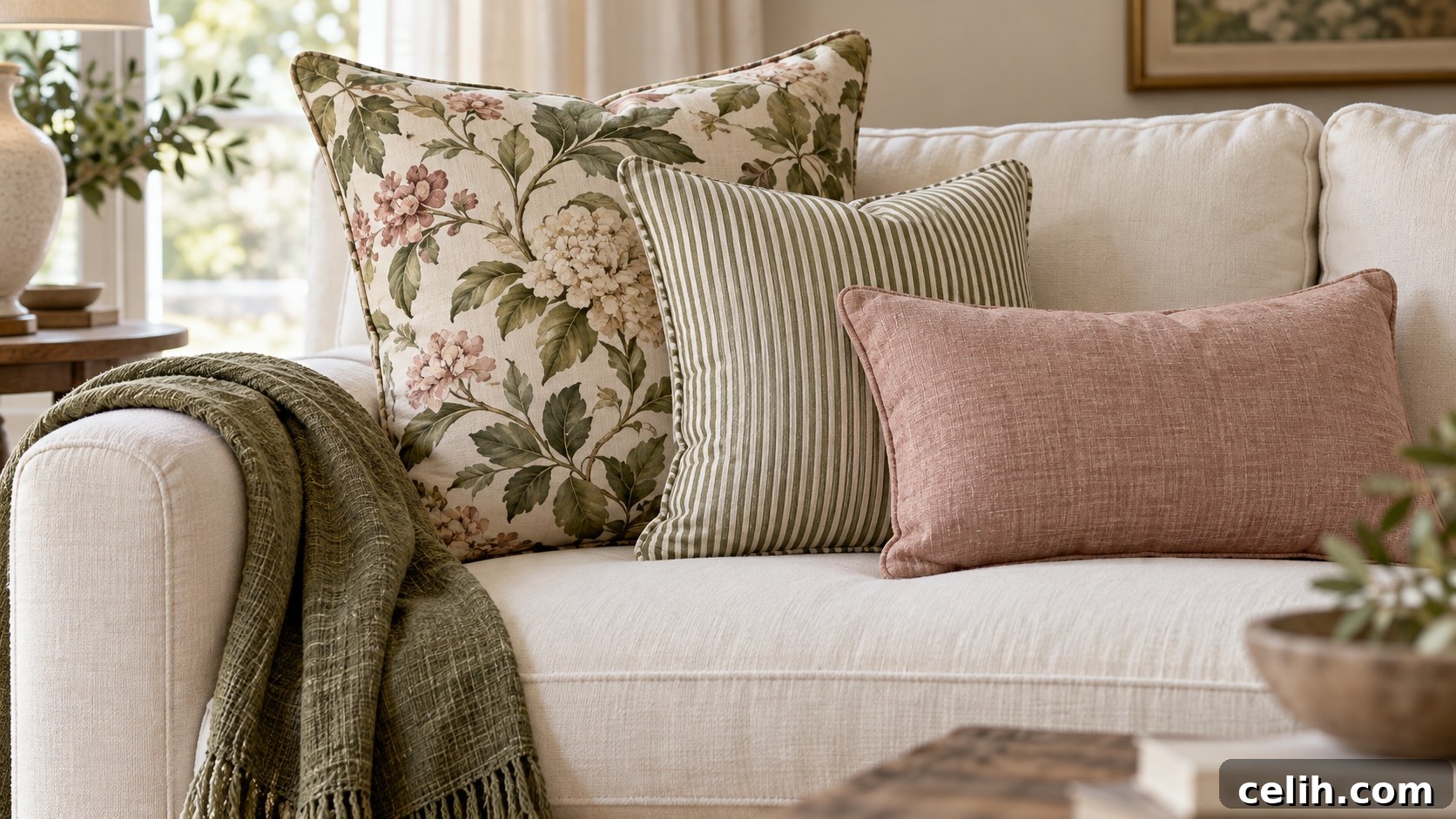
A sofa can be the right scale, color and level of comfort and still feel unfinished. A few well-chosen cushions and a throw can tie the piece into the room’s palette, add texture and create the finishing touch that makes the seating feel complete.
Cushions and throws do more than add colour. A woven cushion can soften smooth upholstery, a patterned cover can echo tones found elsewhere in the room, and a throw invites you to sit down. They also let you change the mood of a space without replacing furniture.
The challenge is how to combine them. How many cushions are right? Which patterns work together? And how do you position a throw so it looks casually styled rather than messy?
You don’t need a matched set or complicated rules. Start with your sofa, choose two or three related colours, and layer cushions and a throw so the arrangement looks good and remains comfortable to use.
Quick Answer: How Do You Layer Cushions and Throws on a Sofa?
Pick two or three colours that coordinate with the sofa and the room. Place larger cushions at the back, then add smaller squares or a rectangular lumbar cushion in front. Mix plain fabrics with patterned ones and vary textures to add depth. Finish with a throw that echoes one of the colours or introduces a complementary tone.
For a standard three-seater, three to five cushions are a useful starting point, but the best number depends on seat depth, cushion size and how you use the sofa. Always leave enough space to sit comfortably.
Start with Your Sofa and the Room Around It
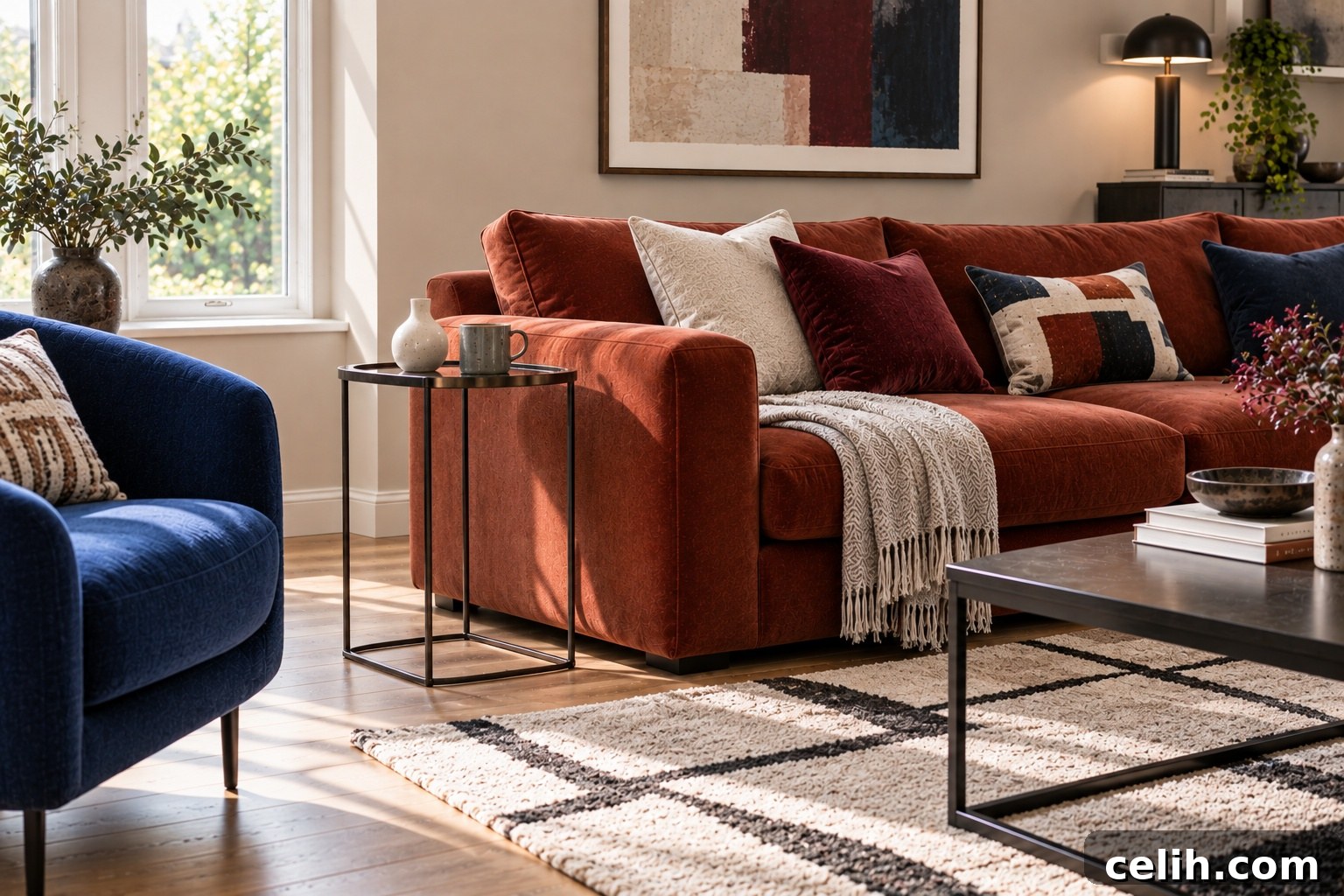
Before buying anything, study the sofa. Its shape, scale and upholstery influence which accessories suit it best. A deep sofa with wide arms can take larger cushions; a compact sofa or one with shallow seats will feel cramped if you overfill it. A low back can be overwhelmed by oversized cushions, so consider overall proportions rather than width alone.
The fabric also matters. Smooth leather contrasts well with woven or wool cushions, while very textured upholstery can benefit from smoother cotton or velvet covers. If the sofa has a bold fabric, keep some cushions plain so the eye can rest.
Look beyond the sofa. Take a colour from a rug, curtain or artwork and use it in a cushion or throw to create a subtle connection across the room. It doesn’t have to be an exact match—just something that draws the scheme together.
Choose a Colour Palette
Limiting your palette is a simple way to make different cushions read as a set. Two or three colours give plenty of variety, especially when you mix fabrics and patterns.
A practical approach is to pick a main colour, a supporting shade and a small accent. On a cream sofa, for example, olive cushions, warm ivory details and a touch of burgundy can work together. Use more of the main colour, less of the accent, and let the sofa serve as a neutral backdrop.
Try a tonal arrangement
Tonal styling uses lighter and darker versions of one colour. On a blue sofa, combine navy, dusty blue and pale blue-grey cushions, then add a throw that sits between them. Vary textures—linen, velvet and a textured knit will prevent a flat look.
Add contrast for a stronger effect
If you enjoy bold colour, contrast can give the sofa presence. Try rust with navy, dusky pink with olive, or burgundy with teal. You don’t need equal amounts of each colour: a single rust cushion can lift a mainly blue grouping, while a warm neutral can create a pause between strong shades.
Check the colours in your own room
Colour names don’t tell the whole story. A cool silver-grey behaves differently to a warm grey with brown undertones. Place fabric samples beside the upholstery and view them in daylight and under your evening lamps. This helps avoid surprises when buying online.
Mix Patterns with a Shared Connection
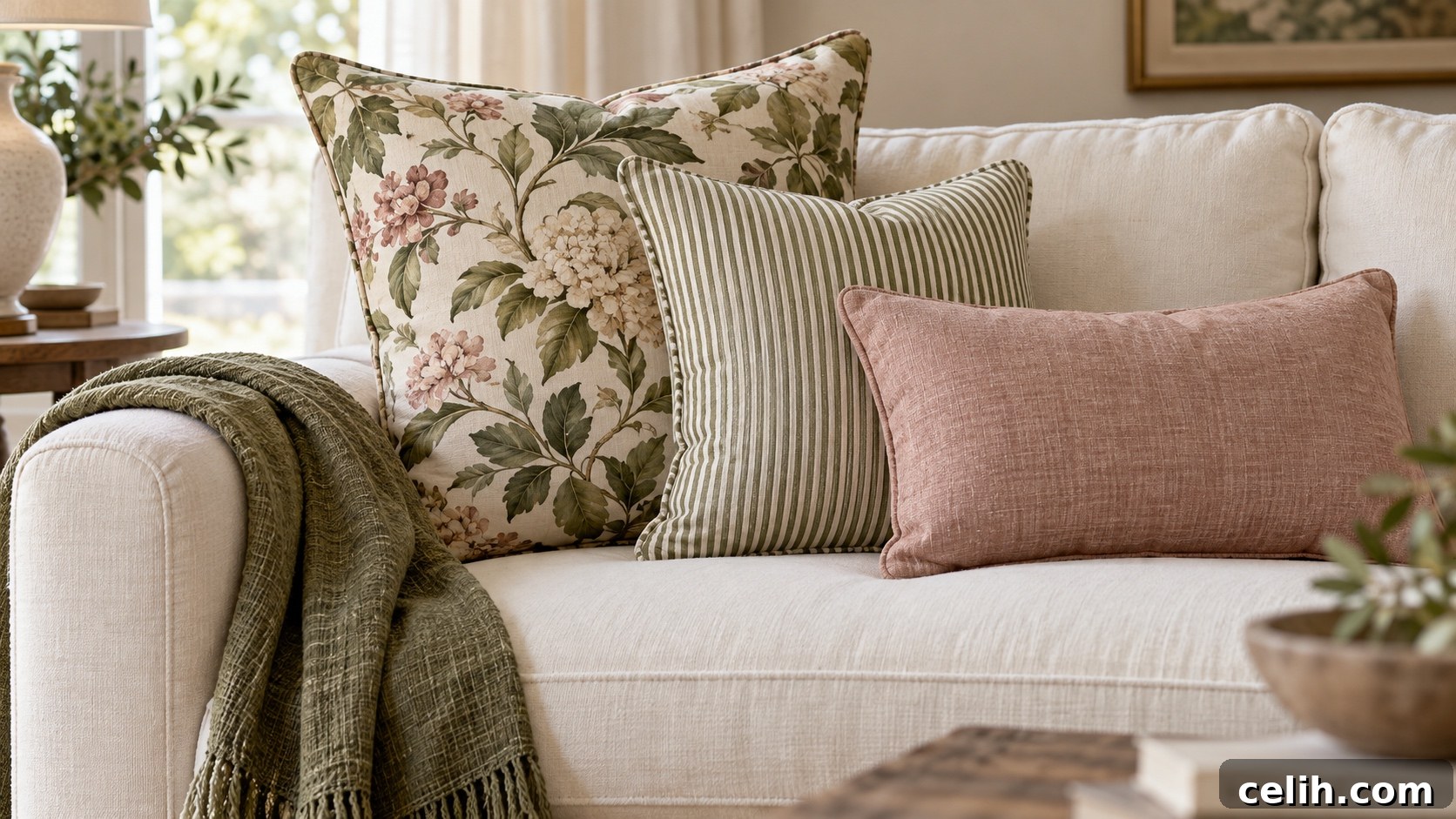
Patterns add personality, but they work best when they share something—usually a repeated colour, a similar background tone or a common mood. Start with one dominant pattern and pull colours from it for the other cushions. For balance, mix scales: pair a large floral with a fine stripe rather than two equally bold prints.
Plain cushions are helpful here; they give patterned pieces breathing space and stop the overall look from becoming busy. If unsure, begin with one patterned cushion, two plains and a textured throw—then add another print only if it improves the mix.
Layer Textures for Depth and Comfort
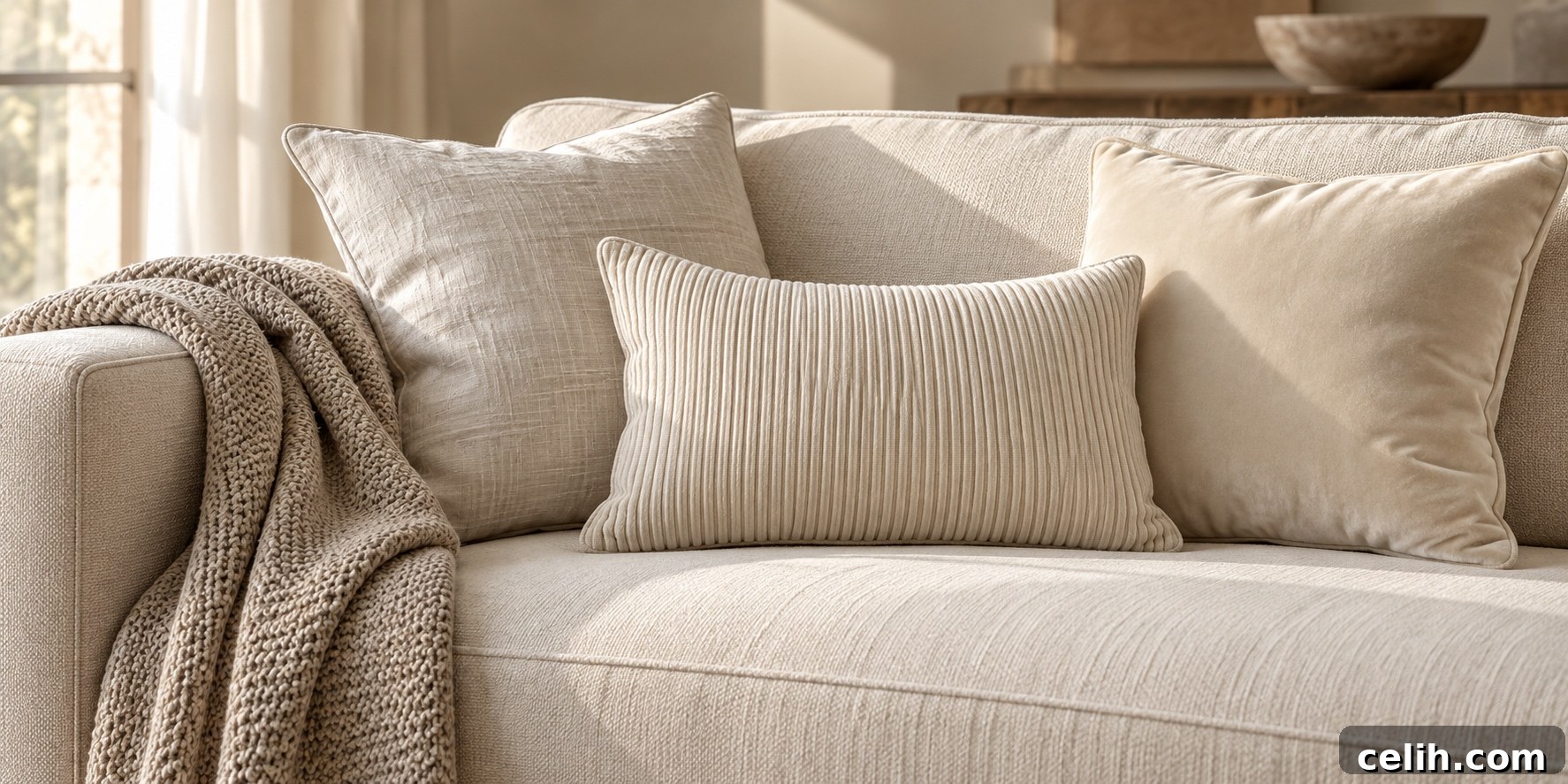
Texture makes a simple colour scheme feel layered. Even a group of cream cushions can be lively if you combine a soft weave, a ribbed fabric and a little velvet. Linen and cotton look relaxed; velvet adds sheen; wool and chunky knits bring warmth.
Two or three different textures are usually enough. On leather, combine cotton cushions with a woven wool throw; on bouclé, choose smoother cushions to create contrast. Consider how each fabric feels—scratchy textiles rarely become favourites—and whether embellishments like tassels suit everyday use.
Seasonal tweaks are easy: keep main cushions and swap the throw or change one cover from light to richer tones as autumn arrives.
Choose Cushion Sizes and Shapes That Suit the Sofa
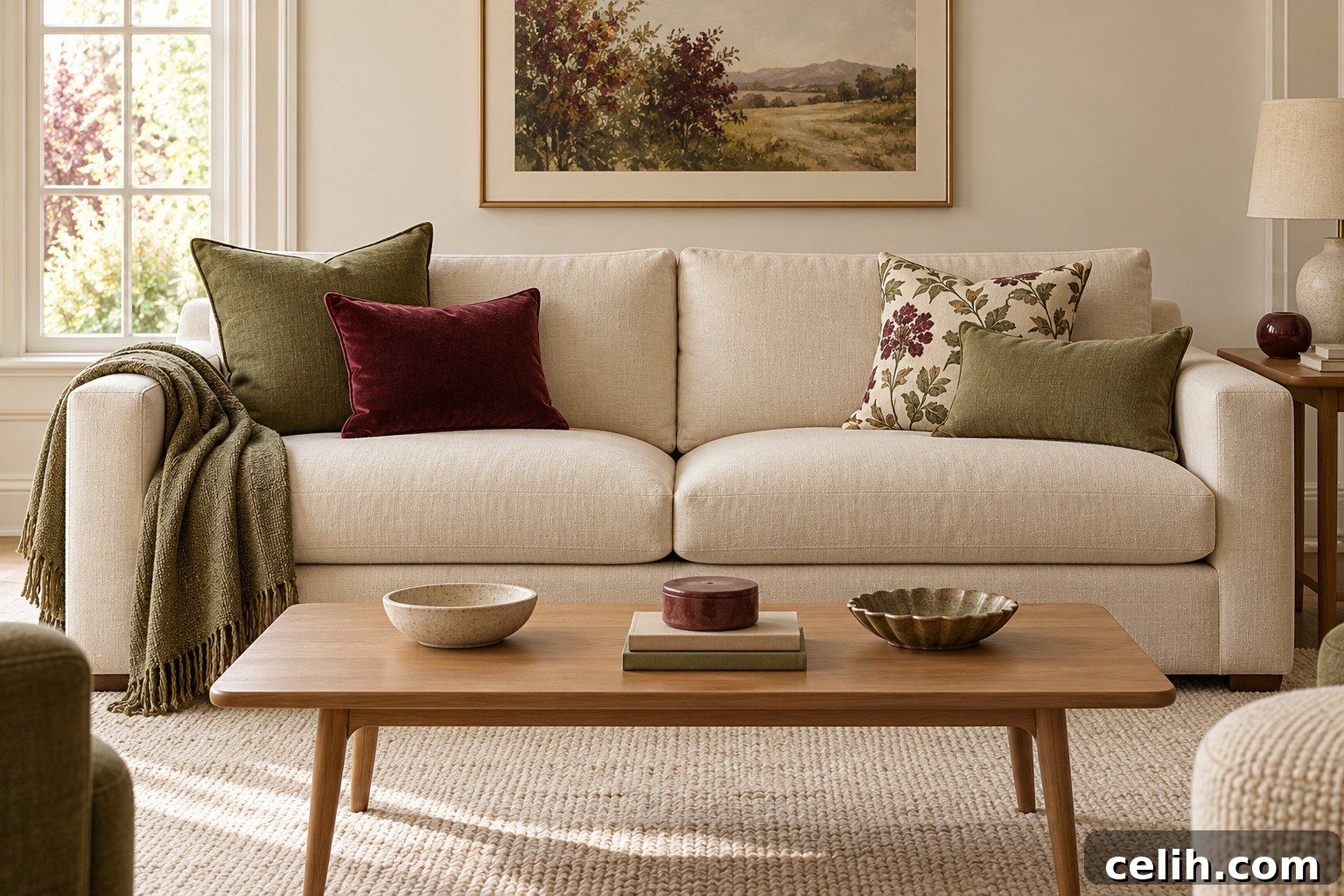
Different sizes add depth, but start with the sofa’s proportions. Squares around 45–50cm work well on many sofas; larger sizes suit deep seats, smaller cushions fit shallow ones. Place larger cushions at the back, smaller squares or a rectangular lumbar cushion in front so nothing gets completely hidden.
Consider the fill too: a very plump cushion occupies more space than a softer one of the same size. Check recommended insert sizes and choose a filling that delivers the support and comfort you prefer.
How Many Cushions Should You Put on a Sofa?
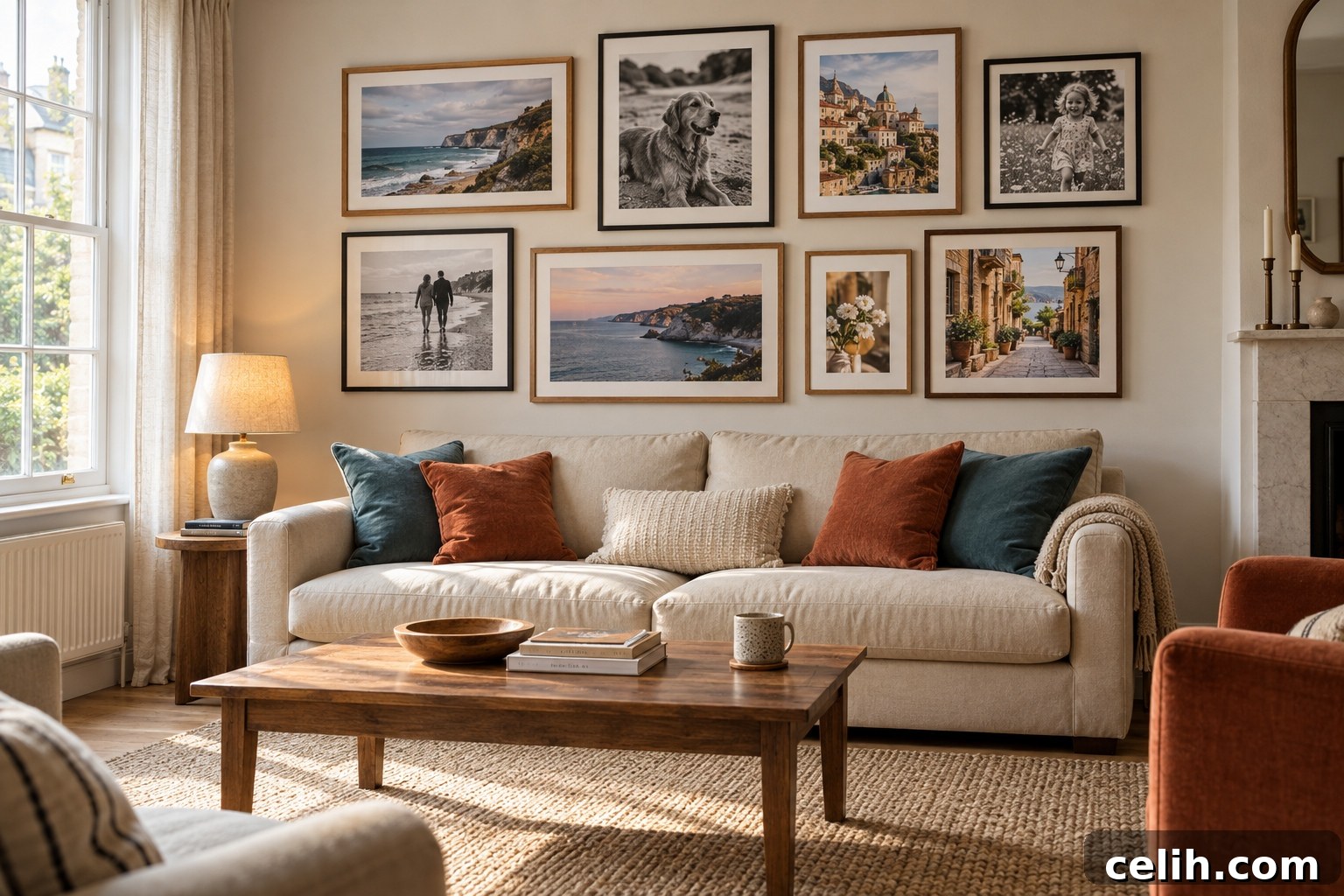
The right number is the one that looks good and leaves the sofa comfortable to use. Use these starting points and adapt to your furniture and habits:
– Compact two-seater: 2–3 cushions. One at each end and an optional smaller accent.
– Standard three-seater: 3–5 cushions. Try two at one end and one or two at the other.
– Large deep sofa: 4–6 cushions. Group larger cushions at the ends.
– Corner sofa: 5–7 cushions. Create small groups and keep sitting areas clear.
– Sofa with chaise: 3–5 cushions. Place cushions around the back and arms and keep leg space free.
Odd numbers can feel informal, but even groups also look tidy. Don’t add cushions just to hit a number—if you need to remove most to sit comfortably, use fewer or smaller cushions.
Arrange Cushions to Suit Your Style
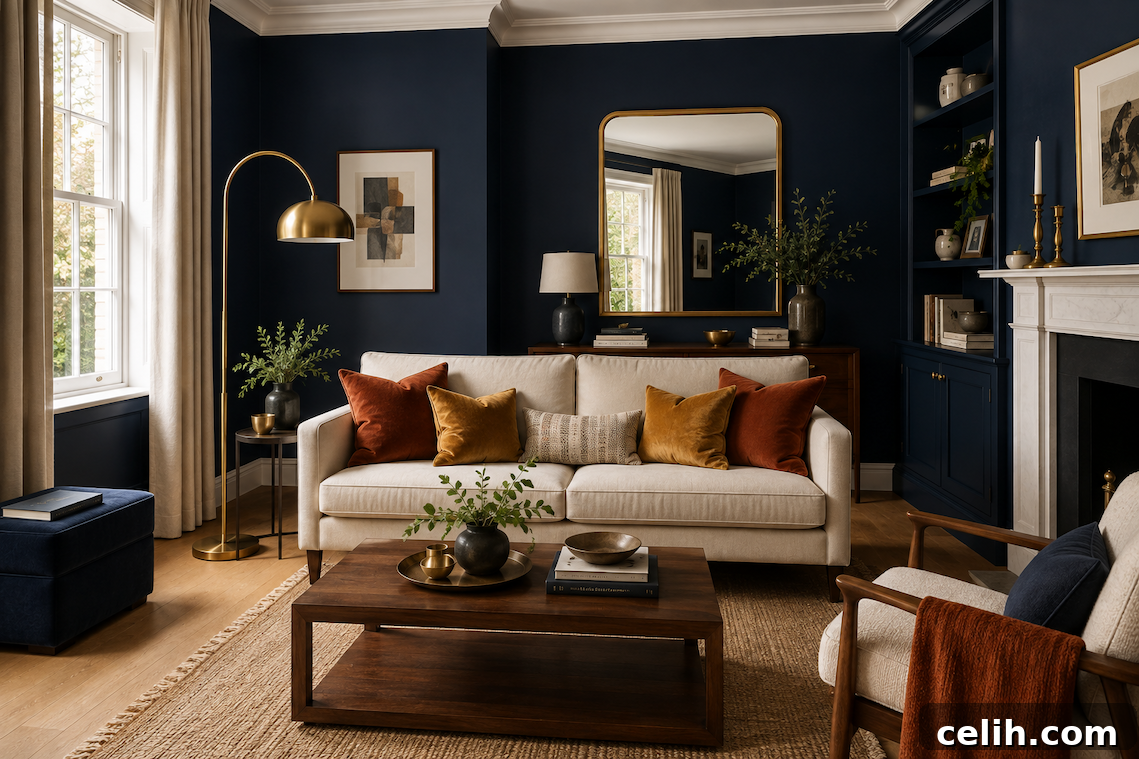
For a balanced look
Place similar groups at each end: a larger plain cushion behind a smaller patterned one works well. Groups can differ in detail as long as the main colour and overall scale provide balance.
For a relaxed look
Try two cushions at one end and one or two at the other, mixing shapes and textures. Let cushions lean into the arms and overlap slightly for a casual, lived-in feel.
For a minimalist look
Two well-chosen cushions and a throw can be enough, especially on a sculptural or compact sofa. Choose pieces with presence—a large textured cushion and a rectangular patterned cushion, for example.
For a corner sofa
Focus cushions where people sit. Soften the ends and provide inner-corner support, but avoid a continuous back row that reduces usable seating. Keep a clear chaise for stretching out.
Gently plump cushions and let them settle; a slightly indented top is a styling choice, not a requirement.
How to Arrange a Throw on a Sofa
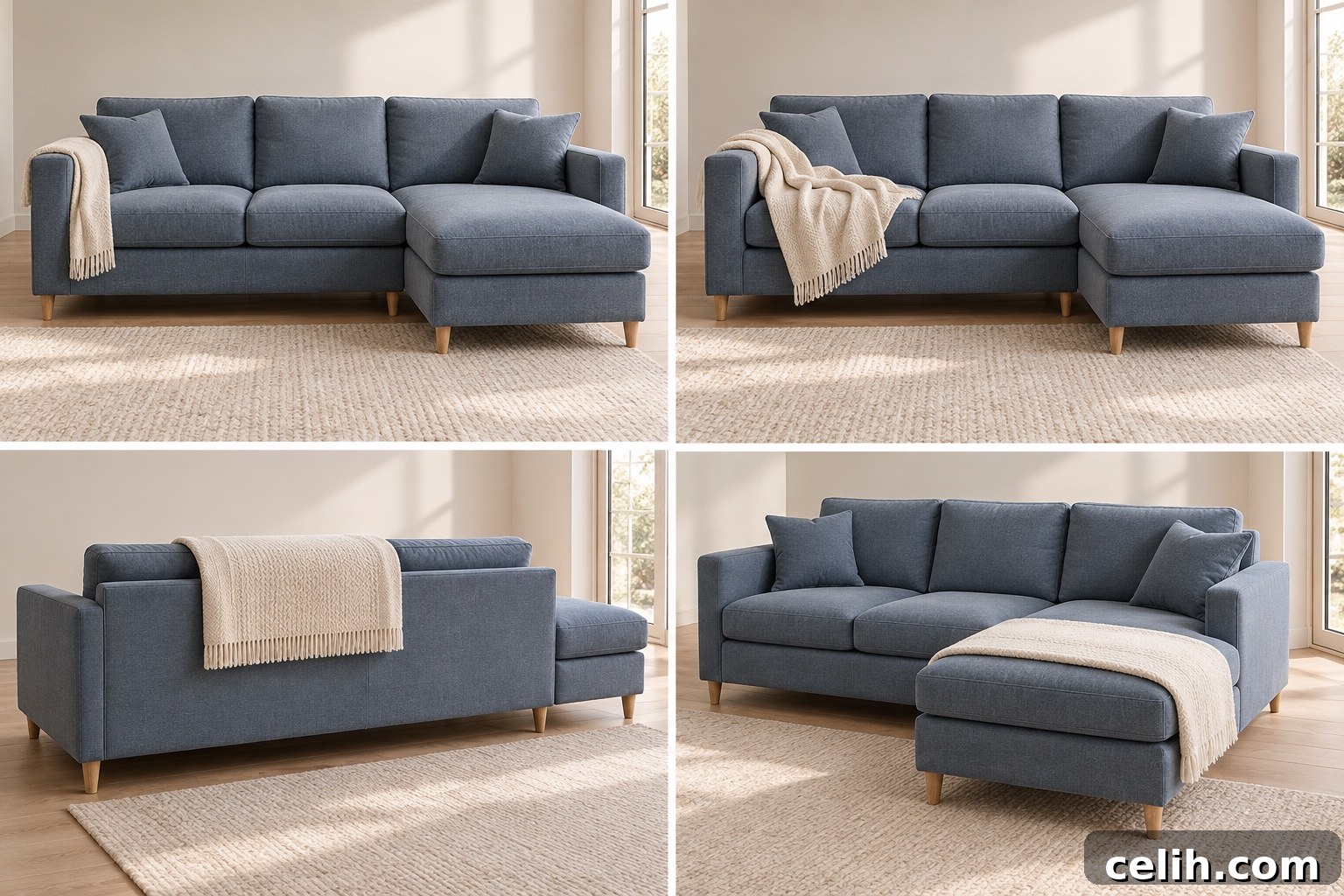
A cozy throw connects cushion colours, adds texture and keeps an extra layer within reach. How you place it changes the mood.
Fold it over an arm
Fold the throw into a neat strip and lay it over one arm so the ends hang naturally. Adjust the width to suit the arm and let a fringe or border add a little detail.
Drape it across one end
Loosely fold the throw lengthways, drape it over the arm and onto part of the seat, and allow broad folds to show the texture. Tuck a small section behind a cushion to help keep it in place, and avoid bunching everything into the corner.
Lay it over the back
Folded over the back, a throw introduces colour without filling seats and can look particularly attractive on a sofa that sits away from a wall. Keep it even and clear of any mechanisms.
Place it towards the foot of a chaise
Fold a throw across the lower part of a chaise or drape it over the outer edge, keeping fabric off the floor and out of walkways. Consider size: small decorative throws look fine over an arm but won’t cover you when you curl up; very large blankets may need extra folding to look tidy on small sofas.
On leather, textured throws tend to stay put better than very smooth fabrics. Tuck a corner under a cushion if needed rather than expecting a drape to remain perfect all day.
Cushion and Throw Ideas for Different Sofa Colours
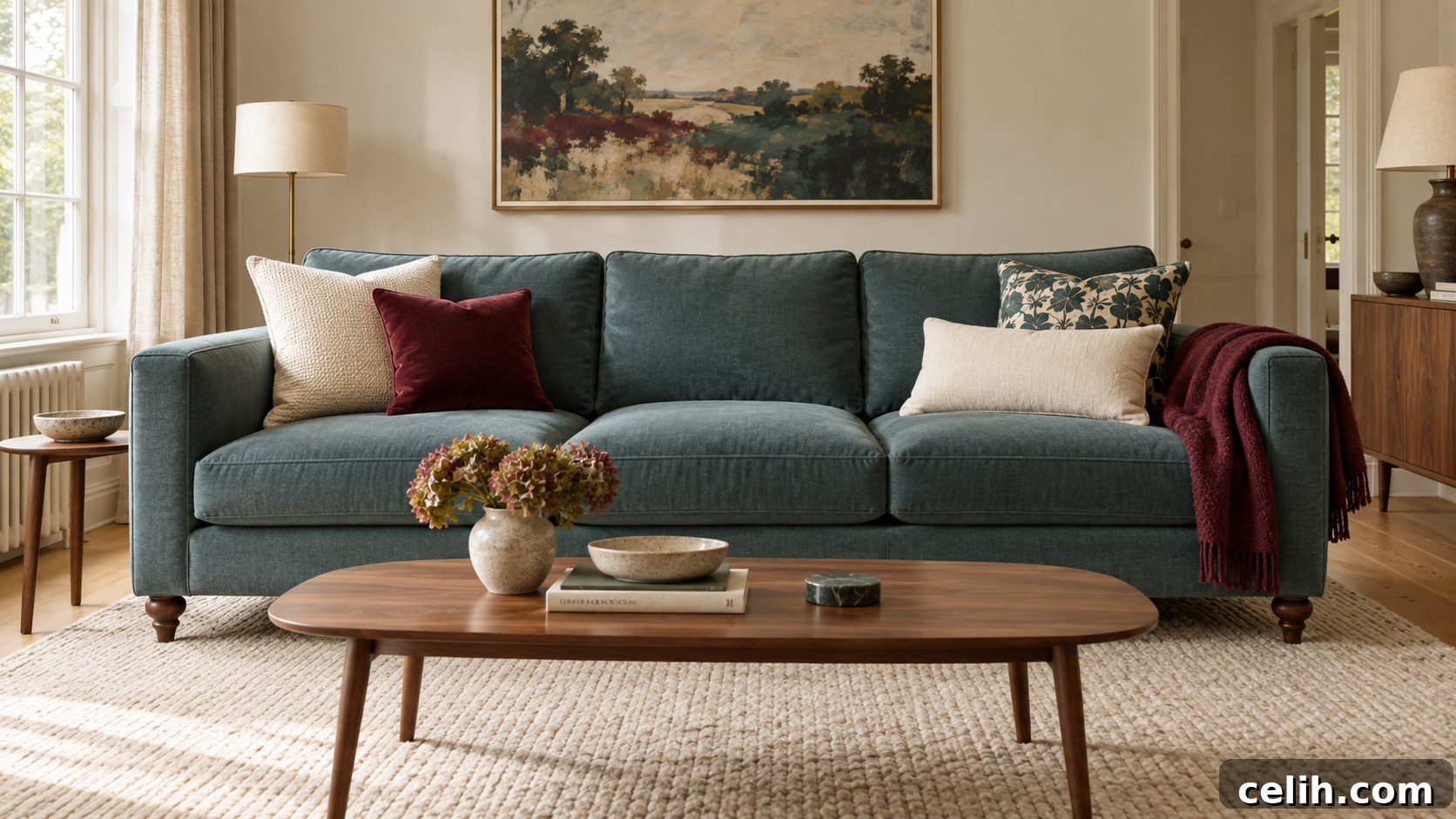
Your sofa colour is a starting point; the room will shape the final choices. Here are adaptable ideas for common sofa shades.
Grey sofas: add warmth or keep things softly tonal
Pair cream, dusty blue and rust for a balanced mix of cool and warm tones. For a calmer scheme, use charcoal, soft grey and ivory with varied textures. Check your sofa’s undertone—some greys lean warm, others cool—before deciding.
Beige and cream sofas: introduce definition
Olive, burgundy and an ivory botanical print add depth to pale upholstery. For a softer approach, try dusty blue and warm taupe, ensuring at least one cushion offers contrast or texture to stand out.
Navy sofas: balance depth with lighter accents
Warm white and denim tones lift navy while keeping the mood calm. A touch of ochre or rust adds warmth; a cream throw brings lightness. Use patterned cushions to connect colors without overwhelming the navy.
Green sofas: build on the exact shade
Sage or olive pairs well with dusty pink, warm ivory and restrained floral prints. Forest green suits burgundy, cream and touches of warm gold. Treat each green as unique and make choices that complement its specific tone.
Teal sofas: embrace a richer palette
Burgundy and warm ivory pair nicely with teal. Use a patterned cushion that includes teal and the accent shade to unify the look, and add a woven burgundy throw. For a lighter effect, choose cream, muted blue and a hint of soft terracotta.
Brown leather sofas: soften with woven fabrics
Ecru, indigo and rust form a comfortable palette for brown leather. Cotton or linen cushions soften the look, and a cream wool throw contrasts pleasantly with smooth leather. Adjust tones to suit golden tan, reddish brown or dark chocolate leathers.
Pink sofas: add depth with green or burgundy
Olive, burgundy and warm ivory ground pink upholstery. Use a print containing a touch of pink to link cushions to the sofa, and choose an olive or burgundy throw for contrast. On very pale pink, a darker cushion adds definition.
Black and charcoal sofas: soften the contrast
Warm white, tan and a geometric accent can break up dark upholstery without feeling stark. A cream woven throw adds softness; mid-tones help transition between dark and light elements.
Four Complete Sofa Styling Combinations to Try
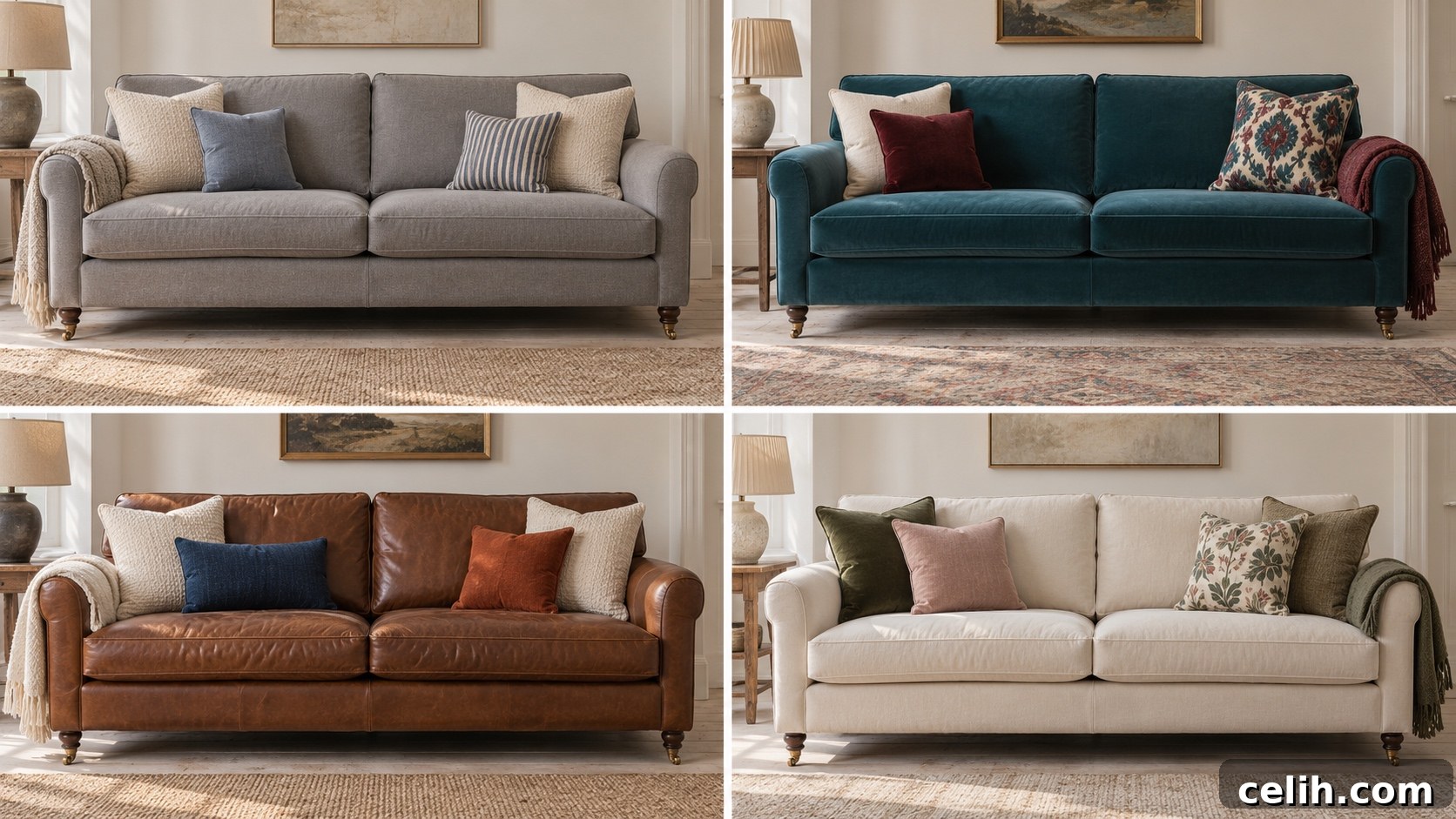
If you want a clear starting point, try these combinations and adapt sizes and textures to suit your sofa.
Calm and contemporary
On a warm grey three-seater, place a 50cm cream woven cushion at each end. Add a smaller muted blue cushion on one side and a blue-and-cream fine stripe on the other. Fold an oatmeal throw over one arm for balance and texture.
Colourful and inviting
On a teal sofa, pair a large warm ivory cushion with a smaller burgundy velvet one at one end. Use a patterned cushion that includes teal, burgundy and cream at the other end, and drape a burgundy woven throw beside it to tie the scheme together.
Relaxed and natural
For brown leather, put a large ecru woven cushion at each end, add an indigo rectangular cushion in front of one and a smaller rust cushion in front of the other. Finish with a cream wool throw folded over the back or arm.
Soft and layered
On a cream sofa, use two olive cushions in different textures, a dusty pink cushion and an ivory botanical print. Arrange them in pairs at the ends and add an olive throw over one arm for a cohesive, layered feel.
Common Cushion and Throw Styling Mistakes
Using the same size and fabric throughout
A matching set can look neat but flat. Keep some matching pieces and introduce one different shape or texture to add interest.
Choosing accessories separately
It’s easy to buy attractive cushions that don’t work together. Lay out what you already own and identify colours or textures that can link them before adding another piece.
Making every pattern equally bold
If prints compete, simplify the mix. Let one pattern lead, pair it with a quieter print and add a plain cushion to give the eye a resting point.
Overfilling the sofa
More cushions don’t always equal more comfort. Remove one or two and test whether you can sit back comfortably and reach the armrest.
Adding a throw with no connection to the scheme
A contrasting throw can work, but it helps if its colour appears elsewhere in the room or among the cushions. Alternatively, choose a neutral throw with a complementary texture.
Letting fabric trail across the floor
Keep throws clear of foot traffic to avoid dirt and tripping. Tidy folds are easier to maintain and cleaner over time.
Make the Layers Work for Everyday Life
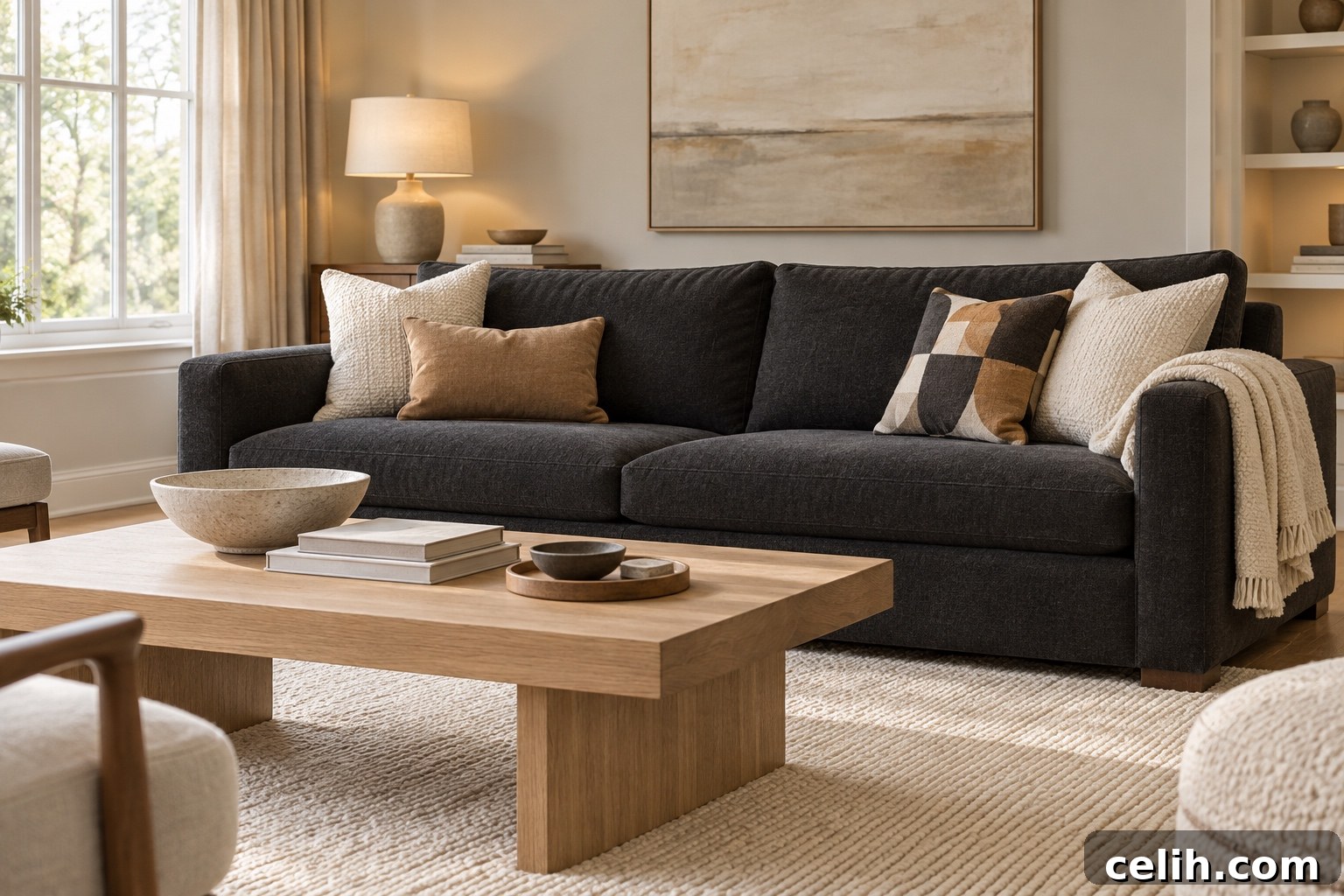
The best styling fits how you live. Check care instructions before buying removable covers or throws—removable doesn’t always mean machine-washable. If you have pets or children, choose durable fabrics and avoid delicate trims that need frequent attention.
A wicker basket beside the sofa is a practical solution for spare throws or a cushion you move when you stretch out. Keep it accessible but out of the way of foot traffic.
Before spending on new items, try rearranging what you own. Moving a cushion, swapping a throw from another room or changing positions can be all you need to complete the look.
Frequently Asked Questions
Should cushions match the sofa?
They can, but they don’t have to. Matching colours create a tonal look; contrasting shades make cushions stand out. If colours are similar to the upholstery, vary texture or shade to ensure the cushions remain visible.
Do cushions and throws need to match each other?
They need a connection rather than an exact match. A shared colour, related pattern or complementary texture will make them work together.
How many cushions look right on a three-seater sofa?
Three to five is a good starting point, but fewer may suit shallow seats or minimalist tastes. Consider cushion size and firmness and ensure adequate sitting space remains.
Can you mix patterned cushions?
Yes. Use patterns that share a colour and vary the scale, and bring in a plain cushion to prevent the mix from becoming too busy.
What size cushions should you choose?
Choose sizes in proportion to the sofa. A 45–50cm square works for many standard sofas, with a smaller square or rectangular cushion layered in front. Measure usable seat depth to make sure cushions won’t push you forward when sitting.
How do you keep a throw in place on a leather sofa?
Pick a textured fabric that grips better, fold it over the arm or tuck a small section behind a cushion. Test placements—very smooth throws tend to slip on leather and may need occasional adjustment.
Create a Sofa You Enjoy Using
Layering cushions and throws is an opportunity to add colour, texture and personality to your living space. Start with a few coordinated shades, vary sizes and fabrics, and leave enough of the sofa visible so it can be used comfortably.
Finally, sit down. Lean against the cushions, pull the throw over your knees and see what feels right—an arrangement that looks good and makes your favourite seat more comfortable is worth keeping.