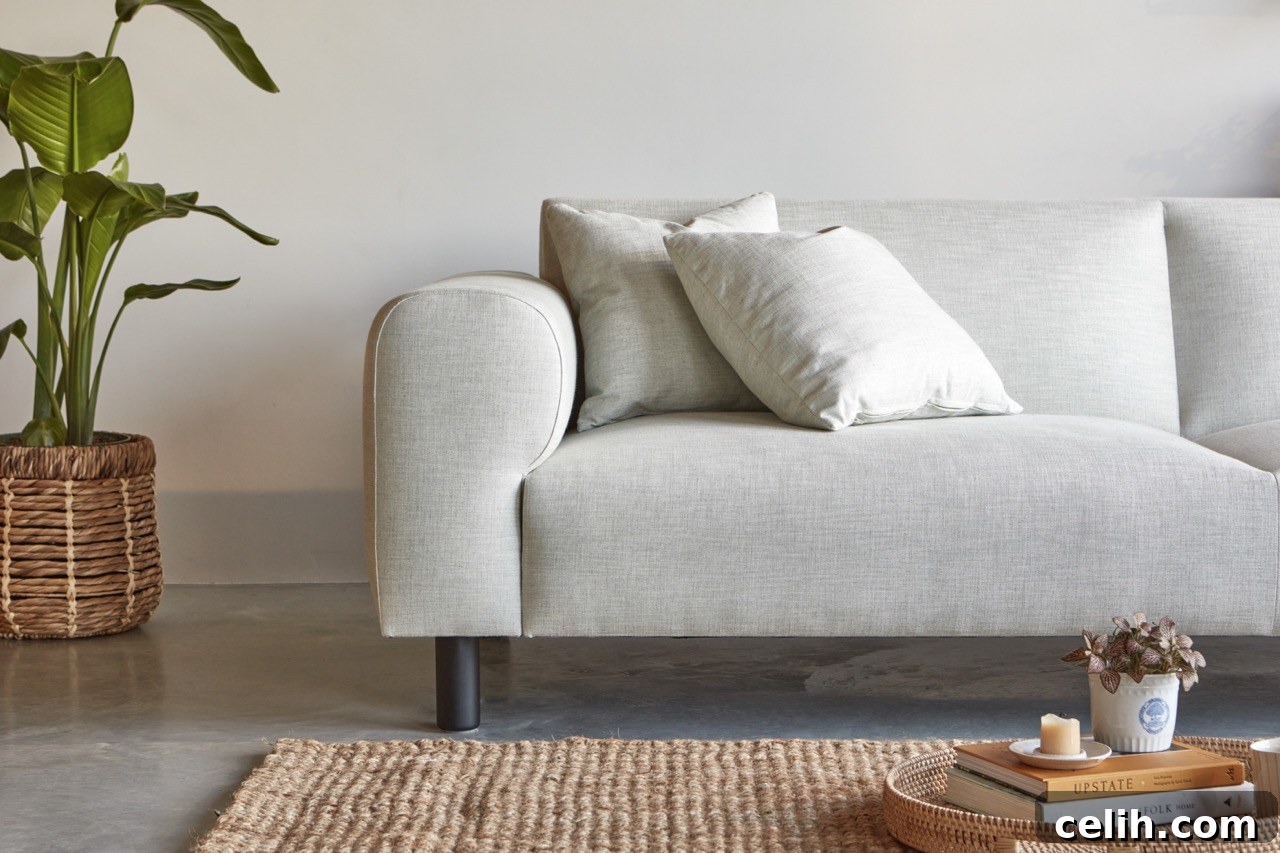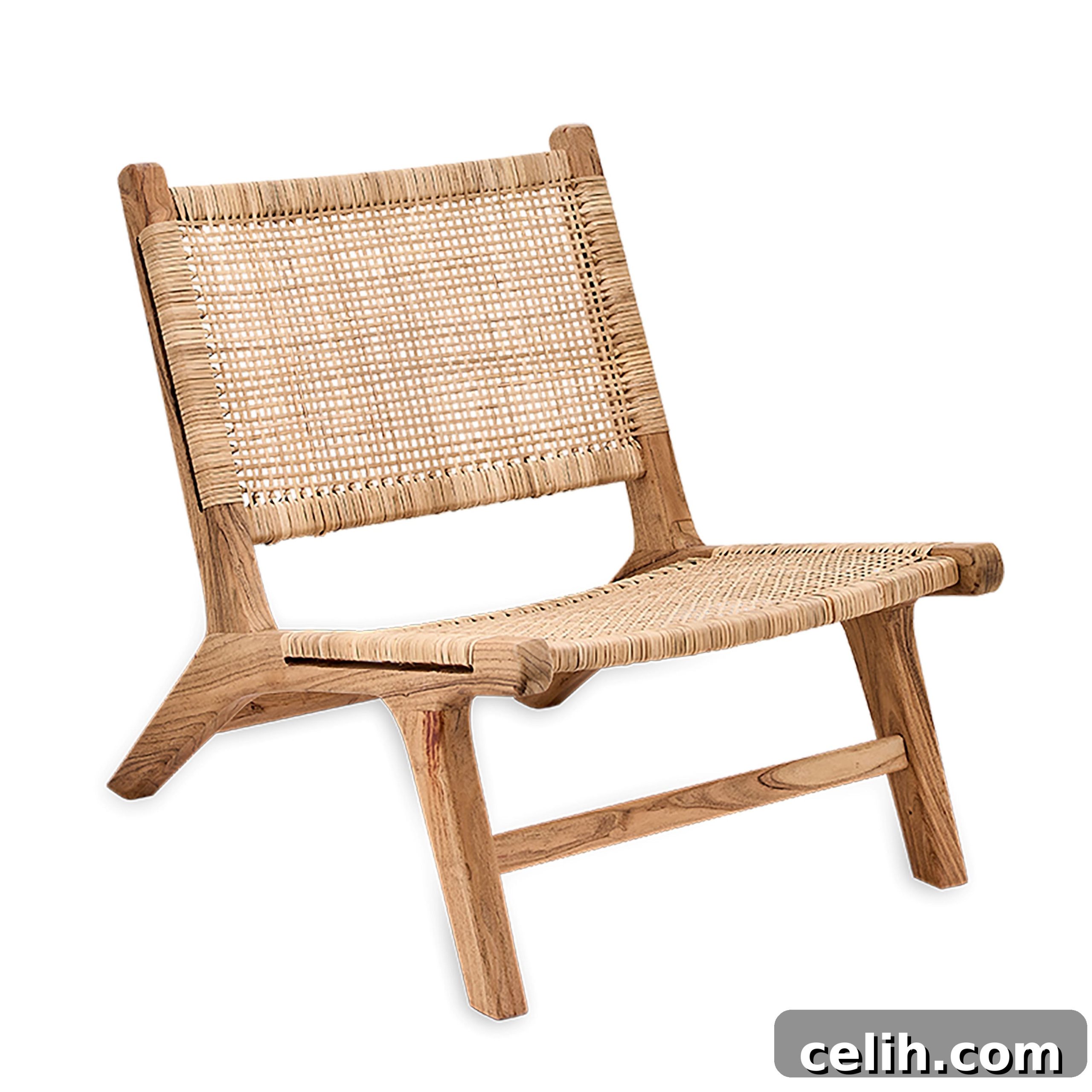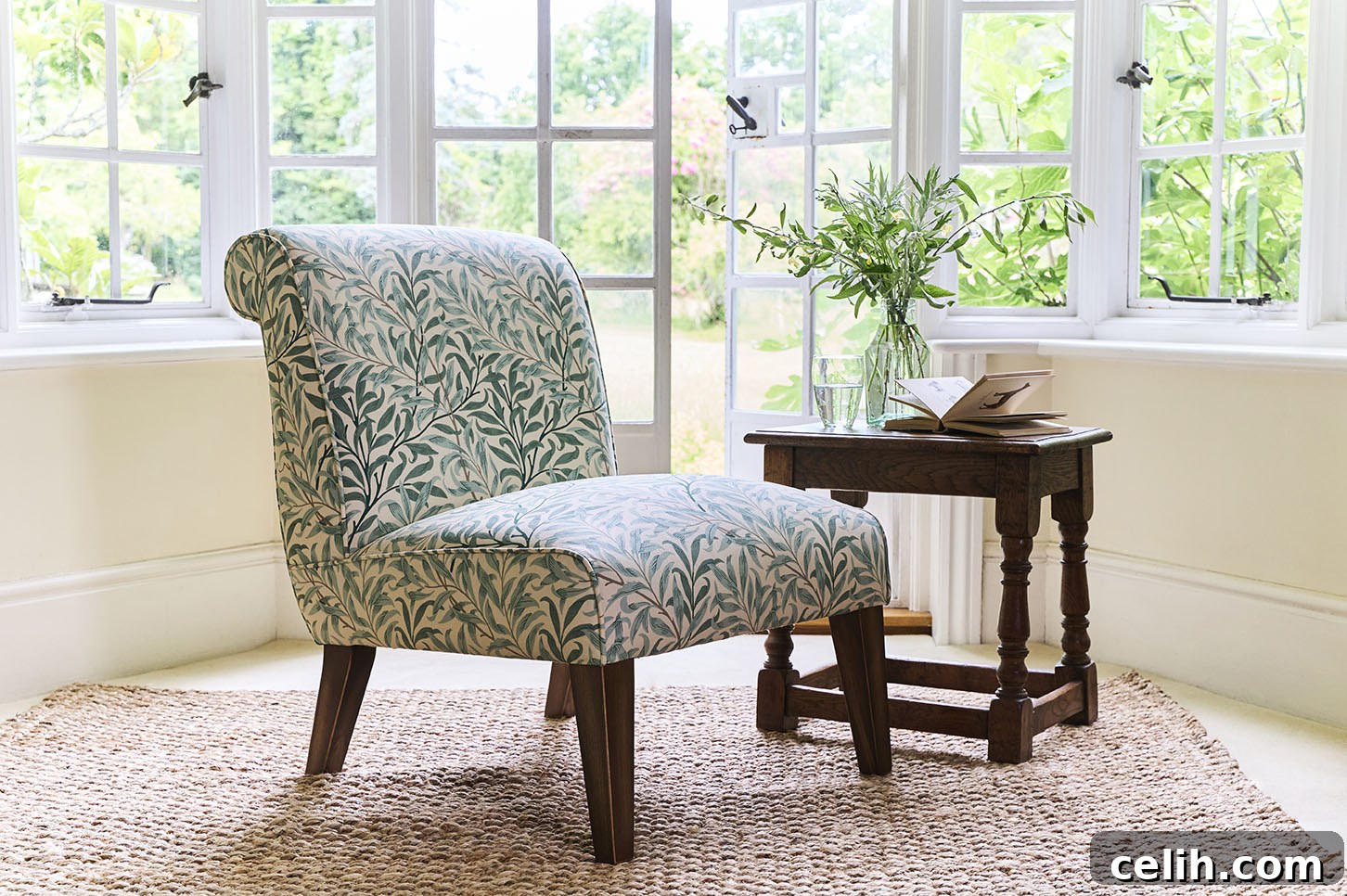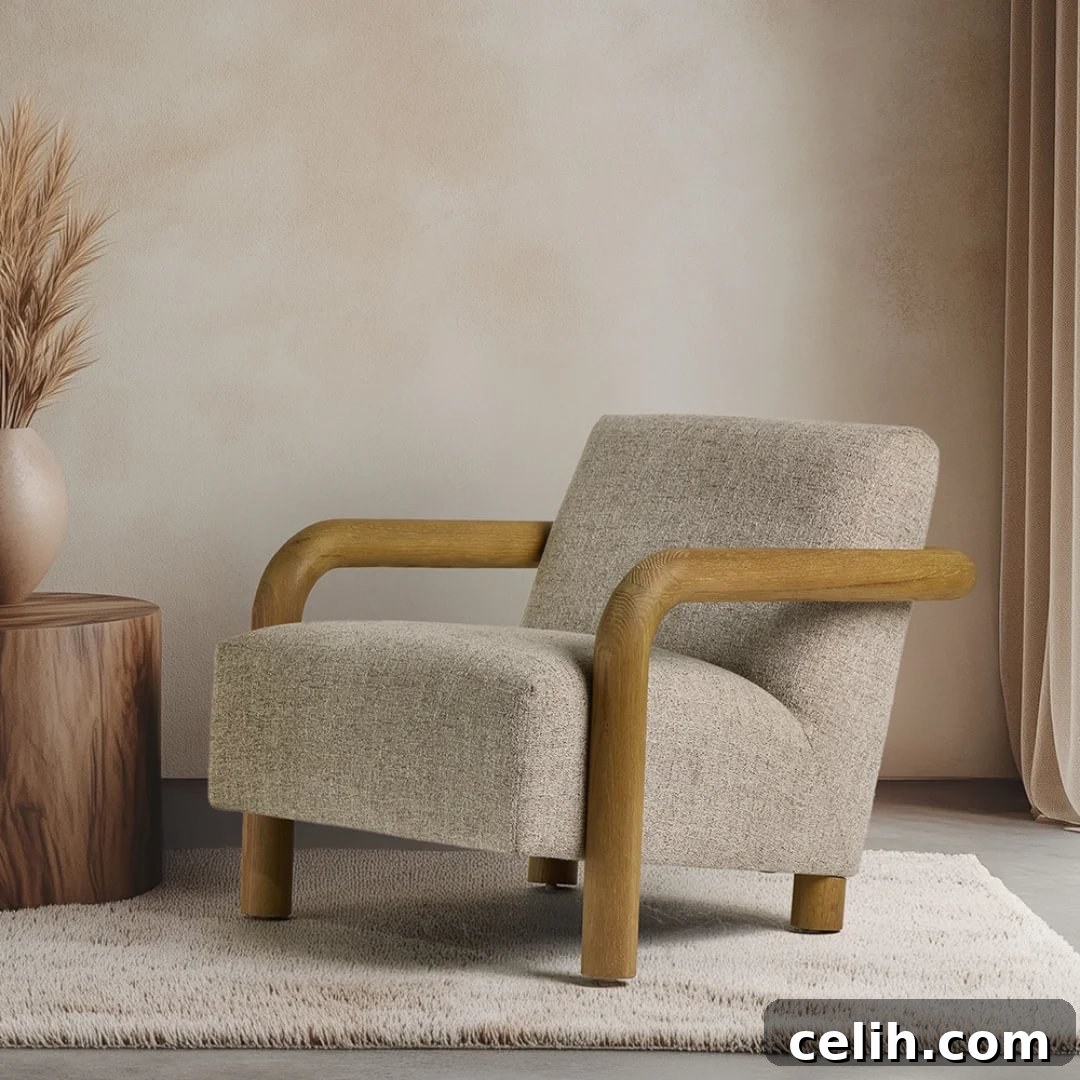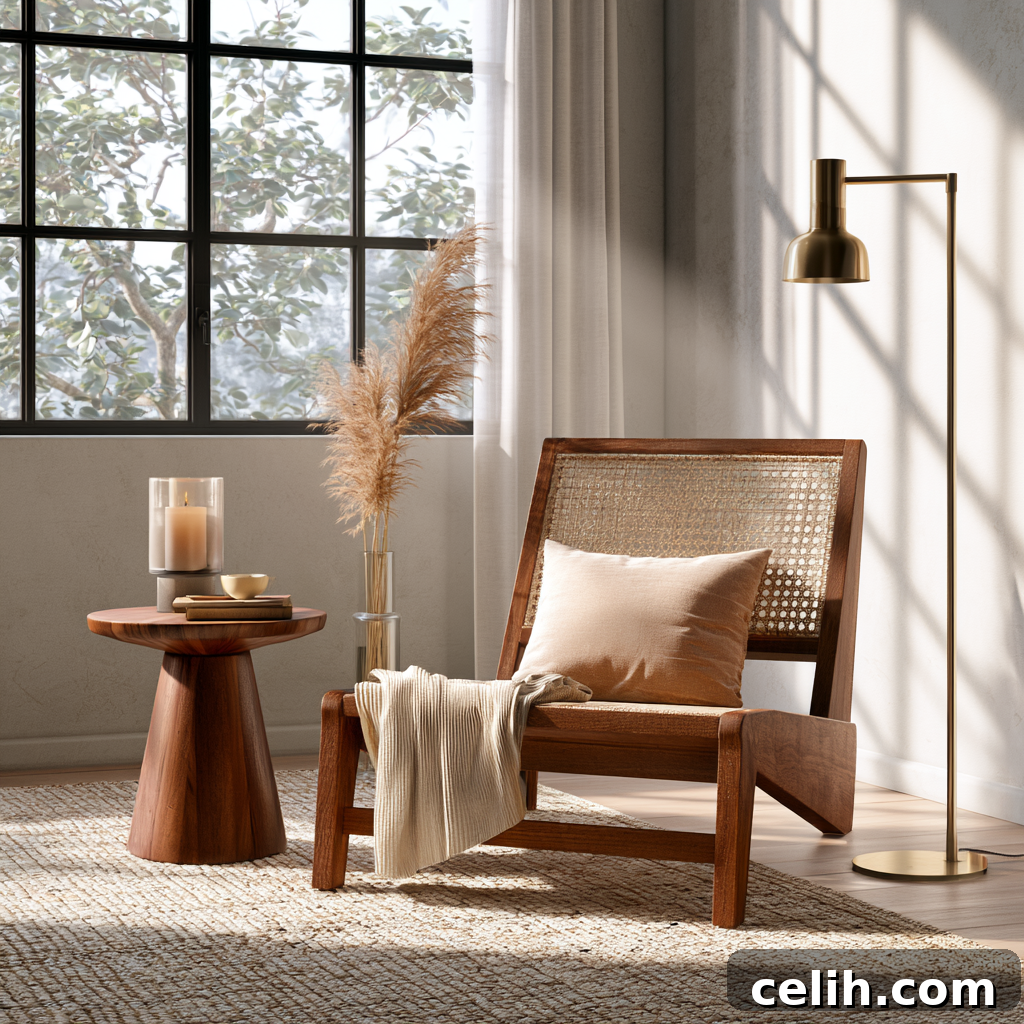
Furniture fashions change, but low-slung pieces remain a lasting favourite. Rooted in mid-century modern and minimalist design, low-profile sofas, chairs and beds create a relaxed, contemporary atmosphere. Their lowered proportions open up sightlines, lending rooms a spacious, inviting feel while encouraging a casual, comfortable way of living.
Whether you commit to a fully low-slung scheme or introduce one or two pieces into an existing room, these designs bring modern style and effortless ease to almost any interior.
Why has low-slung furniture become so popular?
Low-slung furniture has surged in popularity alongside contemporary trends such as Japandi, Scandinavian and mid-century modern styles. These movements prioritise simplicity, comfort and harmony with space—qualities that low-profile furniture naturally supports. By keeping seating and beds closer to the floor, interiors gain an uncluttered, calm appearance that many homeowners find restorative in a fast-paced world.
The trend also mirrors how we use our homes today. Modern living spaces often serve multiple functions—work, entertaining, relaxing and family time. Low-slung pieces promote informal, relaxed living rather than rigid formality. In open-plan layouts, they help maintain sightlines and visual flow, making rooms feel larger and more cohesive.
Low-slung furniture and ceiling height
One clear advantage of lower furniture is its effect on room proportions. When seating and beds sit closer to the floor, more wall remains visible above them, which draws the eye upward and can make ceilings seem taller. Designers use this visual trick to create a sense of airiness and openness.
This approach is especially effective in apartments, loft conversions and cottages with limited ceiling height. Rather than overwhelming the space with bulky pieces, low-profile furniture maximises usable room and prevents a top-heavy appearance. In larger rooms, it can produce a gallery-like ambiance that highlights architectural features, artwork or large windows.
What classes as low-slung furniture?
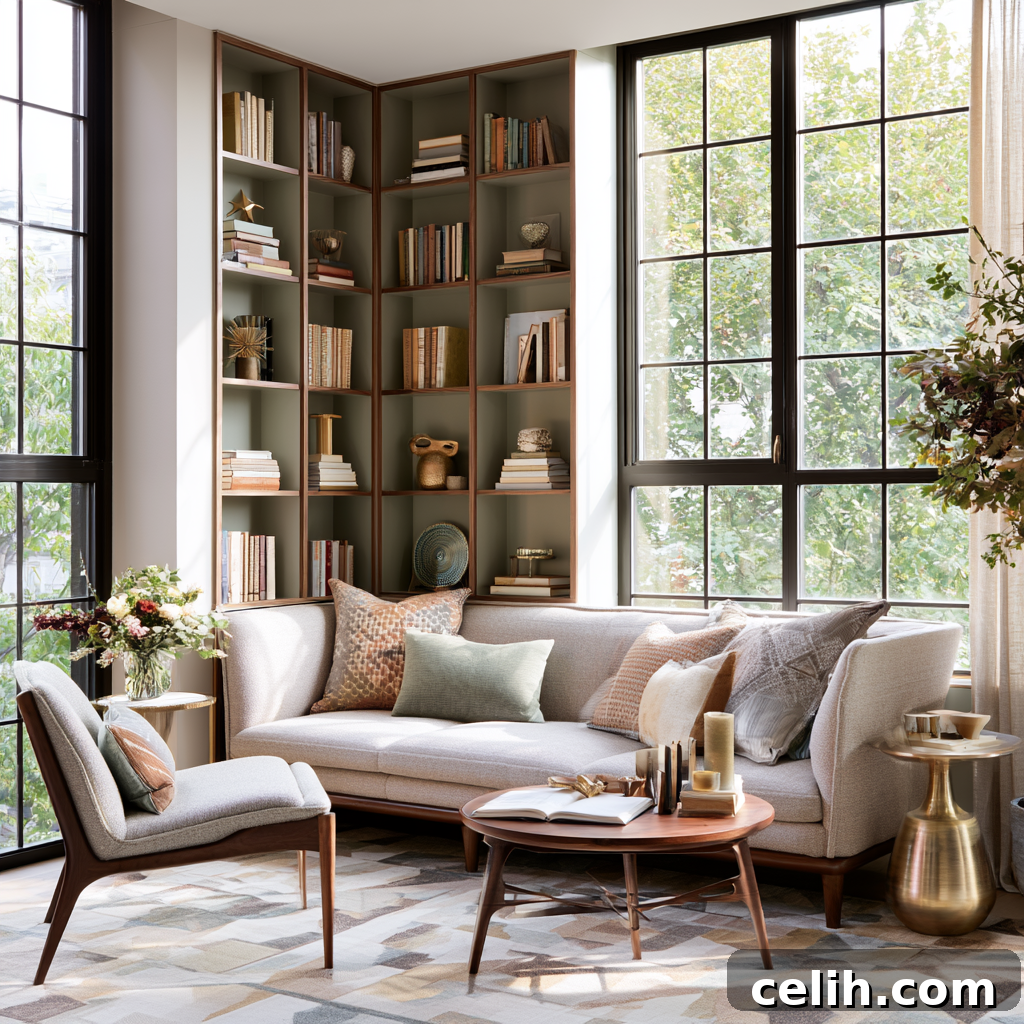
Low-slung furniture is defined by a lower profile than conventional pieces. While standard seating often measures about 17–19 inches from floor to seat, low-profile items typically sit between 12 and 18 inches. This reduced height fosters a cosy, intimate feeling and supports a more relaxed seating posture.
These pieces are frequently elevated on slim wooden or metal legs, reinforcing clean lines and minimal silhouettes. Ornamentation and heavy patterns are uncommon, which helps maintain a contemporary, timeless look. Their lower profile also makes them an excellent choice for small spaces and open-plan arrangements, as they preserve visual continuity across the room.
Best interior styles for low-slung furniture
Low-slung furniture integrates particularly well with Japandi, Scandinavian and mid-century modern interiors, where calm, natural materials and uncluttered lines are key. Minimalist schemes benefit from the clean silhouettes of low-profile pieces, which keep spaces serene without sacrificing comfort. Industrial interiors can be softened with lower seating to add warmth and approachability, while eclectic rooms can use low-slung items to balance bolder decor.
Choosing the right low-slung sofa
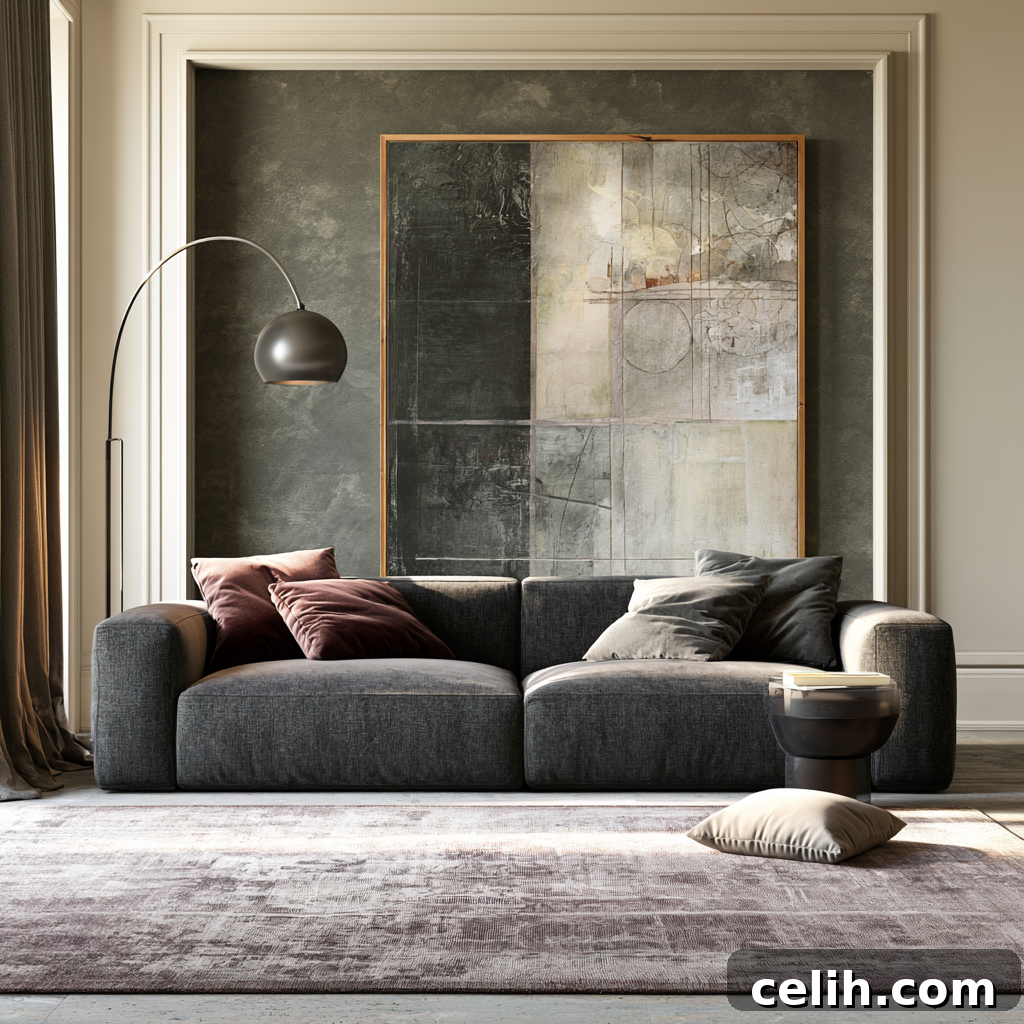
Comfort varies widely among low-profile sofas, so consider seat depth, seat height and cushion firmness before you buy. Deep seats invite lounging but may not suit those who prefer an upright posture or taller users. Firm, supportive cushions can make a low sofa practical for daily use, while overly soft cushions risk being uncomfortable to rise from.
Whenever possible, test sofas in person. Low-slung furniture encourages a different way of sitting; trying several models helps you find a piece that matches both your comfort needs and lifestyle.
Benefits of low-slung furniture
- Comfortable for lounging—low seating promotes relaxation and socialising.
- Creates a clean, modern aesthetic that pairs well with artwork or textured rugs.
- Optimises floor space and prevents rooms from feeling cluttered.
- Makes ceilings appear higher by revealing more wall area above the furniture.
- Preserves sightlines in open-plan layouts and maintains visual flow between zones.
- Complements styles such as Scandinavian, Japandi, minimalism and mid-century modern.
- Encourages a cosy, intimate atmosphere suited to casual living.
- Often features simple, enduring designs that resist dating quickly.
Disadvantages of low-slung furniture
- Can be harder to get up from, making it less suitable for people with limited mobility.
- Its restrained presence may leave a room without a clear focal point unless balanced with bold colour, art or lighting.
- May be impractical for households with elderly family members or very tall people.
- Sits closer to the floor and can collect more dust, pet hair and debris.
- Some low designs offer less under-furniture storage than raised pieces.
- Deep, relaxed seating may not suit activities that require upright posture, like working or formal entertaining.
- Very low-height pieces can be less practical in homes with young children or active pets.
If you’re transitioning from conventional furniture, try a range of low-slung designs and sit on them before committing. Testing ensures the relaxed seating style truly fits your daily needs.
How to style a room with low-slung furniture
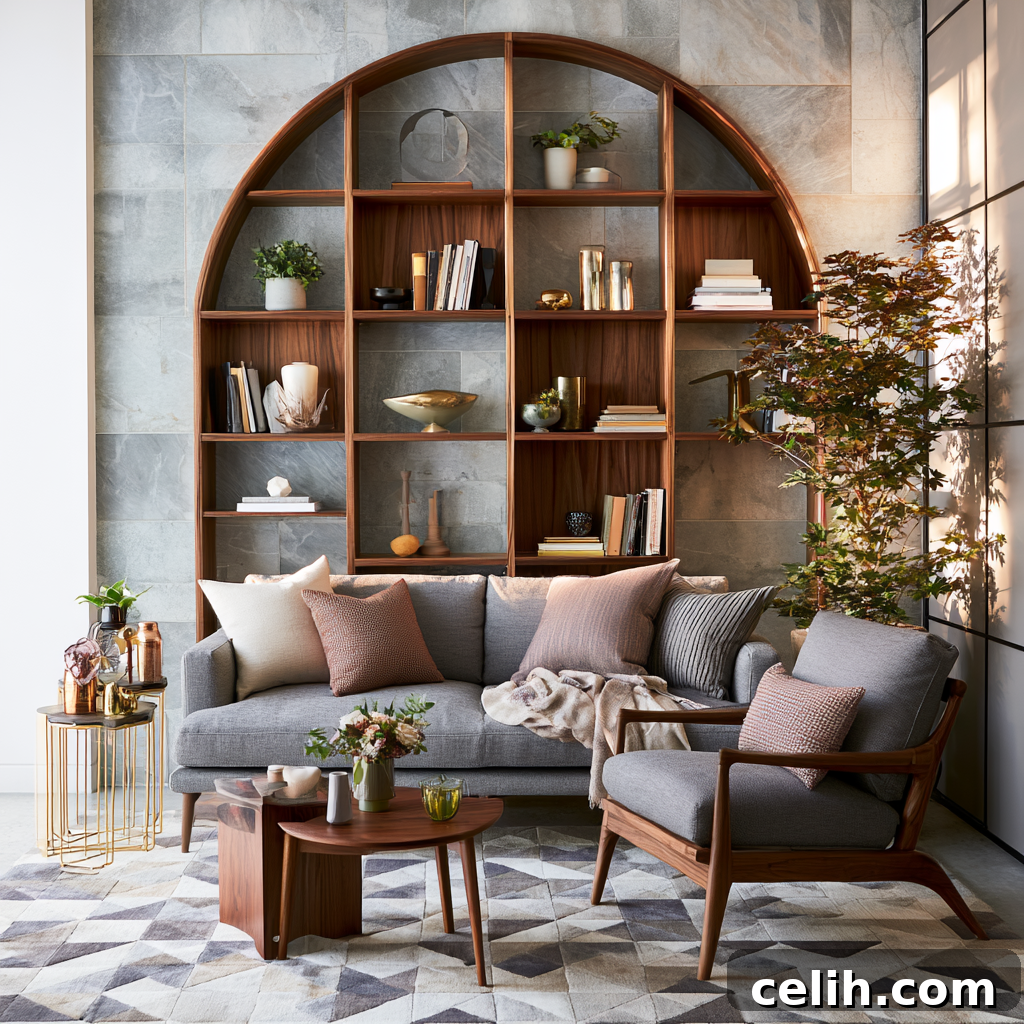
Balance is essential when decorating with low-profile pieces. Because furniture sits lower, the lower half of a room can become visually dominant. Counter this by introducing elements that draw the eye upward: oversized artwork, tall mirrors, floor lamps, vertical shelving and large houseplants all add height and visual interest.
Layer textures with cushions, throws and rugs to add warmth and prevent a sparse feel. In open-plan areas, a large rug under low seating defines zones while keeping the airy, uncluttered character that makes low-slung furniture so appealing. Natural materials—wood, linen, wool and rattan—enhance the relaxed contemporary aesthetic.
Caring for low-slung furniture
Because these pieces are close to the floor, regular vacuuming beneath and around them helps prevent dust and pet hair buildup. Furniture on slim legs is easier to clean under than pieces that sit directly on the floor. For busy homes, choose durable, stain-resistant upholstery and rotate or plump cushions regularly to maintain shape and comfort. Follow manufacturer care instructions to keep your furniture looking its best for years.
Low Slung Furniture Picks
Here are a few standout low-slung pieces to inspire your next room update.