
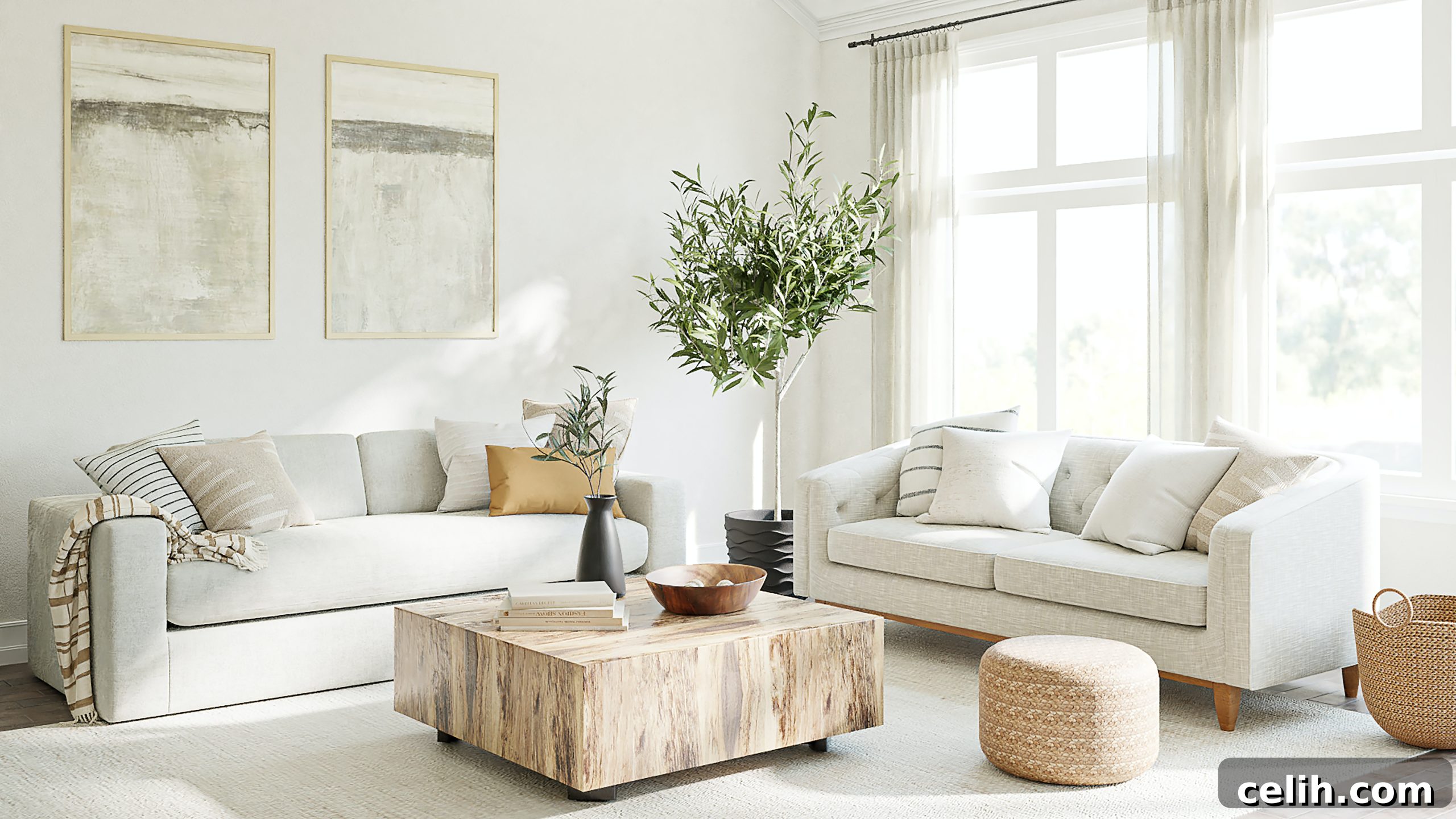
Selling a home is one of the most significant financial transactions many people undertake. In a competitive real estate market, standing out from the crowd is crucial to attracting potential buyers and securing the best possible price. While many factors influence a home’s value, the immediate impression it makes on visitors plays a pivotal role. This is where strategic interior design comes into play. By implementing thoughtful, often simple, changes to your home’s aesthetics and ambiance, you can transform it into a highly desirable property. This guide will walk you through essential interior design tips that create a warm, welcoming, and irresistible environment, making your house sell faster and for top dollar.
Illuminate Your Space: The Power of Strategic Lighting
Lighting is a fundamental element of interior design, often underestimated in its impact on a home’s perceived value and appeal. A brightly lit space feels larger, cleaner, and more inviting, while dim or poorly lit rooms can appear gloomy and cramped. Begin by assessing your home’s current lighting situation. This isn’t just about turning on a light switch; it’s about evaluating the quality, quantity, and distribution of light in each room.
Start by maximizing natural light. Open all blinds, curtains, and shades to let sunlight flood in. Clean your windows thoroughly, as smudges and dirt can significantly reduce the amount of light entering your home. If your current window treatments are heavy, dark, or dated, consider replacing them with lighter, sheer curtains or modern blinds. These allow more natural light to penetrate while still offering privacy. Lighter window coverings also contribute to an airy, open feel, making rooms appear larger and more welcoming.
Beyond natural light, focus on enhancing artificial lighting. Replace any dim or mismatched light bulbs with brighter, energy-efficient LED bulbs. Opt for bulbs with a consistent color temperature, typically in the warm white (2700K-3000K) to neutral white (3500K-4000K) range, to create a cohesive and pleasant ambiance throughout your home. Warm lighting tends to create a cozy and inviting atmosphere, ideal for living areas and bedrooms, while neutral white can be beneficial for task-oriented spaces like kitchens and bathrooms.
Consider the three main types of lighting: ambient, task, and accent. Ambient lighting provides overall illumination, often from ceiling fixtures. Task lighting, such as under-cabinet lights in the kitchen or reading lamps, focuses on specific areas. Accent lighting highlights features like artwork or architectural details. Ensure each room has a balance of these. Adding a few well-placed floor or table lamps can significantly improve a room’s lighting scheme, reducing dark corners and adding warmth. Modern fixtures can also update the aesthetic of a room without a major renovation. Revising your lighting strategy is a cost-effective way to make your home feel more expansive, vibrant, and ultimately, more appealing to potential buyers.
The Transformative Power of Paint: Fresh Walls, Fresh Start
A fresh coat of paint is arguably the most impactful and affordable renovation you can undertake when preparing your home for sale. It instantly rejuvenates a space, covers imperfections, and provides a clean canvas for potential buyers to envision their own lives within your home. The key is to choose your colors wisely.
When selling, the goal is to appeal to the broadest possible audience, and highly personalized or bold color choices can be polarizing. This is why neutral colors are consistently recommended by real estate experts. Shades like white, off-white, light gray, beige, and “greige” (a blend of gray and beige) make a space feel bright, airy, and expansive. These colors also allow a buyer’s furniture and decor to pop, rather than competing with the wall color. Furthermore, neutral palettes often make rooms feel cleaner and more modern, contributing to a premium perception.
Before painting, take the time to prepare your walls properly. Fill any holes or cracks, sand rough patches, and clean surfaces to ensure a smooth, professional finish. If you have any outdated wallpaper that is peeling or showing its age, now is the time to remove it. Wallpaper removal can be tedious, but the payoff of clean, painted walls is immense. A fresh coat of paint doesn’t stop at the walls; consider refreshing cabinets, trim, and interior doors. Worn or chipped woodwork can detract from an otherwise clean space. Painting these elements in a complementary neutral color or crisp white can dramatically elevate the overall look.
For a truly cohesive and polished look, aim for a consistent color palette throughout your home. While you don’t need every room to be the exact same shade, ensuring a natural flow of colors from one space to the next creates a harmonious environment. This seamless transition makes your home feel larger and more thoughtfully designed, enhancing its perceived value and appeal to prospective buyers. This simple yet effective change sets the stage for a positive emotional connection with your property.
Bring Life Indoors: The Appeal of Greenery
Adding plants is one of the quickest and most effective ways to infuse life, color, and a sense of freshness into your home. Plants not only enhance visual appeal but also contribute to a healthier indoor environment by purifying the air, making a space feel more vibrant and inviting. When staging your home, the goal is to create an atmosphere that feels lived-in and comfortable, without being cluttered or overly personalized, and plants are perfect for achieving this balance.
When selecting plants for staging, opt for low-maintenance varieties that look lush and healthy without requiring constant attention. Examples include snake plants, ZZ plants, pothos, peace lilies, and succulents. These plants are generally forgiving and will maintain their appearance even if you’re busy with showings. Place them in stylish, neutral pots that complement your decor rather than distract from it. Avoid overly ornate or brightly colored planters.
Strategic placement is key. Position larger plants in corners of living rooms or dining areas to add height and fill empty spaces, making rooms feel more substantial. Smaller plants can be used to accent shelving, coffee tables, or windowsills. A beautiful plant in your entryway or foyer can create a powerful and positive first impression, conveying warmth and care. However, be mindful not to overdo it; a few strategically placed plants are more effective than a jungle-like arrangement that might make a space feel cramped.
Beyond potted plants, consider adding fresh cut flowers in key areas. A simple vase of fresh flowers on a kitchen island, dining table, or in a bathroom adds an undeniable touch of luxury and vitality. These small, thoughtful details signal to buyers that the home is well-cared for and offers a desirable lifestyle. Additionally, consider a bowl of fresh fruit in the kitchen for a pop of natural color and a subtle, pleasant aroma. These elements contribute to a welcoming sensory experience that helps potential buyers connect emotionally with your home.
Expand Your Horizons: Using Mirrors to Create Illusion
Mirrors are incredibly versatile decorative elements that offer much more than just a place to check your reflection. Strategically placed, they can dramatically enhance a room’s sense of space, light, and visual interest, making them an indispensable tool in home staging. Their reflective properties can trick the eye, making smaller rooms feel larger and darker spaces appear brighter.
The primary benefit of mirrors is their ability to reflect light. By placing a large mirror directly across from a window, you can effectively double the amount of natural light in a room, making it feel more open and airy. This technique is particularly effective in rooms with limited natural light or in spaces that tend to feel a bit dim, instantly brightening and expanding the area. Consider placing a mirror opposite an entryway or at the end of a narrow hallway to create a sense of depth and make the space feel less confined and more grand.
Mirrors can also be used to create the illusion of more space. In small bathrooms, a large, well-placed mirror can make the room appear twice its actual size. In a compact dining area, a substantial mirror can make the room feel more expansive and sophisticated. When selecting mirrors, consider the style of your home. A beautifully framed mirror can serve as a piece of art, adding elegance and character to a wall. Frameless mirrors offer a more minimalist, contemporary look that seamlessly blends into modern decor.
Beyond reflecting light and space, mirrors can be used to accent other elements in your decor. Placing a mirror above a fireplace mantel can draw attention to the fireplace, making it a focal point. Similarly, a mirror placed strategically above a console table or a piece of artwork can highlight those features, adding depth and dimension to your interior design. Experiment with different sizes and shapes, but always ensure the mirror reflects something appealing, such as a window, a piece of art, or another attractive feature of the room. Avoid placing mirrors where they reflect clutter or an undesirable view, as this would defeat their purpose.
The Finer Points: Paying Attention to Small Details
While grand gestures like painting and decluttering make a significant impact, it’s often the small details that elevate a home from merely “nice” to truly “irresistible.” These subtle touches contribute to a buyer’s overall impression, signaling a well-maintained, cared-for home. Overlooking these seemingly minor aspects can undermine all your other efforts, making the difference between a quick sale and a lingering one. Paying meticulous attention to these elements will make it easier for you to sell, whether to individual buyers or to a home buying company such as Mill City Homebuyers, who appreciate a move-in-ready property.
Declutter and Depersonalize
Before any deep cleaning or decorating, embark on a ruthless decluttering mission. Less is more when selling. Remove excess furniture, knick-knacks, and personal items. Think about renting a storage unit to store anything you don’t need for staging. Clear off countertops, tables, and shelves. Buyers need to envision their own belongings and lifestyle in the home, which is difficult if your personal items are everywhere. Depersonalize by removing family photos, highly personal artwork, and religious or political items. Aim for a clean, minimalist look that highlights the home’s features, not your family’s history.
Impeccable Cleanliness
A sparkling clean home is non-negotiable. This goes far beyond a quick tidy-up. Dust all surfaces, including often-forgotten areas like ceiling fans, baseboards, door frames, and window sills. Clean light fixtures and switch plates. Scrub bathrooms until they gleam – paying special attention to grout, shower doors, and mirrors. The kitchen should be spotless, with appliances wiped down, countertops clear, and the sink shining. If you have hardwood floors, ensure they are polished and free of scuffs. Carpets should be professionally cleaned to remove stains and odors. Consider hiring a professional cleaning service for a deep clean before your first showing; it’s an investment that typically pays for itself.
Subtle Scents
While fresh flowers can help, avoid strong artificial air fresheners or scented candles, as these can be off-putting or trigger allergies. The best scent for a home is no scent at all, or a very subtle, clean aroma. Open windows to air out the house, especially after cooking. Brew a pot of coffee or bake some cookies before a showing for a universally appealing, homey fragrance, but don’t overdo it. Ensure pet odors are completely eliminated through deep cleaning carpets, upholstery, and pet beds.
Minor Repairs and Maintenance
Small imperfections can send a message to buyers that the home hasn’t been well-maintained, leading them to wonder about bigger, unseen problems. Address all minor repairs: fix leaky faucets, replace burnt-out light bulbs, tighten loose doorknobs, repair dripping gutters, and patch any small holes in walls. Ensure all appliances are in working order. Even a squeaky door hinge can detract from a buyer’s experience. These inexpensive fixes demonstrate pride of ownership and attention to detail, instilling confidence in potential buyers.
Thoughtful Accessorizing
Once decluttered and cleaned, enhance the space with simple, appealing accessories. Plush, neutral-colored towels in bathrooms, a new shower curtain, and fresh soap can make a big difference. In living areas, arrange throw pillows and blankets neatly on sofas. Add a stack of interesting (but not overly personal) coffee table books. Simple, framed artwork (again, neutral themes) can add character without distracting. The goal is to create a universally appealing, aspirational lifestyle that buyers can easily picture themselves adopting.
By diligently following these interior design and staging tips, you’re not just selling a house; you’re selling a desirable lifestyle and a move-in-ready dream. These strategic changes create a warm, inviting, and spacious environment that resonates deeply with potential buyers. With just a few simple, well-executed adjustments, you can significantly enhance your home’s appeal, shorten its time on the market, and ultimately achieve a top price for your property, ensuring a smooth and successful sale.