
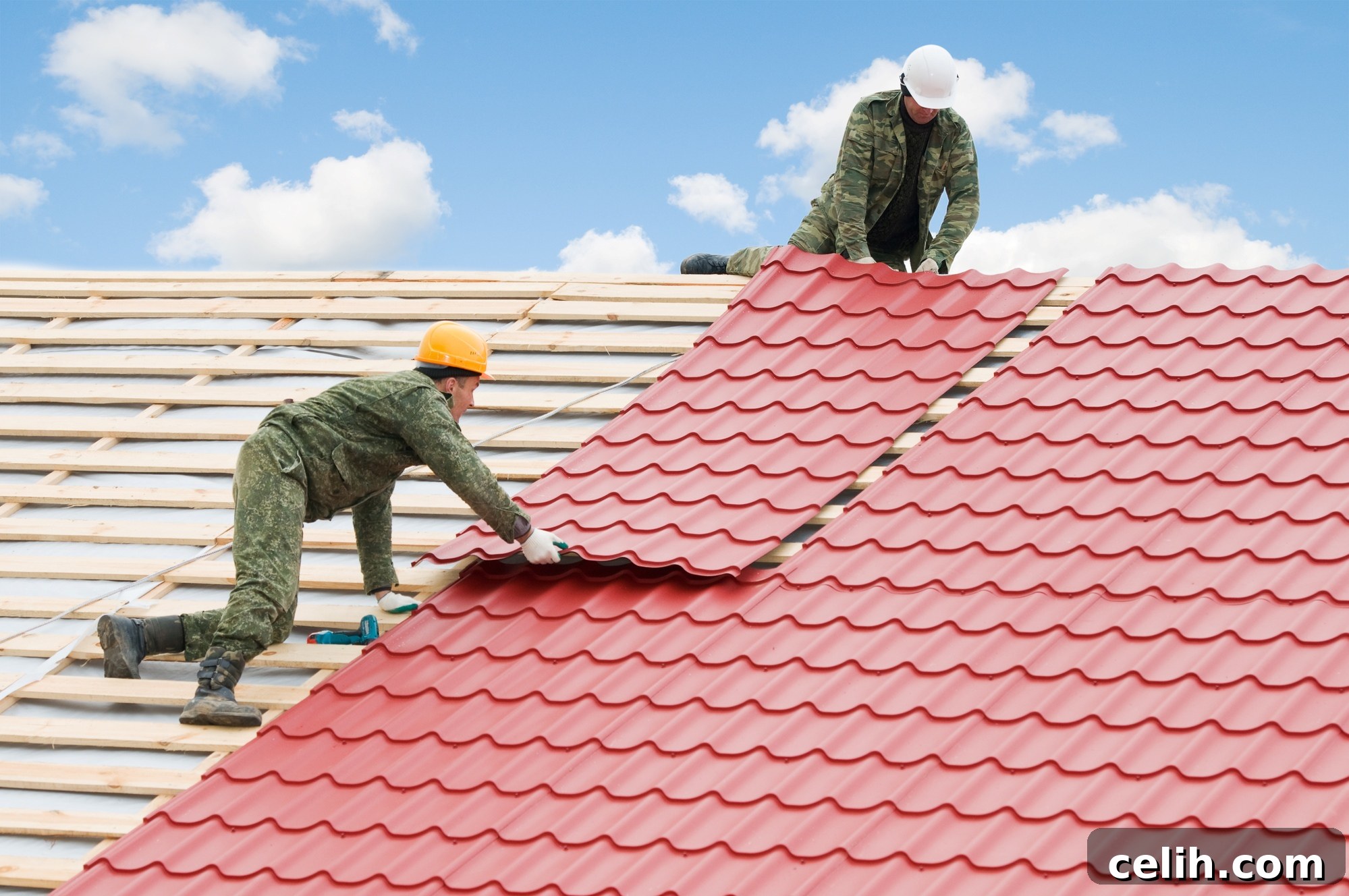
In an era defined by increasing environmental awareness and the pressing need for sustainable living, individuals and businesses alike are actively seeking innovative strategies to curtail energy consumption and minimize their ecological footprint. Among the most impactful areas for achieving these goals is roofing. The choice of roofing solutions can play a pivotal role in optimizing energy efficiency, transforming a building from an energy drain into a smart, sustainable asset. This comprehensive guide will explore how selecting the right roofing system can dramatically enhance a property’s energy performance, leading to substantial savings, improved comfort, and a healthier planet.
Embrace Reflective Roof Materials: The Power of Cool Roofs
Often referred to as “cool roofs,” these revolutionary systems are specifically engineered to reflect significantly more sunlight and absorb less heat than conventional roofing materials. Unlike dark, traditional roofs that can reach temperatures upwards of 150°F (65°C) on a sunny day, cool roofs typically remain much cooler, often staying within 10-20°F (5-10°C) of the ambient air temperature. This remarkable reflective quality works by sending solar radiation back into the atmosphere, rather than allowing it to penetrate the building envelope. By preventing heat gain, cool roofs effectively reduce the workload on air conditioning systems, leading to a noticeable decrease in energy consumption and, consequently, lower utility bills.
While particularly advantageous in hot climates where cooling demands are high, the benefits of cool roofs extend to various environments. In temperate regions, they can help mitigate the urban heat island effect, a phenomenon where metropolitan areas become significantly warmer than their surrounding rural landscapes due to heat-absorbing surfaces like dark roofs and pavement. The materials used to achieve cool roof properties are diverse and continuously evolving. These include highly reflective sheet coverings such as TPO (thermoplastic polyolefin) and PVC (polyvinyl chloride) membranes, specialized reflective paints applied over existing roofs, and advanced shingles or tiles formulated with special pigments that reflect infrared radiation. Investing in a cool roof is a proactive step towards long-term energy savings, enhanced indoor comfort, and a reduced carbon footprint, making it a cornerstone of any sustainable building strategy. When exploring types of apartment roofs, the cool roof option often emerges as a top contender for its myriad environmental and economic advantages.
Implement Proper Insulation: The Thermal Barrier
Effective insulation is paramount in maintaining the energy efficiency of any roof system, serving as the critical thermal barrier between your living space and the elements. A well-insulated roof acts as a shield, preventing heat from escaping during colder months and blocking unwanted heat gain during summer. This dual action ensures a more stable and comfortable indoor temperature year-round, significantly reducing the reliance on heating and cooling systems. The proper installation and choice of insulation type are crucial for maximizing these benefits, as even small gaps or insufficient R-value can compromise performance.
The market offers a variety of insulation types, each with unique characteristics suited for different applications and climates. Fiberglass insulation remains a popular and cost-effective choice, available in batts, rolls, or loose-fill forms, and is effective in a wide range of climates due to its excellent thermal resistance (R-value). Radiant barrier insulation, typically a reflective foil material, functions by not absorbing heat but rather reflecting radiant heat energy. It is exceptionally effective in hot climates, particularly when installed in attics, as it prevents heat from radiating downwards into the living space. Spray foam insulation, whether open-cell or closed-cell, provides superior thermal performance and creates an excellent air seal, effectively filling irregular cracks and gaps. This airtight barrier not only enhances energy efficiency but also improves indoor air quality by preventing moisture and pollutant infiltration. Other options include rigid foam boards, such as XPS (extruded polystyrene) or polyisocyanurate, which offer high R-values in compact forms, ideal for specific roofing applications. Understanding the R-value, which measures thermal resistance, is key to selecting the appropriate insulation for your climate and building design. A higher R-value indicates greater insulating power, directly contributing to a more energy-efficient roof and lower utility bills.
Strategic Roof Colors: Reflecting Heat Away
The color of your roof is far more than just an aesthetic choice; it’s a significant factor in your home’s thermal performance. Generally, opting for lighter roof colors is a highly effective strategy for boosting energy efficiency, as they naturally reflect a greater proportion of sunlight and absorb less heat compared to darker shades. Common and excellent choices for energy-efficient roofs include beige, light gray, and white. These lighter hues can dramatically reduce your roof surface temperature by as much as 50°F (28°C) or more when compared to a dark-colored roof under direct sunlight. This temperature difference directly translates to reduced heat transfer into the attic and living spaces below, easing the burden on air conditioning systems.
Beyond traditional light colors, advancements in roofing technology have introduced “cool-colored” materials. These innovative materials incorporate special pigments that are designed to reflect infrared (IR) light, which is the primary contributor to heat absorption, while still allowing for a darker appearance if desired. This means you can achieve energy efficiency without compromising on specific aesthetic preferences. For homeowners with steep-sloped roofs, cool asphalt shingles are an excellent option. They are formulated with reflective granules that enhance solar reflectivity and typically cost about the same as regular asphalt shingles, offering a cost-effective path to improved energy performance. Furthermore, a wide array of other durable roofing materials are now available in cool colors, including metal roofing, concrete tiles, and clay tiles. Metal roofing, in particular, offers inherent reflectivity and can be coated with highly reflective finishes, making it a top choice for sustainable construction. Concrete and clay tiles, when manufactured with reflective pigments, also provide excellent thermal performance and longevity. When planning a roof replacement or new installation, considering both the solar reflectance and thermal emittance values of roofing materials can guide you toward the most energy-efficient and aesthetically pleasing choice for your home.
Embrace Smart Roofing: The Future of Home Energy Management
The integration of cutting-edge technology into roofing systems has ushered in the era of smart roofs, representing a significant leap forward in optimizing energy use and adapting to dynamic weather conditions. These intelligent systems leverage sensors, automation, and connectivity to continuously monitor environmental factors and proactively adjust components to maximize energy efficiency and occupant comfort. For example, some advanced smart roof systems are equipped with automated vents that can detect rising indoor temperatures during hot summer days and open to release trapped heat, preventing it from radiating into the living space. Conversely, these same vents can automatically close in winter to retain warmth, minimizing heat loss and reducing heating demands. This dynamic responsiveness sets smart roofs apart from static roofing solutions.
The benefits of implementing a smart roofing system are multifaceted and substantial. Firstly, they offer considerable long-term savings due to highly efficient energy use. By intelligently managing temperature and ventilation, smart roofs reduce the need for conventional HVAC systems to work overtime, leading to lower energy bills year after year. Secondly, they significantly decrease the need for manual adjustments and maintenance, as the system autonomously responds to changing conditions, freeing homeowners from constant monitoring. Thirdly, the ability to automatically adapt and optimize for various weather patterns ensures maximum energy efficiency throughout the year, regardless of external conditions. Beyond ventilation, smart roofs can incorporate integrated solar panels for renewable energy generation, rainwater harvesting systems, and even self-cleaning capabilities. Some systems can be connected to smart home platforms, allowing homeowners to monitor performance, receive alerts, and control settings remotely via smartphone applications. This level of control and automation not only enhances energy savings but also provides unparalleled convenience and peace of mind, positioning smart roofing as a cornerstone of modern, sustainable home management.
Consider Roofing Underlayment: An Essential Protective Layer
While often hidden beneath the visible roofing materials, energy-efficient roofing underlayments play a crucial, yet frequently underestimated, role in a roof’s overall performance. This protective layer is strategically placed between the primary roofing materials (such as shingles, tiles, or metal panels) and the roof deck. Its primary function is to provide an added line of defense against moisture intrusion, safeguarding the structural integrity of your home. However, modern underlayments have evolved to offer much more than just moisture protection; they are now engineered to significantly enhance the overall energy efficiency of your roof system.
High-performance underlayments contribute to energy efficiency by creating an additional barrier against heat transfer. They help to reduce the amount of heat that penetrates the roof deck and radiates into the attic space, particularly during hot summer months. Some advanced synthetic underlayments feature reflective properties, further contributing to a cool roof assembly by bouncing solar radiation away from the building envelope. Beyond thermal benefits, many contemporary underlayments also act as an air barrier, preventing unwanted air leakage into and out of the attic. Air leakage can account for a significant portion of a home’s energy loss, making an airtight roof assembly essential for maximum efficiency. By integrating a high-quality, energy-efficient underlayment, homeowners can achieve improved thermal performance, enhanced moisture protection, and a more robust roof system that contributes to a comfortable and energy-efficient indoor environment. This often overlooked component is a vital investment in the longevity and sustainable performance of your entire roof structure.
Embrace Green Roofs: Living Eco-Systems on Your Building
Also known as living roofs, green roofs are revolutionary roofing systems covered with a layer of soil and living vegetation, transforming otherwise barren surfaces into vibrant, functional ecosystems. These innovative roofs offer a multitude of environmental and economic benefits, with energy efficiency being one of the most significant. The layer of soil and plants provides exceptional natural insulation, creating a substantial thermal barrier that dramatically reduces heat transfer through the roof. This means less energy is required for cooling in summer, as the plants actively cool the building through evapotranspiration and block solar radiation. In winter, the green roof acts as an additional insulating blanket, minimizing heat loss and lowering heating demands. This natural insulation capability translates directly into reduced energy consumption and significant savings on utility bills.
Beyond their impressive insulating properties, green roofs contribute to better air quality by filtering pollutants and producing oxygen. They also play a crucial role in enhanced stormwater management, absorbing and retaining rainfall, thereby reducing runoff and mitigating urban flooding. Furthermore, green roofs foster increased biodiversity by providing habitats for insects, birds, and other wildlife in urban environments. They combat the urban heat island effect by cooling the surrounding air, creating a more pleasant microclimate. Green roofs come in various forms, typically categorized as extensive or intensive. Extensive green roofs feature a shallow layer of growing medium (2-6 inches) and are planted with hardy, drought-tolerant vegetation like sedums, requiring minimal maintenance. Intensive green roofs, on the other hand, have a deeper growing medium (6 inches or more), allowing for a wider variety of plants, shrubs, and even small trees, and often include accessible pathways, resembling a park. While initial installation costs might be higher, the long-term benefits, including extended roof membrane lifespan, reduced energy costs, and improved environmental quality, make green roofs a highly sustainable and attractive investment for forward-thinking property owners and developers.
Conclusion: Investing in an Energy-Efficient Roof for a Sustainable Future
In an increasingly energy-conscious world, transforming a roof into an energy-efficient asset stands out as one of the smartest and most impactful investments homeowners and building managers can make. The cumulative benefits extend far beyond immediate cost savings, encompassing enhanced indoor comfort, a substantial reduction in carbon footprint, and a tangible contribution to environmental sustainability. By strategically implementing one or more of the solutions discussed—be it embracing the reflective properties of cool roofs, fortifying your home with proper insulation, selecting heat-reflecting roof colors, integrating smart roofing technology, utilizing advanced underlayments, or pioneering with living green roofs—you are taking decisive steps towards a more sustainable and economically sound future.
The journey to an energy-efficient home is ongoing, and maintaining your roof regularly is just as crucial as its initial design and material choices. Regular inspections, timely repairs, and appropriate cleaning practices ensure that your chosen energy-efficient features continue to perform optimally for years to come. Ultimately, an energy-efficient roof is not merely an upgrade; it’s a foundational element for a resilient, comfortable, and environmentally responsible living or working space. By making informed decisions about your roofing system, you are not just building a roof; you are investing in a healthier planet and a more efficient, comfortable home for generations to come. Consult with reputable roofing professionals to assess your specific needs and unlock the full potential of your roof’s energy-saving capabilities.