
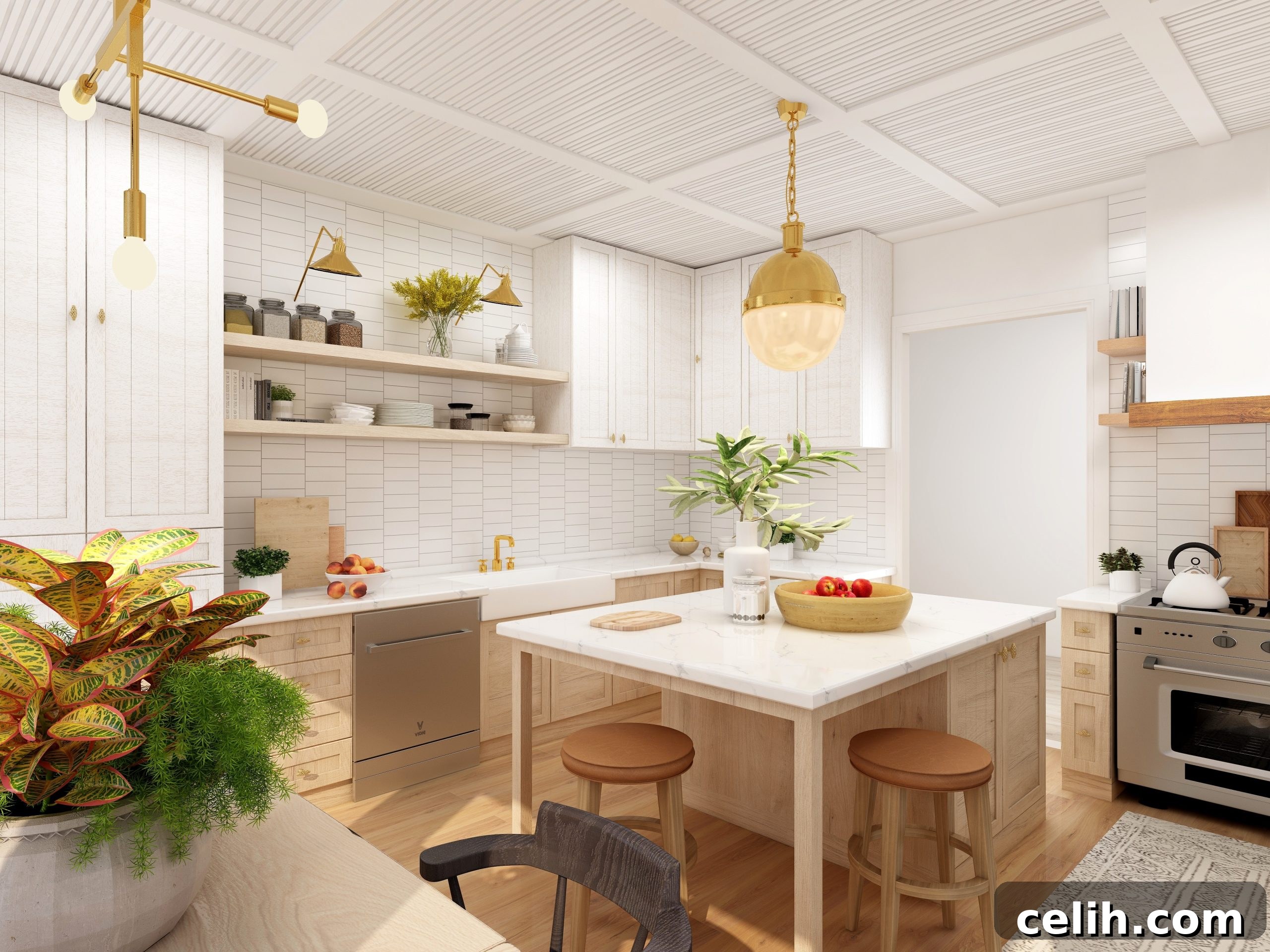
Medium-density fiberboard, more commonly known as MDF, has firmly established itself as a cornerstone material in modern construction, interior design, and DIY projects. Its remarkable versatility, cost-effectiveness, and consistent quality make it a preferred choice for countless applications around the home and in commercial settings. Far from being a one-size-fits-all product, MDF is available in several distinct types, each engineered with unique characteristics to suit specific needs and environments. Understanding these variations is crucial for achieving optimal results and ensuring the longevity of your projects.
Here at Fresh Design, we delve deep into the world of MDF, providing a comprehensive guide to its various forms and their ideal applications. Whether you’re planning to build custom furniture, upgrade your kitchen, or tackle a simple shelving unit, this guide will equip you with the knowledge to select the perfect MDF board for your next endeavor, transforming your creative visions into durable realities.
Unpacking the Appeal of MDF
Before exploring the specific types, it’s worth highlighting the general advantages that make MDF such a popular material. Unlike solid wood, MDF is an engineered wood product made from wood fibers, wax, and a resin binder, pressed together under high temperature and pressure. This manufacturing process results in a material with a remarkably smooth surface, a uniform density throughout, and an absence of knots or grain patterns. These characteristics make it exceptionally easy to cut, drill, and machine without splintering or tearing, providing a pristine canvas for paint, veneer, or laminate finishes. Its dimensional stability also means it resists warping and cracking more effectively than solid wood, especially in fluctuating humidity levels. These combined benefits contribute to MDF’s widespread adoption, offering a reliable and aesthetically pleasing solution for a multitude of interior applications.
Standard MDF: The Versatile Workhorse
Standard MDF represents the foundational variant of this composite wood product, and it is by far the most commonly encountered type. Crafted from finely pulverized wood fibers, which are then mixed with wax and resin adhesives, and subsequently compressed under intense heat and pressure, it forms a dense, homogeneous, and incredibly consistent sheet. This uniform composition distinguishes it significantly from plywood or solid timber, providing a stable and predictable material that is a dream to work with for both professional builders and enthusiastic DIYers.
The surface of standard MDF is inherently smooth and bare, presenting an ideal substrate for a wide array of finishing treatments. Whether your project calls for priming and painting to achieve a vibrant, flawless color, or for the application of veneers to mimic the rich aesthetics of natural wood, standard MDF accepts these finishes beautifully. Its fine texture means that paint adheres exceptionally well, resulting in a glass-smooth finish that often surpasses what can be achieved with natural wood, which is prone to showing grain patterns or knots.
Due to its high density and remarkable stability, standard MDF exhibits superior resistance to warping, cracking, and splitting compared to solid wood, particularly in environments with stable humidity. This inherent stability makes it an excellent material for constructing furniture carcasses, cabinet boxes, drawer fronts, and shelving units where structural integrity and precise dimensions are paramount. Furthermore, its dense core provides excellent screw retention, ensuring that fasteners hold firmly, which is essential for durable furniture construction.
However, it is vital to acknowledge the primary limitation of standard MDF: it is strictly intended for indoor use. Its untreated nature makes it highly susceptible to moisture absorption, which can lead to swelling, delamination, and irreparable damage. Therefore, while it excels in dry interior spaces, it should be avoided in areas prone to high humidity or direct water exposure, such as bathrooms, laundry rooms, or outdoor applications. When properly utilized and finished, standard MDF offers an unbeatable combination of affordability, workability, and aesthetic potential for a vast array of interior projects.
Moisture-Resistant MDF (MR-MDF): Designed for Humidity
True to its name, Moisture-Resistant MDF, or MR-MDF, is specifically engineered to perform effectively in environments where humidity is a significant factor. Unlike standard MDF, MR-MDF undergoes a specialized treatment during its manufacturing process. The wood fibers are infused with hydrophobic substances, most commonly paraffin, which act as a barrier against moisture ingress. This treatment helps the board repel water more efficiently while still allowing it to ‘breathe,’ preventing excessive swelling or deterioration when exposed to elevated humidity levels.
This enhanced resistance makes MR-MDF an outstanding choice for critical applications within the home where moisture is a concern. It is widely used for kitchen cabinets and worktops, bathroom vanities, laundry room shelving, and even as tile backer board in less extreme wet areas. While it offers significantly improved protection against minor water spills, steam from cooking, or the humidity typical of a bathroom, it is important to remember that MR-MDF is resistant, not waterproof. Prolonged direct contact with water or continuous exposure to very high humidity can still cause damage over time.
Visually, MR-MDF often has a distinctive green or blue tint, which helps differentiate it from standard MDF during storage and installation, ensuring the correct material is used for the intended application. From a finishing perspective, MR-MDF behaves much like its standard counterpart. It accepts paints, lacquers, and veneers exceptionally well, allowing for a consistent aesthetic across various parts of a project, even when different types of MDF are employed. For homeowners and contractors seeking a durable, versatile material for semi-wet interior spaces, MR-MDF provides a reliable and long-lasting solution, bridging the gap between standard MDF and more expensive waterproof alternatives.
Melamine MDF: The Pre-Finished Solution
Melamine MDF stands out as a highly practical and aesthetically pleasing option, particularly when the goal is to bypass the additional steps of painting, veneering, or laminating. This innovative type of MDF comes with a decorative, resin-impregnated paper fused directly onto one or both surfaces of the board under intense heat and pressure. The result is a pre-finished panel that boasts both visual appeal and enhanced durability, eliminating the need for further surface treatments.
One of the most compelling advantages of Melamine MDF is its vast array of design possibilities. It is available in an extensive range of patterns, textures, and solid colors. You can find options that convincingly mimic the authentic look and feel of various wood grains, from oak to walnut, as well as modern finishes replicating slate, concrete, or sophisticated solid hues like crisp whites, muted grays, and bold blacks. This decorative versatility makes it an excellent choice for achieving a specific aesthetic without the cost or labor associated with genuine wood or other premium materials.
Beyond its visual appeal, the melamine surface is highly functional. It is inherently scratch-resistant, making it well-suited for high-traffic areas and surfaces that endure regular use. Furthermore, it is incredibly easy to clean, requiring only a simple wipe with a damp cloth to maintain its pristine appearance, which contributes to its hygienic properties. These qualities make Melamine MDF ideal for a multitude of applications, including cabinet boxes, internal shelving units, closet systems, and various types of furniture such as desks, entertainment centers, and retail display units.
The efficiency it offers is particularly appealing to both DIY enthusiasts and professional contractors. By providing a finished surface straight from the supplier, Melamine MDF significantly streamlines project timelines and reduces labor costs associated with traditional finishing processes. While the faces are finished, the edges can be left bare for a utilitarian look or, more commonly, sealed with matching edge banding strips made of melamine or PVC. This creates a seamless, polished appearance that rivals custom-built pieces.
Even with its durable surface, minor scratches can occasionally occur. The good news is that these can often be touched up with specialized fillers or repair pens, allowing the original finish to be restored with relative ease. For projects where durability, ease of maintenance, and a pre-finished aesthetic are top priorities, Melamine MDF offers an intelligent, cost-effective, and stylish solution.
Fire-Retardant MDF (FR-MDF): Enhanced Safety
Fire-Retardant MDF, or FR-MDF, is a specialized variant designed with safety as its paramount feature. Unlike standard MDF, FR-MDF incorporates specific chemical additives, often inorganic salts, into its fiber composition during the manufacturing process. These additives significantly enhance the board’s resistance to ignition and reduce the spread of flame, causing it to burn much slower than conventional MDF products. This crucial characteristic allows FR-MDF to meet stringent fire safety codes and regulations, which are particularly important in commercial and industrial building applications.
Beyond its slower burning rate, a key advantage of FR-MDF is its emission profile during a fire. While standard MDF and MR-MDF can release toxic gases and dense smoke when combusting, FR-MDF is engineered to emit considerably less smoke and noxious fumes. This makes it a safer material, as reduced smoke production improves visibility for occupants during evacuation and minimizes the inhalation of harmful substances, contributing to overall life safety.
FR-MDF is typically classified according to various international fire performance standards, such as Euroclass ratings (e.g., B or C) or national standards like Class 1 or Class 0 in the UK. These classifications dictate its suitability for use in specific building types and zones, ensuring compliance with local building codes. Common applications for FR-MDF include public buildings like schools, hospitals, libraries, and theatres, as well as offices, exhibition stands, and commercial kitchens where fire safety is paramount.
For homeowners, while not always a mandatory requirement, choosing FR-MDF can provide an increased level of fire safety in specific areas of the home. This might include around fireplaces, wood stoves, boiler cupboards, or in utility rooms where there are potential heat sources. It offers peace of mind by adding an extra layer of protection against accidental fires.
It’s worth noting that FR-MDF is generally denser and consequently more expensive than regular MDF due to the specialized additives and manufacturing process. It is often identifiable by a distinct red or blue coloring throughout the board, which helps distinguish it on-site. Despite its enhanced properties, FR-MDF retains excellent machining and finishing characteristics, similar to other MDF types, allowing for versatile applications without compromising on workability or aesthetic potential.
Ultra-Light MDF (UL-MDF): The Lightweight Solution
When the weight of the material is a critical concern, Ultra-Light MDF (UL-MDF) presents an ingenious solution. Engineered with a significantly lower density core compared to standard MDF, UL-MDF achieves a substantial reduction in weight while remarkably maintaining the smooth, easily workable surfaces that MDF is known for. This lighter composition is achieved by incorporating more air pockets within the central layer of the board, resulting in panels that can be up to 50% lighter than their standard counterparts.
The primary advantage of UL-MDF lies in its ease of handling and reduced structural load. For contractors and manufacturers, this translates to easier transportation, quicker installation, and less strain on supporting structures. It is particularly valued in applications where overall weight must be minimized without sacrificing the aesthetic or workability benefits of MDF.
Professional use cases for ultra-light MDF are diverse and include the creation of interior trim elements, modular furniture systems that require frequent rearrangement, and cabinet doors or panels that need to exert minimal stress on hinges and wall frameworks. Its reduced weight also makes it ideal for components in caravans, recreational vehicles (RVs), and exhibition stands, where portability and lightweight construction are paramount.
For homeowners and DIY enthusiasts, UL-MDF is incredibly helpful for projects where lightness is desired, making tasks more manageable. It’s perfect for constructing DIY shelving units that are easier to mount and adjust, removable panels for access to utilities, and other semi-permanent installations where weight can be a limiting factor. Imagine building a large decorative wall panel or a custom headboard that is easy to lift and install without requiring multiple people. While lighter, UL-MDF still offers good stability and an excellent surface for finishing, making it a versatile choice for a wide range of creative home improvement projects.
MDF Moldings and Decorative Elements
MDF’s consistent density and smooth finish make it an exceptional material for crafting decorative and functional moldings. Home improvement centers and specialized suppliers stock an extensive range of MDF moldings, offering an affordable and practical alternative to traditional solid wood trim. These typically include pre-primed MDF crown moldings, chair rails, baseboards, architraves for doors and windows, and various other decorative profiles.
One of the most significant benefits of MDF moldings is their uniformity in size and shape. Unlike natural wood, which can have variations in grain, knots, and moisture content that lead to warping or splitting, MDF moldings are consistently straight and true. This inherent consistency dramatically simplifies the installation process, ensuring clean lines and tight joints with less effort and fewer material imperfections. The fact that many MDF moldings come pre-primed is another major time-saver, eliminating the need for extensive preparation before the final paint coats can be applied.
Compared to solid wood alternatives, MDF offers a remarkably cost-effective solution for upgrading the aesthetic of a room. It allows homeowners to achieve a high-end, finished look without the premium price tag. MDF is an excellent material for creating elegant wainscoting panels, adding intricate ceiling medallions, or crafting custom decorative accents that enhance architectural detail.
Thanks to its stable composition, intricate details and sharp edges on MDF moldings will remain crisp and defined over time, resisting the subtle changes that can sometimes affect solid wood. This makes it a reliable choice for long-lasting interior finishes that maintain their aesthetic appeal for years to come. From adding a touch of classic elegance to a modern minimalistic finish, MDF moldings provide a flexible and durable option for elevating any interior space.
Working with MDF: Essential Tips for Success
While MDF is celebrated for its workability, understanding a few key practices can ensure your projects are successful and durable. When cutting MDF, always use sharp, carbide-tipped blades to achieve clean edges and minimize chipping. Due to the fine dust produced, which can be an irritant, wearing appropriate personal protective equipment, including a dust mask or respirator and eye protection, is highly recommended. For sanding, start with a medium grit (around 120-150) and progress to a finer grit (220) to achieve a super-smooth finish, especially important for surfaces intended for painting.
Painting MDF requires particular attention to priming. MDF is quite porous, especially on its cut edges, and will absorb paint unevenly if not properly sealed. A good quality oil-based primer or a dedicated MDF primer should be applied to all surfaces and edges. Edges, in particular, may benefit from a second coat of primer or a specialized edge sealer to prevent excessive paint absorption and ensure a uniform finish. Once primed, MDF accepts various types of paint, from latex to oil-based enamels, yielding a beautiful, smooth surface.
For joining MDF, wood glue (such as PVA adhesive) works exceptionally well. When using screws, it’s crucial to pre-drill pilot holes to prevent splitting, especially near edges. Traditional joinery methods like dowels, biscuits, or pocket screws are also effective. When constructing cabinets or furniture, consider using glue and screws in combination for maximum strength and rigidity.
Choosing the Right MDF for Your Project
The decision of which MDF type to use hinges entirely on the specific requirements of your project and its intended environment. For interior furniture, cabinetry components, or general DIY projects in dry areas, standard MDF offers an affordable and highly workable solution. If your project involves areas prone to higher humidity, such as kitchen cabinet carcasses, bathroom vanities, or window sills, Moisture-Resistant MDF is the intelligent choice, offering enhanced durability against incidental moisture. For projects that demand a ready-to-use, scratch-resistant, and easy-to-clean surface, such as office furniture, closet systems, or retail displays, Melamine MDF provides a versatile and cost-effective pre-finished option.
For applications where fire safety is a critical concern, particularly in commercial settings or specific areas within a home like boiler rooms or around fireplaces, Fire-Retardant MDF is essential for compliance and enhanced safety. Finally, for projects where reducing overall weight is paramount, such as lightweight furniture, modular units, or components for caravans, Ultra-Light MDF offers the perfect blend of strength and portability without compromise.
MDF provides an incredibly accessible and adaptable core material for crafting custom furniture, built-ins, or decorative elements to precise dimensions. With basic woodworking tools, DIY enthusiasts can cut and shape standard MDF sheets into virtually anything their project plans dictate, subsequently applying edge banding, laminates, wraps, or paint to achieve the desired finish. Alternatively, to save time and effort, many home improvement stores and specialized suppliers, like Cut My, offer MDF sheets cut to size, eliminating the hassle of measuring, cutting, and even priming.
For the budget-conscious homeowner embarking on renovations, or the recreational woodworker exploring new creations, MDF stands as a truly versatile and reliable sheet material. Capable of becoming elegant cabinets, intelligent storage solutions, intricate decorative accents, and anything else creativity allows, its potential is vast. The key to unlocking its full benefits and ensuring satisfactory results and longevity from this remarkable composite wood product lies in selecting the proper MDF grade for each specific application. Armed with this knowledge, you can confidently choose the best MDF type to bring your design ideas to life, ensuring both beauty and durability.