
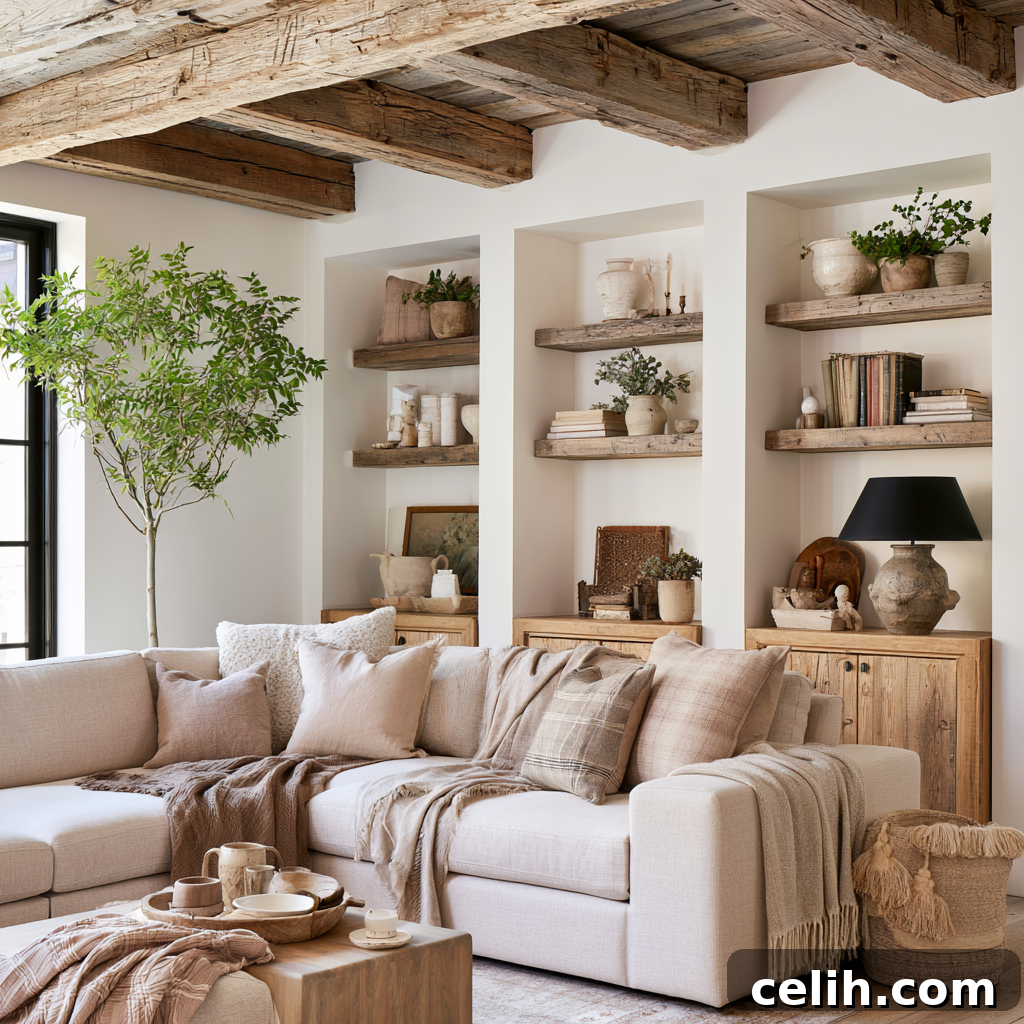
In a modern farmhouse interior, lighting is the subtle detail that pulls everything together. Textures are soft, furniture relaxed and the palette calming, but without thoughtful illumination even a well-designed farmhouse space can feel flat or uninviting.
Modern farmhouse lighting isn’t about dramatic chandeliers in every room or trendy statement fixtures that date quickly. It prioritises warmth, balance and atmosphere. The best lighting feels natural, layered and welcoming — practical for daily life while making the home feel cosy and lived-in.
The aim is simple: create spaces that feel soft and inviting from morning through evening. This guide outlines the fixtures that work in modern farmhouse interiors, where to place them and how to combine them without creating visual clutter.
Why Lighting Matters So Much in Modern Farmhouse Design Interiors
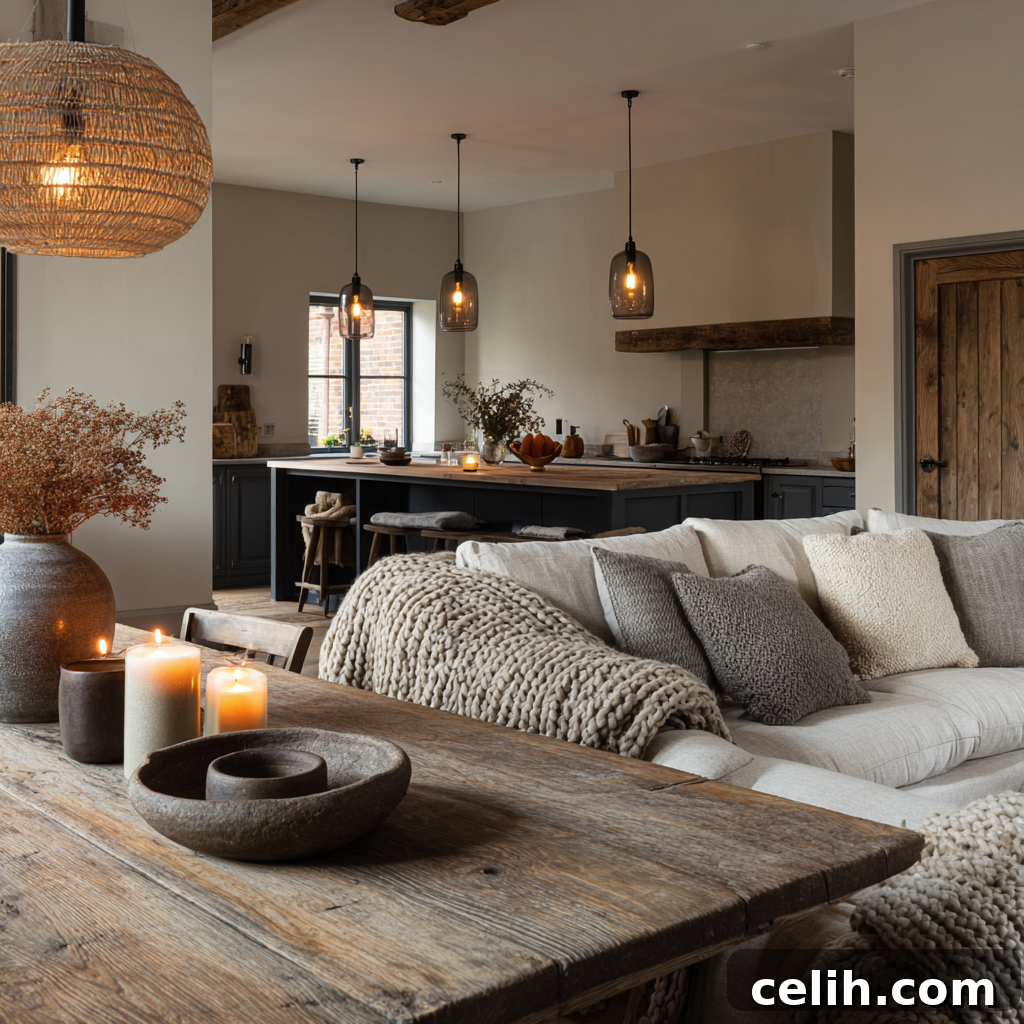
Modern farmhouse style centres on comfort and simplicity. Natural textures, muted tones and organic materials create a relaxed atmosphere, but lighting brings those elements to life.
Soft light enhances wood grain, warms painted finishes and gives neutral rooms depth. Harsh illumination can undermine the look, making interiors feel cold or clinical.
What makes farmhouse homes feel calming is usually layered, flexible lighting rather than a single dominant fixture.
Well-executed lighting creates homes that feel:
- Warm rather than stark
- Comfortable rather than overly styled
- Relaxed but still practical
- Bright enough for everyday life without losing atmosphere
The impact is subtle but essential.
What Makes Lighting Work In A Modern Farmhouse Look?
Modern farmhouse lighting sits between two aesthetics: the warmth and nostalgia of traditional farmhouse design and the clean restraint of modern minimalism. That tension is what gives the style its appeal. When balanced, lighting becomes a room’s signature rather than an afterthought.
Look for fixtures that combine natural materials — wood, rope, seeded glass — with streamlined metal frames. Dominant finishes include black, oil-rubbed bronze, brushed nickel and matte white. Geometric cages, lantern shapes and industrial-inspired silhouettes appear often because they bridge old and new without leaning too far either way.
Key characteristics to prioritise:
- Mixed materials: Metal with wood accents, clear glass shades or woven details add depth without clutter.
- Visible bulbs: Edison-style or filament bulbs create warmth and nostalgia; use sparingly to avoid overdoing it.
- Simple lines with texture: Clean shapes gain interest from hammered metal, distressed finishes or seeded glass rather than ornate details.
- Matte or aged finishes: Avoid shiny chrome and polished brass; choose finishes that look lived-in or understated.
The ideal fixtures feel approachable and grounded. If a light looks at home in a restored barn and also suits a Scandinavian loft, you’re on the right track. This style rejects fussiness while embracing character; lighting should reflect that philosophy in every room.
The Importance of Layered Lighting
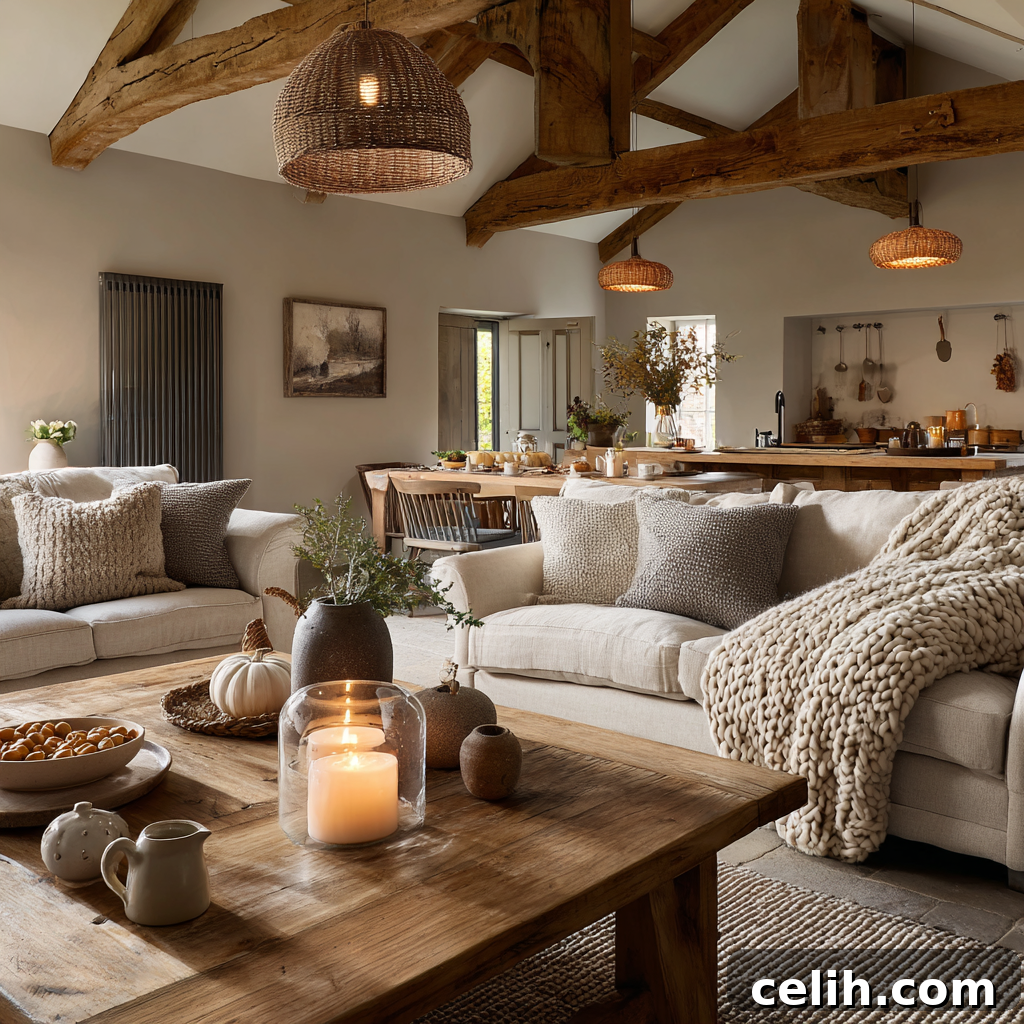
Layered lighting — combining several light types throughout a room — is central to the modern farmhouse look. It creates depth and softness and allows the atmosphere to shift naturally throughout the day.
A well-lit farmhouse room generally uses three types of lighting: ambient, task and accent.
Ambient Lighting
Ambient lighting provides overall illumination: ceiling lights, pendants or recessed fixtures. The aim is comfortable general light without an overly bright feel.
Task Lighting
Task lighting is practical: reading lamps, kitchen island pendants, desk lamps or under-cabinet lights. It lets you light work zones without switching on every light in the room.
Accent Lighting
Accent lighting gives farmhouse interiors warmth and character. Wall sconces, table lamps and soft floor lamps create mood and visual depth. These smaller sources often make a room feel genuinely cosy in the evening.
Ceiling Lights and Pendant Lighting
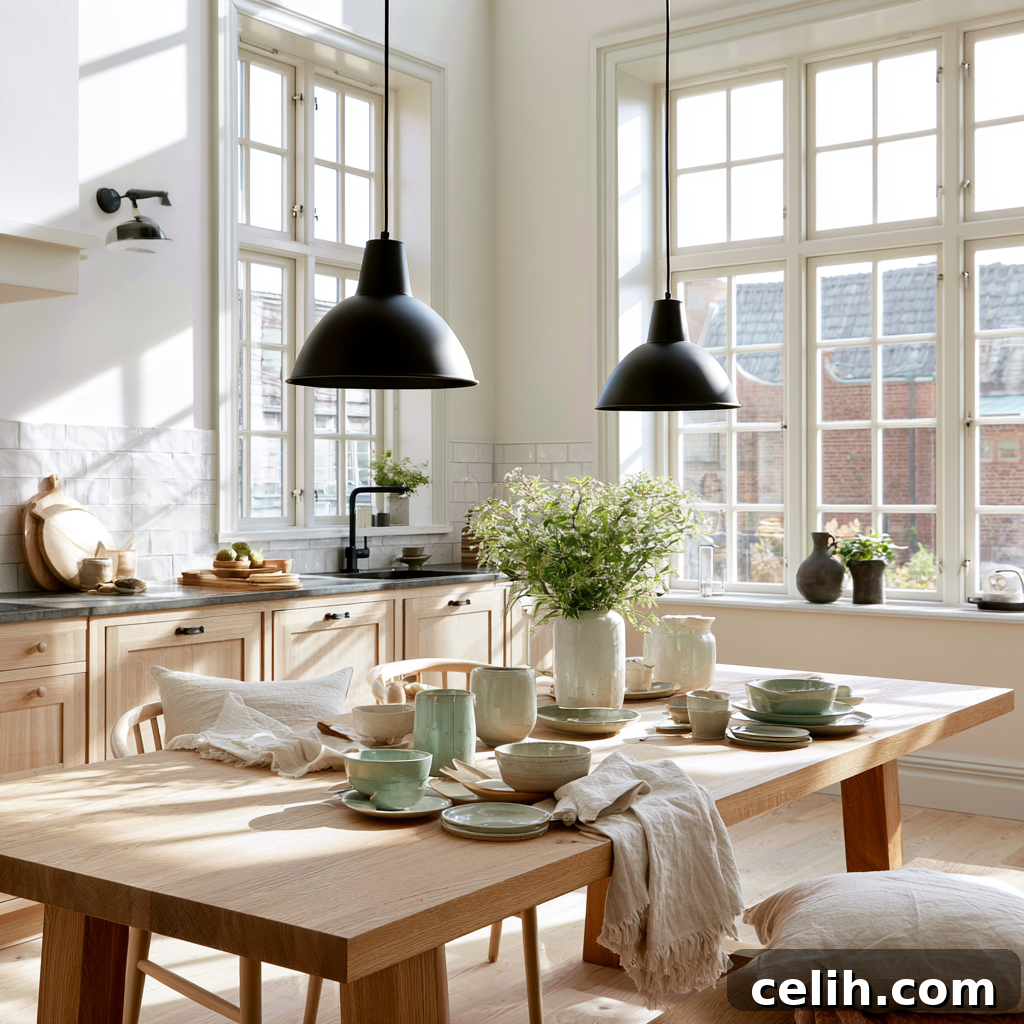
Ceiling lights set the room’s tone but in modern farmhouse interiors they tend to be understated. Pendants are especially popular because they feel practical, timeless and balanced. They work well above kitchen islands, dining tables, breakfast bars and hallways.
Choose fixtures that feel tactile and relaxed rather than overly decorative. Common materials include matte black metal, aged brass, soft bronze, ceramic shades, enamel finishes and clear or lightly frosted glass.
Simple shapes — domed pendants, lantern-inspired fixtures and clean-lined metal shades — complement farmhouse interiors without dominating them. Oversized industrial fittings can feel harsh, particularly in small homes, so aim for balance and quiet functionality.
Wall Lighting and Sconces
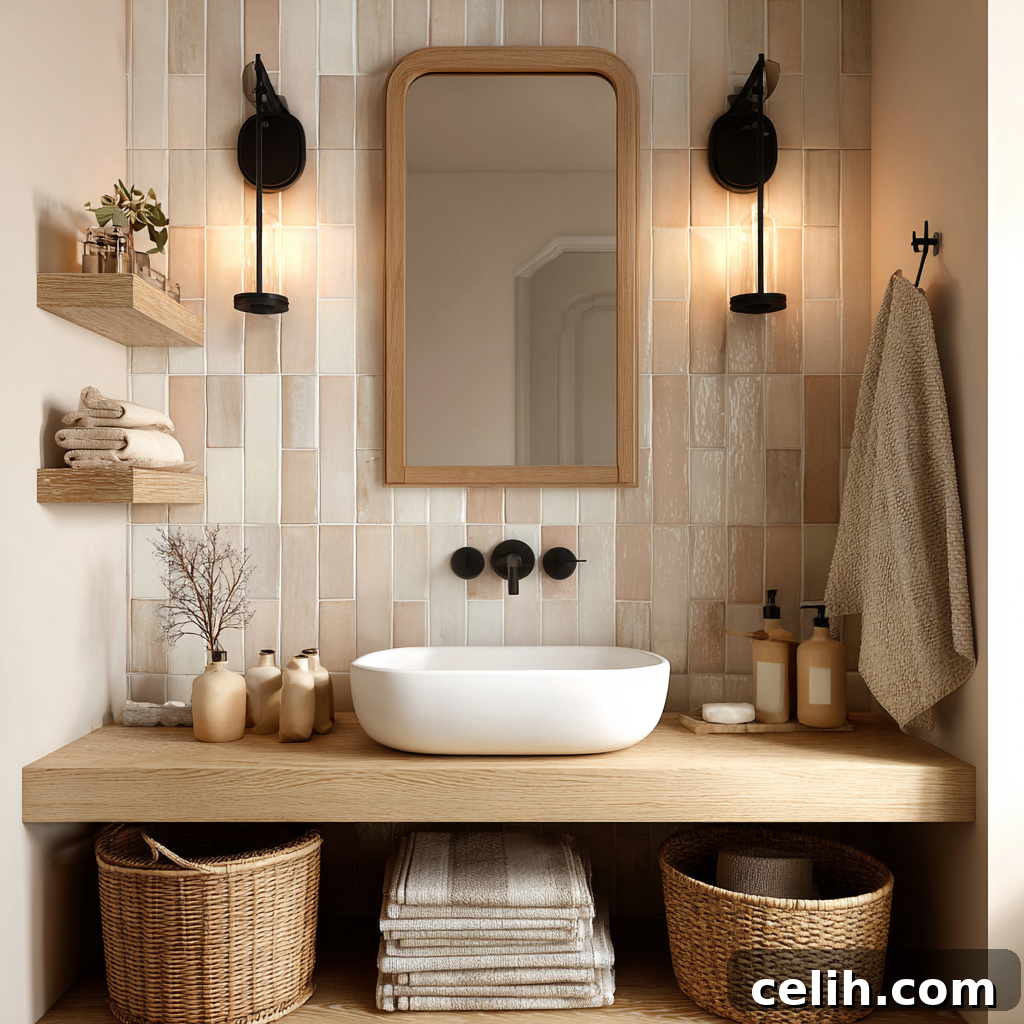
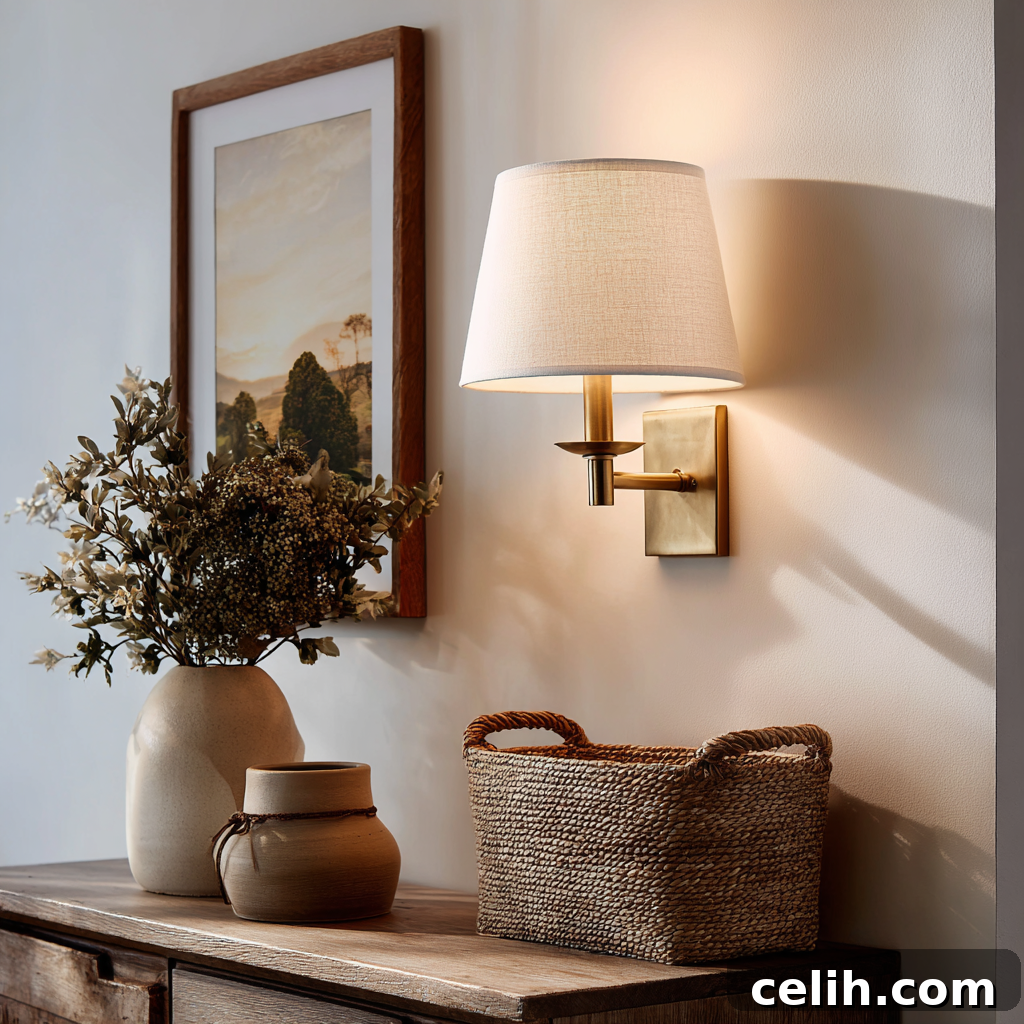
Wall lights are one of the most effective ways to create a cosy atmosphere. Sconces provide soft, directional light at eye level, helping spaces feel warmer and layered.
Modern farmhouse sconces often feature brushed brass, blackened steel, aged bronze, fabric, milk or frosted glass shades and simple swing-arm designs. They work well beside mirrors, along hallways, next to beds, flanking fireplaces or behind sofas and reading chairs.
Wall lighting often contributes more to mood than central ceiling fixtures alone.
Table Lamps and Floor Lamps
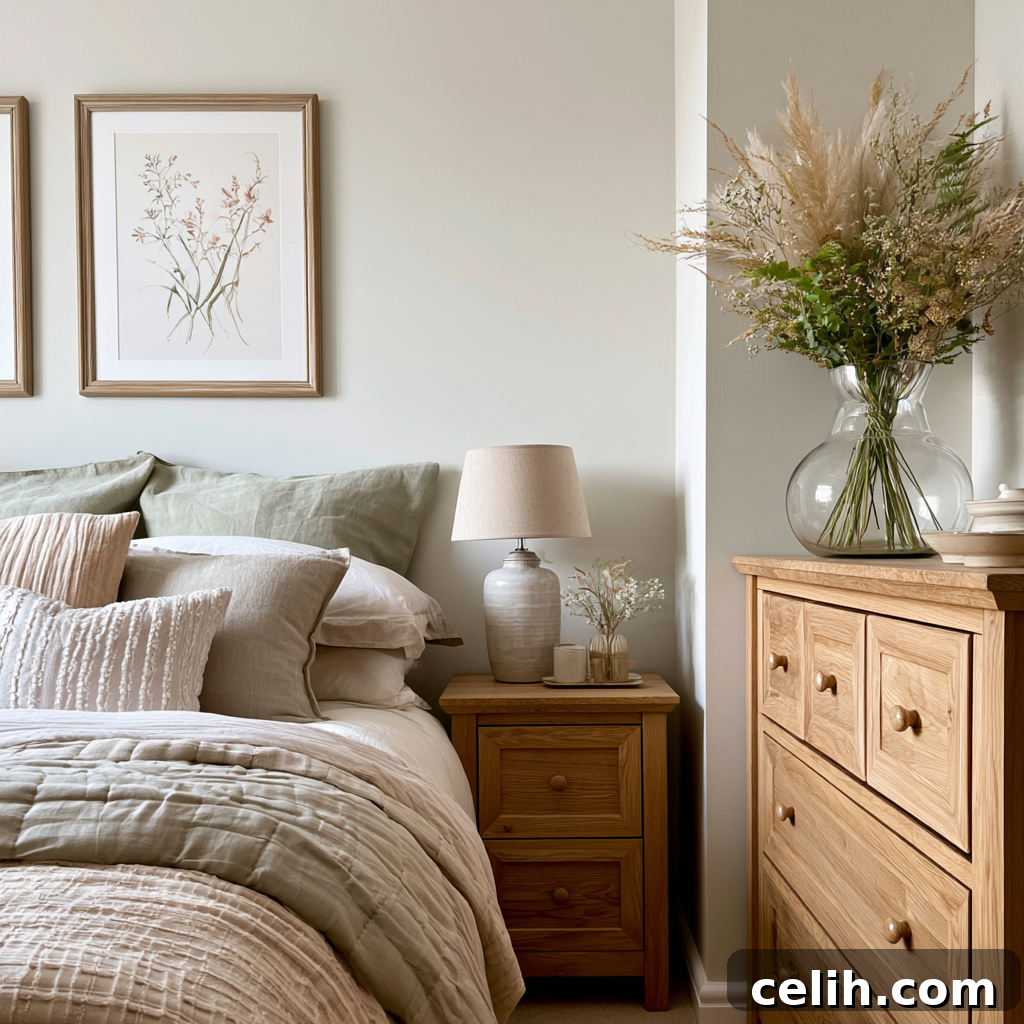
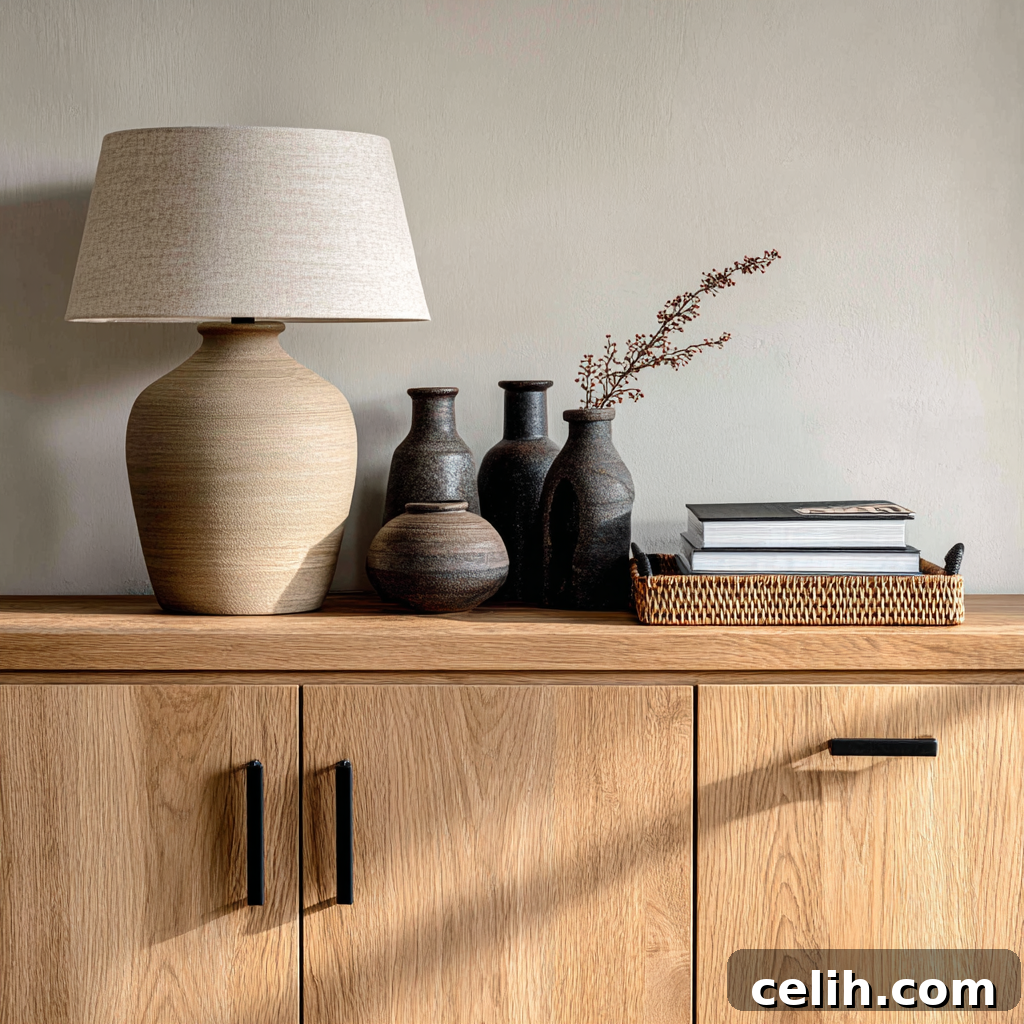
Table lamps are essential because they create instant warmth. Rooms lit only from the ceiling can feel unfinished or too bright in the evening; table lamps soften the atmosphere and personalise spaces.
Farmhouse lamps favor natural textures and simple shapes: ceramic bases, stone finishes, wood textures, linen shades and muted neutral colours. Nothing needs to feel overly polished or formal.
Floor lamps are useful in living rooms and reading corners. Slim silhouettes add height and balance without dominating the space; lighting should integrate into the room rather than become the sole focal point.
Choosing Fixtures for Each Room
Each room has different lighting needs. Modern farmhouse style adapts well when you match fixture type to function and scale. Avoid treating every room the same or choosing fixtures only for looks without considering performance.
Kitchen Lighting
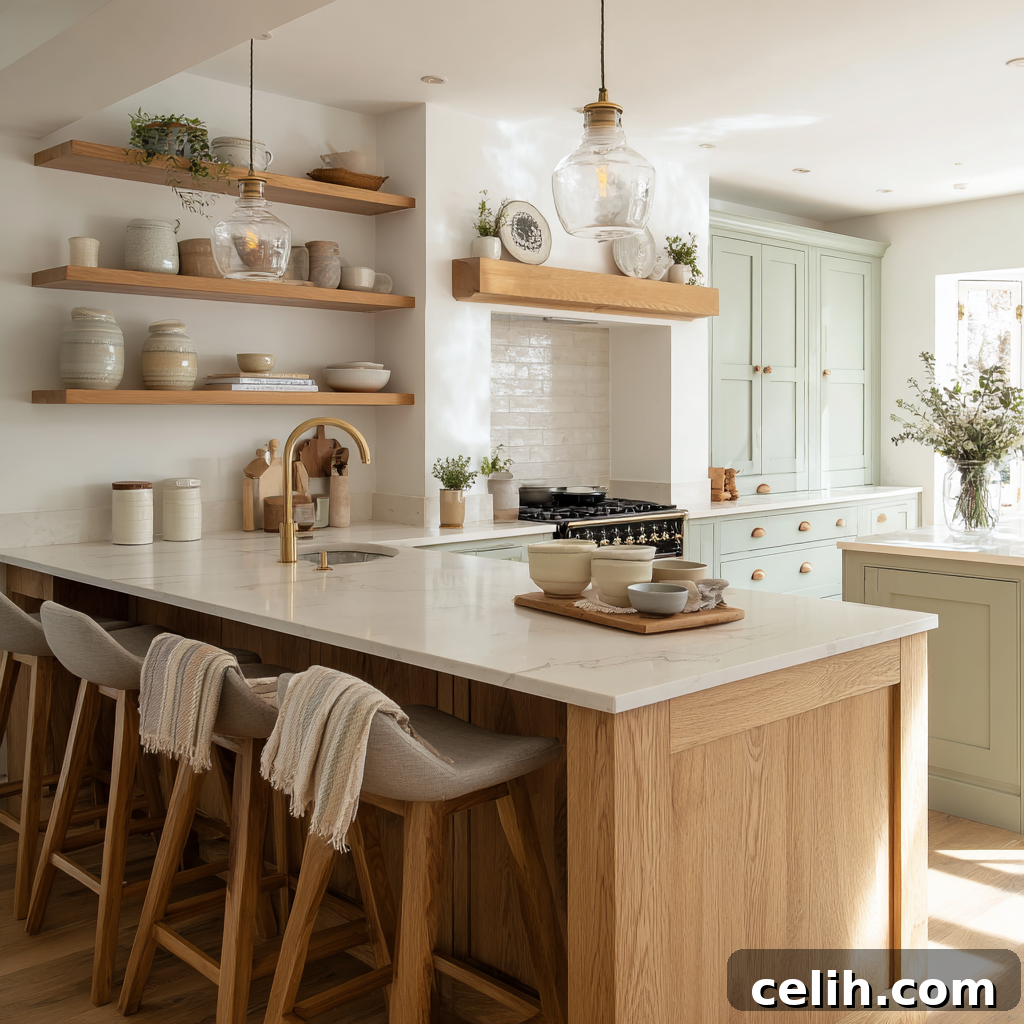
Layered lighting is crucial in kitchens: task lighting over work areas plus softer ambient light for the room. Pendants above an island are almost essential — two to four depending on island length — with clear seeded glass, ceramic shades or open metal frames to provide focused downlight and visual texture. Under-cabinet lighting keeps worktops practical and softens evening light.
Modern Farmhouse Living Room Lighting
Use a statement chandelier or large drum pendant as the central fixture, then add table lamps with linen or burlap shades and floor lamps with wood or matte black bases. The central fixture should feel substantial but not overwhelming; aim for a diameter roughly half the width of your coffee table or seating area.
Dining Room Lighting
A linear chandelier or clustered pendants work well above a dining table. Hang the fixture 30–36 inches above the table so it connects visually without blocking sight lines. Warm bulbs are important to keep the space intimate; candlestick-style bulbs often suit farmhouse dining rooms.
Porch or Entry
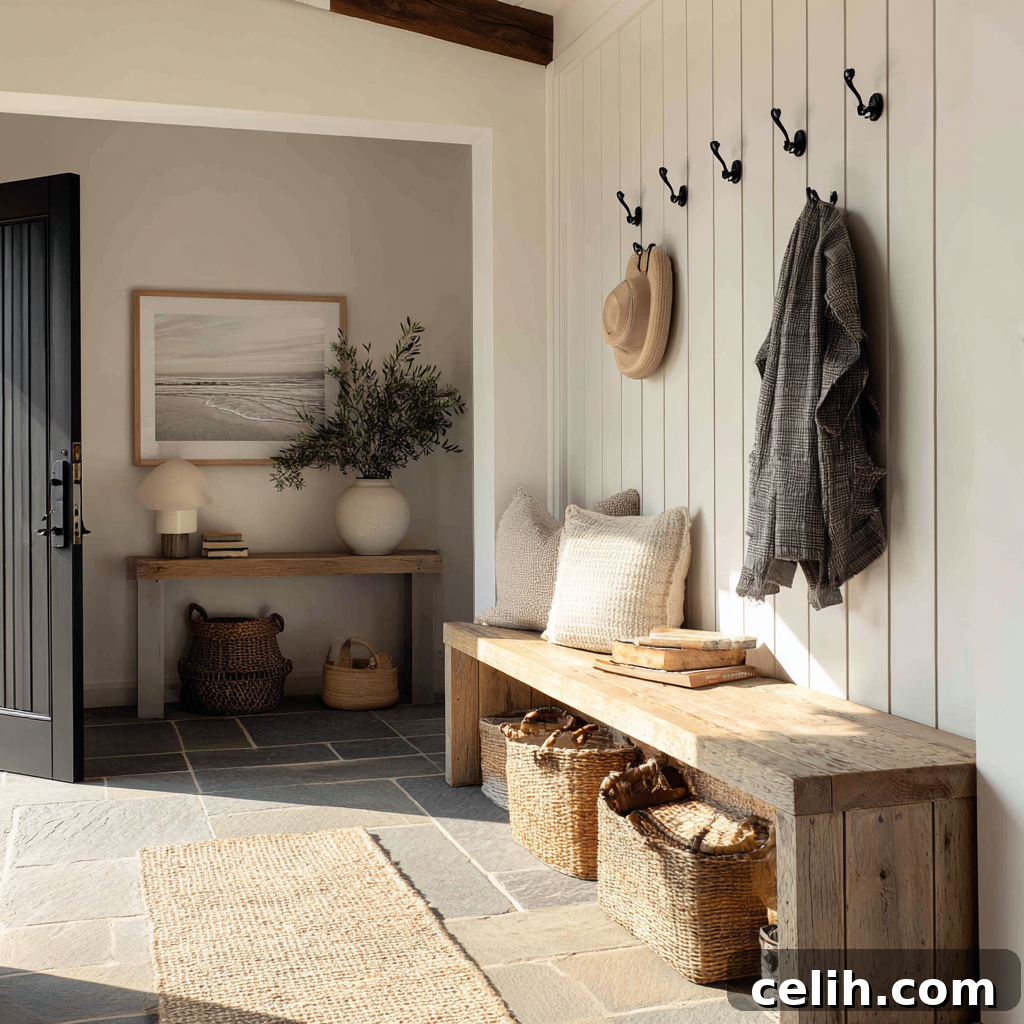
Entryways can be slightly bolder: oversized lantern pendants, tiered chandeliers or large metal-framed fixtures create a welcoming first impression while remaining practical and warm.
Bedrooms In Modern Farmhouses
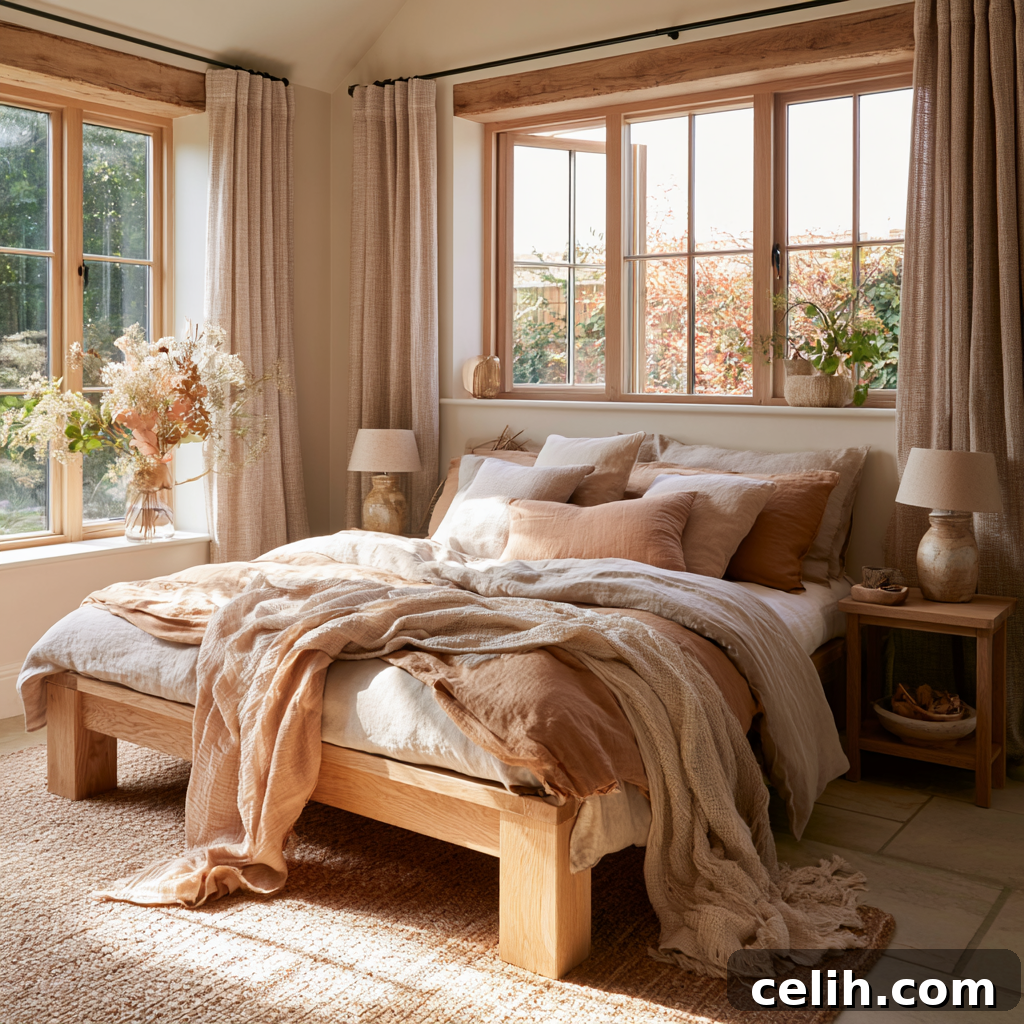
Bedrooms need softer, intimate lighting. Choose flush or semi-flush overhead fittings with fabric, glass or textured shades and add bedside lamps or swing-arm sconces for a layered glow. Warm bulbs and dimmer switches make bedrooms feel more restful.
Bathrooms
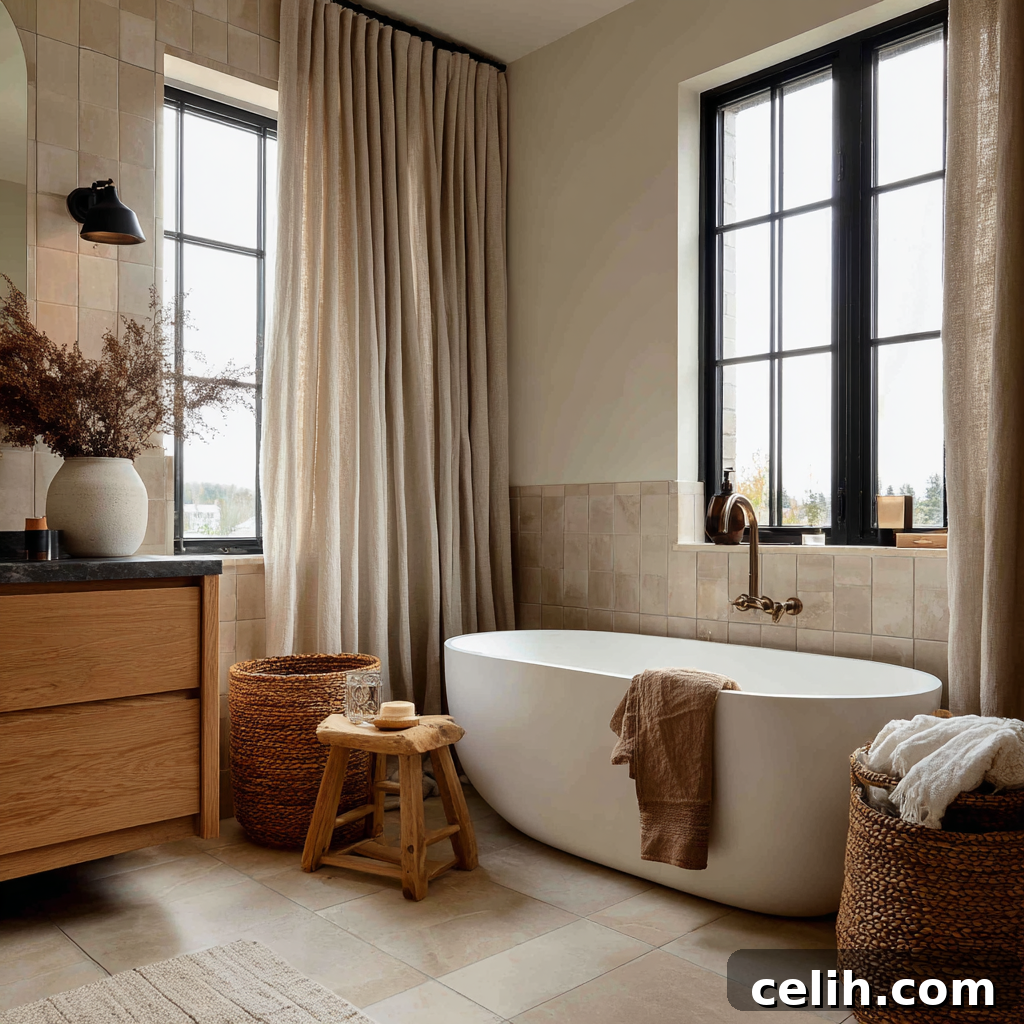
Bathrooms benefit from flattering, functional lighting. Vertical sconces either side of a mirror provide softer, balanced light compared with a single overhead bar. Frosted or milk glass shades with black, aged brass or bronze finishes maintain consistency. In larger bathrooms a small pendant over a freestanding tub can add warmth without excess decoration.
Home Office Or Study
Home offices need a practical balance. Layered lighting that reduces eye strain and feels warm works best: an overhead pendant with an adjustable desk lamp. Black metal, aged brass, wood or ceramic finishes keep the farmhouse aesthetic without making the room feel corporate. Picture lights or small sconces can add depth if shelving is present.
Hallways and Transitional Spaces
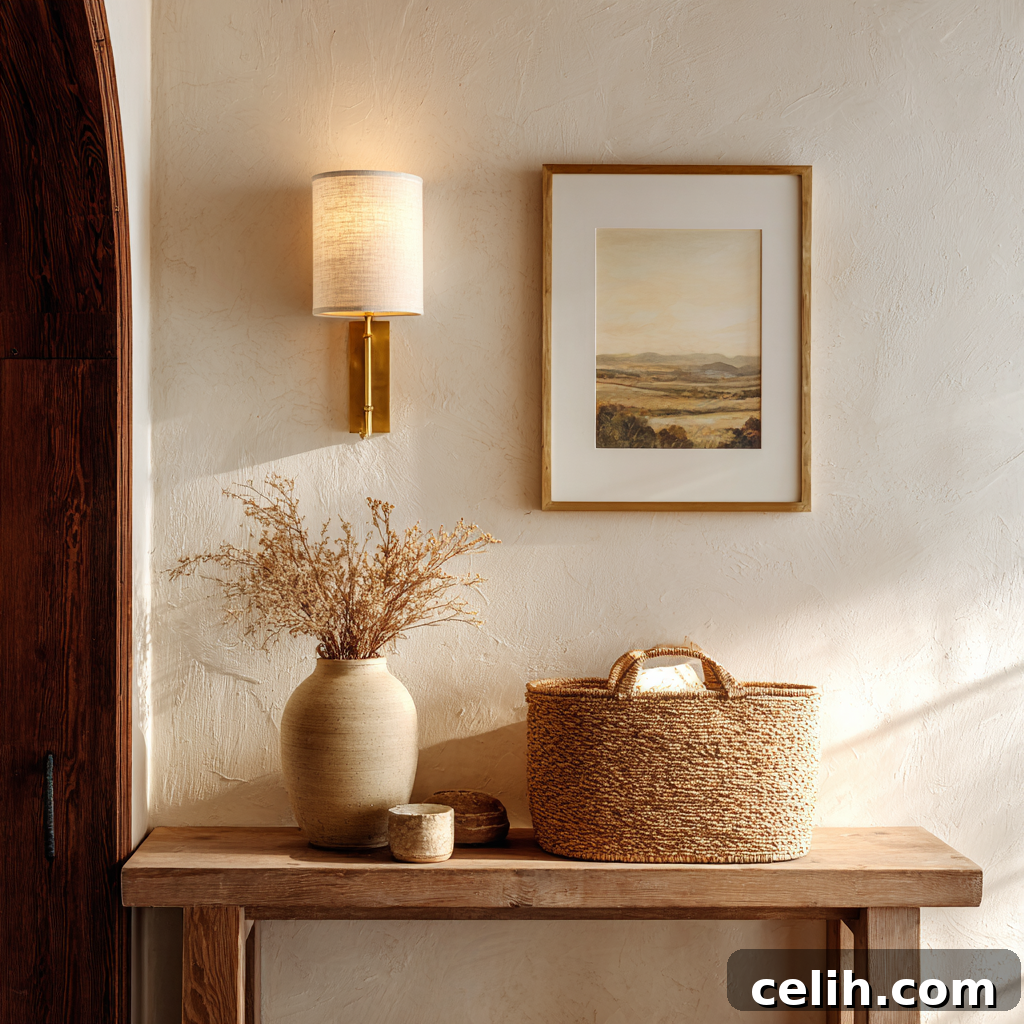
Hallways matter for home cohesion. Evenly spaced sconces create a softer corridor atmosphere than sole ceiling fixtures. Small lantern pendants or semi-flush mounts work well where ceiling height is limited.
Laundry Rooms, Mudrooms and Utility Spaces
These practical spaces deserve considered lighting. Swap harsh fluorescent fixtures for enamel pendants, flush-mounted ceramic lights or simple metal fittings that continue the farmhouse aesthetic. Thoughtful lighting makes these rooms feel intentional.
Outdoor spaces
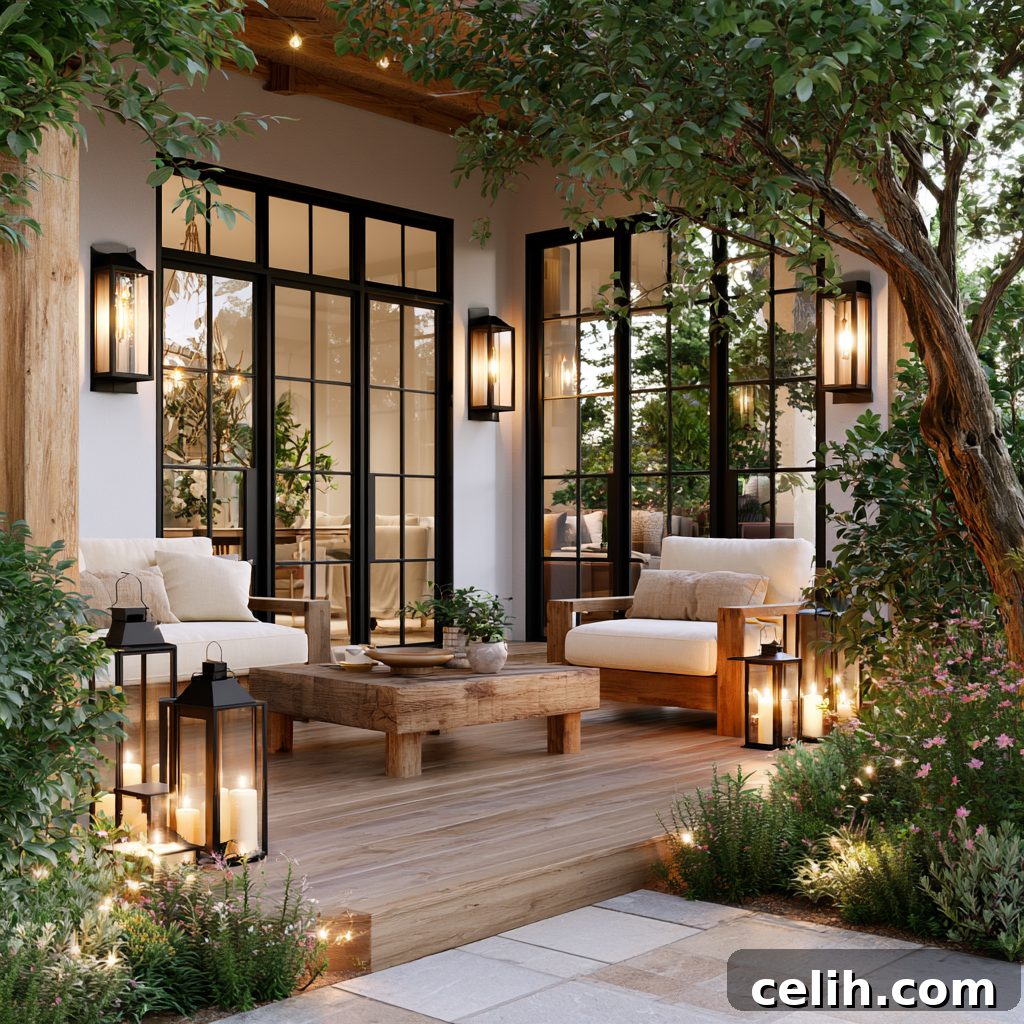
Outdoor lighting should extend the interior’s feel. Lantern-style wall lights, barn sconces and warm porch pendants create a relaxed arrival. Pathway and subtle garden lighting make exteriors welcoming and usable in the evening without theatrical brightness.
The common thread across rooms is intentionality: each fixture should serve ambient, task or accent purposes while reinforcing a timeless farmhouse aesthetic. Successful schemes feel layered and balanced rather than forced.
Mixing Metals and Finishes
Mixing metals is possible if approached deliberately. Pick one dominant metal finish and one accent finish and stick to that pairing across connected spaces. For example, use matte black as the primary finish and introduce aged brass or brushed nickel as an accent in hardware or a single lamp.
Too many competing finishes create visual noise. Limit connected spaces to two finishes, with one clearly dominant. Treat wood as a neutral — wood beads, rope-wrapped cords and wooden frames add warmth without competing. Clear seeded or frosted glass is universally compatible and softens metal edges.
Also match finish temperatures: warm metals like oil-rubbed bronze or brass should not be paired with cool polished chrome. Keep metals in the same tonal family to maintain a curated look.
Choosing the Right Light Temperature
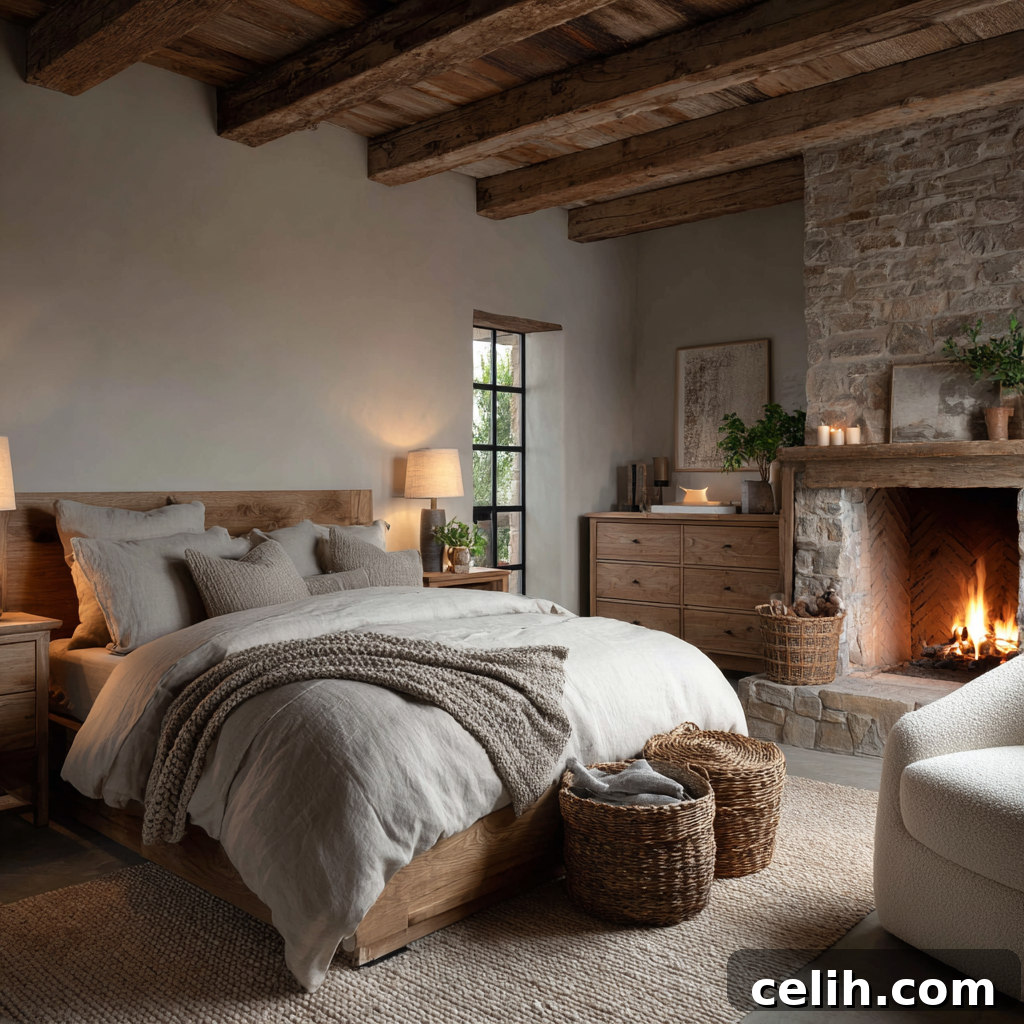
A common mistake is choosing bulbs that are too cool or bright. Light quality matters as much as the fixture. Modern farmhouse interiors typically look best with warm white lighting rather than cool or daylight bulbs.
General guidance:
- Choose bulbs around 2700K–3000K
- Avoid daylight bulbs in living spaces
- Use frosted or diffused bulbs where possible
- Warm light softens textures and makes neutral palettes feel richer
Warm illumination is especially important for oak floors, exposed beams, stone and textured fabrics, which all benefit from softer light.
Why Dimmers Make Such a Difference
Dimmers are an easy upgrade that elevates a farmhouse interior. They let lighting adapt through the day, keeping rooms practical by day and atmospheric by night. Install dimmers on living room ceiling lights, dining pendants, bedroom lighting, kitchen zones and hallway lights to add versatility and mood control.
Common Modern Farmhouse Lighting Mistakes to Avoid
Even when you know the principles, certain mistakes can derail the look. These are easy to avoid if you plan ahead.
Sizing errors: Hang fixtures proportionate to the room. For chandeliers and pendants, add room length and width in feet and convert that number to inches for the ideal diameter.
Hanging height problems: Pendants over islands should hang 30–36 inches above the countertop; dining chandeliers 30–34 inches above the table; entry pendants should have at least 6.5 feet clearance at the bottom.
Over-theming: Avoid turning the house into a barn set. Mix cleaner modern pieces with farmhouse touches to keep the look authentic.
Ignoring bulb temperature: Use warm white bulbs (2700K–3000K). Cool bulbs feel sterile and clash with warm materials.
Relying only on ceiling lights: Rooms without lamps or wall lights often feel flat.
Heavy industrial features and too many metal finishes: These can overpower the farmhouse aesthetic. Limit competing metals and skip overly industrial fittings that make spaces feel cold.
Skipping dimmers: Without dimmers you lose flexibility; adding them enhances ambiance and usability.
The best farmhouse lighting schemes are quiet and considered — layered, balanced and thoughtful rather than attention-seeking.
Budget-Friendly Modern Farmhouse Lighting Sources
You don’t need designer budgets to achieve a great farmhouse look. Mixing affordable high-street finds with a few investment pieces often creates the most effective schemes. Large home and DIY retailers are good for practical pendants, lanterns, wall sconces and semi-flush fittings for secondary spaces like utility rooms and hallways.
Secondhand shopping also delivers authentic, lived-in character. Vintage chandeliers, enamel shades and reclaimed wall lights can be refreshed with paint, new shades or warm bulbs. Try antique centres, salvage yards, marketplaces and charity warehouses for unique finds.
Buying Secondhand Lighting
Simple DIY updates stretch your budget: swap bright chrome for matte black, replace shades with linen or woven options, update bulbs to warm LEDs and refinish chains or roses in aged bronze. Invest in statement pieces that anchor main spaces — kitchen island pendants, dining chandeliers, entryway lighting and large living room fixtures — and save on hallway, utility and secondary bedroom fittings.
Modern farmhouse lighting works across budgets because the style values simplicity over extravagance. A thoughtful mix of affordable items, vintage finds and a few quality pieces creates warmth and personality.
Creating a Home That Feels Warm and Welcoming
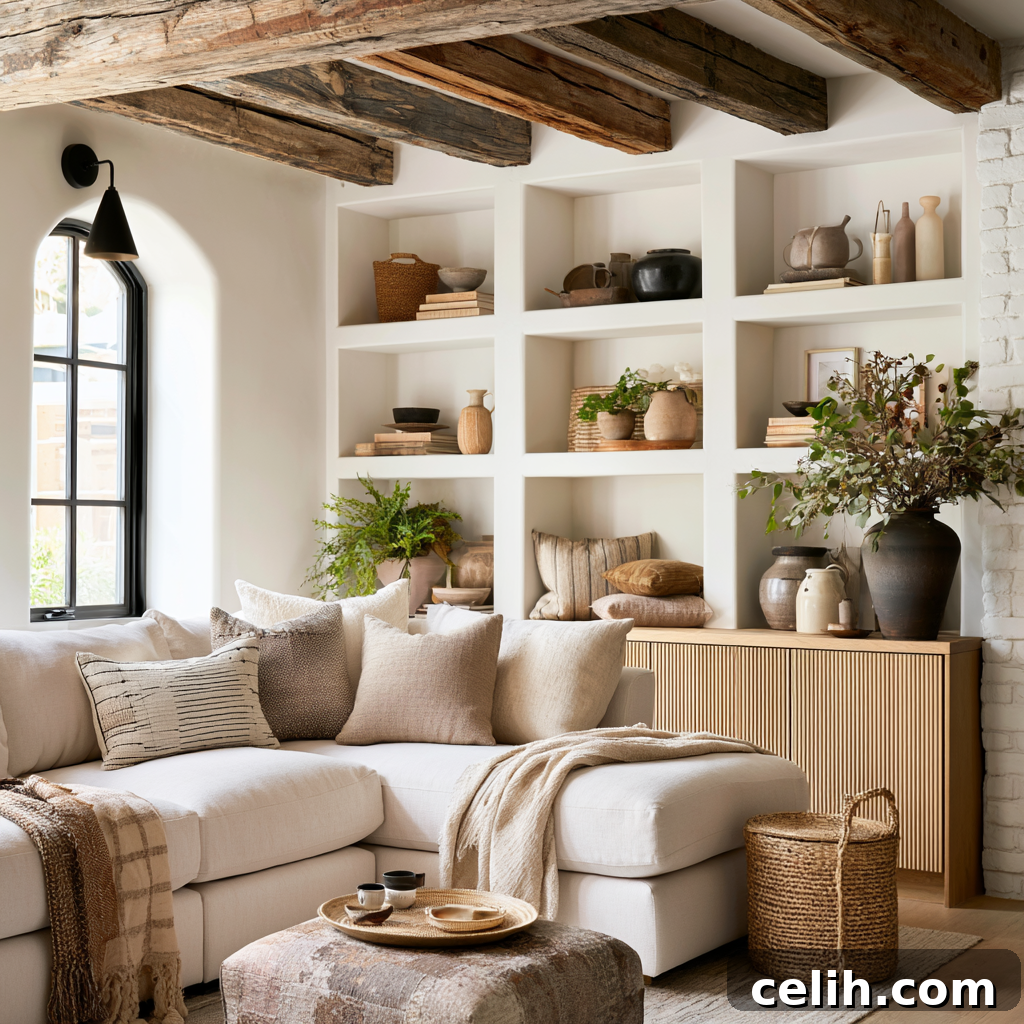
Modern farmhouse lighting is ultimately about atmosphere. It helps create calm living rooms, inviting kitchens and restful bedrooms. Good lighting supports how a home functions and makes it feel emotionally comforting.
By layering light sources, choosing warm bulb temperatures and favouring natural materials and understated fixtures, you can achieve a farmhouse interior that feels timeless rather than trend-driven. The best homes rely on quiet, considered lighting chosen with warmth, balance and everyday comfort in mind.
Related Posts
If you love the modern farmhouse style, you might also like:
Modern Farmhouse Furniture and Home Decor Guide
10 Ways To Bring Farmhouse Decoration Into Your Home
Top 6 Chic Farmhouse Decor Ideas For Your Home Office
When Cozy Meets Chic: 5 Steps For Achieving A Modern Farmhouse Style