
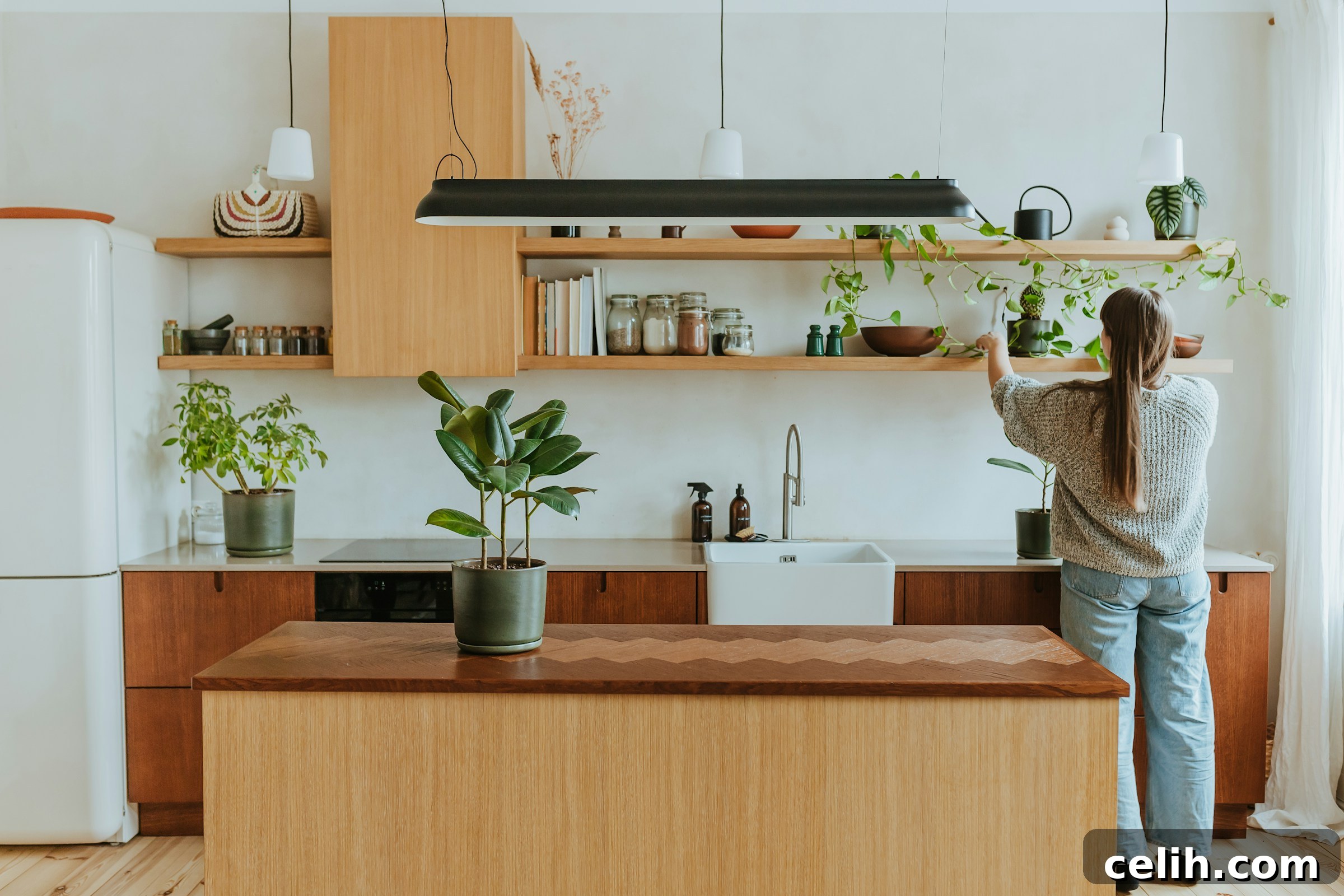
In the evolving world of home aesthetics and functionality, a groundbreaking design philosophy is taking center stage: biophilic design. This innovative approach extends far beyond mere visual appeal, delving into the profound connection between humans and the natural world. Imagine a space where tranquility meets utility, where the bustling heart of your home—the kitchen—becomes a serene sanctuary. This is the promise of biophilic kitchen design, a trend that harmonizes nature’s calming influence with modern living.
Whether you’re embarking on a full-scale kitchen renovation or simply seeking to refresh your current culinary space, integrating biophilic principles can profoundly transform your environment. It’s about crafting a kitchen that not only looks stunning but also actively promotes well-being, reduces stress, and fosters a deeper connection to the outdoors. This comprehensive guide will explore the essence of biophilic design, illuminate its unique suitability for your kitchen, and provide actionable strategies to weave its magic into your home. Get ready to discover practical tips, creative ideas, and inspiring examples to make your biophilic kitchen a harmonious blend of beauty, sustainability, and unparalleled functionality.
Understanding Biophilic Design: A Deep Dive
Before we journey into specific kitchen applications, let’s establish a foundational understanding of what biophilic design truly entails. The term “biophilia” originates from the Greek words ‘bios’ (life) and ‘philia’ (love or affinity), literally translating to a “love of life.” At its heart, biophilic design is a revolutionary concept that seeks to integrate natural elements and processes into built environments, thereby nurturing our innate human connection with nature. It’s about consciously designing spaces that not only look natural but also feel intrinsically natural, promoting physical and mental well-being.
This isn’t merely a passing trend; it’s a scientifically validated approach. Extensive research has consistently demonstrated the profound positive impacts of nature exposure on human health. Studies indicate that incorporating biophilic elements can lead to significant reductions in stress and cortisol levels, marked improvements in mood, enhanced cognitive performance, and even accelerated healing times. Biophilic design transcends the simple act of adding a few houseplants; it’s an intricate, intentional effort to artfully mimic and integrate natural ecosystems into our interior spaces through carefully chosen materials, harmonious color palettes, organic patterns, and intuitive spatial arrangements that resonate with our biological inclinations.
Key Principles Guiding Biophilic Kitchen Design
To effectively implement biophilic design in your kitchen, understanding its core principles is crucial. These pillars guide the creation of spaces that are not only beautiful but also deeply restorative:
- Direct Connection to Nature: This principle involves bringing living natural elements directly into the kitchen. Think vibrant indoor plants, the soothing sound of a small water feature, an abundance of natural light streaming through large windows, or captivating views of the outdoors. The goal is to create an immediate, tangible link to the natural world.
- Indirect Connection to Nature: When direct access isn’t feasible, this principle uses natural analogues. This means incorporating organic materials like natural wood and stone, choosing earthy color palettes that evoke landscapes, and utilizing textures and patterns that subtly mimic natural forms and processes, such as the grain of wood or the veining in marble.
- Spatial Harmony and Organization: Biophilic design considers how space is perceived and experienced. It involves creating layouts that offer a sense of refuge (e.g., a cozy breakfast nook), prospect (expansive views of the garden or skyline), and natural movement (an efficient kitchen triangle that allows for fluid, unobstructed flow during meal preparation).
- Utilization of Natural Materials: A cornerstone of biophilic design is the mindful selection of sustainable and organic materials. In a biophilic kitchen, this translates to embracing natural wood for cabinetry and countertops, incorporating durable stone for flooring or backsplashes, and exploring options like cork, bamboo, or natural fibers for textiles, all chosen for their authentic texture and environmental credentials.
- Nature-Inspired Patterns and Forms: This principle integrates shapes, motifs, and lines found in the natural world. Instead of rigid geometric forms, biophilic kitchens often feature flowing curves, organic edges, and biomorphic designs—shapes directly inspired by living organisms and natural phenomena. This could appear in tiling patterns, cabinet hardware, or decorative elements.
- Embracing Sustainability and Regenerative Practices: Biophilic design inherently aligns with ecological responsibility. It prioritizes eco-friendly practices and materials that protect and regenerate natural ecosystems. This includes selecting energy-efficient appliances, opting for recycled or upcycled materials, and employing sustainable building techniques, especially for any new kitchen extensions.
With these foundational principles firmly in mind, let’s explore how they can be elegantly translated into the heart of your home—the kitchen.
Why Biophilic Design is the Ideal Choice for Your Kitchen
The kitchen is far more than a mere space for culinary creation; it is frequently the vibrant social core of the home. It’s where families gather for morning coffee, where friends share laughter over dinner, and where memories are lovingly made. Given the significant amount of time we spend in this essential room, it presents the perfect opportunity to introduce design elements that actively foster relaxation, ignite creativity, and promote overall health and wellness. Biophilic design principles are particularly effective in a kitchen setting due to several compelling advantages:
- Unparalleled Wellness Enhancement: A kitchen imbued with nature-inspired elements transforms the daily task of cooking into a truly enjoyable and mindful experience. The calming presence of greenery, natural light, and organic textures can significantly reduce stress levels, improve focus, and elevate mood, making every moment spent in the kitchen feel rejuvenating.
- Intrinsic Alignment with Sustainability: Many biophilic design choices inherently champion eco-conscious living. Features such as utilizing reclaimed wood for cabinetry, installing energy-efficient windows that reduce heating and cooling demands, and opting for sustainably sourced materials directly contribute to a smaller environmental footprint, making your kitchen a model of responsible design.
- Elevated Aesthetics and Timeless Appeal: Biophilic kitchens are visually captivating. They masterfully blend the enduring beauty of the natural world with the sleek functionality demanded by modern life. The organic flow, rich textures, and soothing colors create an aesthetic that feels both luxurious and inherently comforting, promising a design that will remain stylish for years to come, transcending fleeting trends.
- Enhanced Home Value and Marketability: In today’s competitive real estate market, homeowners and buyers alike are increasingly prioritizing sustainable, wellness-oriented, and eco-friendly living spaces. A thoughtfully designed biophilic kitchen stands out as a highly desirable feature, potentially increasing your home’s appeal and market value. It signals a forward-thinking and health-conscious approach to living.
- Improved Air Quality and Comfort: Beyond aesthetics, biophilic elements like indoor plants naturally purify the air, removing toxins and increasing oxygen levels. Maximizing natural light reduces the need for artificial lighting, while natural materials often contribute to better indoor air quality by off-gassing fewer volatile organic compounds (VOCs).
Practical Strategies: Integrating Biophilic Design into Your Kitchen
Now, let’s delve into the exciting details of bringing biophilic design to life in your kitchen. This section offers a deep dive into actionable steps, mirroring the expertise of leading interior designers to transform your culinary space into a verdant oasis.
1. Maximize the Power of Natural Light
Natural light isn’t just an aesthetic enhancement; it’s a fundamental cornerstone of biophilic design and one of the most impactful elements to consider. Abundant natural light significantly reduces energy consumption and bathes your kitchen in a warm, inviting glow that artificial light simply cannot replicate. In a food preparation zone, ample access to daylight is absolutely essential for both mood and task performance.
- Expand Windows or Opt for Grander Designs: Where structurally possible, consider enlarging existing windows or installing floor-to-ceiling glass panels. French doors, sliding glass doors, or bifold doors can also open up an entire wall, blurring the lines between indoor and outdoor spaces and inviting maximum sunlight.
- Incorporate Skylights and Sun Tunnels: For kitchens with limited exterior wall space or those in the interior of a home, skylights or sun tunnels are ingenious solutions. They flood the area with invigorating daylight from above, dramatically brightening the room and enhancing the connection to the sky.
- Strategic Use of Reflective Surfaces: To amplify the effect of natural light, integrate reflective materials. Glass tiles for backsplashes, polished natural stone countertops (like marble or granite), stainless steel appliances, and even light-colored, glossy paint can effectively bounce light around the room, making it feel larger and brighter.
2. Embrace the Life-Giving Power of Greenery
Introducing living plants is arguably the most straightforward and effective way to infuse biophilic elements into your kitchen. Beyond their vibrant aesthetic appeal, plants naturally purify the air, add dynamic color, can serve as stunning focal points, and contribute significantly to a calming and invigorating ambiance.
- Cultivate Indoor Herb Gardens: A small herb garden positioned near the sink or on a sunny windowsill is both practical and beautiful. Imagine plucking fresh basil or rosemary directly for your cooking—it’s a delightful sensory experience and a constant reminder of nature’s bounty.
- Utilize Hanging Plants and Vertical Gardens: Maximize space and add visual interest with hanging plants like Pothos, String of Pearls, or Spider Plants in macramé hangers or from ceiling hooks. For a truly transformative statement, consider a living wall or vertical garden that brings a lush, green tapestry to your kitchen.
- Incorporate Statement Greenery: For larger kitchens, a grand potted plant like a fiddle-leaf fig, Monstera, or an olive tree can command attention and bring a powerful touch of nature. For low-maintenance options that thrive in kitchen conditions, consider resilient choices like aloe vera, snake plants, or ZZ plants.
- Terrariums and Miniature Ecosystems: Small terrariums or glass cloches housing miniature plant worlds can add a delicate, self-contained touch of nature to countertops or open shelving, requiring minimal upkeep.
3. Embrace the Authenticity of Natural Materials
Your selection of materials is paramount in adopting a truly biophilic approach. Opt for organic, sustainable, and unprocessed materials that inherently evoke the rich textures and beauty of the outdoors, connecting you to the earth’s raw elegance.
- Countertops of Distinction: Beyond granite and marble, explore options like soapstone for its soft feel and rich color, quartzites for their durability and natural patterns, or solid butcher block wood for its warmth and timeless appeal. Consider recycled glass or concrete with natural aggregates for eco-friendly alternatives.
- Cabinetry with Character: Reclaimed wood cabinetry brings unparalleled character, history, and a strong sustainability message. Bamboo, cork, or even sustainably harvested domestic hardwoods like oak, maple, or walnut offer beautiful, durable, and eco-conscious choices.
- Flooring that Grounds You: Bamboo or cork flooring provides warmth, resilience, and excellent eco-credentials. Natural stone tiles (slate, travertine, limestone) bring earthy tones and a robust, grounding presence. Polished concrete can also offer an organic, minimalist feel.
- Natural Textile Accents: Integrate linen dish towels, organic cotton curtains, or woven placemats. These natural fibers add soft texture and visual interest.
4. Harmonize with Earthy Colors and Rich Textures
Color and texture play a pivotal role in creating a truly immersive biophilic experience. For your kitchen’s dominant palette, draw inspiration directly from the natural world, selecting hues and finishes that evoke serenity and warmth.
- Inspired Color Palette: Anchor your design with earthy hues such as calming sage green, deep forest green, terracotta, warm sandy beige, soft clay tones, serene sky blue, or muted ocean blues. These colors promote relaxation and visually connect the space to nature. Consider a feature wall in a muted green or a kitchen island painted in a deep, natural tone.
- Dynamic Textural Play: Introduce a rich variety of textures to engage the senses. Contrast smooth, polished surfaces like natural stone countertops with rough-hewn elements, such as reclaimed wood shelving or a distressed finish on cabinetry. Incorporate tactile elements like woven rattan light fixtures, coarse linen fabrics, or even a small wool rug in a dining area within the kitchen. Matte finishes on appliances and cabinetry can also add a soft, organic feel.
5. Integrate Soothing Water Elements
The gentle presence and sound of water can significantly enhance tranquility and create a profound sensory connection to nature’s calming rhythm within your kitchen.
- Thoughtful Faucets and Sinks: Select kitchen fixtures, especially faucets and sinks, that feature natural, flowing designs. Waterfall faucets, or those with organic shapes and finishes (like brushed brass or matte black), can add an elegant touch that mimics natural water movement. Farmhouse sinks made from natural materials also fit this aesthetic.
- Subtle Indoor Water Features: If space and budget allow, a small, self-contained indoor fountain can introduce a soothing auditory element. Positioned discreetly on a countertop or as part of a kitchen island, the gentle trickle of water can significantly reduce stress and enhance the kitchen’s serene atmosphere.
- Aquariums for Visual Interest: A compact, well-maintained aquarium can serve as a captivating focal point in a cozy nook or integrated into custom cabinetry. The graceful movement of fish and the vibrant aquatic ecosystem offer a mesmerizing, living connection to nature.
6. Forge Seamless Outdoor Connections
A hallmark of exceptional biophilic design is its ability to effortlessly blur the boundaries between indoor and outdoor spaces, creating a harmonious, continuous environment.
- Expansive Glass Door Systems: Connect your kitchen directly to an outdoor patio, deck, or garden using large sliding glass doors, bifold doors, or elegant French doors. This not only provides inspiring, year-round views of the outside world but also allows for seamless indoor-outdoor living during pleasant weather.
- Strategic Window Placement and Design: Beyond large doors, consider strategic window placement. A large picture window above the sink can offer a stunning vista. Clerestory windows high on walls can bring in light and sky views without sacrificing privacy, while bay windows can create a cozy alcove with outdoor immersion.
- Integrated Kitchen Gardens: If you have a backyard, design a vegetable, herb, or flower garden directly outside and visible from your kitchen windows. This creates a direct visual and sensory link to where your food or flowers originate, enhancing the farm-to-table experience and providing a captivating view.
- Outdoor Dining Extensions: Extend your kitchen’s functionality by designing an outdoor dining or cooking area just beyond its doors. This creates a natural flow for entertaining and enjoying meals al fresco, deepening the connection to nature.
Expert Tips and Tricks for a Truly Successful Biophilic Kitchen
Crafting the perfect biophilic kitchen demands a thoughtful fusion of creative vision and practical implementation. Here are some actionable, expert-level tips to guide your design journey and ensure your space is both inspiring and highly functional:
1. Embrace the “Start Small” Philosophy
A complete kitchen overhaul might not be immediately feasible or desired. The beauty of biophilic design is its flexibility; you can begin with smaller, impactful updates that gradually transform your space:
- Introduce Potted Greenery: Begin by adding a variety of indoor plants. Mix sizes and types: small succulents on shelves, a medium-sized fern on the counter, and a larger floor plant in a corner.
- Refresh with Earthy Tones: A fresh coat of paint in a calming sage green, a warm terracotta, or a soft neutral can instantly shift the mood. Consider accent walls or painting just a single feature to test the waters.
- Swap Out Synthetic for Natural: Replace plastic cutting boards with wooden ones, synthetic dish towels with linen, or artificial décor with natural elements like ceramic vases, stone bowls, or woven baskets. Even changing cabinet hardware to a natural material like wood or brass can make a difference.
2. Prioritize Sustainability in Every Choice
Biophilic design and sustainability are intrinsically linked; one often reinforces the other. Consciously choose materials and practices that minimize environmental impact:
- Certified Wood Products: When selecting cabinetry, flooring, or furniture, look for FSC-certified wood, ensuring it comes from responsibly managed forests.
- Recycled and Upcycled Materials: Explore countertops made from recycled glass or paper composite. Upcycle vintage furniture pieces for kitchen islands or storage, giving them a new lease on life and reducing waste.
- Energy-Efficient Appliances: Invest in appliances with high Energy Star ratings. This not only reduces your carbon footprint but also lowers utility bills over time, a win-win for both the planet and your wallet.
- Water Conservation Fixtures: Choose low-flow faucets and consider smart irrigation systems for any outdoor gardens connected to your kitchen.
3. Master the Art of Layered Lighting
While natural light is supreme, thoughtful artificial lighting is essential to complement it, especially during evenings or on darker days. Create a multi-layered lighting plan that mimics natural cycles:
- Warm, Dimmable LED Lights: Use LED bulbs with a warm color temperature (2700K-3000K) that replicate the soft, inviting glow of natural sunlight at dawn or dusk. Install dimmers on all light fixtures to allow for adjustable ambiance throughout the day and evening.
- Organic Light Fixtures: Choose pendant lights, sconces, or flush mounts crafted from natural materials like woven rattan, bamboo, wood, ceramic, or frosted glass. These fixtures become decorative elements that reinforce the natural aesthetic.
- Ambient, Task, and Accent Lighting: Combine these three layers for optimal functionality and mood. Ambient lighting (general overhead light) sets the tone. Task lighting (under-cabinet lights, pendants over an island) ensures safety and efficiency for cooking. Accent lighting (spotlights on artwork, backlighting shelves) highlights key biophilic features.
4. Optimize Your Layout for Flow and Connection
While aesthetics are important, functionality is paramount in a kitchen. Integrate biophilic elements without compromising efficiency or the natural “flow” of movement:
- Maintain Clear Paths and Sightlines: Design your kitchen layout to ensure unobstructed pathways between key areas (sink, stove, refrigerator). Crucially, ensure that sightlines to windows, living walls, or prominent plant displays are preserved, offering constant visual access to nature.
- Utilize Open Shelving Strategically: Open shelving is excellent for displaying natural materials like handcrafted wooden bowls, ceramic plates, glass jars filled with spices, or small potted plants, adding to the biophilic aesthetic without feeling cluttered.
- Create “Refuge” and “Prospect” Zones: Design cozy seating nooks (refuge) where one can feel sheltered and observe the activity. Simultaneously, ensure there are opportunities for expansive views (prospect) towards the outdoors or interesting natural elements within the kitchen, enhancing a sense of control and relaxation.
5. Prioritize Superior Indoor Air Quality
A truly biophilic kitchen should feel fresh, invigorating, and healthy. Prioritizing excellent air quality is not just a benefit; it’s a necessity:
- Invest in a High-Quality Range Hood: An efficient range hood is crucial for removing cooking fumes, steam, and airborne particles, which can significantly impact indoor air quality. Opt for external venting models for best performance.
- Choose VOC-Free Materials: When selecting paints, finishes, adhesives, and sealants, ensure they are certified low-VOC (Volatile Organic Compounds) or VOC-free. This minimizes the release of harmful chemicals into your kitchen air.
- Incorporate Air-Purifying Plants: Beyond their beauty, many plants are natural air purifiers. Integrate varieties like peace lilies, snake plants, spider plants, or Boston ferns, which are known for their ability to filter common indoor toxins.
- Consider an Air Purifier: For an added layer of air purification, especially if you have allergies or sensitivities, a high-efficiency particulate air (HEPA) filter air purifier can further enhance air quality.
6. Engage All Five Senses
A truly immersive biophilic experience goes beyond sight. Design your kitchen to engage all five senses for a holistic connection to nature:
- Sound: Beyond a water feature, consider materials that absorb sound, creating a calmer acoustic environment. The gentle rustle of leaves from an indoor plant can also be soothing.
- Smell: Fresh herbs on the windowsill, the subtle scent of natural wood, or even a diffuser with natural essential oils (citrus, pine) can contribute to an invigorating atmosphere.
- Touch: Incorporate a variety of textures – smooth polished stone, rough-sawn wood, soft linen, cool ceramic. Encourage interaction with these tactile elements.
- Taste: Directly engage with nature through food grown in your kitchen herb garden, reinforcing the connection between nature and sustenance.
Biophilic Kitchen Design in Action: Inspiring Real-Life Examples
Need a spark of inspiration? Here are a few archetypal examples of biophilic kitchen designs that perfectly capture the essence of connecting with nature:
- The Minimalist Green Oasis: Imagine a sleek, contemporary white kitchen featuring expansive floor-to-ceiling windows that offer panoramic views of a lush backyard. This design might incorporate a striking vertical herb garden or a sophisticated living wall of low-maintenance plants, paired with warm bamboo flooring and minimalist stone countertops. The clean lines and abundance of natural light create a serene, airy feel, with greenery providing vibrant pops of life.
- The Rustic Farmhouse Retreat: This kitchen embraces comfort and authenticity. Think cabinetry crafted from rich, reclaimed wood, a generous farmhouse sink, and countertops made from rugged slate or warm, inviting butcher block. Potted herbs and wildflowers are artfully scattered across open shelves and windowsills, while exposed wooden beams and a large stone fireplace reinforce the connection to a pastoral, natural setting.
- The Modern Jungle Kitchen: For those who dare to be bold, this design features deep forest green or emerald cabinets, contrasted with sleek matte black fixtures and appliances. A central island might be adorned with an array of cascading hanging plants like Pothos or String of Hearts, creating a luxurious, almost otherworldly “indoor jungle” effect. Natural wood accents, dimmable ambient lighting, and perhaps even a small integrated water feature complete this dramatic, nature-infused space.
- The Coastal Calm Kitchen: Drawing inspiration from the seaside, this kitchen utilizes a palette of soft blues, sandy beiges, and crisp whites. Natural bleached wood cabinetry, light quartz countertops mimicking seafoam, and woven rattan pendant lights evoke beach house serenity. Shells, driftwood, and low-maintenance succulents add subtle biophilic touches, connecting the space to the soothing rhythm of the ocean.
The Enduring Benefits of Biophilic Kitchen Design
Still contemplating whether to wholeheartedly embrace the biophilic design philosophy for your kitchen? Here’s a concise recap of the undeniable advantages that make this approach a wise and rewarding investment:
- Significantly Enhanced Mood and Well-being: Cooking, dining, and socializing in a bright, plant-filled, and nature-inspired kitchen is a powerful way to uplift spirits, reduce feelings of anxiety, and cultivate a sense of peace and contentment daily.
- Championing Eco-Friendly and Sustainable Living: Biophilic design actively encourages the use of sustainable, ethically sourced materials and energy-efficient solutions, aligning your home with responsible environmental stewardship and reducing your ecological footprint.
- Cultivating Timeless Aesthetic Appeal: Unlike fleeting design trends that quickly become outdated, nature-inspired aesthetics possess an inherent, enduring appeal. Your biophilic kitchen will remain elegant, fresh, and relevant for many years to come, offering lasting value.
- Fostering a Healthier Indoor Environment: With improved air quality from natural ventilation and air-purifying plants, an abundance of natural light, and reduced exposure to harmful chemicals, your biophilic kitchen becomes a healthier, more invigorating space for you and your family.
- Boosting Creativity and Focus: Studies suggest that natural environments can stimulate creativity and improve cognitive function. A biophilic kitchen can become a space where new recipes are born, conversations flow freely, and tasks are approached with greater focus and enjoyment.
- Strengthening Connection to Food: Growing herbs or seeing the garden from your kitchen can enhance your appreciation for ingredients, promoting healthier eating habits and a more mindful approach to cooking.
Conclusion: A Sustainable and Serene Future for Your Kitchen
Biophilic kitchen design transcends the realm of mere trend; it represents a profound lifestyle choice that seamlessly intertwines natural beauty, ecological sustainability, and holistic well-being. By intentionally integrating natural elements, thoughtfully selected organic materials, and sustainable practices, you possess the power to create a culinary space that deeply nourishes both your body and your soul. It’s about more than just a place to prepare meals; it’s about crafting an environment that supports your health, happiness, and connection to the living world.
Whether you’re taking your first steps by introducing a few vibrant real plants for a touch of greenery, or you’re embarking on an ambitious full-scale renovation complete with custom organic shapes, an awe-inspiring living wall, and a harmonious palette of earthy color tones, embracing biophilic design will undeniably elevate your kitchen into the most inviting, restorative, and cherished room in your home. So, go ahead—allow the boundless inspiration of nature to guide your next kitchen transformation. Cultivate a deeper, more meaningful connection with the natural world, right within your own four walls. It’s time to truly bring the outdoors in, creating a kitchen that not only serves your practical needs but also resonates with your deepest human desire for nature.