
Osian Batyka-Williams: Revolutionizing Design with Recycled Furniture
In an era where sustainable practices are more critical than ever, the world of interior design is witnessing a profound shift. Designers are increasingly turning to innovative methods to create beautiful, functional pieces that minimize environmental impact. Among the pioneers leading this movement is Osian Batyka-Williams, a visionary whose work transcends mere aesthetics, offering a compelling narrative of creativity, resourcefulness, and ecological responsibility. Batyka-Williams has carved a niche for himself by crafting exceptional contemporary furniture entirely from recycled and reclaimed materials, transforming discarded items into stunning works of art and utility.
The Philosophy of Reclaimed Design: Local Sourcing, Global Impact
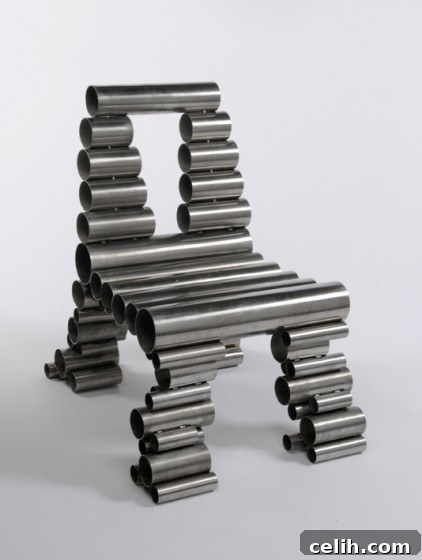
Osian Batyka-Williams’ design philosophy is deeply rooted in sustainability and localism. His dedication to using reclaimed materials is not just a stylistic choice but a commitment to reducing waste and promoting a circular economy. A testament to this principle is his ingenious approach to sourcing. For instance, the striking “chunky tube chair,” one of his most celebrated creations, is constructed entirely from reclaimed metal tubes. What makes this even more remarkable is that all these tubes were meticulously sourced from within a mere five-mile radius of his bustling London Bridge studio. This hyper-local sourcing strategy significantly minimizes the carbon footprint associated with material transport, illustrating a holistic approach to eco-conscious design.
This commitment to local sourcing not only supports environmental goals but also imbues each piece with a unique story, connecting the furniture directly to the urban landscape from which its components originated. It’s a narrative of transformation, where forgotten industrial remnants are given a new lease on life, reimagined and refined into pieces that exude both character and modern elegance.
Spotlight on the Iconic “Chunky Tube Chair”
The chunky tube chair stands as a magnificent embodiment of Osian Batyka-Williams’ design prowess. Its robust yet sophisticated appearance immediately captures attention, making it a focal point in any contemporary space. Crafted with an eye for both durability and distinctive style, the chair showcases the inherent beauty and strength of reclaimed metal. The process of transforming these industrial tubes into a cohesive, comfortable, and visually appealing piece of furniture requires an extraordinary level of skill and artistic vision.
From Scrap to Statement: The Journey of Reclaimed Metal
The journey of each metal tube, from its previous life to becoming a part of the “chunky tube chair,” is a testament to Batyka-Williams’ transformative genius. These tubes, once destined for landfill or scrap heaps, are carefully selected, cleaned, and meticulously welded together to form the chair’s sturdy frame. The natural patinas and subtle imperfections of the reclaimed metal are often preserved or subtly enhanced, adding a layer of authenticity and industrial charm that cannot be replicated by new materials. This approach celebrates the history of the materials, allowing each chair to tell a silent story of its origins, offering a unique texture and visual depth that appeals to discerning design enthusiasts.
Aesthetic and Functionality: More Than Just a Chair
Beyond its sustainable credentials, the “chunky tube chair” offers exceptional aesthetic and functional value. Its minimalist yet bold lines fit seamlessly into various interior styles, from industrial lofts to modern minimalist homes. The inherent strength of the metal tubes ensures remarkable durability, promising a piece of furniture that will last for generations. The design is a masterful balance of raw material honesty and refined craftsmanship, providing a comfortable seating solution that is also a striking piece of contemporary art. It challenges the conventional perception of luxury, demonstrating that true value can be found in repurposing and thoughtful design rather than solely in virgin materials.
Beyond Metal: Exploring Other Ingenious Creations
Osian Batyka-Williams’ creative spectrum extends beyond the pure metal construct of his original tube chair. His ongoing exploration of reclaimed materials often introduces new textures and forms, further solidifying his reputation as a versatile and innovative designer.
The Tube Chair with Wood: A Blend of Textures
Building upon the success of his metal tube designs, Batyka-Williams also introduced another variant of the tube chair that we have previously admired. While still primarily utilizing reclaimed metal tubes for its structural integrity, this particular design incorporates the warmth and natural beauty of wood. This thoughtful combination creates an intriguing contrast between the cool, rigid metal and the organic, tactile wood. The addition of wood elements, often reclaimed itself, adds another layer of sustainability and visual appeal, offering a softer aesthetic without compromising the chair’s industrial edge. It demonstrates his ability to blend different material properties harmoniously, creating furniture that is both visually complex and environmentally sound.
The Ingenious Cutlery Chair: Everyday Objects Reimagined
Perhaps one of his most whimsical and imaginative creations is the super novel chair made of reclaimed cutlery. This piece truly exemplifies Batyka-Williams’ ability to see potential in the most unexpected places. Utensils, once used for dining, are meticulously welded together to form an intricate and surprisingly robust chair. This design is not only a brilliant display of upcycling but also a powerful statement on consumerism and the hidden value in everyday objects. Each spoon, fork, or knife contributes to a unique texture and shimmering surface, creating a conversation piece that is as functional as it is artistic. It’s a playful yet profound example of how design can challenge perceptions and inspire new ways of thinking about waste and utility.
The Broader Impact of Sustainable Furniture Design
The work of designers like Osian Batyka-Williams is crucial in shaping the future of design and consumption. His commitment to recycled and reclaimed materials offers numerous benefits that extend far beyond the aesthetic appeal of his furniture.
Environmental Benefits: Reducing Waste, Conserving Resources
The most immediate and significant benefit of using reclaimed materials is the reduction of waste destined for landfills. By intercepting items like metal tubes and old cutlery, Batyka-Williams diverts them from becoming environmental burdens. Furthermore, manufacturing new furniture from reclaimed materials drastically reduces the demand for virgin resources, such as newly mined metals or freshly cut timber. This conserves natural habitats, reduces energy consumption associated with raw material extraction and processing, and lowers greenhouse gas emissions, contributing positively to the fight against climate change.
The Rise of Upcycling: A Creative Solution for a Sustainable Future
Osian Batyka-Williams is a leading figure in the growing movement of upcycling – the process of transforming waste materials or useless products into new materials or products of better quality or for better environmental value. Upcycling is distinct from recycling, as it often involves less energy and preserves more of the original material’s integrity while elevating its aesthetic or functional value. His chairs are prime examples of how upcycling can yield high-end, desirable products that are both environmentally conscious and design-forward. This trend is empowering consumers to make more ethical purchasing choices and encouraging other designers to explore similar sustainable practices.
Why Choose Recycled Furniture? Durability, Uniqueness, Story
Opting for recycled or upcycled furniture, particularly pieces from a renowned designer like Osian Batyka-Williams, offers a multitude of compelling reasons. Firstly, many reclaimed materials, especially metals, possess inherent durability and strength, ensuring that the furniture is built to last. Secondly, each piece is inherently unique. The variations in reclaimed materials mean no two chairs will be identical, offering a truly bespoke item that stands out from mass-produced furniture. Finally, and perhaps most importantly, recycled furniture comes with a story. It speaks of ingenuity, environmental responsibility, and the beauty of transformation, adding a layer of depth and character to any space that new furniture simply cannot replicate. These pieces are not just furnishings; they are conversation starters, ethical statements, and timeless investments in sustainable living.
Where to Find These Unique Pieces
For those inspired by Osian Batyka-Williams’ innovative approach to design and eager to incorporate a piece of sustainable artistry into their homes or offices, his exceptional furniture is available for purchase. You can explore his collection and acquire these unique, ethically crafted pieces via Bouf, an online platform known for curating an eclectic selection of contemporary design products and unique homeware. Supporting designers like Osian through platforms like Bouf not only brings extraordinary furniture into your space but also champions the broader movement towards a more sustainable and conscious design industry.
Conclusion: The Future is Reclaimed
Osian Batyka-Williams stands as a beacon of innovation in the contemporary design landscape. His dedication to crafting furniture from reclaimed materials, combined with an acute understanding of aesthetics and functionality, creates pieces that are both visually captivating and profoundly meaningful. From the industrial elegance of his “chunky tube chair” to the whimsical charm of the “cutlery chair,” his work inspires a rethinking of waste and value. As the demand for sustainable solutions continues to grow, designers like Batyka-Williams remind us that the most beautiful and impactful creations often arise from the most unexpected origins, paving the way for a future where design and environmental responsibility are inextricably linked.