
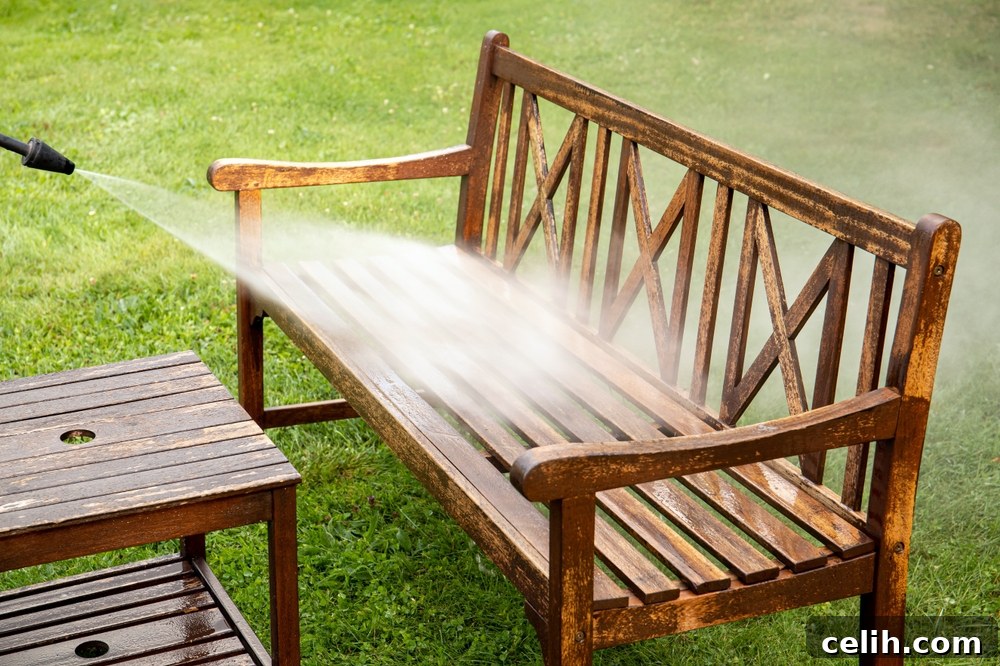
Outdoor furniture endures a constant barrage of elements – sun, rain, wind, dirt, pollen, and even the occasional bird droppings. Over time, these exposures can leave your beloved patio sets looking dull, stained, and far from their original glory. Many homeowners might prematurely consider replacing their outdoor furnishings, believing the wear and tear is irreversible. However, the truth is, most outdoor furniture is built for durability, and a few stubborn stains or a layer of grime don’t signal the end of its life. With the right approach, you can effortlessly restore its pristine appearance and significantly extend its lifespan.
While traditional cleaning methods like scrubbing with a hose and sponge might offer a superficial clean, they often fall short when tackling deeply embedded dirt, mold, or mildew. For a truly transformative clean that penetrates grime and revitalizes surfaces, a powerful tool is required. Enter the pressure washer – a game-changer for outdoor furniture maintenance that promises unparalleled results, saving you both time and effort.
Should You Clean Outdoor Furniture with a Pressure Washer? Absolutely, With the Right Approach!
Utilizing a pressure washer is hands down the most efficient and effective method for cleaning your outdoor furniture. However, success hinges on using the appropriate equipment and techniques. The key is to select a pressure washer model that delivers sufficient power to remove grime without damaging delicate surfaces. For most outdoor furniture, an electric pressure washer operating within a specific PSI (pounds per square inch) range, coupled with the correct nozzle, will deliver outstanding and safe results.
A pressure washer’s power allows it to blast away even the most tenacious stains from sturdy surfaces. Yet, this very power also necessitates caution. Not all pressure washers are suitable for every cleaning task. Gas-powered pressure washers, for instance, can generate pressures upwards of 4,000 PSI – a formidable force ideal for heavy-duty tasks like concrete driveways or brick patios, but far too intense for most outdoor furniture materials. Using such high pressure on furniture can lead to irreversible damage, including splintering wood, stripping paint, or gouging softer materials.
For safely and effectively cleaning outdoor furniture, it is crucial to stay within a pressure range of 1500 to 1900 PSI at most. Electric pressure washers are typically designed to operate within this ideal spectrum, commonly ranging from 1,300 to 1,700 PSI, making them the perfect choice for this specific application. They offer excellent control, are generally quieter, and are lighter than their gas counterparts, making them easier to maneuver around furniture.
Material Matters: What You Can and Cannot Pressure Wash
Before you begin, identify the materials of your outdoor furniture. A pressure washer within the recommended PSI range is perfectly suited for a variety of common outdoor furniture materials, including:
- Hardwood: Teak, eucalyptus, acacia, and other dense woods can withstand moderate pressure.
- PVC & Hard Plastic: These durable materials respond exceptionally well to pressure washing, easily shedding dirt and grime.
- Aluminum & Wrought Iron: Metals like aluminum and painted wrought iron can be safely cleaned. For wrought iron, be mindful of any chipping paint or rust, as high pressure could exacerbate these issues.
- Resin Wicker: Synthetic wicker is generally safe, but approach woven patterns with care to avoid fraying or dislodging strands.
Conversely, certain materials and surfaces should never be subjected to pressure washing due to the high risk of damage:
- Softwoods: Cedar, pine, and other softer woods are prone to splintering, gouging, and permanent damage from even moderate pressure.
- Glass Table Covers: The intense, focused stream of a pressure washer can easily shatter glass.
- Fabric Cushions & Upholstery: Pressure washing can saturate fabric, potentially leading to mold and mildew growth if not dried perfectly. It can also fray or tear delicate fabrics.
- Delicate Finishes: Furniture with peeling paint, varnish, or intricate decorative elements should be cleaned by hand to avoid stripping the finish or breaking components.
Nozzles Demystified: The Key to Precision Cleaning
Beyond PSI, the nozzle you attach to your pressure washer is equally critical. Each pressure washer typically comes with a set of color-coded nozzles, each designed for a specific spray pattern and intensity. Understanding these differences is paramount for safe and effective cleaning:
- 0° Red Nozzle: Delivers a pencil-thin, extremely powerful stream. Best for very tough stains on robust surfaces like concrete, but far too aggressive for furniture.
- 15° Yellow Nozzle: Provides a narrow, intense fan spray. Useful for stubborn stains on durable surfaces like driveways or unpainted metal, but still too strong for most furniture.
- 25° Green Nozzle: This is your go-to nozzle for outdoor furniture. It creates a wider, 25-degree fan spray, offering a balance of cleaning power and safety. It effectively removes dirt and grime without concentrating too much pressure on a single spot, minimizing the risk of damage.
- 40° White Nozzle: Offers the widest, most gentle fan spray. Ideal for delicate surfaces, rinsing, or quickly covering large areas. Can be used for very light cleaning or rinsing furniture.
- Soap (Black) Nozzle: Often a low-pressure, wide-angle nozzle designed to apply detergent evenly.
For almost all outdoor furniture cleaning tasks, the 25° green nozzle is the ideal choice, ensuring damage-free, excellent results. It provides enough force to clean effectively while dispersing the pressure sufficiently to protect the surface.
Outdoor Furniture Pressure Washing Tips: A Step-by-Step Guide for Flawless Results
To ensure a safe and effective cleaning process for your garden furniture, follow these essential tips and techniques:
1. Preparation is Key: Clear and Pre-Rinse
Before you even turn on the pressure washer, take a moment to prepare your workspace. Remove all cushions, decorative items, and any other accessories from your furniture. Clear the surrounding area of plants, toys, or anything that could be damaged by the spray or overspray. Give your furniture a quick pre-rinse with a garden hose to remove loose dirt and debris, which helps the detergent (if used) work more effectively.
2. Maintain a Safe Distance and Angle
When pressure washing outdoor furniture, or any surface, maintaining a safe distance is paramount to prevent damage. Always keep the nozzle approximately two feet (about 60 cm) away from the object’s surface. Getting too close can easily gouge wood, strip paint, or warp plastic. Additionally, hold the wand at a slight angle (around 45 degrees) rather than directly perpendicular to the surface. This angled approach helps lift dirt more effectively without forcing water too deeply into the material. Furthermore, never perform cleaning near windows, electrical outlets, or any active electrical devices.
3. Use a Sweeping Motion – Avoid Prolonged Spot Treatment
The key to even cleaning and preventing damage is to use a consistent, sweeping motion. Start with the stream directed away from the furniture, then move the nozzle in a continuous, overlapping pattern across the surface. Think of it like painting a wall. Avoid pointing the stream at a single spot for too long – no more than two to three seconds. Lingering on one spot, regardless of the pressure setting, can penetrate the surface, causing streaks, gouges, or permanent marks. Work from top to bottom, allowing gravity to assist in washing away dirt and dirty water.
4. Choose and Apply the Appropriate Detergent
While pressure washing with just water can remove a lot of surface grime, incorporating a suitable detergent significantly enhances cleaning efficiency, especially for mold, mildew, or ingrained dirt. However, always use a detergent formulated specifically for pressure washers. These detergents are designed to be effective at high pressure and are safe for both your equipment and the environment.
There is a wide array of pressure washer detergents available on the market, including those tailored for vehicles, concrete, wood, and general-purpose cleaning. While a general-purpose detergent can deliver solid results across various surfaces, using a detergent made for a specific material (e.g., a wood cleaner for wooden furniture) will generally yield the best and most targeted cleaning. Crucially, never use laundry detergent, dish soap, or any other household cleaning items in your pressure washer. These products are not designed for the high-pressure environment; they can create excessive suds, damage internal components of your pressure washer, or leave behind residues that harm your furniture.
Apply the detergent using your pressure washer’s soap nozzle or a foam cannon, allow it to dwell for the recommended time (usually 5-10 minutes, but check product instructions), and then rinse thoroughly with clean water using your 25° green nozzle.
5. Don’t Over-Clean: Optimal Frequency
Although pressure washing your outdoor furniture is a safe and effective cleaning method when done correctly, it’s not something you should do too frequently. Excessive pressure washing can, over time, weaken the material, strip protective finishes, and ultimately decrease the lifespan of your furniture. The “sweet spot” for pressure washing outdoor furniture is generally once per year. This annual deep clean is usually sufficient to remove accumulated dirt, grime, mold, and mildew, keeping your furniture looking fresh without subjecting it to unnecessary stress. More frequent cleaning is typically not advisable and can be counterproductive to your furniture’s longevity.
6. Always Test in an Inconspicuous Area
Before you commit to cleaning your entire furniture set, always perform a test pass on an inconspicuous area. This allows you to verify that your chosen PSI, nozzle, distance, and detergent are appropriate for the specific material and finish of your furniture, preventing any visible damage.
Beyond Cleanliness: The Enduring Benefits of Pressure Washing Your Outdoor Furniture
Investing the time and effort into pressure washing your outdoor furniture offers benefits that extend far beyond a sparkling clean appearance:
- Significant Time and Cost Savings: Compared to manual scrubbing, pressure washing dramatically reduces cleaning time. Furthermore, by properly maintaining your furniture, you prolong its life, saving you the considerable expense of premature replacement.
- Superior Cleaning Power: Pressure washers excel at removing stubborn grime, mold, mildew, and pollutants that manual methods often miss, ensuring a truly deep clean.
- Enhanced Aesthetics and Curb Appeal: Rejuvenated furniture instantly brightens your outdoor living space, making it more inviting and increasing your home’s overall curb appeal. It can transform a dull, neglected patio into a vibrant extension of your home.
- Improved Health and Hygiene: Removing mold, mildew, pollen, and other allergens not only makes your furniture look better but also contributes to a healthier outdoor environment for your family.
- Extended Lifespan: Regular, appropriate cleaning prevents the buildup of corrosive substances and organic growth that can degrade materials over time, thereby extending the functional and aesthetic life of your furniture.
In Conclusion: Rejuvenate Your Outdoor Space with Confidence
Pressure washing your outdoor furniture is a powerful solution that can save you considerable time and money, providing significantly better and longer-lasting results compared to other cleaning methods. While outdoor furniture might sometimes seem delicate, it is absolutely safe and beneficial to pressure wash it, provided you follow the correct guidelines.
The key to success lies in understanding the material you are cleaning, selecting an appropriate electric pressure washer that operates within the recommended PSI range (1500-1900 PSI), and attaching the correct nozzle – most often the 25° green tip. By adhering to these simple yet crucial tips – maintaining a safe distance, using sweeping motions, applying suitable detergents, and cleaning annually – you are guaranteed to effortlessly rejuvenate your furniture’s appearance. In a matter of minutes, you can transform your outdoor living area, bringing back its original shine and significantly prolonging its lifespan, allowing you to enjoy your beautiful outdoor space for many seasons to come.