
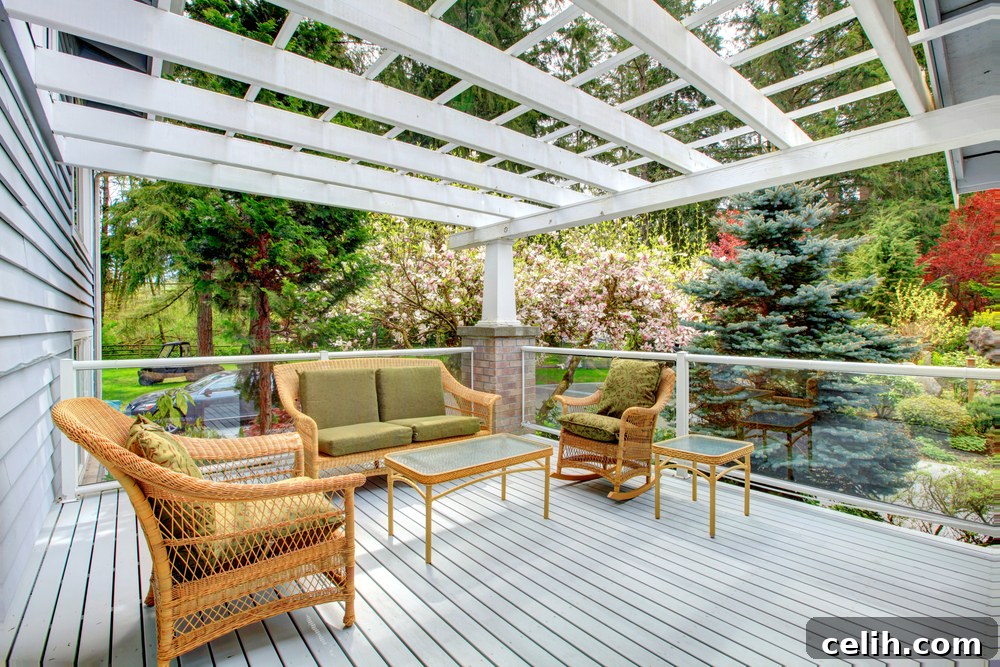
Your deck serves as a vital extension of your home, offering a cherished space for relaxation, entertainment, and enjoying the outdoors. While a well-built deck significantly enhances both visual appeal and functionality, truly transforming it into a private sanctuary often requires thoughtful screening. A high-quality deck screening material can provide crucial privacy, shield against harsh weather elements, and significantly expand the usability of your outdoor area throughout the year. Navigating the myriad of options for deck screening materials can feel daunting, given the vast selection available in today’s market, each promising unique benefits.
This comprehensive guide aims to simplify your decision-making process, helping you evaluate your specific needs and select a durable, aesthetically pleasing, and highly functional screening solution that offers maximum value over time. We’ll delve into the critical factors to consider, explore various material options, and provide expert tips to ensure your deck screening project is a resounding success. Get ready to create the outdoor oasis you’ve always dreamed of – read on to discover how to choose the perfect screening for your deck!
Key Factors When Selecting Your Deck Screening Material
Choosing the ideal material for your deck screening project requires careful consideration of several interconnected factors. A holistic approach ensures your investment delivers on all fronts – durability, aesthetics, privacy, and long-term satisfaction. Here are the most important characteristics to evaluate:
Climate and Durability
The climate in your region is arguably the most crucial factor influencing your material choice. Deck screening materials are constantly exposed to the elements, making durability paramount. You’ll need to select options that can withstand significant temperature swings, from scorching summer heat to freezing winter conditions, without warping, cracking, or becoming brittle. High winds, heavy rainfall, snow, and persistent humidity can all take a toll on lesser materials. Look for products engineered with UV resistance to prevent fading and material degradation from direct sunlight. Materials with natural resistance to rot, mold, mildew, and insect infestations are also essential for longevity, especially in humid or heavily forested areas.
Privacy and Light Control
One of the primary reasons for installing deck screening is to enhance privacy. However, the degree of privacy desired can vary greatly. Do you need a completely opaque barrier that fully obstructs views, or would a semi-transparent screen suffice, allowing some natural light and glimpses of the outside world? Opaque materials offer maximum seclusion and can also significantly block sound, creating a quieter outdoor retreat. Semi-transparent options, such as frosted glass or spaced lattice, allow natural light to filter through, maintaining a bright and airy feel while still offering a sense of enclosure. Consider how the chosen material will impact the natural light reaching your deck and adjacent interior spaces.
Aesthetic Harmony
The visual appeal of your chosen material and how seamlessly it integrates with your home’s architectural style and existing outdoor decor is vital. Your deck screen should enhance, not detract from, your property’s overall look. Whether your home boasts a modern, minimalist aesthetic, a rustic farmhouse charm, or a traditional suburban feel, there’s a screening material to match. Think about the material’s color, texture, and finish. Will it complement your deck’s flooring, railing, and garden features? The screen should look like an intentional part of your exterior design, contributing to a cohesive and inviting outdoor living space.
Budgetary Considerations
While often a primary driver, budget should be viewed not just as the initial purchase price, but as a long-term investment. High-quality materials might have a higher upfront cost, but they often offer superior durability and lower maintenance requirements, leading to significant savings over time. Factor in the cost of materials, any necessary hardware, potential delivery fees, and professional installation if you’re not planning a DIY project. Compare these initial costs with the expected lifespan of the material and its maintenance demands to determine the true value and return on investment.
Maintenance Requirements
Your willingness and capacity for ongoing maintenance should heavily influence your choice. Some materials, like certain types of wood, require regular sealing, staining, or painting to maintain their appearance and structural integrity. Others, such as glass, composite, or vinyl, are considerably lower maintenance, typically needing only occasional cleaning with soap and water. Consider how much time and effort you’re prepared to dedicate to upkeep, as neglecting maintenance can lead to premature degradation and loss of aesthetic appeal.
Installation Complexity and Local Regulations
Finally, consider the ease of installation. Some materials are straightforward for a DIY enthusiast, while others require specialized tools or expertise, making professional installation a better choice. Always check local building codes and homeowners’ association (HOA) regulations before beginning any major exterior renovation. There may be restrictions on height, materials, or proximity to property lines, which could significantly impact your project design.
Exploring Popular Deck Screening Materials
With a clear understanding of your needs, let’s explore some of the most popular and effective deck screening materials available today, highlighting their unique benefits and potential drawbacks. Each material offers a distinct combination of aesthetics, durability, and maintenance.
Elegant Glass Screening
Glass has emerged as a premium choice for deck screening, offering a sophisticated and modern aesthetic that is hard to replicate. It provides an unobstructed view while creating a subtle yet effective barrier, allowing natural light to filter through without sacrificing safety or style. Unlike traditional fencing, glass panels create a sleek, contemporary look that visually expands your outdoor space. They are exceptionally strong, typically made from tempered or laminated safety glass, making them resistant to impact and difficult for vandals, intruders, or even curious wildlife to penetrate.
- Pros: Unparalleled modern aesthetic, maximizes natural light, provides clear views, highly durable and impact-resistant, does not rust or corrode, low maintenance (requires only cleaning), enhances home value.
- Cons: Higher upfront cost, can show fingerprints and smudges easily, potential for glare, requires professional installation due to weight and precision.
- Best Suited For: Contemporary homes, properties with scenic views, those prioritizing aesthetics and minimal visual obstruction.
Classic Wood Screening
Wood remains a timeless and versatile choice for deck screening, offering a natural, warm aesthetic that blends beautifully with many outdoor environments. Options like cedar, redwood, and pressure-treated lumber are popular. Wood is highly customizable; it can be painted, stained, or left natural to weather gracefully. Its versatility allows for various design patterns, from solid panels to decorative lattices, providing different levels of privacy and light. The organic texture and varying grain patterns add character and charm to any deck.
- Pros: Natural and warm appearance, highly customizable (stains, paints, designs), relatively affordable upfront, renewable resource (if sustainably sourced), good privacy options.
- Cons: Requires significant ongoing maintenance (sealing, staining, painting to prevent rot, warping, and fading), susceptible to pests (termites) and fungal growth (mold, mildew), shorter lifespan if not properly maintained.
- Best Suited For: Traditional or rustic home styles, DIY enthusiasts willing to undertake maintenance, those seeking a truly organic feel.
Modern Composite Screening
Composite materials, typically made from a blend of wood fibers and recycled plastics, offer the best of both worlds: the natural look of wood with the enhanced durability and low maintenance of synthetic materials. This innovation has made composite screening incredibly popular for homeowners seeking a practical yet stylish solution. It comes in a wide array of colors and textures that mimic natural wood, providing aesthetic versatility without the upkeep. Composite materials are engineered for superior resistance to fading, staining, scratching, and rot, making them incredibly resilient.
- Pros: Extremely low maintenance (no painting or staining), highly durable and resistant to rot, insects, fading, and warping, wide range of colors and styles, often made from recycled materials, excellent longevity.
- Cons: Higher initial cost than wood, can retain heat in direct sunlight, not as customizable as natural wood once installed, heavy.
- Best Suited For: Busy homeowners seeking a durable and low-maintenance option, modern and contemporary designs, those prioritizing longevity and eco-friendly options.
Sleek Aluminum Screening
Aluminum screening provides a contemporary, clean aesthetic that is both robust and lightweight. Known for its exceptional durability and resistance to rust and corrosion, aluminum is an excellent choice for a long-lasting, low-maintenance screen. It can be powder-coated in various colors, offering a sleek, uniform finish that complements modern architecture. Aluminum panels can be solid for full privacy or designed with slats or perforations for a more open feel, making them adaptable to different privacy needs. Its inherent strength makes it a secure option.
- Pros: Highly durable, rust-proof and corrosion-resistant, lightweight yet strong, low maintenance, available in many colors and finishes, modern aesthetic, excellent for coastal climates.
- Cons: Can become hot to the touch in direct sunlight, potentially higher initial cost than wood or vinyl, can dent or scratch, limited warmth compared to wood.
- Best Suited For: Modern, industrial, or minimalist designs, areas with harsh weather conditions (especially coastal), those seeking extreme durability and low upkeep.
Practical Vinyl (PVC) Screening
Vinyl, or PVC, screening is celebrated for its remarkable affordability and incredibly low maintenance requirements. It’s an excellent option for homeowners who desire a durable privacy solution without the ongoing effort. Vinyl is impervious to moisture, making it resistant to rot, rust, and insect damage. It won’t peel, chip, or splinter and typically requires nothing more than occasional cleaning with a hose. While it might not offer the natural aesthetic of wood or the sleekness of glass, modern vinyl products come in a surprising array of colors and styles, including those that mimic wood grain.
- Pros: Very low maintenance, highly resistant to weather, rot, pests, and fading, typically the most affordable option, easy to clean, quick installation.
- Cons: Can appear less natural than other materials, may become brittle or discolored over very long periods in extreme UV, less resistant to impact than glass or metal.
- Best Suited For: Budget-conscious homeowners, those prioritizing ultra-low maintenance, traditional suburban settings, or areas with high humidity.
Versatile Mesh and Fabric Screens
For screened porches or more temporary solutions, mesh and fabric screens offer excellent protection against insects while allowing airflow and maintaining an open feel. These materials are often used to enclose existing deck structures or pergolas. Materials like fiberglass mesh, aluminum mesh, or specialty outdoor fabrics offer varying degrees of visibility and UV protection. They are lightweight and generally easy to install, making them a popular choice for enhancing comfort without heavy construction.
- Pros: Excellent insect protection, allows for significant airflow, generally affordable, lightweight and easy to install, provides some UV protection depending on material.
- Cons: Offers limited privacy compared to solid options, less weather protection against rain or wind, can be susceptible to tearing or damage, shorter lifespan for fabric options.
- Best Suited For: Enclosing screened porches, gazebos, or patio areas, insect control, temporary privacy solutions, maximizing airflow.
Decorative Lattice Panels
Lattice panels offer a charming, semi-private solution that adds architectural interest to any deck. Available in wood, vinyl, or composite, lattice provides partial obstruction, allowing light and air to pass through while creating a sense of enclosure. It’s an excellent choice for supporting climbing plants, effectively blending the screen with your garden landscape. The open design means less complete privacy, but it can be a beautiful decorative element.
- Pros: Cost-effective, adds decorative charm, ideal for supporting climbing plants, allows light and air, relatively easy to install.
- Cons: Offers only partial privacy, less protection from weather elements, can be flimsy depending on material and construction, may require more maintenance (wood lattice).
- Best Suited For: Decorative accents, supporting vertical gardens, creating a semi-private divider, traditional garden styles.
Essential Considerations for a Flawless Deck Screen Project
Beyond the material itself, several overarching considerations will ensure your deck screening project is both successful and contributes meaningfully to your outdoor living experience. These aspects often involve how your screen interacts with its surroundings and your long-term plans.
Integrating with Your Landscape and Garden
A successful deck screen doesn’t exist in isolation; it becomes an integral part of your entire outdoor living area. Consider how your chosen material and design will interact with any existing garden foliage, planting beds, or other landscape features. For instance, an open lattice screen can be an ideal support for climbing vines, creating a living wall that changes with the seasons. A solid panel screen might serve as a perfect backdrop for a small water feature or a collection of potted plants. Ensure the screen’s color and texture complement the natural elements, creating a harmonious and tranquil environment. The goal is to blend your screen seamlessly with your outdoor aesthetics, rather than having it stand out as an abrupt barrier.
Longevity, Warranties, and Environmental Impact
Investing in a deck screen is a long-term decision. Research manufacturer warranties to understand the expected lifespan and coverage against defects or premature degradation. Reputable brands often stand behind their products with substantial warranties, giving you peace of mind. Additionally, if environmental sustainability is important to you, explore materials with a low environmental footprint. Options include recycled composites, sustainably harvested woods, or materials that are recyclable at the end of their life. Choosing eco-friendly options not only benefits the planet but can also align with your personal values.
Sound Dampening and Noise Reduction
While privacy is often visual, auditory privacy is equally important for creating a truly peaceful outdoor space. Different screening materials offer varying degrees of sound dampening. Solid, dense materials like thick wood panels or glass can significantly reduce ambient noise from neighbors, traffic, or other external sources, enhancing the tranquility of your deck. Lighter materials, such as thin mesh or widely spaced lattice, will offer minimal sound reduction. If noise is a significant concern in your area, prioritize materials known for their acoustic properties to create a more serene oasis.
Choosing the right screening material for your deck is a pivotal decision that impacts aesthetics, functionality, and your overall enjoyment of your outdoor space. Whether you’re drawn to the modern elegance of glass, the classic warmth of wood, or the low-maintenance appeal of composite, understanding your needs and the characteristics of each option is key. Hopefully, this comprehensive guide has provided invaluable insights and clear guidance on what factors to consider and how to make the best decision for your specific requirements.
Now that you possess a deeper understanding of deck screening materials and their applications, it’s time to translate this knowledge into action. Take the next step to transform your deck into the private, comfortable, and stylish retreat you’ve always envisioned. Explore options, gather samples, and prepare to elevate your outdoor living experience with the perfect deck screening!