
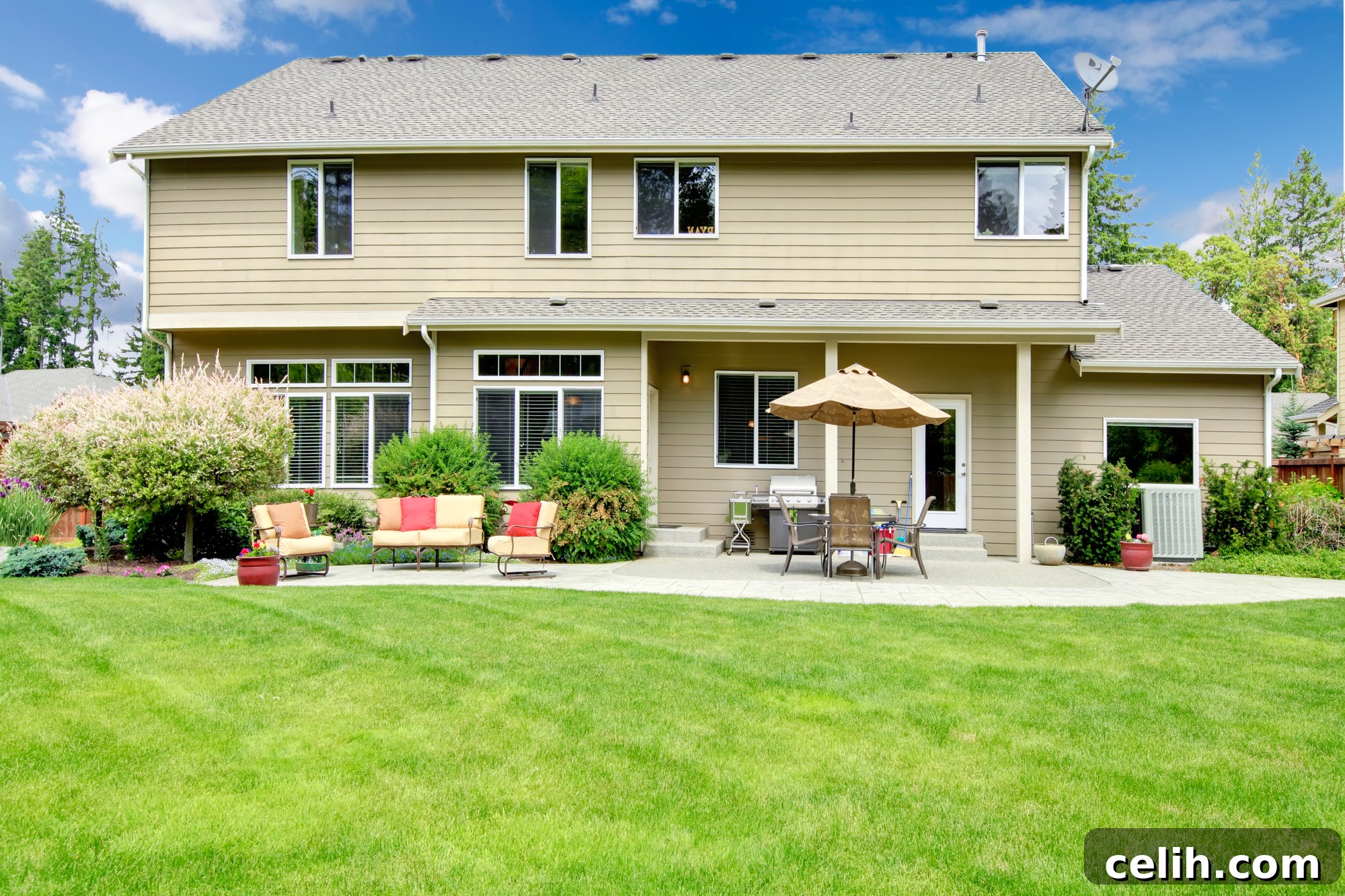
Owning a large home with an expansive garden presents a unique opportunity for creative expression and sophisticated design. While the commitment to maintenance can be substantial, the sheer scale of such a space offers an unparalleled canvas for crafting diverse outdoor experiences. Unlike smaller plots, a generous garden allows for the seamless integration of various functions and aesthetics, catering to everything from vibrant social gatherings to serene personal retreats. Whether your vision involves cultivating a gourmet vegetable patch, hosting memorable garden parties, or simply enjoying a tranquil escape, the potential is boundless. To unlock this potential, homeowners can draw profound inspiration from the masterful designs found in public parks, botanical gardens, and urban plazas, transforming their private outdoor space into a true extension of their home.
Cultivating Dynamic Garden Zones: The Art of Mix and Match
One of the most striking characteristics of well-conceived public outdoor spaces is their intelligent division into distinct areas, each serving a specific purpose and offering a unique ambiance. Imagine a sprawling park where families picnic on a verdant lawn, individuals unwind with a book in a secluded, shaded seating area, and a vibrant herb garden thrives – all within the harmonious confines of a single landscape. This concept of creating functional “rooms” outdoors is perfectly adaptable to a spacious home garden, offering both versatility and enhanced aesthetic appeal.
Harness the full potential of your sizable garden by mimicking this multi-zoned approach. Begin by conceptualizing the different activities you envision for your space. Perhaps a sun-drenched patio or a meticulously crafted deck could serve as your primary entertainment hub, complete with outdoor dining furniture and perhaps even a fire pit for cooler evenings. Adjacent to this, a lush grassy patch might become the ideal setting for children’s play, lawn games, or simply a soft surface for sunbathing. Further afield, a quiet corner could be transformed into a meditation garden, a productive vegetable patch, or a serene reading nook.
The key to successful zoning lies in clearly delineating these areas, creating a sense of transition and discovery as one moves through the garden. This can be achieved through a clever interplay of soft and hard landscaping elements. For soft transitions, consider planting tall, ornamental grasses like Pampas grass or Miscanthus, creating natural screens that sway gently in the breeze. Hedges, trellises adorned with climbing plants, or even strategically placed large shrubs can also serve as living walls, offering privacy and visual separation. For more defined boundaries, explore hardscaping solutions such as low retaining walls made from natural stone or timber, decorative screens, or elegant pergolas that enclose a specific area.
For a sophisticated, modernist aesthetic, precast concrete blocks offer a clean and contemporary way to divide spaces. These versatile structural elements can be used to create raised garden beds, stylish bench seating, or dramatic partitioning walls, lending a minimalist yet impactful feel to your landscape. Consulting with specialized suppliers who can design, supply, and install these tailored solutions ensures both functionality and an impeccable finish.
Crafting Inviting Garden Pathways: Guiding Your Journey and Your Eye
Just as urban landscapes are intelligently structured by a network of paths, your expansive home garden can benefit immensely from a thoughtfully designed system of walkways. Pathways serve a dual purpose: they provide practical navigation, preventing guests from treading on delicate flowerbeds or pristine lawns, and they act as critical design elements, guiding the eye and creating a sense of exploration and discovery within your outdoor realm.
Large gardens, by their very nature, can accommodate a more intricate and artistic network of paths, allowing you to be truly creative in their design. Imagine a main thoroughfare that leads directly to your primary entertaining area, flanked by vibrant floral displays. From this central artery, smaller, winding paths could branch off, beckoning visitors to explore various zones and hidden treasures. These might include a secluded seating area tucked beneath a fragrant pergola, a dramatic statement water feature, a whimsical sculpture garden, or a quiet, contemplative space designed for ultimate relaxation. Each path becomes an invitation to embark on a journey through your personal oasis.
The choice of material for your pathways significantly influences the overall aesthetic and mood of your garden. Paving stones offer durability and a classic look, available in a vast array of colors and textures to complement any style. Elegant ceramic tiles can inject a touch of Mediterranean charm or sleek modernity. Cobblestones evoke a rustic, old-world feel, while gravel or decomposed granite provides a more informal, permeable option. For a natural, organic look, consider wood chips or even large, flat stepping stones integrated directly into a lawn or groundcover. When designing, consider the flow and width of the paths – wider paths feel grand and inviting, while narrower, winding paths suggest intimacy and mystery. Thoughtful edging, whether with bricks, metal strips, or planted borders, will define your paths and prevent materials from spreading into adjacent beds, maintaining a neat and polished appearance.
Embracing the Serenity of Water Features
Public gardens and plazas frequently incorporate water features as captivating focal points, drawing the eye and engaging the senses. There’s a profound tranquility inherent in the sight and sound of moving water, making it a compelling addition to any garden, especially one with ample space. A well-placed water feature can transform your outdoor area into a vibrant sensory experience, offering both visual grandeur and a soothing auditory backdrop that enhances relaxation and masks unwanted noise.
Consider the dramatic impact of a large, classical tiered fountain as a stunning centerpiece, its gentle cascades becoming a natural gathering point and a constant talking point when you’re entertaining outdoors. Alternatively, a tranquil pond can create a miniature ecosystem, attracting local wildlife like birds and dragonflies, and providing a home for aquatic plants and fish. For a more subtle yet equally impactful effect, a bubbling rock feature or a naturalistic stream can weave through a rock garden, offering continuous, calming sounds.
The style of your water feature should ideally harmonize with your garden’s overall aesthetic. For a traditional garden design, an ornate stone fountain, perhaps adorned with cherubs or intricate carvings, will complement the timeless elegance beautifully. Such a feature becomes a testament to classical garden artistry. Conversely, a modern and minimalist garden will benefit from a contemporary structure – think sleek, geometric designs in stainless steel, polished concrete, or black basalt that create a sculptural statement and a sharp visual contrast. Pondless waterfalls are another excellent contemporary option, offering the mesmerizing sights and sounds of a waterfall without the maintenance of an open pond, making them ideal for families with young children or those seeking a low-upkeep solution. Beyond fountains and ponds, even a simple, well-designed bird bath or a series of reflecting pools can add significant charm and a sense of calm to your outdoor sanctuary.
Illuminating Your Outdoor Oasis: The Transformative Power of Garden Lighting
One feature you’ll consistently observe in professionally designed public outdoor spaces is their sophisticated use of lighting, which extends their usability and beauty well into the evening hours. This strategy offers excellent inspiration for homeowners looking to maximize their own large gardens. Beyond merely providing added security, thoughtful outdoor lighting transforms your garden after dusk, injecting a touch of class, sophistication, and undeniable magic. It is also inherently practical, making your outdoor spaces fully functional and inviting, especially when entertaining guests on warm summer evenings.
Clever application of outdoor lighting can dramatically enhance the mood and atmosphere of your garden, allowing its beauty to be appreciated even after the sun sets. Imagine soft lanterns strategically placed along pathways, or strings of twinkling fairy lights draped around a patio or pergola, casting a warm, magical glow that encourages lingering conversations and leisurely moments. Uplighting, positioned discreetly among flower beds or beneath the canopy of trees, can highlight architectural plants, sculptures, or specimen trees, creating dramatic shadows and accentuating their forms in captivating ways. This technique adds depth and dimension to your nighttime landscape.
Beyond ambiance, lighting plays a crucial role in safety and functionality. Pathway lighting, whether through subtle recessed fixtures, charming bollard lights, or elegant lantern posts, ensures safe navigation for you and your guests along garden paths, steps, and around potential obstacles. Floodlights with motion sensors can serve as an excellent security deterrent, while task lighting around an outdoor kitchen or dining area ensures practical visibility. You might also use lighting to draw attention to any statement features you wish to emphasize – perhaps a striking piece of artwork, a beautifully textured wall, or the shimmering surface of your water feature. With modern advancements in solar, low-voltage, and smart lighting systems, illuminating your large garden has never been more accessible or customizable, allowing you to create a dynamic and enchanting outdoor experience that truly extends your living space.
Conclusion
A spacious home garden is an extraordinary asset, offering an unparalleled opportunity to design a personalized outdoor sanctuary. By drawing inspiration from the artful designs of public spaces – the carefully curated zones, the inviting pathways, the serene water features, and the captivating lighting schemes – you can transform your backyard into a multi-functional, aesthetically pleasing, and deeply personal extension of your home. Embracing these principles allows you to not only maximize the utility of your outdoor space but also to create an environment that offers endless opportunities for relaxation, entertainment, and connection with nature. Unleash your creativity and cultivate a garden that truly reflects your vision and lifestyle, crafting an outdoor oasis that provides joy and beauty for years to come.