
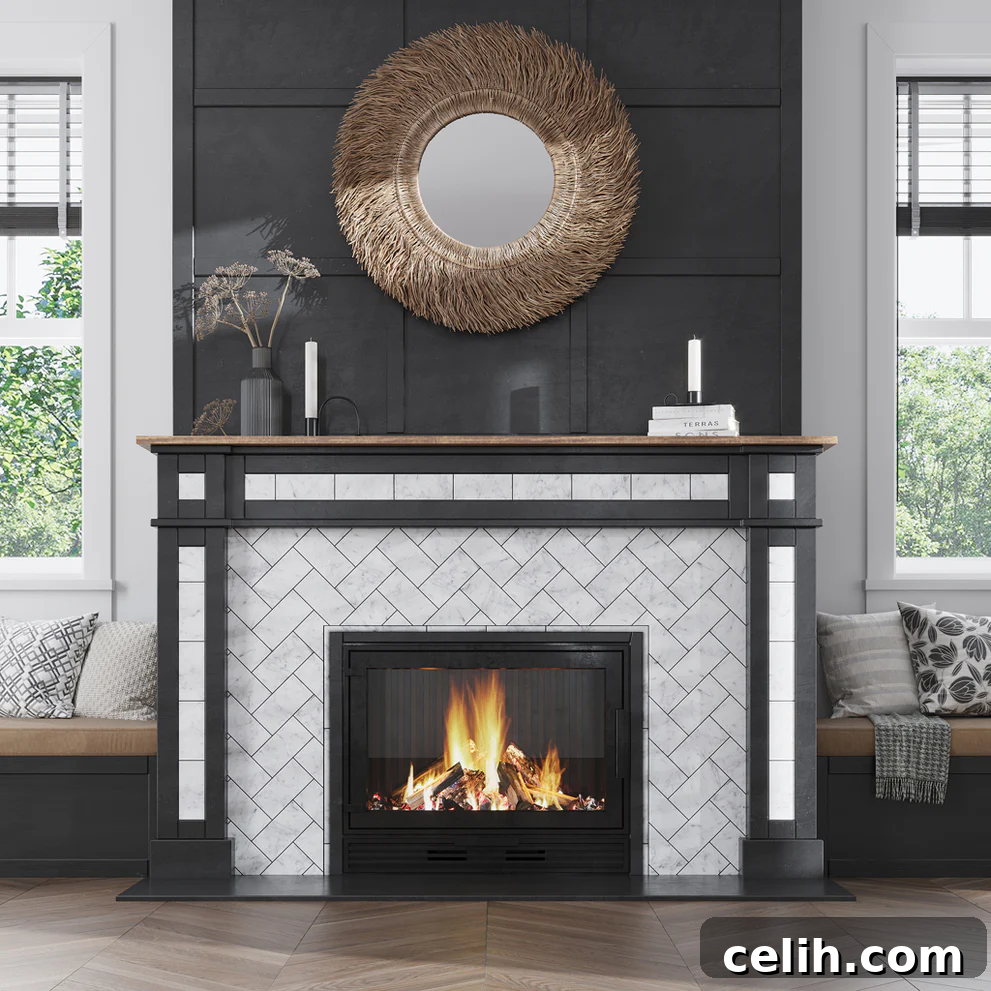
In the realm of interior design, often it’s the subtle details that make the most profound impact, transforming a simple space into a sophisticated sanctuary. Among these unsung heroes of design, pencil tiles stand out. These slender, elegant, and incredibly versatile tile trims offer a refined finishing touch that elevates any tiled surface. From bustling kitchens to tranquil bathrooms and captivating feature walls, pencil tile trims are celebrated by designers and homeowners alike for their ability to create impeccably clean lines, ensure seamless transitions, and deliver a truly polished aesthetic that speaks volumes.
Unveiling the Appeal of Pencil Tile Trims: A Special Design Detail
Pencil tiles, often described as slim, elongated pieces of trim, serve a crucial function beyond mere decoration: they are master concealers of raw tile edges. These delicate trims provide a sophisticated frame where one tiled surface meets another, or where tiles transition to a non-tiled wall or element. This inherent adaptability makes pencil tile trims an indispensable addition to any tiling project. More than just functional, they also possess an extraordinary ability to accentuate design features such as a vibrant kitchen backsplash, a practical shower niche, or a decorative wall panel, imparting a refined and polished appearance that enhances the overall spatial narrative.
Crafted from a diverse range of materials including durable porcelain, classic ceramic, luxurious marble, and shimmering glass, these tile edge trims are built to last while offering immense aesthetic flexibility. Their distinctively slim profile allows them to integrate seamlessly into virtually any design scheme, making them an ideal choice for both crisp, contemporary interiors and timeless, traditional settings. Furthermore, many standard tile collections offer coordinating pencil trims in a variety of finishes—from high-gloss to elegant matte, or a sophisticated honed look—ensuring a perfectly cohesive and harmonious design throughout your home. This thoughtful coordination potential makes them a cornerstone for achieving a truly custom and professional finish.
Transforming Kitchens with Elegant Pencil Tile Trims
The kitchen, often considered the heart of the home, truly comes alive through its design details, and the kitchen backsplash plays a pivotal role in defining its character. This is precisely where pencil tiles shine, offering unparalleled precision and creative potential. These versatile tile trims can effortlessly elevate an ordinary kitchen backsplash, turning it into a focal point. Whether you aim to highlight an intricate tile pattern, create distinct borders around a cooking zone, or simply provide a durable, easy-to-clean edge that protects against daily splashes and spills, pencil trims deliver. They offer a custom-made look, adding depth and structure that makes your kitchen design truly stand out.
Beyond backsplashes, pencil tiles can be ingeniously applied to other areas within the kitchen. Consider using them to create a neat, finished edge along countertop transitions, or to frame built-in shelving, providing a continuous, polished line. They can also define the perimeter of a tiled kitchen island or even add a subtle architectural detail around a kitchen window, giving the sill a more substantial and finished appearance. By carefully selecting the material and finish of your pencil trim, you can either create a striking contrast that draws the eye or a harmonious blend that subtly enhances the existing color palette, ensuring your kitchen design is both functional and impeccably stylish.
Adding Spa-Like Elegance to Bathroom Designs
In bathrooms, pencil tiles are an exceptional choice for bringing sophistication and definition to tiled surfaces. They are perfect for expertly edging around tiled walls, framing mirrors to give them a bespoke, built-in feel, or clearly defining the boundaries of shower enclosures. These slender trims possess a unique ability to carve out specific areas within a bathroom without overwhelming the visual space, maintaining a sense of openness and tranquility. For instance, lining a shower niche with a pencil tile trim not only conceals sharp, unfinished edges but also creates a luxurious accent, transforming a utilitarian space into a beautiful and functional feature that complements the surrounding tiles and fixtures.
The application of pencil tiles extends further in bathroom design. They can be utilized to create elegant borders around a vanity backsplash, providing a seamless transition between the countertop and the wall. In larger bathrooms, pencil tiles can serve to define different zones, such as separating the wet area from the dry, or creating decorative wainscoting effects on walls. Their slim profile also makes them ideal for finishing the edges of a tiled tub surround or even as a subtle transition piece between different flooring materials. The inherent moisture resistance of materials like porcelain and glazed ceramic pencil tiles makes them a practical and durable choice for the humid environment of a bathroom, ensuring longevity and lasting beauty.
Enhancing Living Spaces with Subtle Architectural Detail
While often associated with kitchens and bathrooms, pencil tiles offer remarkable potential for bringing subtle architectural detail and refined finishes to living areas as well. They work beautifully around fireplace surrounds, transforming a simple hearth into a captivating focal point with crisp, neat lines that help anchor the entire room. On feature walls, these trims can outline geometric patterns, separate different textures, or provide a polished edge to an accent color, lending a bespoke, gallery-like quality to your living space. Furthermore, for open-plan shelving or built-in cabinetry, pencil tiles offer a sophisticated way to achieve a custom-made finish, creating a sense of completeness and high-end craftsmanship.
By artfully framing specific sections or introducing gentle separation in expansive open-plan layouts, pencil tiles instill a sense of structure and refinement into everyday living. Imagine outlining an archway or a doorway with a delicate pencil trim to add an element of classical elegance, or using them along the risers of a staircase to introduce a surprising touch of sophistication. Their versatility allows them to integrate into various design aesthetics, from minimalist contemporary to richly traditional. Pencil tiles provide that essential finishing touch, tying together diverse elements and creating cohesive visual narratives that enhance the comfort and style of any residential living area.
Expanding Design Horizons: Using Pencil Tiles Outdoors
The utility and beauty of pencil tiles are not confined to indoor spaces; they can extend seamlessly to the exterior of your home, provided they are selected in appropriately durable materials. Porcelain pencil tiles, renowned for their exceptional strength and resistance to weather fluctuations, are an excellent choice for outdoor applications. They are superb for revamping patio feature walls, adding a polished edge to outdoor kitchen backsplashes, or providing decorative borders on garden walls. These robust trims are instrumental in defining clear boundaries, creating smooth transitions between different outdoor surfaces, and achieving a visually polished aesthetic that steadfastly withstands the rigors of fluctuating weather conditions, from intense sunlight to freezing temperatures.
Integrating pencil tiles into outdoor design brings both functional benefits and aesthetic enhancements. They can protect exposed tile edges from chipping, prevent moisture ingress into wall structures, and simplify cleaning. Beyond practical considerations, they add a layer of sophistication, ensuring that your exterior spaces reflect the same attention to detail as your interiors. Whether you’re delineating a pathway border, accentuating a fountain feature, or providing a crisp edge to an outdoor fireplace, pencil tiles can connect the design language of your home from the inside out, creating a cohesive and inviting outdoor environment that is both durable and delightfully stylish.
Choosing the Right Material for Your Pencil Tiles
The selection of material for pencil tiles is a critical decision that influences both the durability and the overall design cohesiveness of your project. Each material offers distinct characteristics that make it suitable for different applications and aesthetic goals. Porcelain pencil tiles are highly celebrated for their incredible durability, minimal water absorption, and resistance to scratches and stains, making them an excellent choice for high-moisture environments like bathrooms and kitchens, as well as robust outdoor applications. Their versatility extends to mimicking the look of natural stone, wood, or concrete.
Ceramic pencil tiles, often more cost-effective, boast an extensive array of colors, patterns, and glazes, making them ideal for decorative walls, vibrant backsplashes, and areas where artistic expression is paramount. While generally durable, they may not be as robust as porcelain for high-traffic or outdoor areas unless specifically rated. Glass pencil tiles introduce a unique reflective quality, perfect for brightening spaces, adding a touch of contemporary sparkle, or creating a subtle iridescent effect. They work particularly well in modern designs, shower surrounds, or feature walls where light play is desired. However, they can be more delicate and prone to chipping than ceramic or porcelain.
For those seeking a touch of timeless luxury, marble pencil tiles and other natural stone options, such as travertine or granite, provide exquisite natural veining and a rich, opulent finish that can give any room a truly high-end and classic appearance. Natural stone, while stunning, requires sealing to protect against moisture and staining, and it may be more susceptible to etching from acids. The final material selection should always be made in careful consideration of the space’s intended purpose, the amount of moisture and traffic it will endure, and the overarching design scheme you wish to achieve, ensuring both beauty and lasting functionality.
Expert Installation Tips for Flawless Pencil Trims
Achieving a flawless finish with pencil tile trims requires careful attention during installation. Ideally, pencil trims should be installed concurrently with your standard field tiles, following similar preparation and application methods. The choice of adhesive is paramount, especially in moisture-prone areas like bathrooms and kitchens. A high-quality, waterproof thin-set mortar is essential to ensure a strong, long-lasting bond between the trim and the substrate, preventing future loosening or water infiltration. Always check the manufacturer’s recommendations for both the tile and the adhesive to ensure compatibility.
Grout selection also plays a crucial role. For pencil trims, you’ll generally choose between sanded and unsanded grout. Unsanded grout is typically recommended for narrower grout lines (1/8 inch or less) and softer tile materials, as sanded grout can scratch delicate surfaces. Sanded grout is more durable and suitable for wider joints. The color of the grout can either blend seamlessly with the tile for a subtle look or create a striking contrast to make the trim stand out. Precise cutting using a wet saw is often necessary to achieve clean, crisp edges, particularly around corners or obstructions. Whether you plan to set them vertically to elongate a space or horizontally to add visual interest, meticulous planning and execution will transform your walls or floors from ordinary to truly outstanding with the elegant touch of pencil tiles.
Maintaining the Beauty and Ensuring Longevity of Pencil Tiles
One of the most appealing benefits of incorporating pencil tiles into your design is their relatively low maintenance requirements. Most materials used for pencil trims, such as porcelain, ceramic, and glass, are inherently resistant to stains, moisture, and general wear and tear, making them highly practical for busy households. Routine cleaning typically involves nothing more than wiping them down with a soft cloth and a mild, pH-neutral detergent, allowing them to retain their pristine appearance for years.
However, for certain materials like natural stone (e.g., marble), specific care is necessary to ensure long-term durability and aesthetic appeal. Marble pencil tiles, and other porous natural stones, should be professionally sealed upon installation and then re-sealed every 1-2 years, or more frequently in high-traffic or wet areas, to protect them from moisture damage, staining, and etching. While porcelain, glass, and most glazed ceramic options do not require sealing themselves, it is always recommended to seal the grout lines, regardless of the tile material, to prevent mold, mildew, and discoloration. By investing in high-quality pencil tiles and adhering to these simple maintenance guidelines, homeowners can confidently ensure that their spaces remain stylish, functional, and beautiful for many years to come, making them a wise and cost-effective choice for any long-term design project.
Conclusion: The Enduring Elegance of Pencil Tiles
Ultimately, the inclusion of pencil tiles in your home is not merely about adding a decorative element; it’s about enriching the entire design language of your living spaces. Their subtle charm, exceptional durability, and remarkable adaptability make them an invaluable investment, offering significant benefits on both aesthetic and functional grounds. These slender trims possess the power to transform ordinary transitions into intentional design statements, elevate simple surfaces into focal points, and add a layer of bespoke sophistication that truly distinguishes a home.
We encourage homeowners and designers to explore the vast array of pencil tile options available today. Whether you are seeking to define a bold backsplash, refine a shower enclosure, frame a fireplace, or add a polished touch to an outdoor patio, there’s a perfect pencil tile solution waiting to complement your standard tiles and bring your vision to life. Regardless of your personal style—be it modern minimalism, classic traditionalism, or something creatively eclectic—pencil tiles offer a versatile, elegant, and enduring solution to elevate every corner of your home, proving that often, the smallest details can make the biggest difference.