
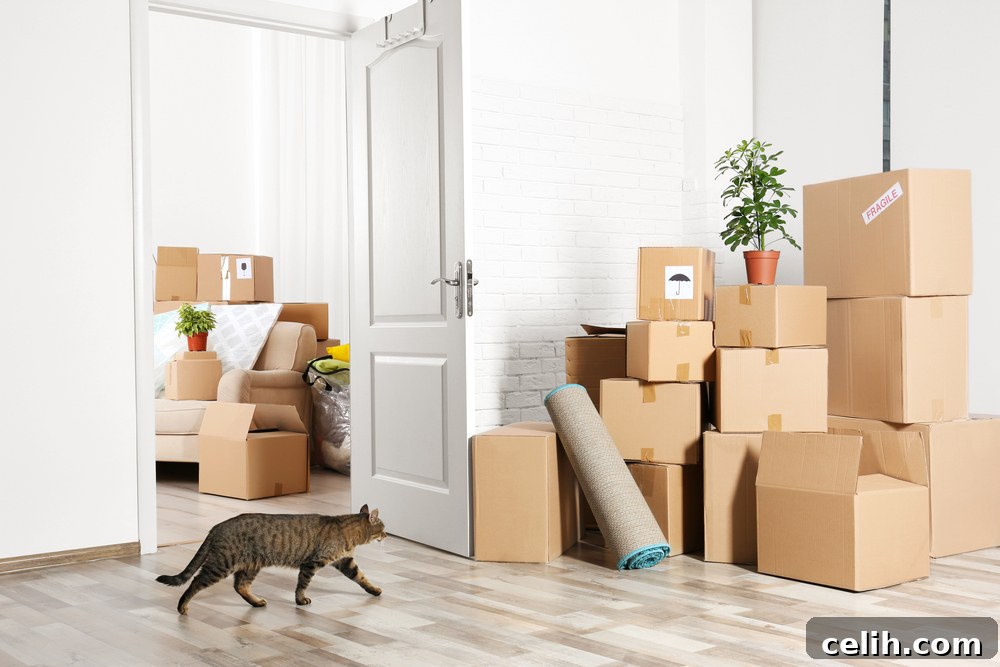
Moving, even just across town, can be a daunting task. However, long-distance moves introduce an entirely new layer of complexity, demanding meticulous planning, careful execution, and often, professional assistance. The good news is that relocating across states or even the country doesn’t have to be an overwhelming, stress-inducing ordeal. With the right strategies and the invaluable support of reputable moving companies, you can ensure a smooth, efficient, and secure transition to your new home. If your goal is to quickly and safely transport your home’s belongings over a significant distance, then these comprehensive tips are designed to guide you every step of the way.
Start Early: Pack Your Items in Advance
There is arguably no more effective way to mitigate the stress of a long-distance move than by initiating the packing process well in advance. Procrastination is the enemy of a smooth relocation, especially when you’re moving across vast distances. Beginning early allows you to approach the task systematically, avoiding the last-minute rush that often leads to errors, damaged items, and forgotten essentials.
Ideally, you should start packing non-essential items at least two to three months before your moving date. Begin with items you rarely use, such as seasonal decorations, out-of-season clothing, spare linens, books you’ve already read, and items stored in the attic, basement, or garage. This phased approach allows you to declutter as you go. Use this opportunity to sort through your possessions, deciding what to keep, donate, sell, or discard. Moving presents a perfect chance to lighten your load, saving you money on moving costs and reducing the amount of unpacking you’ll need to do in your new home.
Gathering all necessary packing supplies ahead of time is also crucial. This includes sturdy moving boxes of various sizes, packing tape, bubble wrap, packing paper, markers, and perhaps even specialty boxes for fragile items like dishes or artwork. If you find yourself unable to pack everything beforehand, at the very least, ensure that the tops of every dresser, cabinet, and closet are cleared off. This prevents any small, hidden boxes or fragile breakables from being left behind or overlooked during the movers’ final sweep.
Creating a master packing checklist or timeline can be incredibly beneficial. Assign specific tasks to each week leading up to the move, ensuring consistent progress. Remember to pack an “essentials” box with items you’ll need immediately upon arrival at your new home. This might include toiletries, medications, important documents, a change of clothes, basic tools for reassembly, snacks, and pet supplies. Keeping this box separate and easily accessible will be a lifesaver during the first few days.
Implement a Smart Labeling System for Your Boxes
One of the most common pitfalls in moving is the chaotic unloading process at the new destination. To prevent this, it’s absolutely critical to label every single box clearly and comprehensively before it’s loaded onto the moving truck. A well-executed labeling system is your roadmap to an organized and efficient unpacking experience, saving you immense time and effort.
Beyond simply avoiding confusion, strategic labeling serves several vital purposes. It ensures that fragile items are handled with the utmost care, that boxes are placed in their correct rooms, and that you can locate specific items quickly when needed. Here’s how to create an effective labeling system:
- Room Destination: Clearly write the name of the room where the box should go in your new home (e.g., “Kitchen,” “Master Bedroom,” “Living Room,” “Child’s Room”). Write it on at least two sides and the top of the box for visibility from any angle.
- Contents Description: Provide a brief but specific description of the contents. Instead of just “Miscellaneous,” write “Pots & Pans,” “Bedroom Linens,” “Kids’ Books,” or “Office Supplies.” This helps you prioritize unpacking and find items without opening every box.
- Fragile Warnings: For boxes containing breakable items, write “FRAGILE” in large, bold letters on all sides. You can also add specific instructions like “This Side Up” with arrows.
- “Open First” or “Essentials”: Designate certain boxes as “Open First” or “Essentials” for immediate needs upon arrival. These should contain items like toiletries, a change of clothes, basic kitchen items, pet food, and critical documents.
- Color-Coding: Consider using a color-coding system. Assign a specific color to each room (e.g., green for the kitchen, blue for the master bedroom) and use colored labels or tape. This visual cue can be incredibly helpful for movers and for you when directing traffic.
- Numbered Inventory: For ultimate organization and security, create a numbered inventory list. Assign a unique number to each box, write it on the label, and then list its contents and destination room on a separate spreadsheet or notebook. This inventory is invaluable for tracking your belongings, especially for insurance purposes, and helps confirm everything has arrived safely.
It’s worth noting that many professional cross-country movers offer comprehensive labeling and inventory services, often at an additional cost. If you prefer to delegate this crucial task, they can meticulously pack and label your items, providing you with a detailed packing report once completed. This can significantly reduce your pre-move workload and provide an extra layer of assurance.
Deconstruct Larger Items for Efficient Transport
Transporting large, bulky items like furniture can be one of the most challenging aspects of a long-distance move. Not only do they take up an immense amount of space in the moving truck, but they are also more prone to damage during transit if not handled properly. A highly effective strategy to make your belongings easier and safer to transport is by carefully deconstructing bigger items into smaller, more manageable components.
This process typically involves taking apart furniture pieces such as beds (frames, headboards, footboards), dining tables, desks, large shelving units, and certain types of dressers or cabinets. Disassembly offers several key advantages:
- Space Optimization: Breaking down furniture allows pieces to lay flat or be stacked more efficiently, maximizing the usable space within the moving truck and potentially reducing the number of trucks or trips required.
- Damage Prevention: Assembled furniture pieces are often awkward to carry through doorways and hallways, increasing the risk of scrapes, dents, or breaks. Disassembled parts are less likely to snag or hit obstacles.
- Easier Maneuverability: Smaller components are significantly lighter and easier for movers to carry and load, reducing the risk of injury to them and damage to your items or property.
The trick with this method is to disassemble the item just enough until it fits into a box of manageable size or can be safely stacked. Over-disassembling can lead to an overwhelming number of tiny pieces, making reassembly a nightmare. Before you begin, take photos of the furniture piece from various angles. These visual references will be incredibly helpful during reassembly. If you have the original instruction manuals, keep them handy. If not, YouTube tutorials can often guide you.
As you deconstruct, gather all screws, bolts, washers, and other small hardware pieces. Place them immediately into clearly labeled plastic bags (e.g., “Dining Table Hardware,” “Master Bed Frame Bolts”). For added security, tape these labeled bags directly to the corresponding furniture piece or place them all together in a designated “hardware box” that you keep track of personally. This prevents lost parts and streamlines the reassembly process at your new home. For larger components like bed frames or table legs, wrap them individually in moving blankets or bubble wrap to prevent scratches during transport.
Strategize with Light and Heavy Boxes
The physical demands of moving, especially over long distances that can span multiple days, can be exhausting. One key strategy to alleviate this burden for both yourself and your movers is to be mindful of box weight. The goal should be to create a balanced approach: packing light boxes where appropriate and using smaller boxes for heavier items.
Avoid the common mistake of overpacking large boxes with heavy items, which makes them incredibly difficult to lift, carry, and maneuver up stairs. This not only puts strain on backs but also increases the risk of boxes breaking, contents shifting, and injuries. The best way to avoid this problem is by packing lightweight items into larger boxes and reserving smaller, sturdier boxes for heavy objects.
For Light Boxes (Larger Boxes):
Items such as linens, towels, pillows, bedding, curtains, seasonal clothing, lampshades, plastic containers, and lightweight kitchenware are ideal for larger moving boxes. These items fill space without adding excessive weight, making the boxes easier for you and your movers to handle. This also helps to cushion other items and utilize space effectively in medium-to-large moving crates.
For Heavy Boxes (Smaller Boxes):
Conversely, items like books, canned goods, dishes, glassware, tools, DVDs, records, and small appliances (like blenders or toasters) should always be packed into smaller, strong boxes. Even then, ensure the weight is distributed evenly, and don’t fill a small box to the brim with only heavy items if it feels too dense. If a box is too heavy for you to lift comfortably, it’s too heavy for your movers as well. Many professional movers have weight limits per box, and exceeding these can lead to additional charges or refusal to move the box.
By consciously distributing weight and using appropriate box sizes, you’ll protect your belongings, make the loading and unloading process significantly safer and more efficient, and ensure that your movers can transport everything without unnecessary strain or risk of damage to when moving house across the country.
Utilize Your Suitcases Effectively
Beyond traditional moving boxes and plastic containers, it’s easy to overlook the immense practicality and utility of suitcases during a long-distance move. While commonly associated with travel and vacations, suitcases can and should play a crucial role in your moving strategy, especially for items that require extra care, security, or immediate access.
Utilizing suitcases for your move can be a surprisingly smart and efficient strategy. Their sturdy construction and built-in features offer significant advantages:
- Protection for Valuables and Delicates: Suitcases, particularly those with hard shells, offer superior protection for valuable, fragile, or sentimental items. This includes jewelry, important documents, expensive electronics (laptops, tablets, cameras), heirlooms, and delicate clothing. The padded interior and robust exterior safeguard contents far better than a standard moving box.
- Security: Many suitcases come with integrated locks or provide loops for padlocks, offering an added layer of security for your most prized possessions. This is particularly important for items you don’t want out of your sight or handled by others.
- Personal Transport: Wheeled suitcases are incredibly easy to handle and maneuver. You can personally transport them, keeping them with you in your car or as carry-on luggage if flying, ensuring direct oversight of your most critical items. This ease of movement is invaluable whether you’re loading them into a moving truck yourself or carrying them upstairs in your new home.
- Essentials for Arrival: Pack a “first night” bag in a suitcase. This should contain clothes, toiletries, medications, chargers, and any other immediate necessities for you and your family. This way, you don’t have to rummage through dozens of boxes upon arrival to find basic amenities.
- Optimizing Clothing Transport: Clothing can be neatly folded or even rolled into suitcases, preventing wrinkles and keeping them organized. A medium-sized durable suitcase is perfect for transporting a significant amount of clothing, bedding, and even some smaller, less fragile kitchen items.
By packing suitcases strategically, you can make the most of their space, durability, and portability, ensuring that your belongings, especially those that are most important or frequently needed, remain safe, organized, and readily accessible throughout the journey to your new home.
Partner With a Professional Moving Company
While all the tips above will significantly aid your long-distance move, one of the most impactful decisions you can make for efficiency, safety, and peace of mind is to hire a professional moving company. Engaging experts like Osmon Moving and Storage to handle the entire relocation process can transform a potentially overwhelming experience into a seamless transition.
There are numerous compelling benefits that come with entrusting your long-distance move to a reputable professional company:
- Expertise and Experience: Professional movers possess extensive experience in navigating the complexities of long-distance logistics. They are skilled in efficient packing techniques, secure loading strategies, and safe driving practices over extended journeys. They know how to properly handle fragile items, oddly shaped furniture, and delicate electronics.
- Enhanced Efficiency: With a trained crew, specialized equipment, and a well-orchestrated plan, professional movers can accomplish in hours what might take individuals days or weeks. This translates into a significantly faster and smoother relocation process, allowing you to settle into your new home sooner.
- Specialized Equipment: Moving companies come equipped with all the necessary tools and gear for a successful move. This includes dollies, hand trucks, furniture blankets, lifting straps, specialty cartons, and trucks designed to safely transport belongings over long distances. This equipment is crucial for preventing damage and ensuring safety.
- Comprehensive Insurance and Liability: One of the most significant advantages is the protection offered by professional movers’ insurance. This means you don’t have to worry about being held solely accountable for anything that might be broken, lost, or damaged during packing, loading, transportation, or unloading. Reputable companies offer various levels of coverage, from basic liability to full value protection, providing crucial peace of mind. Always understand the coverage options available.
- Stress Reduction: Perhaps the greatest benefit is the substantial reduction in physical and mental stress. By delegating the heavy lifting, the intricate logistics, and the lengthy drives to experts, you free yourself to focus on other important aspects of your move, such as family adjustments, utilities, and exploring your new community. All you have to do is point and direct, while everything else will be taken care of.
- Additional Services: Many professional moving companies offer a range of additional services, including full-service packing and unpacking, temporary or long-term storage solutions, specialized transport for items like pianos, artwork, or antique furniture, and even vehicle relocation. These services can be tailored to meet your specific needs.
When selecting a moving company, always conduct thorough research. Obtain multiple quotes, read customer reviews, verify their licensing and insurance credentials, and ensure they have experience with long-distance moves specifically. Clear communication about your needs and expectations is paramount from the initial consultation to the final delivery.
With these comprehensive tips and the strategic decision to partner with professional movers, you can always rest assured that your cherished belongings will arrive safely and on time at your new destination. While professional movers undeniably have all it takes to move your items quickly and safely, remember that you can significantly make their work easier, and your entire move smoother, by diligently preparing ahead of time. A well-prepared move is a successful move.
Featured image credit: Shutterstock