
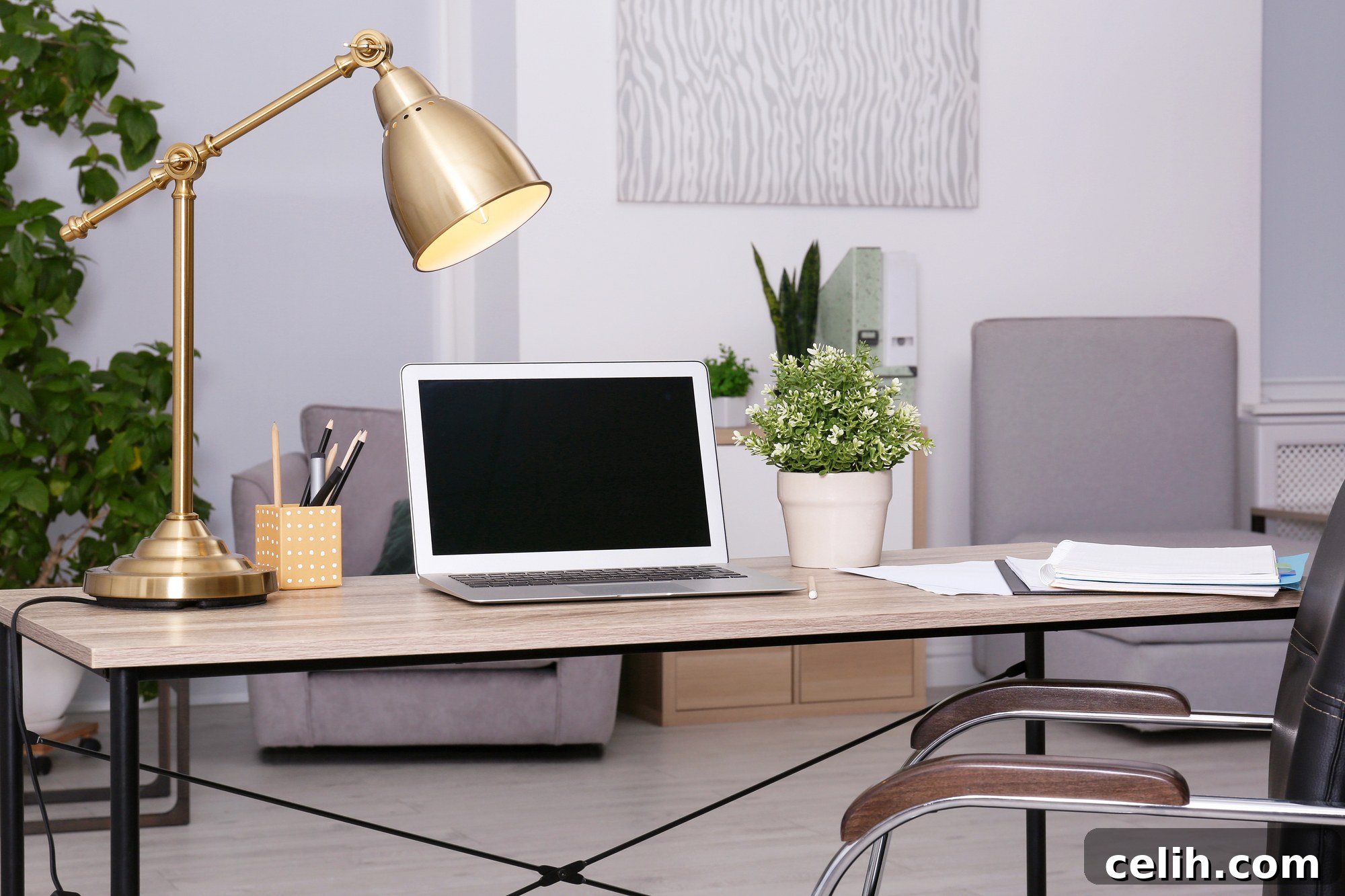
Setting up or refreshing a home office involves several crucial considerations, two of the most prominent being budget management and environmental responsibility. In today’s evolving business landscape, where remote work is increasingly common, the demand for functional yet aesthetically pleasing workspaces is higher than ever. However, equipping your home office doesn’t have to break the bank or contribute to excessive waste. Embracing the world of reused and refurbished office furniture offers a compelling solution that addresses both financial prudence and ecological consciousness. By opting for pre-loved pieces, businesses can significantly reduce their overheads, divert items from landfills, and actively participate in the burgeoning circular economy, establishing a more sustainable and cost-effective operational model from day one.
Unlocking Significant Cost Savings for Your Home Business
The financial advantages of purchasing secondhand office furniture are undeniable and can be a game-changer for startups or home businesses operating on tight budgets. On average, the investment required for quality used furniture can be as much as 50% less than the cost of new equivalents. This substantial saving frees up capital that can be strategically reallocated to other critical areas of your business, such as marketing, technology upgrades, or professional development. Instead of sinking a large portion of your initial funds into depreciating assets like new furniture, you can make smarter financial decisions that foster long-term growth and stability. Moreover, the depreciation rate for used furniture is significantly lower, meaning your investment retains more of its value over time compared to brand-new items that lose a considerable percentage of their value the moment they leave the showroom. This intelligent approach to procurement allows businesses to achieve a professional and functional workspace without compromising their financial health.
Superior Quality and Enduring Durability
Secondhand office furniture often boasts a level of craftsmanship and material quality that is increasingly rare in much of today’s mass-produced new furniture market. Many older pieces were built to last, constructed from robust materials like solid wood, heavy-gauge steel, and high-density laminates, rather than focusing solely on fleeting aesthetic trends or minimizing production costs. This means that when you acquire pre-owned items, you are frequently investing in furniture that has already proven its resilience and durability. Such pieces are designed to withstand years of rigorous use, making them an ideal choice for a busy home office environment. Opting for these well-made, tough, and durable items translates into less frequent replacements, further saving resources and money in the long run. It’s an investment in longevity, ensuring your workspace remains functional and reliable for years to come, reducing the need for constant maintenance or premature disposal.
Cultivating a Unique and Inspiring Aesthetic
Beyond the practical benefits, used office furniture offers an unparalleled opportunity to inject unique character and a distinctive identity into your workspace. Unlike the often-homogenous look of brand-new furniture lines, vintage, antique, or simply well-maintained pre-owned pieces can provide that bespoke feel, setting your home office apart from competitors. Imagine a beautifully restored mid-century modern desk, an industrial-style metal filing cabinet, or a comfortable, leather armchair with a story to tell. These items carry a certain charm and history that new furniture simply cannot replicate. They allow you to move beyond generic office aesthetics and truly create a creative space that reflects your personal style and your business’s brand identity. This unique aesthetic can be a powerful tool for inspiring creativity, enhancing productivity, and creating an environment where you genuinely enjoy working, ultimately fostering a more positive and engaging work experience.
Championing Sustainability and Eco-Friendliness
The environmental impact of our consumption choices is a growing concern, and furnishing an office is no exception. The manufacturing and shipping processes of new furniture contribute significantly to environmental degradation, through resource extraction, energy consumption, greenhouse gas emissions, and waste generation. By choosing secondhand office furniture, you directly mitigate these negative impacts. This choice reduces the demand for new production, conserves natural resources, minimizes carbon emissions associated with manufacturing and transportation, and, most importantly, diverts perfectly functional items from landfills. Each piece of reused furniture is a testament to the principles of the circular economy, where products and materials are kept in use for as long as possible.
Actively addressing your carbon footprint and committing to sustainable practices significantly boosts your business’s environmental credentials. This isn’t just about feeling good; it’s also a smart business move. As consumer awareness of environmental issues grows, businesses demonstrating genuine commitment to sustainability often gain a competitive edge. It enhances your reputation amongst environmentally conscious customers, clients, and even potential employees who prioritize responsible corporate behavior. Showcasing an office furnished with sustainable choices communicates a powerful message about your values and dedication to a greener future, fostering trust and loyalty in an increasingly eco-aware marketplace.
Unrivaled Flexibility and Expansive Variety
One of the most exciting aspects of exploring the secondhand furniture market is the sheer breadth of choice available. Rather than being confined to the limited design palettes and styles dictated by current trends in new office furniture showrooms, buying pre-owned opens up a world of possibilities. You’re not restricted to mass-produced lines; instead, you have the chance to discover truly unusual, vintage, or even custom-built pieces that perfectly align with your specific aesthetic preferences and functional requirements. This flexibility allows for a highly personalized and eclectic approach to office design. You can mix and match styles from different eras, blend textures and materials, and create a truly unique environment that reflects your individuality and brand ethos. Whether you’re seeking a specific ergonomic chair that’s no longer in production, a large solid wood desk, or quirky decorative elements, the secondhand market significantly expands your options, offering a treasure trove of items that can transform your office into a truly inspiring space.
Effortless Accessibility and Diverse Sourcing Options
Gone are the days when sourcing used office equipment felt like a niche pursuit. Thanks to the proliferation of online marketplaces and the enduring popularity of local thrift stores, finding pre-owned furniture is easier and more accessible than ever before. Major online sales platforms like eBay, Vinted, and Facebook Marketplace host countless listings for everything from office chairs to executive desks, allowing you to browse and purchase items conveniently from your home office. Additionally, specialized office furniture resale sites cater specifically to businesses looking for high-quality, pre-owned commercial-grade pieces. These online avenues often provide detailed descriptions, multiple photographs, and direct communication with sellers, streamlining the buying process.
Beyond the digital realm, traditional channels remain excellent sources for high-quality, affordable office pieces. Local auctions and estate sales are often overlooked but can yield incredible finds, from antique wooden desks to durable filing cabinets, often at surprisingly low prices. These venues offer the unique advantage of allowing you to inspect items in person, assessing their condition and quality firsthand. Furthermore, local charity shops, furniture recycling centers, and commercial liquidation sales frequently stock a wide array of office furniture, providing businesses with ample opportunities to find hidden gems that not only suit their functional needs but also add significant aesthetic value and character to their surroundings. With a little patience and an open mind, the perfect secondhand piece is often just a search or a visit away.
Essential Tips for Smart Second-Hand Office Furniture Procurement
Venturing into the secondhand furniture market is an exciting prospect, but a few key considerations will ensure a successful and satisfying purchase:
- Inspect Thoroughly: Always conduct a meticulous examination of any item you consider. Look for not only obvious damage like scratches, dents, or tears in upholstery but also subtle signs of structural weakness, loose joints, wobbling, or rust. Test all moving parts, such as drawers, wheels, and adjustable mechanisms, to ensure they function smoothly and safely. For upholstered items, check for stains, odors, or signs of pests.
- Measure Your Space Accurately: Before falling in love with a piece, double-check its dimensions against the available space in your office. Consider not just the footprint but also height and depth, ensuring it fits through doorways and stairwells. Think about ergonomic clearances, traffic flow, and how the piece will integrate with existing furniture.
- Inquire About History and Usage: Don’t hesitate to ask the seller about the furniture’s provenance. Understanding its previous use – whether it was in a home setting, a light-use office, or a busy commercial environment – can provide valuable insight into its current condition and potential lifespan. If available, inquire about any maintenance or repair history.
- Master the Art of Negotiation: Many sellers, especially on online marketplaces or at estate sales, expect some degree of negotiation. Research the item’s market value for both new and used versions to inform your offer. Be polite, respectful, and prepared to discuss terms, but also know when to walk away if the price isn’t right or the condition is subpar.
- Plan for Seamless Delivery and Transportation: Before finalizing a purchase, consider how you will get the furniture to your home office. Some sellers may offer delivery services for an additional fee, while others will require you to arrange for pickup. Account for the size and weight of the item, and ensure you have appropriate transport, packing materials, and help for loading and unloading.
- Consider Potential for Refurbishment: Don’t dismiss an item simply because it has minor cosmetic flaws. A sturdy, well-built piece with a few scratches might be a perfect candidate for a DIY refurbishment project. A fresh coat of paint, new upholstery, or minor repairs can transform a tired item into a stunning, personalized addition to your workspace.
- Check Seller Reviews and Reputation: When buying from online platforms or less formal vendors, take a moment to review seller feedback and ratings. A seller with a history of positive transactions is generally more reliable.
Conclusion: The Smart Choice for Modern Home Businesses
Choosing secondhand office furniture represents a highly intelligent and impactful decision for contemporary businesses, particularly those operating from home. It’s a powerful method for companies to significantly cut costs without sacrificing quality or style, providing an immediate financial advantage. Beyond the fiscal benefits, it champions eco-friendly behaviors, acknowledging that every individual and business shares a responsibility in protecting our environment. By diverting items from landfills and reducing demand for new production, businesses actively contribute to a more sustainable future.
When you shop wisely, the secondhand market offers an incredible array of stylish and high-quality designs that can give the impression of a high-end office, all for a fraction of the cost. Many pre-loved alternatives come with a unique sense of history, character, and individuality that new furniture often lacks, enabling customers to curate an environment as distinctive and dynamic as their business itself. This blend of cost-effectiveness, environmental stewardship, and aesthetic personalization makes it an increasingly attractive option.
For these compelling reasons, home-based businesses – from startups furnishing their very first workspace to established enterprises seeking to refresh their environment – continue to recognize and embrace the value of used office furniture. It offers a truly holistic solution, aligning financial prudence with environmental consciousness and creative expression, proving that a productive, inspiring, and responsible home office is not only achievable but also incredibly rewarding.